

Feb . 11, 2026 00:01 Back to list
hdpe coupler price factory Performance Analysis
Introduction
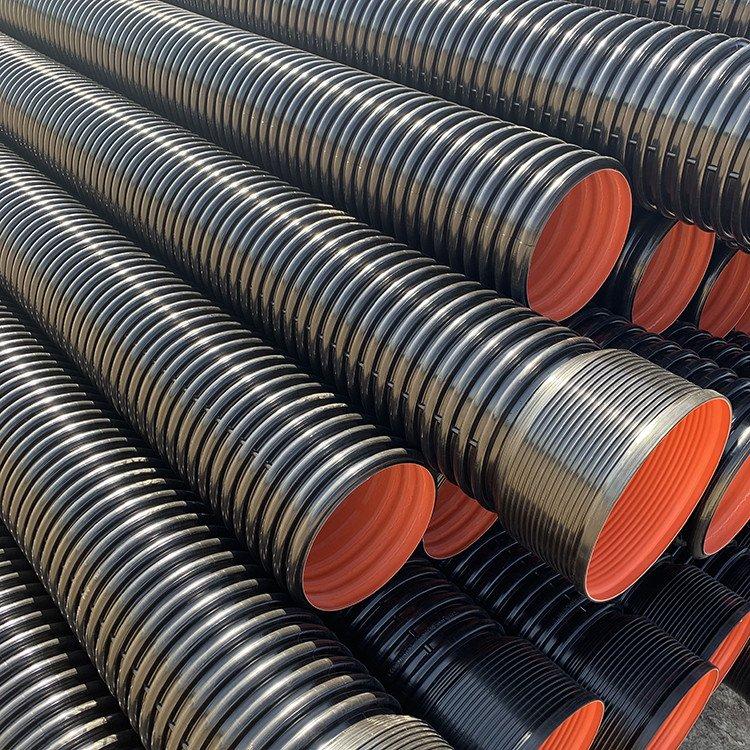
High-Density Polyethylene (HDPE) couplers are critical components in pipeline systems, primarily utilized for joining sections of HDPE pipe. They facilitate the transport of fluids and gases across a broad spectrum of industries including water distribution, irrigation, drainage, sewer, mining, and the oil & gas sector. These couplers, manufactured by HDPE coupler price factory, offer a leak-proof, flexible, and corrosion-resistant joint solution compared to traditional materials like metal. Their prominence stems from HDPE’s inherent properties - high tensile strength-to-density ratio, excellent chemical resistance, and ease of installation – making them particularly well-suited for demanding subsurface applications. The ‘price factory’ designation implies a focus on direct manufacturing and competitive pricing, important considerations for large-scale infrastructure projects. The core performance characteristic of an HDPE coupler is maintaining consistent pressure integrity and long-term durability under varying operational conditions, often dictated by stringent industry regulations and environmental factors.
Material Science & Manufacturing
HDPE, the primary material in these couplers, is a thermoplastic polymer created through the polymerization of ethylene. The raw material typically arrives at the factory as resin pellets, possessing a density ranging from 0.93 to 0.97 g/cm³. Key physical properties include a tensile strength of 20-30 MPa, a flexural modulus of 600-900 MPa, and a relatively low coefficient of friction. Manufacturing processes vary depending on the coupler type and size. Injection molding is prevalent for smaller, standardized couplers, utilizing controlled heating and pressure to force molten HDPE into a mold cavity. Critical parameters include mold temperature (60-80°C), injection pressure (70-120 MPa), and cooling rate. Larger diameter couplers often employ rotational molding, enabling the creation of seamless, hollow structures. Rotational molding involves heating a closed mold while rotating it biaxially, ensuring uniform wall thickness distribution. Extrusion is used for producing coupler bodies which are then further processed. A crucial aspect of manufacturing is controlling the melt flow index (MFI) of the HDPE resin; variations impact weldability and overall coupler strength. Furthermore, UV stabilizers (typically carbon black) are added to the HDPE compound to enhance resistance to degradation from sunlight exposure, essential for above-ground applications. Quality control involves rigorous testing of raw material properties, dimensional accuracy, and weld strength.
Performance & Engineering
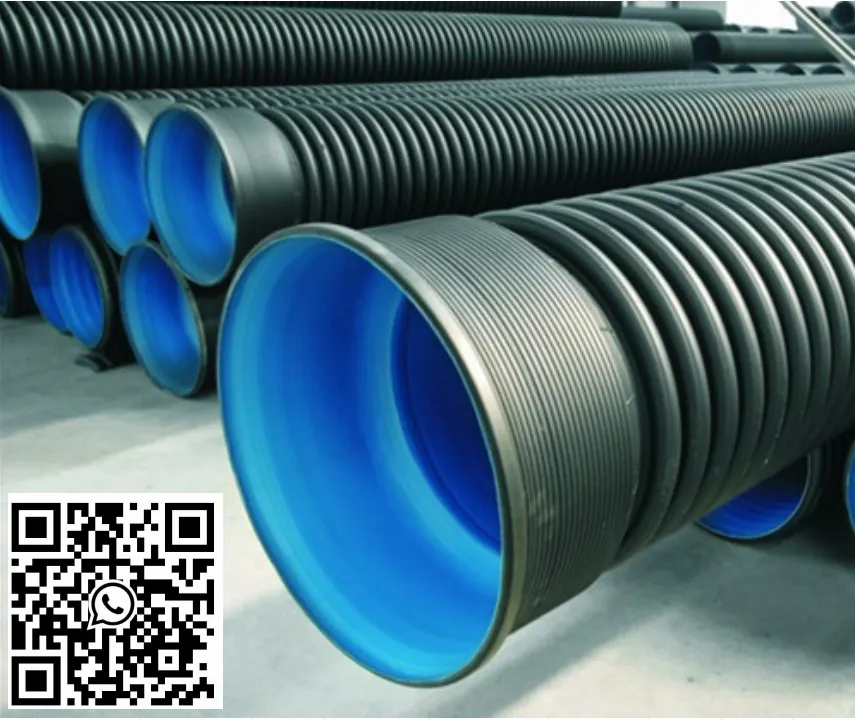
The performance of HDPE couplers is heavily influenced by factors like operating pressure, temperature, and the nature of the transported fluid. Force analysis, particularly stress distribution around the weld area, is critical for determining coupler suitability for specific applications. Finite Element Analysis (FEA) is routinely employed to model stress concentrations under different loading scenarios. Environmental resistance is a key concern. HDPE exhibits good chemical resistance to many acids, alkalis, and solvents, however, prolonged exposure to strong oxidizing agents can lead to degradation. Temperature fluctuations affect the material’s ductility and strength; HDPE becomes more brittle at lower temperatures and can exhibit creep under sustained high temperatures. Compliance requirements are dictated by standards such as ASTM D2412 (SDR for polyethylene pipe), ASTM F477 (socket welding of polyethylene fittings), and regional regulations pertaining to potable water systems. Functional implementation involves ensuring a secure and watertight seal between the coupler and the pipe. Electrofusion welding, utilizing a heating element within the coupler to melt the HDPE, is a common method, requiring precise control of welding parameters (temperature, time, and pressure) to achieve optimal joint strength. The design of the coupler’s sealing lips and the surface roughness of the pipe end are also critical factors influencing the integrity of the connection.
Technical Specifications
| Parameter | Unit | Typical Value | Test Standard |
|---|---|---|---|
| Nominal Pipe Size | inch | 0.5 - 60 | ASTM D2412 |
| Pressure Rating | psi | 100 - 400 | ASTM D2412 |
| Material | - | HDPE (PE100, PE80) | ASTM D3350 |
| Density | g/cm³ | 0.93 – 0.97 | ASTM D792 |
| Tensile Strength | MPa | 20 – 30 | ASTM D638 |
| Operating Temperature Range | °C | -40 to 60 | Manufacturer Specification |
Failure Mode & Maintenance
HDPE couplers, while durable, are susceptible to specific failure modes. Slow Crack Growth (SCG), initiated by residual stress and exposure to aggressive chemicals, can lead to catastrophic failure over time. This is particularly prevalent in environments with sustained tensile stress and contact with certain detergents or hydrocarbons. Fatigue cracking can occur in applications involving cyclic pressure loading, initiating at stress concentrations around weld seams or geometric discontinuities. UV degradation, despite the inclusion of stabilizers, can cause embrittlement and loss of mechanical properties if the coupler is continuously exposed to sunlight. Corrosion, though HDPE itself is corrosion-resistant, can affect metallic components within certain coupler designs. Maintenance typically involves visual inspection for cracks, deformation, or discoloration. Regular pressure testing should be conducted to verify the integrity of the pipeline system. If SCG is suspected, reducing operating pressure and replacing affected couplers is essential. For electrofusion welded joints, re-inspection of the weld area for visual defects is recommended. Preventative maintenance includes proper storage of couplers (away from direct sunlight and extreme temperatures) and adherence to recommended welding procedures to minimize residual stress.
Industry FAQ
Q: What is the impact of different HDPE resin grades (PE80 vs. PE100) on the long-term performance of the coupler?
A: PE100 offers a significantly higher minimum required strength (MRS) than PE80, leading to increased resistance to SCG and a longer projected service life, especially in demanding applications involving high pressures and aggressive fluids. While PE80 remains suitable for lower-pressure systems, PE100 is generally preferred for critical infrastructure projects where long-term reliability is paramount. The cost difference is often justified by the reduced risk of failure and extended maintenance intervals.
Q: How does the welding method (electrofusion vs. butt fusion) influence the strength and reliability of the coupler joint?
A: Electrofusion welding generally results in a more controlled and consistently high-quality weld compared to butt fusion, particularly for smaller diameter pipes and fittings. This is due to the precise temperature control and automated welding process. Butt fusion requires greater operator skill and careful monitoring of parameters. While both methods can produce strong joints when executed correctly, electrofusion often provides a higher level of confidence in joint integrity.
Q: What measures should be taken to mitigate the risk of Slow Crack Growth (SCG) in HDPE couplers used in potable water distribution systems?
A: Using PE100 resin, minimizing residual stress during installation (proper welding procedures, avoiding over-tightening), and avoiding contact with aggressive chemicals (e.g., certain disinfectants) are crucial. Maintaining a consistent water quality and avoiding sudden pressure surges can also help reduce the risk of SCG. Regular inspection and pressure testing are essential for early detection of potential issues.
Q: What is the expected service life of an HDPE coupler installed in a typical underground water distribution system?
A: Under normal operating conditions and with proper installation and maintenance, an HDPE coupler can have a service life exceeding 50 years. However, this is highly dependent on factors such as soil conditions, water quality, operating pressure, and temperature fluctuations. Regular inspections and adherence to industry best practices are essential for maximizing service life.
Q: What quality control measures do HDPE coupler price factory typically employ to ensure product consistency and reliability?
A: Reputable factories implement a comprehensive quality control program encompassing raw material testing (resin properties, UV stabilizer content), dimensional inspection, hydrostatic pressure testing, and weld strength testing. Statistical Process Control (SPC) is often used to monitor key manufacturing parameters and ensure consistent product quality. Traceability of materials and manufacturing processes is also important for identifying and addressing potential issues.
Conclusion
HDPE couplers represent a robust and cost-effective solution for joining HDPE pipelines, offering significant advantages over traditional materials in terms of corrosion resistance, flexibility, and ease of installation. The performance and longevity of these couplers are fundamentally tied to material selection (PE100 being preferable), precise manufacturing control, and adherence to established welding procedures. Understanding the potential failure modes, particularly SCG and fatigue cracking, is critical for ensuring long-term system reliability.
Continued advancements in HDPE resin technology and welding techniques will further enhance the performance and service life of these crucial components. Manufacturers, like HDPE coupler price factory, must prioritize rigorous quality control and maintain compliance with evolving industry standards to meet the growing demands of infrastructure projects globally. A proactive approach to maintenance and regular inspections will maximize the return on investment and minimize the risk of costly failures.
-
DN25 HDPE Compression Fitting-HORON INTERNATIONAL|Reliable Irrigation Solutions
NewsFeb.11,2026
-
hdpe coupling joint product Manufacturing Analysis
News2026-11-18
-
ppr pipe heating time products Performance Analysis
News2026-11-16
-
hdpe pipe sizes factory Performance Analysis
News2026-11-09
-
HDPE Pipe Sizes Service Performance Analysis
News2026-10-26
-
wholesale 15mm ppr pipe Material Science and Performance Analysis
News2026-10-20
-
wholesale pvc pipe price per foot Technical Analysis
News2026-09-21
-
wholesale long pvc pipe Technical Analysis and Manufacturing Specifications
News2026-09-15
-
wholesale plumbing kitchen sink water lines Material Performance
News2026-09-15
-
wholesale hdpe drip irrigation Material Science
News2026-09-15
-
wholesale hot water ppr pipe Performance Analysis
News2026-09-15
-
wholesale ppr plumbing Performance Analysis
News2026-09-15
-
wholesale ppr pipe supplier Performance Analysis
News2026-09-13
-
wholesale 50mm ppr pipe Performance Analysis
News2026-09-13
-
wholesale hdpe drip pipe Performance Analysis
News2026-09-13
-
wholesale hdpe pipe 63mm price Manufacturing Specification and Performance Analysis
News2026-09-13