

Feb . 11, 2026 00:01 Back to list
hdpe coupler price factories Performance Analysis
Introduction
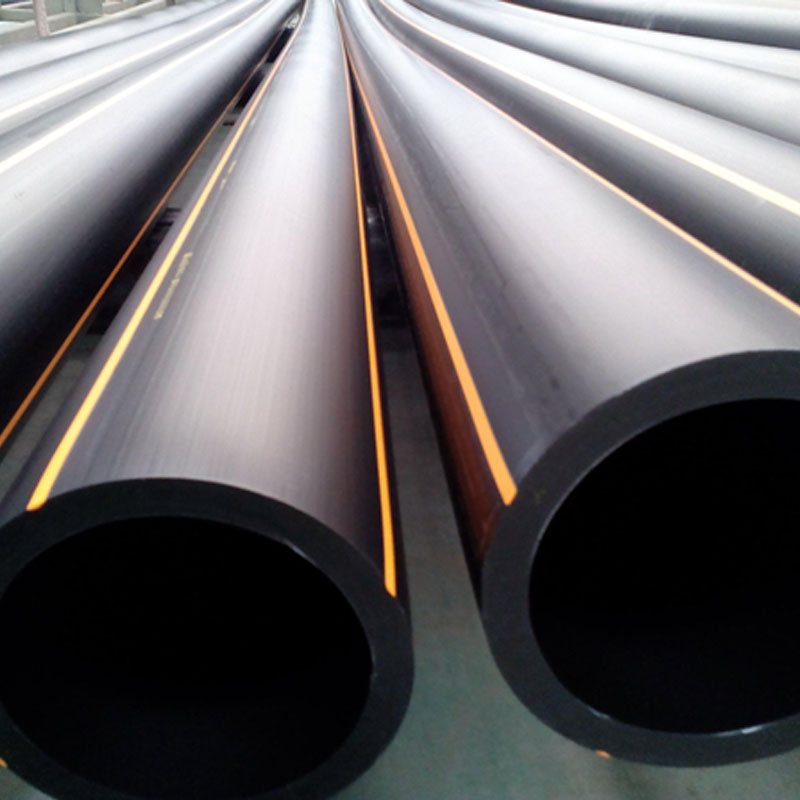
High-Density Polyethylene (HDPE) couplers represent a critical joining component within thermoplastic piping systems, primarily utilized for fluid and gas transfer in various industrial applications. Positioned as a cost-effective alternative to metallic couplings, HDPE couplers facilitate the connection of HDPE pipes, ensuring leak-proof seals and structural integrity. They are integral to industries including water distribution, irrigation, mining, drainage, and gas transportation. The price of HDPE couplers is directly influenced by material grade, diameter, pressure rating, manufacturing method (injection molding, extrusion, electrofusion), and quantity ordered. Core performance characteristics include pressure resistance, chemical inertness, temperature stability (though limited compared to metals), and long-term durability in underground applications. The increasing demand for corrosion-resistant, lightweight piping solutions is driving growth in the HDPE coupler market. The challenge lies in maintaining consistent quality and ensuring compatibility with diverse HDPE pipe formulations and installation methods.
Material Science & Manufacturing
HDPE, the primary material, is a thermoplastic polymer produced from the polymerization of ethylene. Key physical properties influencing coupler performance include its density (typically 0.941-0.965 g/cm³), tensile strength (8-12 MPa), elongation at break (typically >500%), and flexural modulus (100-200 MPa). These parameters are crucial for ensuring the coupler can withstand operational stresses. Manufacturing typically involves injection molding for smaller diameters and extruded welding for larger diameters. Injection molding offers precise dimensional control and is suitable for mass production of standard couplers. Extrusion welding, often followed by electrofusion welding, provides stronger joints for larger diameter applications. The process control parameters in injection molding, such as melt temperature (180-210°C), mold temperature (30-50°C), and injection pressure (50-150 MPa), directly impact the coupler’s crystallinity and resulting mechanical properties. Electrofusion welding involves precisely controlled heating of the coupler and pipe ends to create a homogenous weld. Chemical compatibility is paramount; HDPE exhibits excellent resistance to acids, alkalis, and many solvents but is susceptible to degradation by prolonged exposure to strong oxidizing agents and UV radiation. The inclusion of carbon black additives enhances UV resistance. Post-production quality control includes hydrostatic pressure testing to verify joint integrity and dimensional inspection to ensure adherence to standards.
Performance & Engineering
The performance of HDPE couplers is fundamentally governed by stress analysis and fluid mechanics principles. Couplers must withstand both internal pressure from the conveyed fluid and external loads from soil cover, traffic, and thermal expansion/contraction. Force analysis considers hoop stress, longitudinal stress, and bending moments induced by pipe deflection. A critical engineering consideration is the coefficient of thermal expansion of HDPE (approximately 0.2 mm/m°C), necessitating allowance for expansion and contraction in pipeline design to prevent stress concentration at the coupler joints. Environmental resistance is also crucial. While HDPE is resistant to many chemicals, long-term exposure to specific aggressive media can lead to stress cracking. UV degradation can cause embrittlement, especially in exposed applications. Compliance requirements vary by region, often adhering to standards such as ASTM D3261 (polyethylene fittings for pressure applications) and EN 12201 (plastic piping systems for water supply and irrigation). The design of the coupler’s sealing mechanism (typically a rubber gasket) is critical for maintaining a leak-proof seal under varying pressure and temperature conditions. Finite Element Analysis (FEA) is commonly employed to optimize coupler geometry and predict stress distribution under different loading scenarios. Proper installation techniques, including correct pipe insertion depth and electrofusion welding parameters, are vital for achieving optimal performance.
Technical Specifications
| Parameter | Units | Standard Specification (Typical) | Typical Range |
|---|---|---|---|
| Nominal Diameter | mm | Various (e.g., 20, 25, 32, 40, 50, 63, 75, 90, 110, 125, 160, 200, 225, 250, 315) | 20 – 630 |
| Pressure Rating (PN) | bar | PN10, PN16, PN20, PN25 | 6 – 25 |
| Material | - | HDPE (PE100, PE80) | PE100, PE80, PE63 |
| Jointing Method | - | Electrofusion, Butt Fusion, Socket Fusion | Electrofusion, Butt Fusion, Socket Fusion |
| Operating Temperature | °C | -10 to +40 | -10 – 60 |
| Density | g/cm³ | 0.941 – 0.965 | 0.93 – 0.97 |
Failure Mode & Maintenance
HDPE coupler failures typically manifest in several forms. Slow Crack Growth (SCG) is a common failure mode induced by sustained tensile stress in conjunction with aggressive chemicals. This results in brittle fractures originating at stress concentrators. Fatigue cracking can occur due to cyclic pressure fluctuations or ground movement, especially in poorly supported pipelines. Delamination of the weld joint is a critical failure in electrofusion welded connections, often caused by insufficient heating or contamination during the welding process. Oxidation, while less common in HDPE than in metals, can occur at elevated temperatures over extended periods, leading to material degradation. Joint misalignment during installation introduces bending stresses that can accelerate failure. Regular maintenance involves visual inspection for cracks, leaks, and signs of soil settlement. Hydrostatic testing can be performed periodically to assess the integrity of the pipeline. For electrofusion welds, non-destructive testing (NDT) methods like ultrasonic testing can detect internal flaws. Preventive measures include proper pipe support, stress relief design, and the use of appropriate backfill materials. Repair typically involves excavation and replacement of the damaged coupler and adjacent pipe sections, followed by proper re-welding and testing.
Industry FAQ
Q: What is the impact of different HDPE resin grades (PE80, PE100) on coupler performance and price?
A: PE100 offers superior strength and crack resistance compared to PE80 due to its higher molecular weight and density. Couplers manufactured from PE100 generally command a higher price but provide extended service life and enhanced reliability, particularly in demanding applications like high-pressure gas distribution. PE80 is suitable for lower-pressure water applications where cost is a primary concern.
Q: How does electrofusion welding compare to butt fusion welding in terms of coupler joint strength and installation complexity?
A: Electrofusion welding generally produces stronger, more consistent joints than butt fusion, especially for smaller diameters. However, it requires specialized equipment and trained personnel for precise parameter control. Butt fusion is more cost-effective for larger diameter pipes but demands careful alignment and temperature monitoring. Electrofusion offers better control against errors.
Q: What are the primary considerations for selecting the correct coupler material for a specific chemical environment?
A: While HDPE exhibits broad chemical resistance, prolonged exposure to strong oxidizing agents (e.g., concentrated nitric acid) or certain solvents can lead to degradation. Chemical compatibility charts should be consulted, and materials with enhanced chemical resistance (e.g., HDPE with specific additives) may be necessary for aggressive environments. Independent testing is often advised.
Q: How do variations in soil conditions (e.g., corrosivity, load) affect the long-term performance of buried HDPE couplers?
A: Corrosive soils can indirectly impact coupler performance by accelerating the degradation of surrounding pipes and potentially creating stress concentrations. Heavy loads from traffic or construction can induce bending stresses and potentially cause joint failure. Proper bedding and backfill materials are crucial for providing adequate support and minimizing external stresses. Geotextile wrapping can provide an additional layer of protection against corrosive soils.
Q: What is the typical service life expectancy of an HDPE coupler installed in a standard potable water distribution system?
A: Under typical operating conditions (moderate pressure, stable soil, non-aggressive water chemistry), an HDPE coupler can have a service life expectancy of 50 years or more. However, this can be significantly reduced by factors like excessive stress, chemical attack, or poor installation practices. Regular inspection and maintenance are essential for maximizing service life.
Conclusion
HDPE couplers represent a durable and cost-effective joining solution for thermoplastic piping systems, offering significant advantages in terms of corrosion resistance, lightweight construction, and ease of installation. However, optimal performance relies heavily on selecting the appropriate material grade, employing correct manufacturing and welding techniques, and ensuring proper installation procedures. Understanding the failure modes associated with HDPE couplers – particularly SCG, fatigue cracking, and weld defects – is critical for implementing effective maintenance strategies.
The future of HDPE coupler technology will likely focus on developing enhanced materials with improved chemical resistance and mechanical properties, as well as incorporating smart monitoring systems for proactive leak detection and performance assessment. Standardization and stringent quality control are also paramount to ensure long-term reliability and minimize the risk of failures in critical infrastructure applications. Continued research into advanced welding techniques will further improve joint integrity and extend the service life of HDPE piping systems.
-
DN25 HDPE Compression Fitting-HORON INTERNATIONAL|Reliable Irrigation Solutions
NewsFeb.11,2026
-
hdpe coupling joint product Manufacturing Analysis
News2026-11-18
-
ppr pipe heating time products Performance Analysis
News2026-11-16
-
hdpe pipe sizes factory Performance Analysis
News2026-11-09
-
HDPE Pipe Sizes Service Performance Analysis
News2026-10-26
-
wholesale 15mm ppr pipe Material Science and Performance Analysis
News2026-10-20
-
wholesale pvc pipe price per foot Technical Analysis
News2026-09-21
-
wholesale long pvc pipe Technical Analysis and Manufacturing Specifications
News2026-09-15
-
wholesale plumbing kitchen sink water lines Material Performance
News2026-09-15
-
wholesale hdpe drip irrigation Material Science
News2026-09-15
-
wholesale hot water ppr pipe Performance Analysis
News2026-09-15
-
wholesale ppr plumbing Performance Analysis
News2026-09-15
-
wholesale ppr pipe supplier Performance Analysis
News2026-09-13
-
wholesale 50mm ppr pipe Performance Analysis
News2026-09-13
-
wholesale hdpe drip pipe Performance Analysis
News2026-09-13
-
wholesale hdpe pipe 63mm price Manufacturing Specification and Performance Analysis
News2026-09-13