

Feb . 11, 2026 00:01 Back to list
hdpe corrugated pipe sizes manufacturers Performance Analysis
Introduction
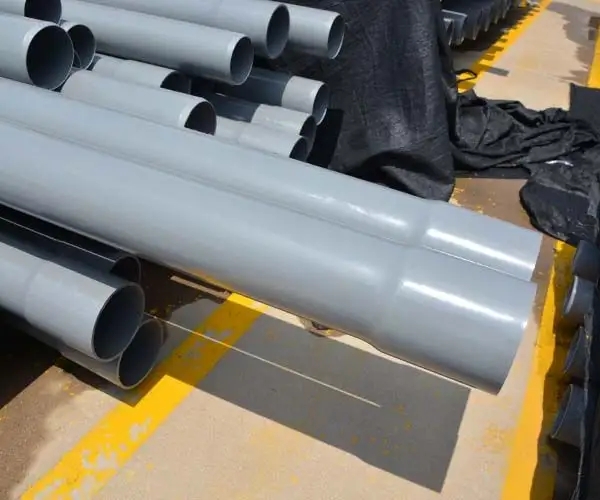
High-Density Polyethylene (HDPE) corrugated pipe is a versatile piping solution widely employed across civil engineering, drainage, and subsurface infrastructure applications. This guide provides an in-depth technical overview of HDPE corrugated pipe, focusing on its sizing, manufacturing processes, performance characteristics, potential failure modes, and relevant industry standards. Unlike traditional piping materials like concrete or ductile iron, HDPE corrugated pipe offers significant advantages in terms of weight, installation speed, corrosion resistance, and long-term performance. The core function of these pipes is fluid conveyance – primarily stormwater, sanitary sewer, and agricultural drainage. Sizing is critical, dictated by flow rate, slope, and anticipated loading conditions. The industry faces challenges in accurate load calculations for heavily trafficked installations and ensuring long-term joint integrity in aggressive soil environments. Proper material selection based on pipe stiffness and dimensional ratio (DR) is paramount for project success. This document serves as a comprehensive resource for engineers, procurement professionals, and contractors involved in HDPE corrugated pipe projects.
Material Science & Manufacturing
HDPE corrugated pipe is manufactured from high-density polyethylene resin, typically conforming to ASTM D3350 or equivalent international standards. The resin’s properties – including molecular weight distribution, density, and melt flow index – directly impact the final pipe’s performance. Key physical properties include a density of approximately 0.953 g/cm³, tensile strength ranging from 20-30 MPa, and a relatively low coefficient of friction. The manufacturing process commonly utilizes extrusion techniques. Polyethylene pellets are fed into an extruder, heated, and formed into a continuous profile. Corrugation is created using a series of molds that shape the molten HDPE as it exits the die. This process imparts significant ring stiffness to the pipe. Critical process parameters include extrusion temperature (typically 180-220°C), die speed, and cooling rate. Inconsistent cooling can lead to warping or dimensional inaccuracies. The corrugated profile is typically followed by a flat band application, which adds longitudinal strength. These bands are often co-extruded with the HDPE or applied separately via adhesive bonding. Chemical compatibility of the HDPE resin with soil constituents is a significant consideration; exposure to certain organic solvents or aggressive chemicals can lead to stress cracking or material degradation. Quality control measures, including dimensional checks, hydrostatic pressure testing, and impact resistance assessments, are essential throughout the manufacturing process.
Performance & Engineering
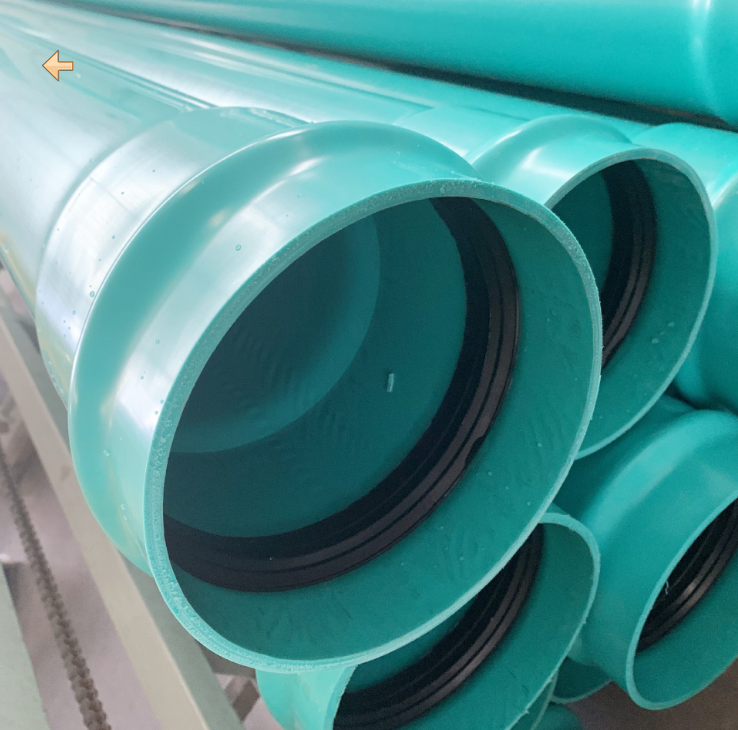
The performance of HDPE corrugated pipe is heavily reliant on its structural integrity under various loading conditions. These include external loads from soil overburden and traffic, internal hydrostatic pressure from fluid flow, and buckling resistance. The pipe’s ring stiffness – a measure of its resistance to flattening – is a critical parameter, typically expressed in psi. Higher ring stiffness values are required for installations subject to heavy loads. Buried pipe design requires careful consideration of soil properties, including bearing capacity, compaction, and potential for differential settlement. Finite element analysis (FEA) is often employed to model the pipe-soil interaction and predict stress distributions. HDPE corrugated pipe exhibits excellent chemical resistance to most commonly encountered soil constituents, but prolonged exposure to certain aggressive chemicals (e.g., strong acids or bases) should be avoided. Permeability is another important consideration, particularly in environmentally sensitive applications. While HDPE is generally impermeable, some moisture transmission can occur through joints or defects. Joint integrity is typically achieved through bell-and-spigot connections with elastomeric gaskets. Proper installation procedures, including proper bedding and compaction, are crucial for maximizing performance and minimizing the risk of failure. Compliance with relevant engineering standards, such as AASHTO M294, is mandatory for public infrastructure projects.
Technical Specifications
| Nominal Pipe Size (inches) | Outside Diameter (inches) | Corrugation Profile Height (inches) | Minimum Ring Stiffness (psi) | Minimum Pipe Stiffness (psi) | Typical DR (Dimensional Ratio) |
|---|---|---|---|---|---|
| 12 | 12.625 | 0.75 | 35 | 18 | 18 |
| 15 | 15.5 | 0.75 | 45 | 22 | 16 |
| 18 | 18.5 | 0.75 | 55 | 27 | 15 |
| 24 | 24.25 | 0.75 | 65 | 32 | 14 |
| 30 | 30.5 | 0.75 | 75 | 38 | 13 |
| 36 | 36.5 | 0.75 | 85 | 42 | 12 |
Failure Mode & Maintenance
HDPE corrugated pipe, while durable, is susceptible to certain failure modes under specific conditions. Fatigue cracking, particularly at the crown of the pipe, can occur due to repeated loading from traffic or soil settlement. This is exacerbated by improper installation or inadequate bedding support. Delamination of the corrugated profile can result from manufacturing defects or exposure to ultraviolet (UV) radiation. UV exposure degrades the HDPE polymer, reducing its strength and flexibility. Chemical attack from aggressive soil constituents can cause stress cracking or material embrittlement. Joint failures can occur due to improper installation, gasket degradation, or soil movement. Oxidation, although slow, can lead to a gradual reduction in material properties over extended periods. Regular inspections are recommended, particularly in heavily loaded installations. These inspections should focus on identifying signs of cracking, deformation, or joint leakage. Maintenance typically involves repairing localized damage with patching materials or replacing damaged sections of pipe. Preventive measures include ensuring proper installation practices, providing adequate bedding and compaction, and protecting the pipe from UV exposure. Geotextile filtration fabric surrounding the pipe can help prevent soil intrusion and maintain drainage. In areas prone to chemical attack, consideration should be given to using a protective coating or selecting a more chemically resistant HDPE formulation.
Industry FAQ
Q: What impact does soil corrosivity have on the long-term performance of HDPE corrugated pipe?
A: Soil corrosivity, specifically the presence of sulfates, chlorides, and organic acids, can accelerate degradation of the HDPE material. While HDPE exhibits excellent resistance to many chemicals, prolonged exposure to aggressive soil environments can lead to stress cracking and reduced pipe lifespan. Mitigation strategies include using a chemically resistant HDPE formulation, applying a protective coating, and ensuring proper drainage to minimize contact with corrosive agents.
Q: How do you determine the appropriate ring stiffness for a specific application?
A: Ring stiffness selection is primarily based on the anticipated external load from soil overburden and traffic. A detailed geotechnical investigation is required to determine the soil bearing capacity and potential for settlement. AASHTO M294 provides guidance on load calculations and minimum ring stiffness requirements based on traffic volume and pipe burial depth. Finite element analysis can be used to refine these calculations and optimize the design.
Q: What are the common causes of joint failure in HDPE corrugated pipe systems?
A: Common causes of joint failure include improper installation techniques (e.g., insufficient engagement of the bell and spigot), gasket damage during installation, soil movement causing differential settlement, and degradation of the gasket material over time. Proper training of installation crews and adherence to manufacturer’s specifications are crucial for minimizing joint failures.
Q: Is HDPE corrugated pipe suitable for high-velocity flow applications?
A: HDPE corrugated pipe can be used in high-velocity flow applications, but careful consideration must be given to potential erosion and abrasion. The corrugated profile can create turbulence, which can increase erosion rates. Using a higher-density HDPE formulation and applying a protective lining can mitigate these effects. Regular inspections are recommended to monitor for signs of erosion.
Q: What are the key considerations for installing HDPE corrugated pipe in cold weather conditions?
A: Cold weather can increase the brittleness of HDPE, making it more susceptible to cracking during installation. Pre-warming the pipe to a specified temperature (typically above 40°F) can improve its flexibility and reduce the risk of damage. Proper handling and storage procedures are also essential to prevent freezing and cracking.
Conclusion
HDPE corrugated pipe represents a robust and cost-effective solution for a wide range of drainage and subsurface infrastructure applications. Its inherent advantages in terms of weight, corrosion resistance, and installation speed make it an attractive alternative to traditional piping materials. However, successful implementation requires a thorough understanding of material science, manufacturing processes, and engineering principles. Proper sizing, installation, and maintenance are critical for maximizing long-term performance and preventing premature failure.
Looking ahead, advancements in HDPE resin technology and manufacturing techniques will continue to enhance the performance and durability of corrugated pipe systems. Increased adoption of digital modeling and simulation tools will enable more accurate load calculations and optimized designs. Further research into the long-term effects of soil corrosivity and UV exposure will contribute to the development of more resilient and sustainable piping solutions.
-
DN25 HDPE Compression Fitting-HORON INTERNATIONAL|Reliable Irrigation Solutions
NewsFeb.11,2026
-
hdpe coupling joint product Manufacturing Analysis
News2026-11-18
-
ppr pipe heating time products Performance Analysis
News2026-11-16
-
hdpe pipe sizes factory Performance Analysis
News2026-11-09
-
HDPE Pipe Sizes Service Performance Analysis
News2026-10-26
-
wholesale 15mm ppr pipe Material Science and Performance Analysis
News2026-10-20
-
wholesale pvc pipe price per foot Technical Analysis
News2026-09-21
-
wholesale long pvc pipe Technical Analysis and Manufacturing Specifications
News2026-09-15
-
wholesale plumbing kitchen sink water lines Material Performance
News2026-09-15
-
wholesale hdpe drip irrigation Material Science
News2026-09-15
-
wholesale hot water ppr pipe Performance Analysis
News2026-09-15
-
wholesale ppr plumbing Performance Analysis
News2026-09-15
-
wholesale ppr pipe supplier Performance Analysis
News2026-09-13
-
wholesale 50mm ppr pipe Performance Analysis
News2026-09-13
-
wholesale hdpe drip pipe Performance Analysis
News2026-09-13
-
wholesale hdpe pipe 63mm price Manufacturing Specification and Performance Analysis
News2026-09-13