

Feb . 11, 2026 00:01 Back to list
hdpe corrugated pipe sizes factory Performance Analysis
Introduction
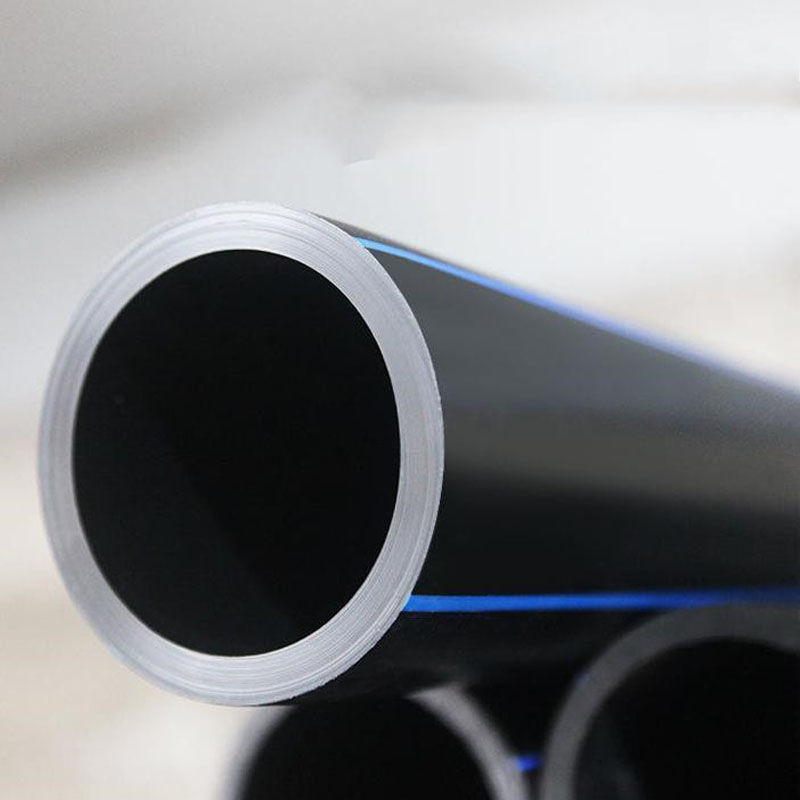
High-Density Polyethylene (HDPE) corrugated pipe represents a significant advancement in subsurface drainage and conduit solutions. Functioning as a lightweight, durable, and cost-effective alternative to traditional materials like concrete or steel, HDPE corrugated pipe finds extensive application in stormwater management, agricultural drainage, septic systems, and utility conduit installations. Its position in the infrastructure supply chain is as a semi-finished product, manufactured by specialized factories and then distributed to construction contractors, municipalities, and agricultural suppliers. Core performance characteristics revolve around its high ring stiffness, allowing it to withstand substantial backfill loads, combined with its inherent corrosion resistance, ensuring a long service life. Critical sizing considerations – diameter and flexibility – dictate application suitability, requiring precise manufacturing control and adherence to relevant industry standards.
Material Science & Manufacturing
The foundation of HDPE corrugated pipe lies in its raw material: high-density polyethylene resin. This thermoplastic polymer is chosen for its excellent tensile strength (typically ranging from 20 to 35 MPa), chemical inertness, and low moisture absorption. Resin grades are categorized by density and molecular weight distribution, influencing processability and final product properties. Manufacturing typically proceeds through a corrugated extrusion process. Polyethylene granules are fed into an extruder, melted, and then formed into a corrugated profile using a series of rollers. Key parameters include extrusion temperature (180-220°C), roller speed, and cooling rate – deviations impacting the corrugation profile’s dimensional accuracy and ring stiffness. The corrugated profile is then often wrapped with a protective layer of polypropylene (PP) geotextile for enhanced soil separation and abrasion resistance. Quality control throughout this process is paramount, including melt flow index (MFI) testing of the resin, dimensional checks of the corrugation, and hydrostatic pressure testing of the finished pipe. The manufacturing process demands meticulous attention to prevent issues such as resin degradation, uneven corrugation, and insufficient geotextile adhesion. Material compatibility with commonly encountered soil types and installation backfill is also a vital consideration, requiring assessment of pH levels and potential chemical leaching.
Performance & Engineering
The structural performance of HDPE corrugated pipe is primarily governed by its ring stiffness, a measure of its resistance to flattening under vertical loads. This is determined by the pipe’s diameter, corrugation profile, and wall thickness. Force analysis utilizes beam bending theory to calculate the maximum allowable load before deformation. Environmental resistance is another crucial factor. While HDPE exhibits excellent resistance to most chemicals, prolonged exposure to ultraviolet (UV) radiation can cause degradation, leading to embrittlement. Protective coatings or burial are essential to mitigate this effect. Long-term creep – the gradual deformation under sustained load – is also a consideration, particularly in applications with heavy backfill. Engineering designs must account for soil properties, including bearing capacity and potential settlement. Compliance requirements vary by region and application. For stormwater management, adherence to local drainage regulations is essential. For sanitary sewer applications, compliance with standards relating to watertightness and joint integrity is required. Installation procedures, including proper bedding and backfill compaction, directly impact performance and longevity. Improper installation can lead to premature failure due to stress concentrations and uneven load distribution.
Technical Specifications
| Nominal Diameter (inches) | Ring Stiffness (psi) | Weight per Foot (lbs/ft) | Minimum Bending Radius (ft) |
|---|---|---|---|
| 12 | 38 | 0.35 | 8 |
| 15 | 42 | 0.48 | 10 |
| 18 | 48 | 0.62 | 12 |
| 24 | 55 | 0.85 | 16 |
| 30 | 60 | 1.10 | 20 |
| 36 | 65 | 1.40 | 24 |
Failure Mode & Maintenance
HDPE corrugated pipe, while durable, is susceptible to several failure modes. Fatigue cracking, especially at joints or areas of stress concentration, can occur under cyclic loading. Delamination of the geotextile wrapping can reduce abrasion resistance and compromise soil separation. Environmental stress cracking (ESC) can initiate in the presence of certain chemicals or sustained tensile stress. Oxidation, though slow, can gradually degrade the polymer matrix, leading to embrittlement. Physical damage during installation – punctures from sharp objects or excessive bending – represents another common failure point. Maintenance primarily focuses on preventative measures. Regular visual inspections can identify early signs of damage or degradation. Ensuring proper backfill compaction and avoiding heavy point loads are critical. In areas prone to UV exposure, protective measures like shading or UV-resistant coatings are essential. If minor damage is detected, localized repairs using compatible HDPE patching materials can extend service life. However, extensive damage typically necessitates complete pipe replacement. Failure analysis should involve examining the fracture surface to identify the root cause – whether it be fatigue, ESC, or physical damage – informing future material selection and installation practices.
Industry FAQ
Q: What is the impact of soil corrosivity on the long-term performance of HDPE corrugated pipe?
A: Soil corrosivity, specifically the presence of sulfates or chlorides, can accelerate degradation. While HDPE is generally chemically resistant, these ions can promote environmental stress cracking over extended periods. Using a geotextile with high chemical resistance and ensuring proper bedding with non-corrosive materials are crucial mitigation strategies.
Q: How does temperature affect the ring stiffness of HDPE corrugated pipe?
A: Lower temperatures generally increase ring stiffness due to increased material rigidity. Conversely, higher temperatures can reduce ring stiffness, making the pipe more susceptible to deformation. This is particularly relevant in regions with extreme temperature fluctuations, requiring consideration in design calculations.
Q: What is the recommended backfill material for optimal pipe performance?
A: Granular materials like sand or gravel are ideal backfill options, providing uniform support and promoting drainage. Avoid using clay-rich soils, which can retain moisture and exert excessive hydrostatic pressure. Proper compaction is vital, typically to 85-90% Proctor density, to prevent settlement and maintain structural integrity.
Q: What is the allowable slope for HDPE corrugated pipe installations used for gravity flow drainage?
A: The allowable slope depends on pipe diameter and flow rate. Generally, a minimum slope of 1% is recommended to ensure adequate self-cleaning velocity and prevent sedimentation. However, steeper slopes may be necessary for larger diameter pipes or high flow conditions. Hydraulic calculations should be performed to determine the optimal slope.
Q: What are the acceptable joint connection methods for HDPE corrugated pipe?
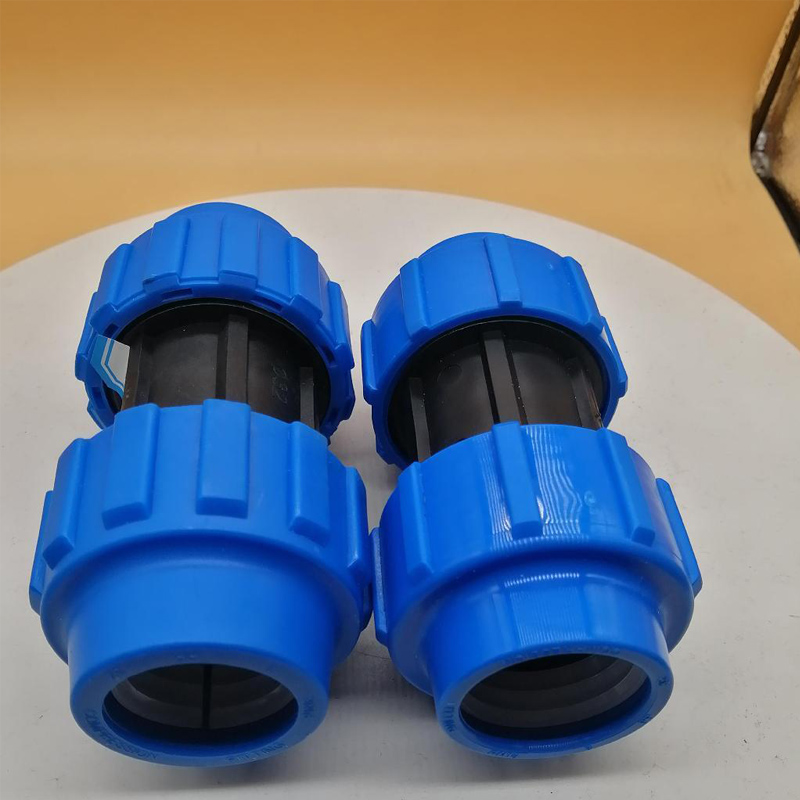
A: Common joint connection methods include bell-and-spigot connections with rubber gaskets, split couplings, and heat-fusion welding. The chosen method must ensure a watertight seal and maintain structural integrity. Heat-fusion welding, while requiring specialized equipment, offers the highest level of long-term performance and resistance to leakage.
Conclusion
HDPE corrugated pipe represents a robust and versatile solution for a wide range of subsurface drainage and conduit applications. Its inherent properties – high ring stiffness, corrosion resistance, and lightweight construction – offer significant advantages over traditional materials. However, optimal performance requires careful consideration of material selection, manufacturing quality control, proper installation procedures, and long-term maintenance strategies.
Future advancements in HDPE resin formulations, coupled with improved manufacturing techniques, will likely lead to even higher performance and extended service life for these critical infrastructure components. Furthermore, the integration of smart technologies, such as embedded sensors for monitoring pipe integrity and flow rates, could revolutionize drainage system management and preventative maintenance programs, contributing to more sustainable and resilient infrastructure.
-
DN25 HDPE Compression Fitting-HORON INTERNATIONAL|Reliable Irrigation Solutions
NewsFeb.11,2026
-
hdpe coupling joint product Manufacturing Analysis
News2026-11-18
-
ppr pipe heating time products Performance Analysis
News2026-11-16
-
hdpe pipe sizes factory Performance Analysis
News2026-11-09
-
HDPE Pipe Sizes Service Performance Analysis
News2026-10-26
-
wholesale 15mm ppr pipe Material Science and Performance Analysis
News2026-10-20
-
wholesale pvc pipe price per foot Technical Analysis
News2026-09-21
-
wholesale long pvc pipe Technical Analysis and Manufacturing Specifications
News2026-09-15
-
wholesale plumbing kitchen sink water lines Material Performance
News2026-09-15
-
wholesale hdpe drip irrigation Material Science
News2026-09-15
-
wholesale hot water ppr pipe Performance Analysis
News2026-09-15
-
wholesale ppr plumbing Performance Analysis
News2026-09-15
-
wholesale ppr pipe supplier Performance Analysis
News2026-09-13
-
wholesale 50mm ppr pipe Performance Analysis
News2026-09-13
-
wholesale hdpe drip pipe Performance Analysis
News2026-09-13
-
wholesale hdpe pipe 63mm price Manufacturing Specification and Performance Analysis
News2026-09-13