

Feb . 11, 2026 00:01 Back to list
hdpe conduit fittings service Performance Analysis
Introduction
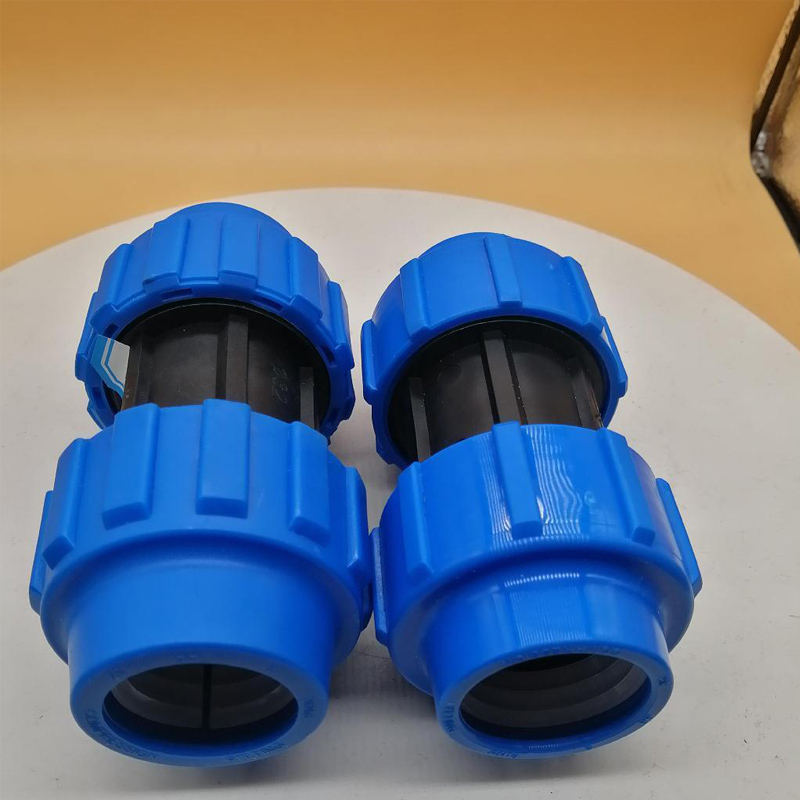
High-Density Polyethylene (HDPE) conduit fittings represent a critical component in modern infrastructure, serving to connect and protect electrical and communication wiring. These fittings, engineered for use with HDPE conduit, provide a robust and durable solution for underground and above-ground applications. Their technical position within the industry chain lies between the extruded HDPE conduit itself and the final installed cabling system, acting as the interface enabling secure and reliable connections. Core performance characteristics include dielectric strength, resistance to corrosion and impact, and long-term environmental stability. The increasing demand for HDPE conduit fittings is driven by their advantages over traditional metallic options, particularly in corrosive environments and their suitability for trenchless installation methods, making them crucial for telecommunications, power distribution, and infrastructure projects.
Material Science & Manufacturing
HDPE conduit fittings are predominantly manufactured from high-density polyethylene resins, specifically grades possessing high molecular weight and a narrow molecular weight distribution. These resins exhibit excellent chemical resistance, low moisture absorption, and superior tensile strength compared to lower-density polyethylene variants. Raw material selection is crucial; virgin HDPE is preferred for critical applications demanding long-term performance, while recycled HDPE can be utilized in less demanding scenarios, subject to stringent quality control. The manufacturing process typically involves injection molding. This process requires precise temperature control (typically between 200-230°C for HDPE) and injection pressure to ensure complete filling of the mold cavity and avoid defects such as voids or warping. Cooling rates must also be carefully managed to minimize residual stress. Subsequent to molding, fittings often undergo dimensional inspection and, in some cases, surface treatment to enhance UV resistance or provide improved bonding characteristics for adhesive applications. Critical parameters include melt flow index (MFI) of the HDPE resin, mold temperature, injection pressure, and cooling time. A lower MFI indicates higher molecular weight and improved strength, but can also increase processing difficulty. Variations in these parameters directly impact the fitting’s mechanical properties, dimensional accuracy, and long-term durability.
Performance & Engineering
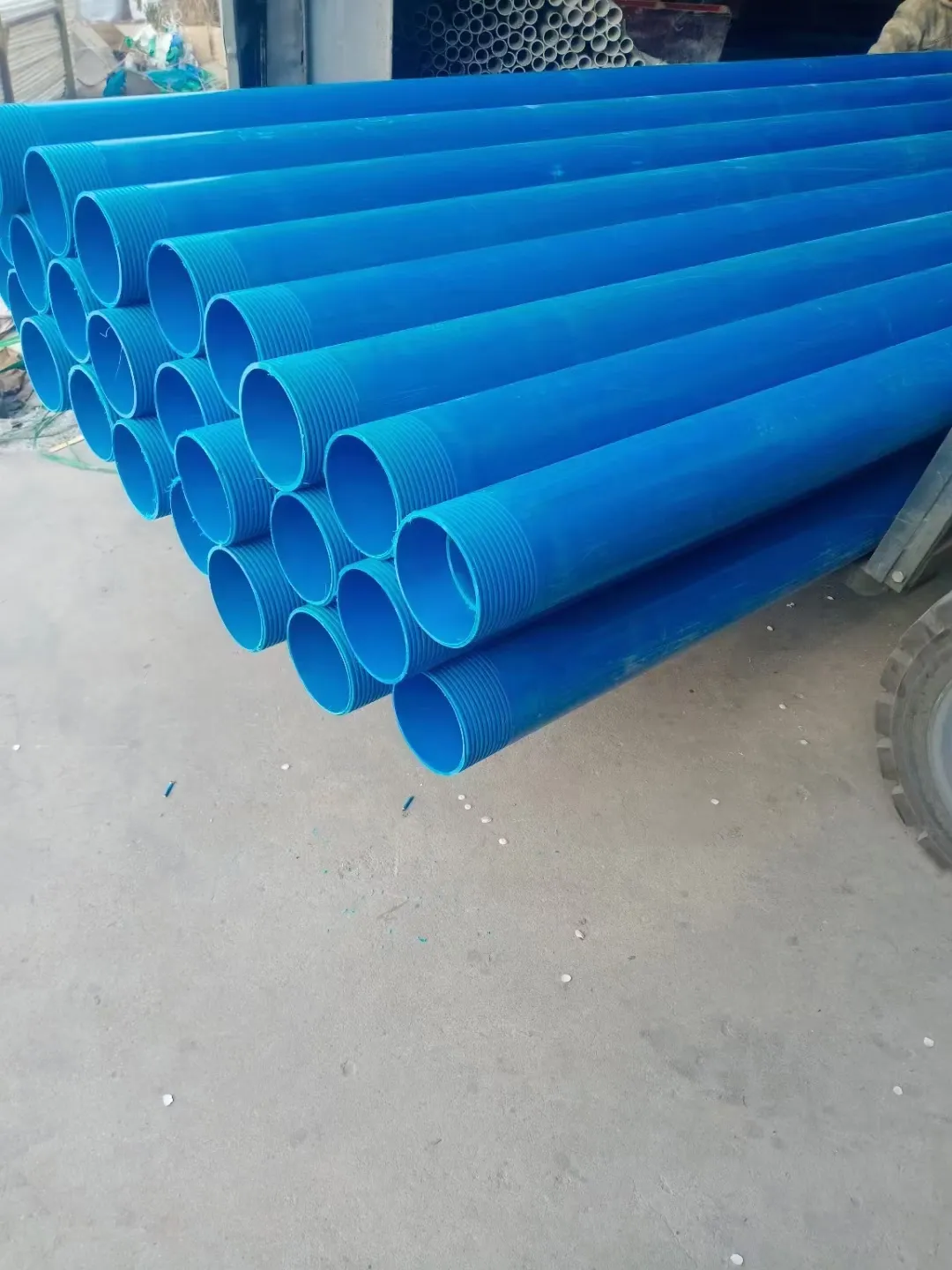
The performance of HDPE conduit fittings is dictated by several engineering considerations. Force analysis is crucial to determine the fitting's ability to withstand both static and dynamic loads, including tensile stress from cable pulling, compressive loads from backfill material, and impact forces from accidental damage. Environmental resistance is paramount, particularly resistance to UV degradation, chemical attack (from soil contaminants or industrial effluent), and temperature fluctuations. Long-term creep resistance is also a key factor, as prolonged exposure to stress can lead to dimensional changes and eventual failure. HDPE fittings typically exhibit a high dielectric strength, exceeding the requirements of most electrical applications. Compliance requirements vary depending on the region and application but generally include adherence to NEMA standards for conduit fittings and UL listings for electrical safety. Furthermore, the fitting design must account for thermal expansion and contraction differences between the HDPE conduit and any metallic components it connects to, preventing stress concentrations that could lead to cracking or leakage. A critical engineering aspect is ensuring a watertight seal between the fitting and the conduit, preventing moisture ingress which can compromise the electrical insulation and promote corrosion.
Technical Specifications
| Fitting Type | Nominal Size (Inches) | Material | Operating Temperature Range (°C) |
|---|---|---|---|
| Coupling | 1/2 | HDPE (PE100) | -40 to +80 |
| Elbow (90°) | 3/4 | HDPE (PE100) | -40 to +60 |
| Tee | 1 | HDPE (PE100) | -30 to +70 |
| Reducer (1/2 to 3/4) | 1/2 & 3/4 | HDPE (PE100) | -40 to +80 |
| Connector (NPT) | 1 | HDPE (PE100) | -20 to +60 |
| Sweep Elbow (90°) | 2 | HDPE (PE100) | -40 to +80 |
Failure Mode & Maintenance
HDPE conduit fittings, while robust, are susceptible to several failure modes. Environmental Stress Cracking (ESC) is a common issue, arising from the combined effects of tensile stress and exposure to certain chemicals. UV degradation can cause embrittlement and loss of impact resistance, especially in fittings exposed to direct sunlight for extended periods. Fatigue cracking can occur due to repeated stress cycles, such as those induced by thermal expansion and contraction or ground movement. Improper installation, such as over-tightening or misalignment, can induce stress concentrations and premature failure. Delamination can occur in fittings manufactured with inadequate resin blending or poor molding practices. Oxidation, while less common, can affect the long-term performance of fittings exposed to elevated temperatures. Maintenance typically involves visual inspection for cracks, deformation, or UV damage. Regular cleaning to remove dirt and debris can help prevent ESC. In cases of minor damage, repair with compatible HDPE welding materials may be possible, but replacement is generally recommended for significant structural defects. Proper backfilling techniques, avoiding sharp rocks or debris, are crucial for preventing physical damage. Preventative maintenance programs, including periodic inspections and UV protection measures, can significantly extend the service life of HDPE conduit fitting systems.
Industry FAQ
Q: What is the primary advantage of using HDPE conduit fittings over metallic counterparts in corrosive soil environments?
A: The primary advantage is HDPE’s inherent resistance to corrosion. Metallic fittings, particularly those made of steel, are susceptible to rust and degradation in corrosive soil conditions, leading to structural weakening and potential failure. HDPE, being chemically inert, does not corrode, ensuring long-term reliability and minimizing the need for costly replacements.
Q: What considerations should be made when selecting HDPE conduit fittings for direct burial applications?
A: For direct burial applications, fittings must be selected based on their impact resistance and ability to withstand the anticipated soil load. Fittings specifically designed for direct burial are often thicker-walled and incorporate features to prevent soil ingress. Backfilling practices are also critical – ensuring proper compaction and avoiding sharp rocks can prevent damage to the fittings.
Q: How does UV exposure affect the lifespan of HDPE conduit fittings, and what mitigation strategies are available?
A: Prolonged UV exposure can cause HDPE to become brittle and lose its impact resistance, reducing its lifespan. Mitigation strategies include using fittings formulated with UV stabilizers, painting fittings with UV-reflective coatings, or burying fittings below a sufficient depth to shield them from direct sunlight.
Q: What is the recommended method for joining HDPE conduit fittings to conduit sections?
A: The recommended method for joining HDPE conduit fittings to conduit sections is using either solvent cementing (specifically formulated for HDPE) or heat fusion welding (butt fusion or electrofusion). Solvent cementing is suitable for smaller diameter fittings and requires proper surface preparation and application techniques. Heat fusion welding provides a stronger, more reliable joint but requires specialized equipment and trained personnel.
Q: What temperature limitations exist for HDPE conduit fitting systems, and how do they impact installation and operation?
A: HDPE conduit fittings generally have an operating temperature range of -40°C to +80°C, although specific limits vary depending on the resin grade. Installation should avoid temperatures outside this range, as extremely low temperatures can make the material brittle, while high temperatures can cause dimensional instability. Thermal expansion and contraction must also be considered during installation to prevent stress on the joints.
Conclusion
HDPE conduit fittings represent a significant advancement in infrastructure protection, offering superior corrosion resistance, durability, and installation flexibility compared to traditional metallic options. A thorough understanding of the material science, manufacturing processes, and engineering principles governing their performance is crucial for ensuring long-term reliability and minimizing the risk of failure. Careful consideration of environmental factors, installation techniques, and regular maintenance practices are essential for maximizing the lifespan and return on investment of HDPE conduit fitting systems.
Looking forward, continued innovation in HDPE resin formulations and fitting designs will likely focus on enhancing UV resistance, improving impact strength, and developing more efficient joining methods. Furthermore, increased adoption of digital monitoring technologies will enable predictive maintenance and early detection of potential failures, further optimizing the performance and extending the service life of these critical infrastructure components.
-
DN25 HDPE Compression Fitting-HORON INTERNATIONAL|Reliable Irrigation Solutions
NewsFeb.11,2026
-
hdpe coupling joint product Manufacturing Analysis
News2026-11-18
-
ppr pipe heating time products Performance Analysis
News2026-11-16
-
hdpe pipe sizes factory Performance Analysis
News2026-11-09
-
HDPE Pipe Sizes Service Performance Analysis
News2026-10-26
-
wholesale 15mm ppr pipe Material Science and Performance Analysis
News2026-10-20
-
wholesale pvc pipe price per foot Technical Analysis
News2026-09-21
-
wholesale long pvc pipe Technical Analysis and Manufacturing Specifications
News2026-09-15
-
wholesale plumbing kitchen sink water lines Material Performance
News2026-09-15
-
wholesale hdpe drip irrigation Material Science
News2026-09-15
-
wholesale hot water ppr pipe Performance Analysis
News2026-09-15
-
wholesale ppr plumbing Performance Analysis
News2026-09-15
-
wholesale ppr pipe supplier Performance Analysis
News2026-09-13
-
wholesale 50mm ppr pipe Performance Analysis
News2026-09-13
-
wholesale hdpe drip pipe Performance Analysis
News2026-09-13
-
wholesale hdpe pipe 63mm price Manufacturing Specification and Performance Analysis
News2026-09-13