

Feb . 11, 2026 00:01 Back to list
hdpe conduit fittings products Performance Analysis

Introduction
High-Density Polyethylene (HDPE) conduit fittings are critical components in modern infrastructure projects, specifically designed for the protection and routing of electrical, telecommunications, and fiber optic cables. Positioned within the broader electrical and communication infrastructure supply chain, these fittings represent the interface between straight conduit runs, enabling directional changes, branching, and termination points. Their increasing adoption is driven by their superior corrosion resistance, lightweight nature, ease of installation, and cost-effectiveness compared to traditional metallic conduits. Core performance characteristics hinge on maintaining cable integrity through physical protection, ensuring long-term reliability in diverse environmental conditions, and adhering to stringent safety standards. The prevalent industry pain point revolves around ensuring consistent dimensional accuracy across fittings from different manufacturers to guarantee a leak-proof and mechanically sound conduit system, alongside long-term UV resistance to prevent material degradation.
Material Science & Manufacturing
HDPE conduit fittings are primarily manufactured from high-density polyethylene resin, a thermoplastic polymer derived from the polymerization of ethylene. Key raw material properties include a high strength-to-density ratio, excellent chemical resistance (to acids, bases, and solvents), low moisture absorption, and dielectric strength. The resin grade used is typically selected based on the intended application and the required UV resistance. Manufacturing processes predominantly involve injection molding. This process requires precise control of mold temperature (typically between 30-60°C), injection pressure (ranging from 700-1200 bar), and cooling rates to minimize shrinkage and warpage. Extrusion is used for larger diameter fittings or those requiring complex geometries. Parameter control during extrusion focuses on maintaining consistent melt temperature (180-220°C), screw speed, and die geometry to achieve uniform wall thickness and dimensional accuracy. Post-molding operations often include flash removal, deburring, and quality control inspections. The molecular weight distribution of the HDPE resin significantly impacts the fitting's toughness and resistance to environmental stress cracking. Furthermore, the addition of carbon black or UV stabilizers to the resin formulation is crucial for enhancing outdoor durability.
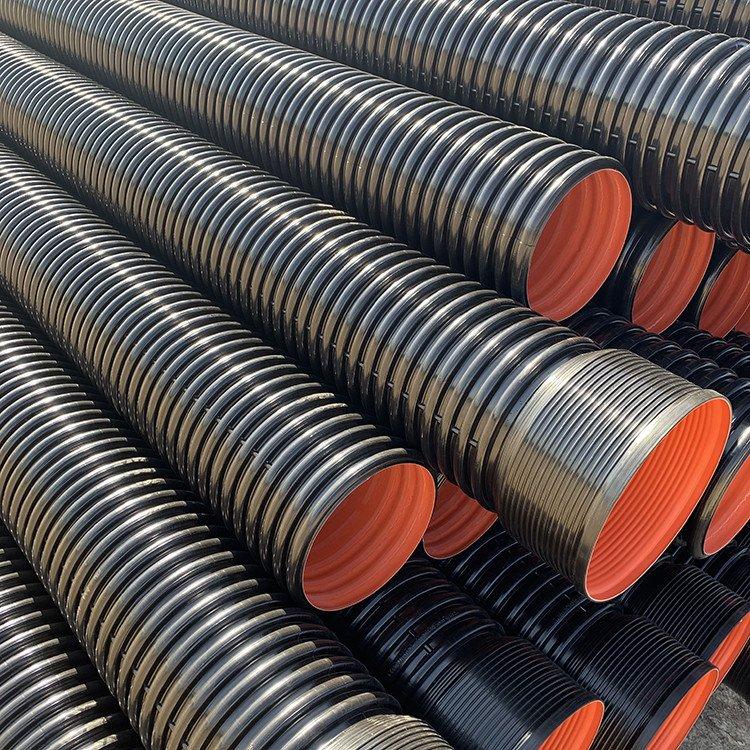
Performance & Engineering
The performance of HDPE conduit fittings is dictated by their ability to withstand mechanical stress, environmental factors, and maintain a secure connection with the conduit. Force analysis involves evaluating hoop stress due to internal pressure (from cable pulling) and axial stress during installation. The fitting's geometry and wall thickness are critical design parameters for optimizing stress distribution. Environmental resistance focuses on UV degradation, temperature fluctuations, and chemical exposure. HDPE is susceptible to UV degradation, leading to embrittlement and cracking, thus requiring the incorporation of UV stabilizers. Temperature affects the material's ductility and strength; extreme temperatures can lead to deformation or failure. Chemical resistance is generally excellent, but prolonged exposure to strong oxidizing agents should be avoided. Compliance requirements vary depending on the region and application. In North America, NEMA (National Electrical Manufacturers Association) standards govern the performance and safety of conduit fittings. In Europe, EN standards dictate the material properties, dimensional accuracy, and testing procedures. Functional implementation considerations include ensuring a watertight seal to prevent moisture ingress, providing adequate mechanical support for cables, and facilitating easy installation and maintenance. The long-term creep resistance of HDPE is an important factor to consider, especially in applications involving sustained mechanical loads.
Technical Specifications
| Nominal Size (inches) | Material | Operating Temperature (°C) | Tensile Strength (MPa) |
|---|---|---|---|
| 1/2" | HDPE (High-Density Polyethylene) | -40 to +85 | 20 |
| 3/4" | HDPE (High-Density Polyethylene) | -40 to +85 | 20 |
| 1" | HDPE (High-Density Polyethylene) | -40 to +85 | 20 |
| 1 1/4" | HDPE (High-Density Polyethylene) | -40 to +85 | 20 |
| 1 1/2" | HDPE (High-Density Polyethylene) | -40 to +85 | 20 |
| 2" | HDPE (High-Density Polyethylene) | -40 to +85 | 20 |
Failure Mode & Maintenance
HDPE conduit fittings, while robust, are susceptible to several failure modes. Fatigue cracking can occur due to repeated stress cycles, especially during cable pulling or thermal expansion/contraction. This typically initiates at stress concentration points, such as thread roots or corners. Environmental stress cracking (ESC) arises from the combined action of tensile stress and exposure to certain chemicals or detergents. UV degradation leads to embrittlement and surface cracking, weakening the fitting over time. Oxidation can occur at elevated temperatures, particularly in the presence of oxygen and catalysts. Delamination can occur in fittings manufactured with insufficient material bonding. Maintenance involves regular visual inspections for cracks, deformation, or discoloration. Fittings should be cleaned periodically to remove dirt and debris. For applications involving harsh chemicals, consider using fittings with enhanced chemical resistance. When replacing fittings, ensure compatibility with the existing conduit system. Proper installation techniques, including correct tightening torque and support spacing, are crucial for preventing premature failure. Regularly inspect for and address any signs of soil settlement that could induce stress on buried conduits and fittings.
Industry FAQ
Q: What is the impact of differing HDPE resin densities on the long-term performance of conduit fittings?
A: Higher density HDPE resins generally exhibit improved tensile strength, creep resistance, and chemical resistance. However, they can also be more brittle. The optimal density is a balance between these properties, tailored to the specific application and anticipated environmental conditions. Lower density resins offer greater ductility but are more susceptible to creep and environmental stress cracking. Consistently specifying and verifying resin density is critical for ensuring uniform performance across a project.
Q: How does temperature variation affect the sealing performance of threaded HDPE conduit fittings?
A: HDPE expands and contracts with temperature changes. This differential thermal expansion can compromise the integrity of threaded connections, potentially leading to leaks. Proper installation techniques, including the use of appropriate thread sealants and avoiding over-tightening, are essential. In environments with significant temperature fluctuations, consider using fittings with gasketed connections to accommodate thermal movement.
Q: What are the implications of using recycled HDPE in conduit fittings, and how does it impact material properties?
A: Using recycled HDPE can reduce costs and environmental impact. However, the properties of recycled HDPE can vary depending on the source and processing history. Recycled material may have lower tensile strength, increased susceptibility to degradation, and inconsistent melt flow characteristics. Careful quality control and blending with virgin resin are necessary to ensure that recycled HDPE fittings meet required performance standards.
Q: What specific testing methods are used to verify the UV resistance of HDPE conduit fittings?
A: Accelerated weathering tests, such as those described in ASTM G154, are commonly used to assess UV resistance. These tests expose fittings to controlled cycles of UV radiation, temperature, and humidity, simulating years of outdoor exposure. Measurements of tensile strength, elongation, and surface discoloration are used to evaluate the extent of degradation. Testing according to ISO 4892-2 is also prevalent.
Q: Can HDPE conduit fittings be used in direct burial applications, and what precautions should be taken?
A: Yes, HDPE conduit fittings can be used in direct burial applications. However, adequate backfill compaction and protection against sharp objects are crucial. The fitting should be rated for direct burial service and may require additional protection, such as concrete encasement, in areas with high mechanical stress. Consideration should also be given to the soil’s chemical composition to ensure compatibility with HDPE.
Conclusion
HDPE conduit fittings are a vital component in modern cable management systems, offering a compelling combination of durability, cost-effectiveness, and ease of installation. Their performance relies heavily on the careful selection of HDPE resin grades, precise manufacturing control, and adherence to relevant industry standards. Understanding the potential failure modes – including fatigue cracking, ESC, and UV degradation – is critical for ensuring long-term reliability.
Future advancements in HDPE conduit fitting technology will likely focus on enhancing UV resistance through novel stabilizer formulations, improving impact resistance through copolymer blends, and developing more sophisticated connection mechanisms to mitigate thermal stress. Continued refinement of manufacturing processes will also drive improvements in dimensional accuracy and consistency, minimizing installation challenges and maximizing system performance.
-
DN25 HDPE Compression Fitting-HORON INTERNATIONAL|Reliable Irrigation Solutions
NewsFeb.11,2026
-
hdpe coupling joint product Manufacturing Analysis
News2026-11-18
-
ppr pipe heating time products Performance Analysis
News2026-11-16
-
hdpe pipe sizes factory Performance Analysis
News2026-11-09
-
HDPE Pipe Sizes Service Performance Analysis
News2026-10-26
-
wholesale 15mm ppr pipe Material Science and Performance Analysis
News2026-10-20
-
wholesale pvc pipe price per foot Technical Analysis
News2026-09-21
-
wholesale long pvc pipe Technical Analysis and Manufacturing Specifications
News2026-09-15
-
wholesale plumbing kitchen sink water lines Material Performance
News2026-09-15
-
wholesale hdpe drip irrigation Material Science
News2026-09-15
-
wholesale hot water ppr pipe Performance Analysis
News2026-09-15
-
wholesale ppr plumbing Performance Analysis
News2026-09-15
-
wholesale ppr pipe supplier Performance Analysis
News2026-09-13
-
wholesale 50mm ppr pipe Performance Analysis
News2026-09-13
-
wholesale hdpe drip pipe Performance Analysis
News2026-09-13
-
wholesale hdpe pipe 63mm price Manufacturing Specification and Performance Analysis
News2026-09-13