

Feb . 11, 2026 00:01 Back to list
hdpe conduit fittings product Performance Analysis

Introduction
High-Density Polyethylene (HDPE) conduit fittings represent a critical component in modern infrastructure projects, primarily for protecting and routing electrical, communications, and optical fiber cabling. Positioned within the electrical and telecommunications industries’ supply chain, these fittings facilitate secure connections between conduit sections, providing a weatherproof and durable pathway for sensitive wiring. Their core performance characteristics revolve around impact resistance, corrosion resistance, and ease of installation, offering a significant advantage over traditional metallic conduit systems. The increasing demand for HDPE conduit fittings stems from a need for cost-effective, long-lasting solutions capable of withstanding harsh environmental conditions and stringent safety regulations, particularly in underground applications. A key industry pain point lies in ensuring long-term joint integrity to prevent water ingress and maintain cable signal quality. Further concerns focus on maintaining consistent dimensions for seamless interconnection and optimizing fitting designs for efficient pull-through of cabling.
Material Science & Manufacturing
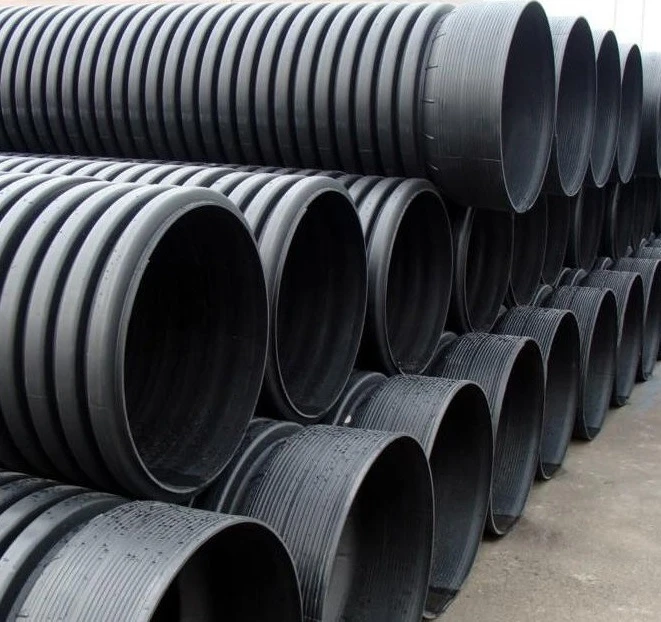
HDPE conduit fittings are predominantly manufactured from high-density polyethylene resin, characterized by a linear polymer structure that imparts high tensile strength and low permeability. The raw material’s density typically ranges from 0.941 to 0.965 g/cm³, influencing its mechanical properties. Additives, such as UV stabilizers, antioxidants, and color pigments, are incorporated to enhance durability and resistance to environmental degradation. The manufacturing process commonly employs injection molding. In this process, molten HDPE is injected under high pressure into a cooled mold cavity. Key parameters controlling the final product quality include melt temperature (typically 180-220°C), mold temperature (30-50°C), injection pressure (70-100 MPa), and cooling rate. Precise control of these parameters is crucial to minimize warpage, shrinkage, and internal stresses within the fitting. Extrusion is also utilized for larger diameter fittings, involving pushing molten HDPE through a die to create a continuous profile, which is then cut to length. Material compatibility is essential; HDPE exhibits excellent resistance to most chemicals but can be susceptible to degradation from prolonged exposure to strong oxidizing agents and certain solvents. Polyethylene’s crystalline structure contributes to its inherent impermeability, making it suitable for protecting sensitive cables from moisture and corrosive elements. Failure to adequately control cooling rates during molding can result in residual stresses leading to premature cracking.
Performance & Engineering
The performance of HDPE conduit fittings is dictated by several engineering considerations, primarily focused on mechanical strength, environmental resistance, and electrical insulation. Force analysis is critical, particularly concerning tensile and compressive loads during installation and operation. Fittings must withstand the stresses induced by cable pulling forces, soil pressure, and potential external impacts. Impact resistance is quantified by Izod notched impact strength, typically exceeding 50 J/m for common HDPE fitting materials. Environmental resistance encompasses UV exposure, temperature variations, and chemical exposure. HDPE exhibits good UV resistance when stabilized with carbon black, but prolonged exposure can still lead to surface degradation. Temperature fluctuations can cause expansion and contraction, requiring fittings to maintain a tight seal across a range of temperatures (-40°C to +85°C is typical). Compliance requirements are stringent, with fittings needing to meet standards such as UL 651 for conduit fittings and NEMA RN 1 for rigid metal conduit fittings (HDPE fittings often perform comparably or better). A critical aspect of functional implementation involves ensuring a watertight seal between the fitting and the conduit. This is commonly achieved using rubber gaskets or threaded connections with appropriate sealing compounds. The dielectric strength of HDPE is high, providing excellent electrical insulation for encased cables. A significant pain point in the industry is maintaining consistent dimensional tolerances to ensure proper interconnection and prevent cable damage during pulling.
Technical Specifications
| Parameter | Unit | Typical Value | Testing Standard |
|---|---|---|---|
| Material | - | High-Density Polyethylene (HDPE) | ASTM D3350 |
| Operating Temperature Range | °C | -40 to +85 | UL 778 |
| Impact Strength (Izod Notched) | J/m | >50 | ASTM D256 |
| Tensile Strength | MPa | >20 | ASTM D638 |
| Water Absorption | % | <0.5 | ASTM D570 |
| UV Resistance | Hours to 50% Degradation | >1000 | ASTM G154 |
Failure Mode & Maintenance
HDPE conduit fittings, while durable, are susceptible to several failure modes in practical applications. Fatigue cracking can occur under cyclical loading, particularly at stress concentration points such as threads or corners. This is exacerbated by improper installation techniques or exposure to excessive mechanical stress. Delamination, though less common, can occur in fittings manufactured with insufficient material bonding or improper molding parameters. Environmental degradation, primarily UV exposure and oxidation, can lead to embrittlement and loss of impact strength, especially in fittings lacking adequate UV stabilizers. Oxidation can also cause surface chalking and discoloration. Chemical attack from strong oxidizing agents or solvents can lead to swelling, cracking, or dissolution of the HDPE material. A common failure mechanism is joint failure due to inadequate sealing or corrosion of metallic components in coupled systems. Preventative maintenance involves regular visual inspections to identify cracks, discoloration, or signs of degradation. Proper installation techniques, including using appropriate tools and tightening torques, are crucial. For underground applications, ensuring adequate backfill compaction and avoiding sharp objects near the conduit is essential. If a fitting is damaged, it should be replaced entirely; attempting repairs can compromise the integrity of the system. Periodic testing of the conduit system’s continuity and insulation resistance can help detect potential problems before they escalate. Consideration should be given to using fittings with integrated grounding provisions to mitigate the risk of electrical hazards.
Industry FAQ
Q: What is the impact of ground movement on HDPE conduit fittings and how can this be mitigated?
A: Ground movement, such as settling or seismic activity, can induce significant stress on HDPE conduit systems. This can lead to cracking, joint separation, or deformation of the fittings. Mitigation strategies include using flexible conduit sections, providing adequate burial depth, ensuring proper backfill compaction, and employing fittings with enhanced flexibility and impact resistance. Geotechnical surveys are essential to assess soil conditions and potential for ground movement.
Q: How do different types of cable affect the pull-through force required and what fitting designs minimize this?
A: Cable type significantly impacts pull-through force; larger diameter cables and cables with high friction outer jackets require greater force. Fittings designed with smooth internal surfaces, gradual bends, and optimized entry angles minimize friction and reduce the required pull force. Using cable lubricants can also facilitate cable installation.
Q: What are the long-term effects of exposure to different soil chemistries on HDPE conduit fittings?
A: Soil chemistry can significantly affect the long-term performance of HDPE fittings. Highly acidic or alkaline soils, or soils with high concentrations of sulfates, can accelerate degradation. Fittings designed with enhanced chemical resistance (e.g., incorporating higher-grade HDPE or protective coatings) are recommended for such environments. Soil testing is crucial before installation.
Q: How do HDPE conduit fittings compare to metallic conduit fittings in terms of corrosion resistance and lifecycle cost?
A: HDPE conduit fittings offer superior corrosion resistance compared to metallic fittings, eliminating the need for costly corrosion protection measures. While the initial cost of HDPE fittings may be slightly higher, the significantly longer lifecycle and reduced maintenance requirements typically result in lower overall lifecycle costs. Metallic fittings require periodic painting or coating to prevent rust.
Q: What testing is performed to ensure the watertight integrity of HDPE conduit fittings after installation?
A: Watertight integrity is typically verified through hydrostatic pressure testing, where the conduit system is filled with water and pressurized to a specified level. Leak detection methods, such as visual inspection or the use of pressure sensors, are employed to identify any breaches in the system. Continuity testing of grounding conductors is also performed.
Conclusion
HDPE conduit fittings represent a robust and reliable solution for protecting and routing critical cabling infrastructure. Their inherent properties – including high impact resistance, corrosion resistance, and ease of installation – make them an increasingly preferred alternative to traditional metallic systems. Understanding the material science underpinning HDPE performance, coupled with precise manufacturing control and adherence to relevant industry standards, is paramount to ensuring long-term system integrity.
Future advancements will likely focus on developing fittings with even greater mechanical strength, enhanced UV resistance, and integrated smart features for remote monitoring and diagnostics. The trend towards sustainable infrastructure solutions will further drive the adoption of HDPE conduit systems, given the material's recyclability and long service life. Proper installation and preventative maintenance practices remain crucial for maximizing the benefits of HDPE conduit fittings and mitigating potential failure modes.
-
DN25 HDPE Compression Fitting-HORON INTERNATIONAL|Reliable Irrigation Solutions
NewsFeb.11,2026
-
hdpe coupling joint product Manufacturing Analysis
News2026-11-18
-
ppr pipe heating time products Performance Analysis
News2026-11-16
-
hdpe pipe sizes factory Performance Analysis
News2026-11-09
-
HDPE Pipe Sizes Service Performance Analysis
News2026-10-26
-
wholesale 15mm ppr pipe Material Science and Performance Analysis
News2026-10-20
-
wholesale pvc pipe price per foot Technical Analysis
News2026-09-21
-
wholesale long pvc pipe Technical Analysis and Manufacturing Specifications
News2026-09-15
-
wholesale plumbing kitchen sink water lines Material Performance
News2026-09-15
-
wholesale hdpe drip irrigation Material Science
News2026-09-15
-
wholesale hot water ppr pipe Performance Analysis
News2026-09-15
-
wholesale ppr plumbing Performance Analysis
News2026-09-15
-
wholesale ppr pipe supplier Performance Analysis
News2026-09-13
-
wholesale 50mm ppr pipe Performance Analysis
News2026-09-13
-
wholesale hdpe drip pipe Performance Analysis
News2026-09-13
-
wholesale hdpe pipe 63mm price Manufacturing Specification and Performance Analysis
News2026-09-13