

Feb . 11, 2026 00:01 Back to list
hdpe conduit fittings manufacturer Performance Analysis
Introduction
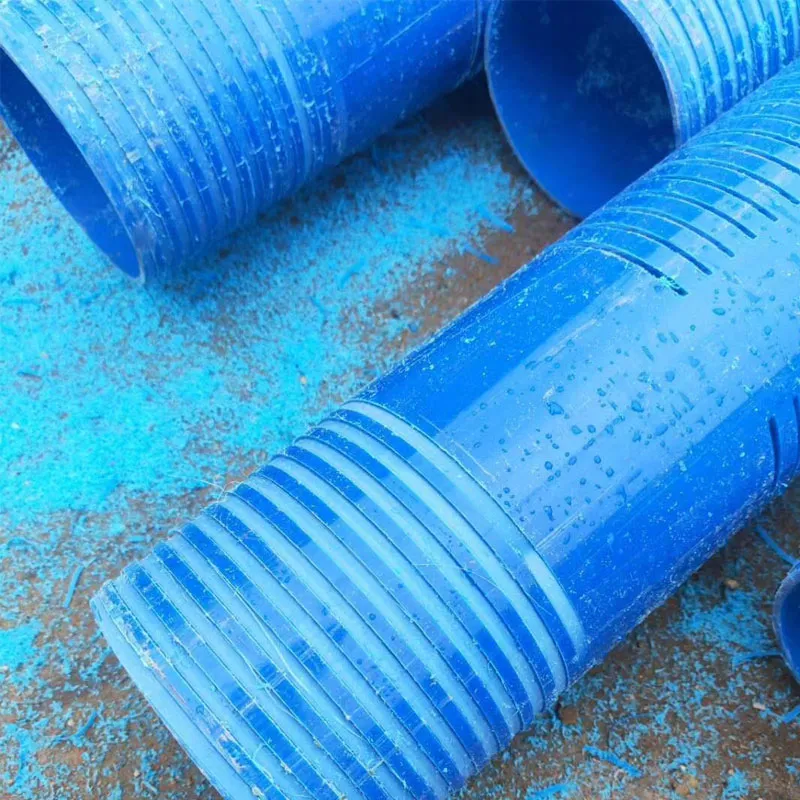
High-Density Polyethylene (HDPE) conduit fittings represent a critical component in modern infrastructure, facilitating the safe and organized routing of electrical, telecommunications, and fiber optic cables. Positioned within the broader electrical and communication systems supply chain, these fittings serve as the interface between straight conduit sections, enclosures, and equipment. Unlike metallic conduit systems, HDPE offers inherent corrosion resistance, lighter weight, and ease of installation, making it a preferred choice in numerous applications. Core performance characteristics of HDPE conduit fittings center around mechanical strength, watertight integrity (critical for underground installations), and resistance to environmental degradation. The industry faces increasing demands for fittings capable of handling higher cable densities and accommodating evolving cable technologies, while also adhering to stringent safety and environmental regulations. This guide provides an in-depth technical overview of HDPE conduit fittings, encompassing material science, manufacturing processes, performance parameters, failure modes, and relevant industry standards.
Material Science & Manufacturing
HDPE conduit fittings are primarily manufactured from high-density polyethylene resin, a thermoplastic polymer derived from the polymerization of ethylene. The raw material's density (typically between 0.941 and 0.965 g/cm³) directly influences its mechanical properties, specifically tensile strength and rigidity. Key material properties include a Shore hardness (D scale) ranging from 55 to 65, a flexural modulus between 400-600 MPa, and a relatively low coefficient of friction. The polyethylene resin often incorporates UV stabilizers (typically carbon black or hindered amine light stabilizers – HALS) to mitigate degradation from prolonged sun exposure. Manufacturing processes vary depending on the fitting type and size. Injection molding is the dominant method for producing smaller fittings (e.g., couplings, elbows, tees), offering high precision and repeatability. The process involves melting the HDPE resin and injecting it under high pressure into a closed mold cavity. Critical parameters include melt temperature (180-220°C), mold temperature (30-50°C), injection pressure (70-120 MPa), and cooling time. Larger diameter fittings (above 6 inches) are frequently produced via rotational molding. This process entails introducing HDPE powder into a mold and rotating it biaxially while heating, resulting in a uniform wall thickness. Extrusion is used for producing threaded fittings, where the HDPE is melted and forced through a die to create the desired profile. Post-processing operations include deburring, thread cutting (if applicable), and quality control inspections. Controlling the melt flow index (MFI) of the HDPE resin is crucial, as it directly impacts the fitting's processability and final mechanical performance. Proper venting of molds during injection molding is vital to prevent air entrapment and ensure complete filling.
Performance & Engineering
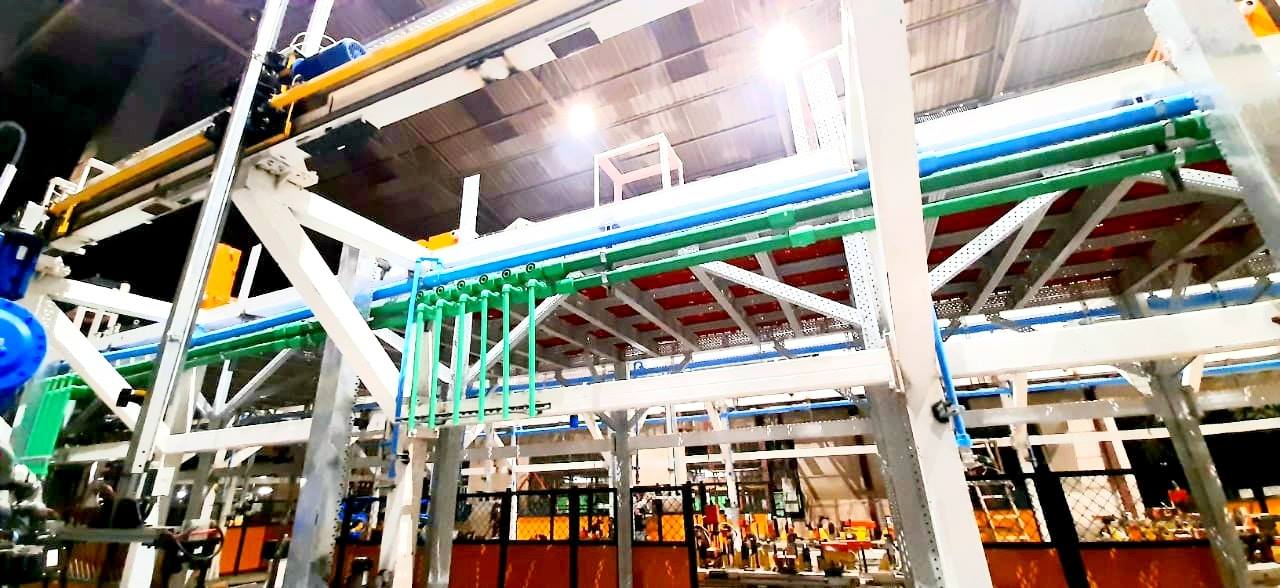
The performance of HDPE conduit fittings is dictated by several critical engineering considerations. Load-bearing capacity is paramount, particularly for underground installations subjected to soil loads and potential traffic. Fittings must withstand compressive forces without deformation or cracking. Finite element analysis (FEA) is routinely employed to model stress distribution under various loading conditions. Environmental resistance is another crucial factor. HDPE exhibits excellent resistance to most chemicals, but prolonged exposure to strong oxidizing agents can cause degradation. The fittings’ ability to maintain watertight integrity is essential, preventing water ingress that could compromise the enclosed cables. This is achieved through precision machining of sealing surfaces and the use of appropriate gaskets (typically EPDM rubber). The fittings must also exhibit dimensional stability across a wide temperature range (-40°C to +60°C). Coefficient of thermal expansion needs to be considered during installation to avoid stress on the conduit system. Compliance requirements vary depending on the application and geographical location. In North America, fittings must meet NEMA standards (National Electrical Manufacturers Association), including NEMA RN 1 for rigid nonmetallic conduit. European standards (EN 61386) govern conduit systems, while other regions may have their own specific regulations. The long-term creep resistance of HDPE is also an important design parameter, as the material can exhibit time-dependent deformation under sustained load. Proper selection of HDPE grade and fitting geometry is crucial to minimize creep effects. Understanding the impact of UV exposure is vital, particularly for above-ground installations. UV stabilizers added to the HDPE resin help mitigate degradation, but periodic inspections and potential coatings may be necessary for prolonged service life.
Technical Specifications
| Parameter | Units | Typical Value (1-inch Fitting) | Test Standard |
|---|---|---|---|
| Tensile Strength | MPa | 20-30 | ASTM D638 |
| Flexural Modulus | GPa | 0.4-0.6 | ASTM D790 |
| Impact Strength (Izod Notched) | J/m | 200-300 | ASTM D256 |
| Water Absorption | % (24 hrs) | <0.1 | ASTM D570 |
| Operating Temperature Range | °C | -40 to +60 | ASTM D790 |
| Coefficient of Linear Thermal Expansion | mm/m°C | 0.15-0.20 | ASTM E228 |
Failure Mode & Maintenance
HDPE conduit fittings, while durable, are susceptible to specific failure modes. Environmental Stress Cracking (ESC) is a prevalent issue, particularly in the presence of detergents, soaps, or certain solvents. ESC manifests as brittle cracking, often originating at stress concentrators (e.g., threads, sharp corners). UV degradation, even with stabilizers, can lead to surface chalking, discoloration, and a gradual reduction in mechanical properties. Fatigue cracking can occur in fittings subjected to repeated mechanical stress, such as vibration or thermal cycling. Delamination may occur in rotational molded fittings if the HDPE powder is not adequately compacted during the molding process. Oxidation, although less common, can occur at elevated temperatures, leading to crosslinking and embrittlement. Maintenance primarily focuses on preventative measures. Regular visual inspections are crucial to identify early signs of degradation, such as cracking, discoloration, or deformation. Cleaning the fittings with mild soap and water can remove contaminants that could contribute to ESC. Avoiding exposure to harsh chemicals is essential. For above-ground installations, periodic application of UV protective coatings can extend service life. If a fitting exhibits significant cracking or deformation, it should be replaced immediately. Proper installation techniques, including avoiding over-tightening of threaded fittings and providing adequate support for the conduit system, are critical to preventing premature failure. Records of fitting material, installation date, and inspection findings should be maintained for traceability.
Industry FAQ
Q: What is the primary advantage of using HDPE conduit fittings over metallic alternatives in corrosive environments?
A: HDPE’s inherent chemical inertness provides exceptional corrosion resistance compared to metallic conduits like galvanized steel or aluminum. Metallic conduits require protective coatings that can degrade over time, leading to corrosion. HDPE eliminates this issue, reducing long-term maintenance costs and ensuring system integrity in harsh environments (e.g., saltwater exposure, industrial plants).
Q: How does temperature affect the load-bearing capacity of HDPE conduit fittings?
A: Elevated temperatures reduce the stiffness and tensile strength of HDPE. While HDPE retains usable strength at operating temperatures, exceeding the recommended maximum (60°C) significantly decreases load-bearing capacity and increases the risk of creep deformation. Conversely, low temperatures can increase brittleness, making the fitting more susceptible to impact damage.
Q: What are the key considerations when selecting an HDPE fitting for direct burial applications?
A: For direct burial, choose fittings specifically rated for underground use, which will incorporate features like watertight seals and robust mechanical strength. Soil conditions (e.g., corrosivity, rock content) need consideration. Fittings should be selected to withstand expected soil loads and external pressures. Compliance with local regulations for direct burial conduit systems is also essential.
Q: What is the role of UV stabilizers in HDPE conduit fittings, and how long is their effective lifespan?
A: UV stabilizers (typically carbon black or HALS) protect the HDPE from degradation caused by ultraviolet radiation, preventing embrittlement and discoloration. The effective lifespan of UV stabilizers varies depending on the concentration, exposure intensity, and geographical location. Typically, they provide protection for 10-20 years, but periodic inspections and reapplication of UV protective coatings may be necessary for prolonged service.
Q: What impact does improper installation, such as over-tightening threaded fittings, have on the long-term performance of HDPE conduit?
A: Over-tightening threaded fittings can create excessive stress concentrations, leading to cracking and premature failure, particularly under cyclical loading or temperature fluctuations. This is exacerbated by the relatively low elastic modulus of HDPE compared to metal. Correct torque specifications, utilizing a calibrated torque wrench, must be strictly adhered to during installation to avoid damaging the fitting and compromising its integrity.
Conclusion
HDPE conduit fittings represent a robust and reliable solution for cable management across a wide spectrum of industries. Their inherent corrosion resistance, lightweight nature, and ease of installation offer significant advantages over traditional metallic conduits. Understanding the material science underpinning HDPE performance, coupled with adherence to proper manufacturing and installation practices, is critical for ensuring long-term system integrity.
Future trends in HDPE conduit fitting technology will likely focus on developing higher-performance materials with enhanced UV resistance and improved mechanical properties. Increased emphasis on sustainability will drive the use of recycled HDPE resins and environmentally friendly manufacturing processes. Continued refinement of design standards and testing methodologies will further enhance the reliability and safety of these critical infrastructure components.
-
DN25 HDPE Compression Fitting-HORON INTERNATIONAL|Reliable Irrigation Solutions
NewsFeb.11,2026
-
hdpe coupling joint product Manufacturing Analysis
News2026-11-18
-
ppr pipe heating time products Performance Analysis
News2026-11-16
-
hdpe pipe sizes factory Performance Analysis
News2026-11-09
-
HDPE Pipe Sizes Service Performance Analysis
News2026-10-26
-
wholesale 15mm ppr pipe Material Science and Performance Analysis
News2026-10-20
-
wholesale pvc pipe price per foot Technical Analysis
News2026-09-21
-
wholesale long pvc pipe Technical Analysis and Manufacturing Specifications
News2026-09-15
-
wholesale plumbing kitchen sink water lines Material Performance
News2026-09-15
-
wholesale hdpe drip irrigation Material Science
News2026-09-15
-
wholesale hot water ppr pipe Performance Analysis
News2026-09-15
-
wholesale ppr plumbing Performance Analysis
News2026-09-15
-
wholesale ppr pipe supplier Performance Analysis
News2026-09-13
-
wholesale 50mm ppr pipe Performance Analysis
News2026-09-13
-
wholesale hdpe drip pipe Performance Analysis
News2026-09-13
-
wholesale hdpe pipe 63mm price Manufacturing Specification and Performance Analysis
News2026-09-13