

Feb . 11, 2026 00:01 Back to list
gray pvc pipe product Material Performance
Introduction
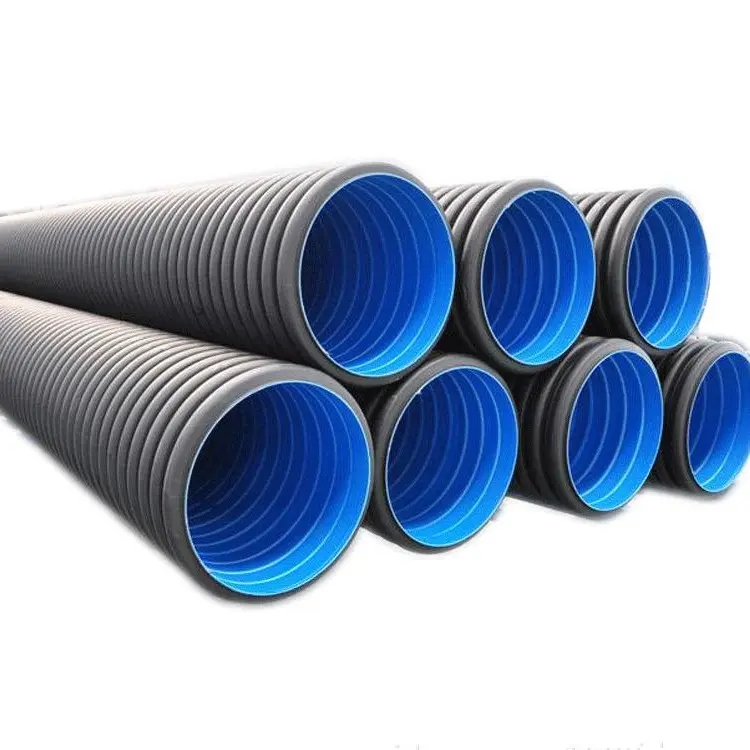
Polyvinyl Chloride (PVC) pipe, particularly in gray coloration, is a ubiquitous material in modern infrastructure. Its primary function is fluid conveyance – water, wastewater, chemicals, and irrigation fluids – but its applications extend to electrical conduit and protective casing. Gray PVC pipe differentiates itself from white PVC primarily through the addition of UV inhibitors and, often, recycled PVC content, resulting in a reduced cost and suitability for underground applications where aesthetic appearance is secondary. This technical guide details the material science, manufacturing processes, performance characteristics, potential failure modes, and relevant standards governing gray PVC pipe, addressing the core needs of procurement and engineering professionals in construction, utilities, and industrial sectors. A key industry pain point is ensuring long-term durability and resistance to environmental factors, specifically soil chemistry and temperature fluctuations. Furthermore, understanding the limitations of PVC in specific chemical environments is crucial for preventing catastrophic failures and costly remediation.
Material Science & Manufacturing
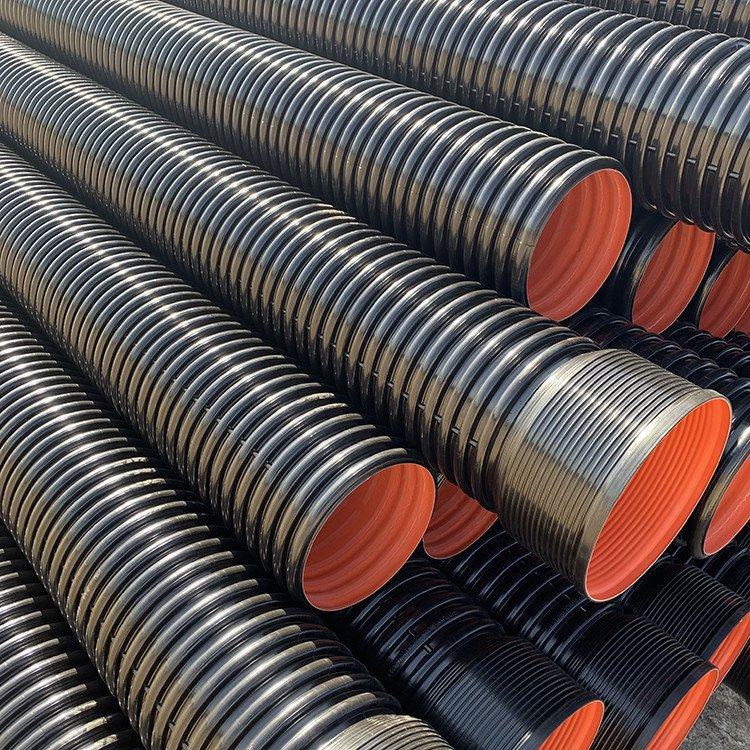
Gray PVC pipe is manufactured from a thermoplastic polymer, Polyvinyl Chloride, compounded with various additives to achieve desired properties. The base PVC resin is derived from vinyl chloride monomer (VCM) through polymerization. Gray color is achieved by incorporating carbon black, which acts as a UV stabilizer protecting the polymer from degradation due to sunlight exposure. Other common additives include impact modifiers (typically acrylic or chlorinated polyethylene) to enhance toughness, heat stabilizers (often metal-based, like calcium-zinc or lead-based - though lead is increasingly restricted due to environmental concerns) to prevent thermal degradation during processing, and lubricants to aid in extrusion. The manufacturing process commonly employs extrusion. PVC compound is fed into a heated extruder, where it is melted and forced through a die to form the pipe shape. Precise control of extruder temperature profiles (typically ranging from 160°C to 210°C), screw speed, and die pressure is critical to ensure consistent wall thickness, diameter, and surface finish. Subsequent cooling (often water-based) solidifies the pipe, followed by cutting to the required length. Quality control includes hydrostatic pressure testing to verify burst strength, dimensional checks, and visual inspection for defects. The ratio of PVC to additives directly impacts the final product properties, requiring strict adherence to compound formulations. Recycled PVC content, while reducing cost, must be carefully controlled to maintain consistent material performance and avoid introducing contaminants.
Performance & Engineering
The performance of gray PVC pipe is defined by its mechanical strength, chemical resistance, and long-term durability. Its tensile strength typically ranges from 55-70 MPa, and its flexural modulus ranges from 3-4 GPa, depending on the compound formulation and schedule (wall thickness). The primary engineering consideration is pressure containment. Pipe schedules (Schedule 40, Schedule 80, etc.) dictate the wall thickness and corresponding pressure-bearing capacity. Force analysis involves calculating hoop stress and longitudinal stress under internal pressure, accounting for safety factors outlined in industry standards. Environmental resistance is paramount. PVC exhibits good resistance to acids, bases, and salts, but is susceptible to attack by certain organic solvents and chlorinated hydrocarbons. Long-term performance is affected by creep (time-dependent deformation under sustained load) and environmental stress cracking. Temperature plays a significant role; elevated temperatures reduce strength and accelerate degradation. Compliance requirements often necessitate adherence to specific burial depths, backfill materials, and jointing methods to prevent stress concentrations and ensure long-term stability. The coefficient of thermal expansion for PVC is relatively high (approximately 8 x 10^-5 /°C), requiring expansion joints or flexible couplings in long runs to accommodate temperature fluctuations and prevent buckling.
Technical Specifications
| Parameter | Schedule 40 (in) | Schedule 80 (in) | ASTM D1785 Dimensions (Nominal Diameter) |
|---|---|---|---|
| Outside Diameter (in) | 1.900 | 2.375 | 0.5" to 12" |
| Wall Thickness (in) | 0.065 | 0.110 | Variable based on Schedule |
| Pressure Rating @ 73°F (psi) | 200 | 350 | Dependent on Diameter & Schedule |
| Tensile Strength (MPa) | 62-67 | 65-70 | 55-70 (Typical Range) |
| Flexural Modulus (GPa) | 3.2-3.6 | 3.4-3.8 | 3-4 (Typical Range) |
| Operating Temperature Range (°F) | -40 to 140 | -40 to 140 | -40 to 140 (with derating above 73°F) |
Failure Mode & Maintenance
Gray PVC pipe can fail through several mechanisms. Environmental stress cracking (ESC) occurs when the pipe is subjected to sustained tensile stress in the presence of certain chemicals (e.g., chlorinated solvents, some adhesives). This leads to brittle fracture. UV degradation, despite the carbon black additives, can occur over prolonged exposure, causing surface chalking and embrittlement. Fatigue cracking can develop at joints or stress concentration points due to repeated pressure cycles or ground movement. Soil corrosion, particularly in aggressive soil environments with high sulfate content or acidic conditions, can lead to chemical attack and degradation of the PVC. Impact damage from excavation equipment or heavy loads can cause cracking or complete rupture. Maintenance involves regular visual inspections for cracks, leaks, or signs of degradation. Proper jointing techniques (solvent welding, gasketed joints) are crucial to prevent leakage. Backfilling with appropriate materials (sand or gravel) and avoiding sharp objects around the pipe are essential to prevent mechanical damage. In areas with aggressive soil conditions, protective coatings or cathodic protection may be necessary to extend the pipe’s lifespan. If ESC is suspected, identify and eliminate the offending chemical. For minor cracks, repair kits are available, but replacement is often the preferred solution for significant damage.
Industry FAQ
Q: What is the impact of soil pH on the long-term performance of gray PVC pipe?
A: Extreme soil pH levels (highly acidic or alkaline) can accelerate PVC degradation. Acidic soils can cause hydrolysis of the polymer chain, while alkaline soils can promote depolymerization. While PVC exhibits reasonable resistance, prolonged exposure to pH levels outside the range of 6.0 to 8.0 can significantly reduce its lifespan. Soil testing and potentially the use of protective coatings or alternative pipe materials are recommended in such environments.
Q: How does temperature affect the pressure rating of gray PVC pipe?
A: As temperature increases, the strength of PVC decreases, leading to a reduction in its pressure-bearing capacity. Pressure ratings published by manufacturers are typically based on 73°F (23°C). Derating factors must be applied when operating at higher temperatures. These factors are usually provided by the manufacturer in their technical documentation. Ignoring temperature derating can lead to catastrophic failure.
Q: What are the key considerations when solvent welding gray PVC pipe?
A: Proper surface preparation, solvent application, and curing time are crucial for a strong, leak-proof joint. Surfaces must be clean, dry, and free of contaminants. The correct solvent cement and primer must be used, compatible with the PVC compound. Adequate ventilation is essential during application due to solvent fumes. Sufficient curing time (typically 24 hours) must be allowed before pressurizing the system.
Q: What is the difference between Schedule 40 and Schedule 80 PVC pipe, and when would you choose one over the other?
A: Schedule 40 pipe has thinner walls and a lower pressure rating, making it suitable for lower-pressure applications like irrigation and drainage. Schedule 80 pipe has thicker walls and a higher pressure rating, making it ideal for high-pressure applications, such as industrial fluid transfer and potable water distribution. The selection depends on the operating pressure, fluid temperature, and safety factors required by the application.
Q: Can gray PVC pipe be used for compressed air lines?
A: While PVC can handle some pneumatic pressure, it is generally not recommended for compressed air lines, especially at higher pressures. PVC is susceptible to brittle fracture under impact and can become brittle over time with exposure to oil and moisture often present in compressed air systems. Materials like polyethylene or nylon are better suited for compressed air applications.
Conclusion
Gray PVC pipe remains a cost-effective and versatile material for a broad range of fluid conveyance applications. However, its long-term performance is contingent on careful consideration of material properties, manufacturing quality, environmental factors, and proper installation practices. Understanding the potential failure modes—environmental stress cracking, UV degradation, and chemical attack—is vital for ensuring the longevity and reliability of PVC piping systems.
Future developments in PVC compounding, including the incorporation of advanced stabilizers and impact modifiers, will likely enhance its durability and expand its application range. Furthermore, increased emphasis on sustainable materials will drive the use of recycled PVC content, but careful quality control is paramount to maintain consistent performance. Adherence to relevant industry standards and best practices remains the cornerstone of successful PVC pipe implementation.
-
DN25 HDPE Compression Fitting-HORON INTERNATIONAL|Reliable Irrigation Solutions
NewsFeb.11,2026
-
hdpe coupling joint product Manufacturing Analysis
News2026-11-18
-
ppr pipe heating time products Performance Analysis
News2026-11-16
-
hdpe pipe sizes factory Performance Analysis
News2026-11-09
-
HDPE Pipe Sizes Service Performance Analysis
News2026-10-26
-
wholesale 15mm ppr pipe Material Science and Performance Analysis
News2026-10-20
-
wholesale pvc pipe price per foot Technical Analysis
News2026-09-21
-
wholesale long pvc pipe Technical Analysis and Manufacturing Specifications
News2026-09-15
-
wholesale plumbing kitchen sink water lines Material Performance
News2026-09-15
-
wholesale hdpe drip irrigation Material Science
News2026-09-15
-
wholesale hot water ppr pipe Performance Analysis
News2026-09-15
-
wholesale ppr plumbing Performance Analysis
News2026-09-15
-
wholesale ppr pipe supplier Performance Analysis
News2026-09-13
-
wholesale 50mm ppr pipe Performance Analysis
News2026-09-13
-
wholesale hdpe drip pipe Performance Analysis
News2026-09-13
-
wholesale hdpe pipe 63mm price Manufacturing Specification and Performance Analysis
News2026-09-13