

Feb . 11, 2026 00:01 Back to list
gray pvc pipe factory Performance Analysis
Introduction
Polyvinyl Chloride (PVC) pipe, specifically gray PVC, constitutes a significant segment of the thermoplastic pipe market utilized extensively in non-pressure applications such as gravity-fed drainage, wastewater, and irrigation systems. Gray PVC distinguishes itself from white PVC primarily through the addition of UV stabilizers, rendering it more suitable for above-ground applications exposed to prolonged sunlight. This technical guide provides an in-depth analysis of gray PVC pipe, encompassing its material science, manufacturing processes, performance characteristics, potential failure modes, and relevant industry standards. The selection of gray PVC relies heavily on understanding its limitations concerning temperature, pressure, and chemical resistance, particularly when compared to alternative piping materials like High-Density Polyethylene (HDPE) or Polypropylene (PP). Its cost-effectiveness and ease of installation, however, continue to drive its widespread adoption, particularly in residential and commercial construction. This guide serves as a resource for engineers, procurement managers, and installers involved in the specification, implementation, and maintenance of gray PVC piping systems.
Material Science & Manufacturing
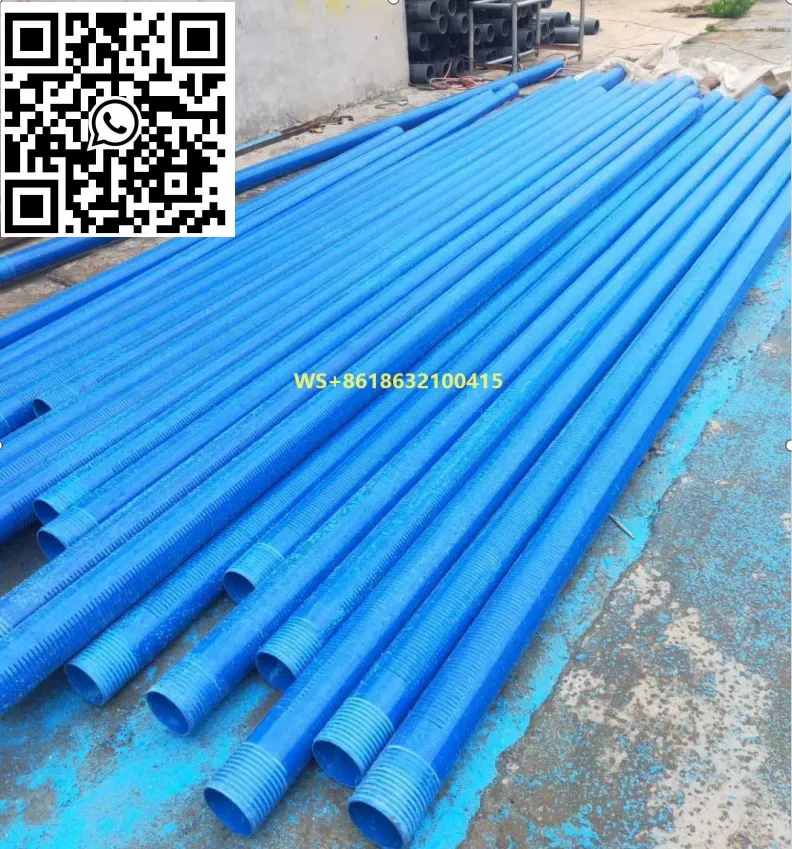
Gray PVC pipe is primarily composed of Polyvinyl Chloride resin, a thermoplastic polymer produced by the polymerization of vinyl chloride monomer (VCM). The addition of plasticizers, stabilizers (including UV stabilizers providing the gray coloration), lubricants, and processing aids modifies the base resin's properties to achieve desired flexibility, impact resistance, and processing characteristics. The PVC resin itself possesses inherent rigidity, making plasticizers such as phthalates or adipates crucial for achieving the required ductility for pipe applications. Stabilizers, commonly based on organotin compounds or calcium-zinc formulations, prevent thermal degradation during processing and extend the service life of the pipe by inhibiting chain scission. The gray color originates from the incorporation of titanium dioxide (TiO2) and carbon black; TiO2 provides UV resistance, while carbon black enhances opacity and further improves UV protection. Manufacturing typically employs extrusion processes. PVC compound is fed into a single-screw or twin-screw extruder where it’s heated, melted, and homogenized. The molten PVC is then forced through a die of the desired pipe dimensions. Key parameters controlling the process include die temperature, screw speed, and haul-off speed, all directly impacting pipe wall thickness uniformity, dimensional accuracy, and surface finish. Cooling baths, often utilizing water, are employed to solidify the extruded pipe. Post-extrusion processes may include bell-ending (forming the socket for joining) and quality control inspections, involving dimensional measurements, hydrostatic pressure testing, and visual defect assessment.
Performance & Engineering
The performance of gray PVC pipe is governed by several engineering considerations. Its mechanical properties, particularly tensile strength and elongation at break, dictate its ability to withstand handling stresses during installation and operational loads. The modulus of elasticity determines the pipe’s stiffness and resistance to deformation under external pressure, critical for buried applications subject to soil loads and traffic. Chemical resistance is paramount; PVC exhibits good resistance to acids, bases, and salts, but is susceptible to degradation by chlorinated hydrocarbons, ketones, and aromatic compounds. Long-term hydrostatic strength, tested under sustained pressure and elevated temperatures, determines the pipe’s service life and reliability. A key engineering concern is creep – the time-dependent deformation under constant stress – which can lead to dimensional changes and potential joint failures. Environmental resistance also includes UV degradation, despite the presence of UV stabilizers. Prolonged exposure can lead to surface chalking, discoloration, and ultimately, a reduction in mechanical properties. Joint performance, typically achieved through solvent cementing, relies on proper surface preparation, adhesive compatibility, and curing time. Incorrectly cemented joints represent a common point of failure. Compliance with relevant standards, such as ASTM D1785 (for PVC pipe) and ASTM D2466 (for PVC fittings), is essential to ensure the pipe meets minimum performance requirements for its intended application. Thermal expansion and contraction, though less pronounced than with metallic pipes, must also be accounted for in system design, particularly in long runs.
Technical Specifications
| Parameter | Unit | Typical Value (Schedule 40) | Testing Standard |
|---|---|---|---|
| Tensile Strength | MPa | 55 - 70 | ASTM D638 |
| Elongation at Break | % | 20 - 30 | ASTM D638 |
| Flexural Modulus | GPa | 3.0 - 3.5 | ASTM D790 |
| Impact Strength (Izod Notched) | J/m | 400 - 600 | ASTM D256 |
| Hydrostatic Design Stress | MPa | 8.27 (varies with size & temp) | ASTM D1785 |
| Water Absorption (24hr) | % | <0.1 | ASTM D570 |
Failure Mode & Maintenance
Gray PVC pipe is susceptible to several failure modes. Environmental Stress Cracking (ESC) is a primary concern, initiated by the combined action of tensile stress, aggressive chemicals, and temperature. ESC manifests as brittle cracking, often originating at stress concentrators like fittings or joints. UV degradation, even with stabilizers, leads to surface embrittlement and loss of impact resistance over extended outdoor exposure. Solvent Weld Joint Failure is common due to improper surface preparation (dirt, grease), inadequate solvent cement application, or insufficient curing time. This results in leaks and potential system collapse. Mechanical Damage during installation or operation (e.g., punctures from excavation equipment) can compromise pipe integrity. Hydrostatic Failure occurs when internal pressure exceeds the pipe’s design limits, leading to catastrophic rupture. Creep is a long-term issue, manifesting as gradual deformation and eventual joint separation. Maintenance involves regular visual inspections for cracks, discoloration, and leaks. Proper solvent cementing techniques are crucial during installation, adhering strictly to manufacturer’s instructions. Protecting exposed pipe from direct sunlight through painting or shielding can extend its service life. Avoiding contact with incompatible chemicals and ensuring adequate bedding and backfill support for buried pipes are also vital. Hydrostatic testing should be conducted periodically, especially for critical applications, to verify system integrity. Damaged sections should be replaced using compatible PVC components and proper joining methods.
Industry FAQ
Q: What is the expected service life of gray PVC pipe in a typical underground drainage application?
A: The expected service life is typically 50-100 years, provided the pipe is properly installed, protected from mechanical damage, and not exposed to incompatible chemicals. However, soil conditions, temperature fluctuations, and load factors significantly influence longevity.
Q: Can gray PVC pipe be used for potable water applications?
A: While some formulations of PVC are certified for potable water, standard gray PVC pipe primarily designed for drainage is not typically certified for this purpose. NSF/ANSI Standard 61 certification is required for potable water applications.
Q: What is the impact of temperature on the performance of gray PVC pipe?
A: Elevated temperatures reduce the pipe’s strength and increase its susceptibility to creep. Operating temperatures should remain within the manufacturer’s specified limits, typically below 60°C (140°F). Low temperatures can increase brittleness, particularly during impact.
Q: What type of solvent cement is recommended for joining gray PVC pipe?
A: A solvent cement specifically formulated for PVC is essential. The cement should be compatible with the pipe and fitting materials. Follow the manufacturer's recommendations for application temperature, dwell time, and curing time. Primers are often used in conjunction with solvent cement to enhance bonding.
Q: How does gray PVC pipe compare to HDPE pipe in terms of chemical resistance?
A: HDPE generally exhibits superior chemical resistance to a broader range of chemicals than gray PVC. PVC is susceptible to degradation by chlorinated solvents and ketones, whereas HDPE is largely unaffected. For applications involving aggressive chemicals, HDPE is often the preferred material.
Conclusion
Gray PVC pipe remains a cost-effective and versatile solution for numerous non-pressure piping applications. Its strength lies in its ease of installation, good chemical resistance to common wastewater components, and relatively long service life when properly installed and maintained. However, its limitations regarding temperature sensitivity, susceptibility to ESC, and potential UV degradation must be carefully considered during system design and material selection. Understanding the nuances of PVC material science, manufacturing processes, and potential failure modes is crucial for maximizing system performance and reliability.
Future advancements in PVC formulations, including the development of more robust UV stabilizers and improved impact modifiers, may further extend the service life and broaden the application scope of gray PVC pipe. Continued research into alternative plasticizers and stabilizers that minimize environmental impact will also be essential for sustainable growth within the industry. Ultimately, informed material selection, adherence to industry standards, and diligent maintenance practices will remain paramount for ensuring the long-term success of gray PVC piping systems.
-
DN25 HDPE Compression Fitting-HORON INTERNATIONAL|Reliable Irrigation Solutions
NewsFeb.11,2026
-
hdpe coupling joint product Manufacturing Analysis
News2026-11-18
-
ppr pipe heating time products Performance Analysis
News2026-11-16
-
hdpe pipe sizes factory Performance Analysis
News2026-11-09
-
HDPE Pipe Sizes Service Performance Analysis
News2026-10-26
-
wholesale 15mm ppr pipe Material Science and Performance Analysis
News2026-10-20
-
wholesale pvc pipe price per foot Technical Analysis
News2026-09-21
-
wholesale long pvc pipe Technical Analysis and Manufacturing Specifications
News2026-09-15
-
wholesale plumbing kitchen sink water lines Material Performance
News2026-09-15
-
wholesale hdpe drip irrigation Material Science
News2026-09-15
-
wholesale hot water ppr pipe Performance Analysis
News2026-09-15
-
wholesale ppr plumbing Performance Analysis
News2026-09-15
-
wholesale ppr pipe supplier Performance Analysis
News2026-09-13
-
wholesale 50mm ppr pipe Performance Analysis
News2026-09-13
-
wholesale hdpe drip pipe Performance Analysis
News2026-09-13
-
wholesale hdpe pipe 63mm price Manufacturing Specification and Performance Analysis
News2026-09-13