

Feb . 11, 2026 00:01 Back to list
dual wall corrugated pipe products Performance Analysis
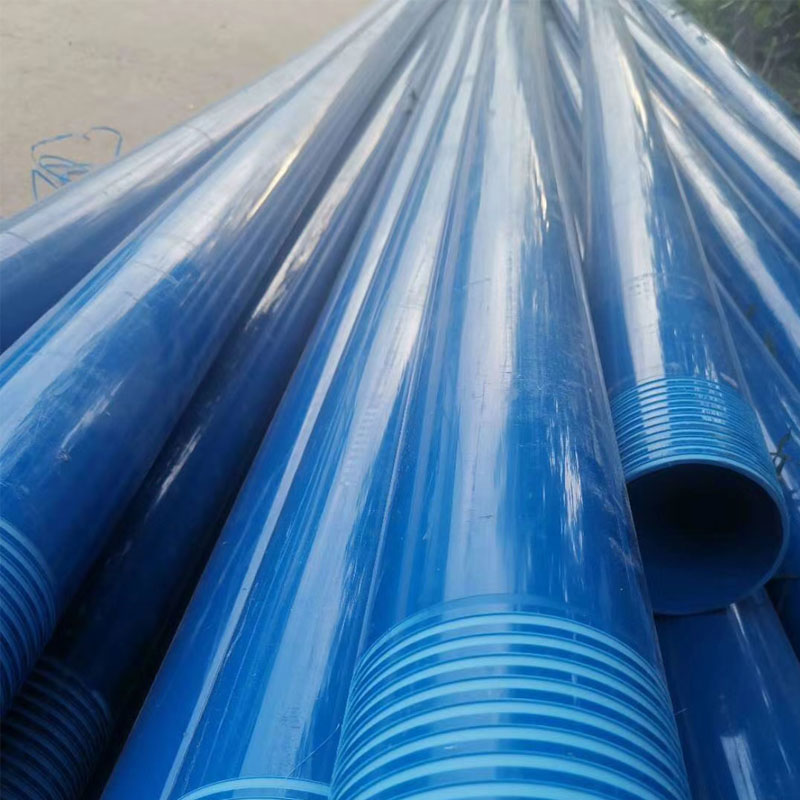
Introduction
Dual wall corrugated pipe is a robust conduit system utilized extensively in infrastructure projects for subsurface fluid conveyance, cable protection, and drainage. Positioned within the broader piping industry, it represents an advancement over single-wall corrugated HDPE pipe, offering superior structural performance and durability. This guide details the material science, manufacturing processes, performance characteristics, potential failure modes, and maintenance strategies pertinent to this critical component of modern infrastructure. Core performance attributes center around high compressive strength, flexibility for installation in challenging terrain, and long-term resistance to environmental degradation and corrosion. Its primary application areas include stormwater management, sanitary sewer systems, culverts, and protective housing for electrical and communication cabling. Addressing the industry's pain points – namely, long-term durability in aggressive soil environments and maintaining structural integrity under heavy loads – is central to understanding the value proposition of dual wall corrugated pipe.
Material Science & Manufacturing
The composition of dual wall corrugated pipe typically involves two distinct layers: an inner layer and an outer layer, both commonly constructed from High-Density Polyethylene (HDPE). HDPE is selected for its excellent chemical resistance, high tensile strength, and relative cost-effectiveness. The inner layer often utilizes a virgin HDPE resin to ensure purity and compatibility with conveyed fluids. The outer layer frequently incorporates recycled HDPE, contributing to sustainability without significantly compromising structural performance. The corrugated profile is created through a continuous extrusion process. HDPE resin is heated and forced through a rotating die, forming the desired corrugation pattern. This process imparts significant hoop strength to the pipe, enabling it to withstand external loads. Critical parameters during extrusion include melt temperature (typically 180-220°C), die speed, and cooling rate. Precise control of these variables is essential to maintain consistent wall thickness and corrugation geometry. Following extrusion, the pipe undergoes a calendering process, where the outer layer is applied. This is typically achieved through co-extrusion, simultaneously extruding both the inner corrugated layer and the smooth outer layer. The bonding between the layers is critical and depends on the compatibility of the HDPE grades and the precise control of temperature and pressure during calendering. The molecular weight distribution of the HDPE resin also impacts the pipe’s long-term creep resistance and overall durability. Rigorous quality control measures, including dimensional checks, hydrostatic pressure testing, and impact resistance testing, are implemented throughout the manufacturing process.

Performance & Engineering
The performance of dual wall corrugated pipe is primarily governed by its ability to withstand external loads, maintain structural integrity under varying environmental conditions, and resist long-term creep deformation. Force analysis involves evaluating the pipe’s response to various loading scenarios, including vertical loads from soil overburden and traffic, horizontal loads from lateral earth pressure, and impact loads from construction equipment. The corrugated profile significantly enhances the pipe’s ring stiffness, which is a measure of its resistance to flattening under external pressure. Environmental resistance is crucial, particularly in aggressive soil environments. HDPE is inherently resistant to many chemicals, but prolonged exposure to certain solvents or acids can lead to degradation. UV exposure can also cause embrittlement, necessitating the inclusion of UV stabilizers in the HDPE formulation. Compliance requirements vary depending on the application and geographical location. For stormwater management applications, adherence to local drainage regulations is paramount. For transportation infrastructure, compliance with AASHTO standards (American Association of State Highway and Transportation Officials) is often required. The pipe’s hydraulic performance, characterized by its flow capacity and friction losses, is also a critical engineering consideration. Proper installation techniques, including adequate bedding and backfill compaction, are essential to ensure optimal performance and prevent premature failure. Finite element analysis (FEA) is frequently employed to model the pipe’s behavior under complex loading conditions and optimize its design.
Technical Specifications
| Parameter | Units | Typical Value (12" Diameter) | Test Standard |
|---|---|---|---|
| Diameter | inches | 12 | ASTM F477 |
| Pipe Stiffness | psi | 50 | ASTM F477 |
| Tensile Strength | psi | 4,000 | ASTM D638 |
| Impact Resistance (23°C) | ft-lbs | 10 | ASTM F477 |
| Hydrostatic Design Stress | psi | 2,500 | ASTM F477 |
| Minimum Cover Requirement | feet | 3 | Manufacturer’s Specification |
Failure Mode & Maintenance
Dual wall corrugated pipe, while durable, is susceptible to several failure modes in practical applications. Fatigue cracking can occur under sustained cyclic loading, particularly in areas of stress concentration, such as joints or imperfections in the corrugation profile. Delamination between the inner and outer layers can result from inadequate bonding during manufacturing or exposure to aggressive chemicals. Environmental degradation, including UV embrittlement and oxidation, can weaken the HDPE material over time. Soil corrosion, driven by electrochemical reactions in the surrounding soil, can also contribute to pipe failure. Common causes of failure include improper installation, such as inadequate bedding or backfill compaction, and damage from construction equipment. Maintenance typically involves periodic inspections to identify signs of distress, such as cracks, deformation, or leakage. Preventive maintenance measures include ensuring proper drainage to prevent hydrostatic pressure buildup and protecting the pipe from direct exposure to UV radiation. In cases of minor cracking, localized repairs using HDPE welding techniques may be feasible. For significant damage, complete pipe replacement may be necessary. Regular monitoring of ground conditions and soil chemistry can help identify potential corrosion risks and inform proactive maintenance strategies. Implementing cathodic protection systems in highly corrosive environments can mitigate the risk of soil corrosion.
Industry FAQ
Q: What is the long-term creep performance of dual wall corrugated pipe, and how does it affect its structural integrity over time?
A: Long-term creep is a critical consideration. While HDPE exhibits good creep resistance, sustained loading over decades can lead to gradual deformation. The rate of creep is influenced by factors like temperature, stress level, and the HDPE resin’s molecular weight distribution. Manufacturers typically provide creep rupture data based on accelerated aging tests. Proper design, including adequate pipe stiffness and appropriate cover depth, is crucial to minimize creep deformation and maintain structural integrity over the pipe’s service life.
Q: How does the corrugated profile contribute to the pipe’s load-bearing capacity compared to a smooth-wall pipe of the same diameter?
A: The corrugated profile dramatically increases the pipe’s ring stiffness and load-bearing capacity. The corrugations act as arches, distributing external loads more effectively. A corrugated pipe can withstand significantly higher external pressures than a smooth-wall pipe of the same diameter and wall thickness. This allows for shallower burial depths and reduced material costs while maintaining equivalent structural performance.
Q: What are the key considerations for selecting the appropriate HDPE resin grade for dual wall corrugated pipe applications?
A: Selecting the HDPE resin grade involves balancing cost, performance, and processing characteristics. Key considerations include melt flow index (MFI), molecular weight distribution, density, and UV stabilization. Higher density HDPE generally offers greater strength and creep resistance. UV stabilizers are essential for applications exposed to sunlight. The MFI affects the processability of the resin during extrusion. The resin must also be compatible with the intended application environment, considering potential exposure to chemicals and temperature extremes.
Q: What are the best practices for ensuring a watertight seal at pipe joints, and what types of jointing methods are commonly used?
A: Watertight seals are critical to prevent infiltration and exfiltration. Common jointing methods include bell-and-spigot joints with rubber gaskets, split barrel couplings with gaskets, and heat-fused joints. Proper installation, including thorough cleaning of the pipe ends and correct gasket placement, is essential. Heat fusion provides the most reliable seal but requires specialized equipment and trained personnel. Regular inspection of the joints during installation is vital to ensure proper sealing.
Q: How do different bedding and backfill materials affect the long-term performance and stability of the installed pipe?
A: Bedding and backfill materials significantly influence pipe performance. Proper bedding provides uniform support and distributes external loads evenly. Granular materials like gravel or sand are preferred for bedding, as they promote drainage and minimize stress concentrations. Backfill should be compacted in layers to avoid overstressing the pipe. Clayey soils should be avoided as backfill, as they can retain moisture and exert excessive hydrostatic pressure. Geotextile fabrics can be used to separate the bedding material from the surrounding soil and improve drainage.
Conclusion
Dual wall corrugated pipe represents a significant advancement in subsurface infrastructure, offering a compelling combination of structural performance, durability, and cost-effectiveness. Its HDPE construction, coupled with the optimized corrugated profile, provides exceptional resistance to external loads and environmental degradation. Successful implementation relies on a thorough understanding of material science, manufacturing processes, and engineering principles.
Future advancements in HDPE resin technology, including the development of enhanced UV stabilizers and improved creep resistance, will further extend the service life and broaden the application range of this versatile piping system. Continued research into innovative jointing methods and installation techniques will also contribute to optimizing its performance and minimizing maintenance requirements. Proper design, careful installation, and regular inspection remain paramount to ensuring the long-term reliability of dual wall corrugated pipe infrastructure.
-
DN25 HDPE Compression Fitting-HORON INTERNATIONAL|Reliable Irrigation Solutions
NewsFeb.11,2026
-
hdpe coupling joint product Manufacturing Analysis
News2026-11-18
-
ppr pipe heating time products Performance Analysis
News2026-11-16
-
hdpe pipe sizes factory Performance Analysis
News2026-11-09
-
HDPE Pipe Sizes Service Performance Analysis
News2026-10-26
-
wholesale 15mm ppr pipe Material Science and Performance Analysis
News2026-10-20
-
wholesale pvc pipe price per foot Technical Analysis
News2026-09-21
-
wholesale long pvc pipe Technical Analysis and Manufacturing Specifications
News2026-09-15
-
wholesale plumbing kitchen sink water lines Material Performance
News2026-09-15
-
wholesale hdpe drip irrigation Material Science
News2026-09-15
-
wholesale hot water ppr pipe Performance Analysis
News2026-09-15
-
wholesale ppr plumbing Performance Analysis
News2026-09-15
-
wholesale ppr pipe supplier Performance Analysis
News2026-09-13
-
wholesale 50mm ppr pipe Performance Analysis
News2026-09-13
-
wholesale hdpe drip pipe Performance Analysis
News2026-09-13
-
wholesale hdpe pipe 63mm price Manufacturing Specification and Performance Analysis
News2026-09-13