

Feb . 11, 2026 00:01 Back to list
Dual Wall Corrugated Pipe Manufacturers Performance Analysis
Introduction
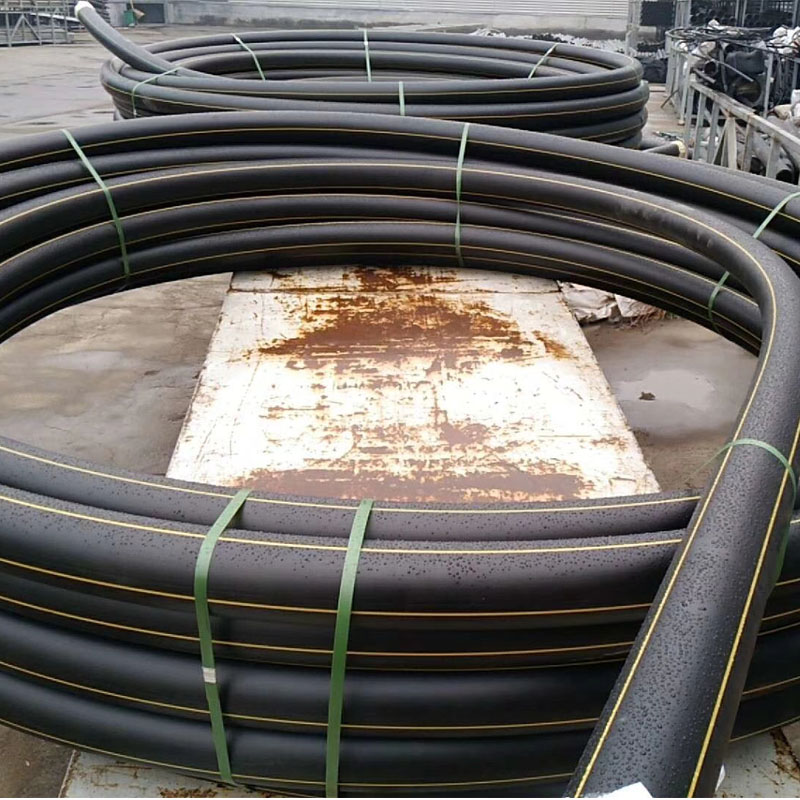
Dual wall corrugated pipe represents a significant advancement in subsurface drainage and conduit systems. Positioned within the civil engineering and infrastructure supply chain, it serves as a robust alternative to traditional concrete, PVC, and metal piping. These pipes are commonly employed in stormwater management, sanitary sewer extensions, agricultural drainage, and industrial applications. Core performance characteristics center on high compressive strength, flexibility, lightweight properties, and resistance to environmental degradation. A primary industry pain point stems from balancing cost-effectiveness with long-term performance, especially regarding resistance to creep, soil loading, and chemical attack. The need for consistent quality control throughout the manufacturing process to ensure adherence to stringent industry standards is also critical, as failures can lead to costly repairs and environmental concerns. This guide provides an in-depth technical overview of dual wall corrugated pipe, covering material science, manufacturing processes, performance characteristics, failure modes, and relevant industry standards.
Material Science & Manufacturing
Dual wall corrugated pipes are typically manufactured from high-density polyethylene (HDPE), a thermoplastic polymer known for its excellent chemical resistance, high strength-to-weight ratio, and durability. The inner layer, providing a smooth flow surface, is generally composed of polypropylene (PP), selected for its rigidity and resistance to abrasion. The corrugated outer wall is almost exclusively HDPE. Raw material selection is paramount; HDPE grades must exhibit controlled molecular weight distribution and melt flow index to ensure consistent extrusion properties. Manufacturing begins with resin pelletization followed by extrusion. The inner layer is formed via a circular die, creating a smooth, continuous wall. The outer layer is formed using a corrugated die, imparting the characteristic ribbed structure. Crucial parameters include die temperature (typically 180-220°C for HDPE, 200-240°C for PP), extrusion speed (controlling wall thickness and corrugation profile), cooling rate (affecting crystallinity and dimensional stability), and vacuum sizing (ensuring accurate diameter and roundness). Post-extrusion, pipes undergo quality control checks including hydrostatic pressure testing, impact resistance testing, and dimensional measurements. A key manufacturing challenge lies in maintaining consistent wall thickness across the entire pipe length and ensuring proper adhesion between the inner and outer layers. Failure to adequately control these parameters can result in premature failure due to stress cracking or delamination.
Performance & Engineering
The performance of dual wall corrugated pipe is heavily influenced by its structural integrity and resistance to external loads. Force analysis reveals that the corrugated outer wall provides the majority of the pipe's bending stiffness and compressive strength. The inner layer primarily contributes to maintaining flow characteristics and resisting internal pressure. The pipe’s ability to withstand soil loading (vertical and horizontal) is critical, particularly in buried applications. This is assessed through ring compression testing, determining the pipe's ability to resist flattening under external pressure. Environmental resistance is another crucial factor. HDPE is generally resistant to most chemicals found in soil and wastewater, however, prolonged exposure to strong acids or oxidizing agents can lead to degradation. UV exposure can also cause embrittlement, necessitating the use of UV stabilizers in the HDPE formulation. Compliance requirements vary by region and application. In stormwater management, pipes must meet standards related to infiltration rates and water quality. For sanitary sewer applications, pipes must be watertight and resistant to hydrogen sulfide corrosion. Furthermore, proper installation is paramount. Incorrect bedding and backfill compaction can impose excessive stress on the pipe, leading to failure. Detailed engineering calculations are often required to determine the appropriate pipe size, wall stiffness, and bedding material for a given application.
Technical Specifications
| Parameter | Unit | Typical Value (12" Diameter Pipe) | Testing Standard |
|---|---|---|---|
| Nominal Diameter | in | 12 | ASTM F405 |
| Pipe Stiffness | psi | 62 | ASTM F477 |
| Compressive Strength | psi | 1800 | ASTM D2412 |
| Impact Resistance (at 0°C) | ft-lbs | 12 | ASTM F477 |
| Long-Term Creep Buckling Resistance | % Deformation (at 5% Load) | <5 | ASTM F477 |
| Water Absorption | % | <0.5 | ASTM D570 |
Failure Mode & Maintenance
Dual wall corrugated pipe, while durable, is susceptible to various failure modes. Fatigue cracking can occur due to repeated loading and unloading, particularly in areas with poor bedding support. Delamination, the separation of the inner and outer layers, is often a result of inadequate adhesion during manufacturing or exposure to harsh chemicals. Creep, the slow deformation of the pipe under sustained load, is a long-term concern, especially at elevated temperatures. Oxidation, caused by UV exposure and chemical attack, can lead to embrittlement and loss of strength. Joint failures, often stemming from improper installation or connector incompatibility, are also common. Maintenance primarily focuses on preventative measures. Regular inspection of exposed pipe sections for cracks, deformation, or signs of degradation is crucial. Ensuring proper drainage around the pipe to prevent hydrostatic pressure buildup is essential. For buried pipes, minimizing soil loading and providing adequate bedding support are key. In cases of minor damage, repairs can be made using specialized patching compounds or replacement sections. However, significant structural damage typically necessitates complete pipe replacement. A proactive maintenance program, coupled with adherence to proper installation procedures, can significantly extend the service life of dual wall corrugated pipe systems.
Industry FAQ
Q: What is the impact of soil corrosivity on the long-term performance of HDPE pipes?
A: Soil corrosivity, specifically the presence of sulfates and chlorides, can accelerate the degradation of HDPE. While HDPE itself is resistant to many chemicals, prolonged exposure to corrosive soils can lead to stress cracking and reduced ductility. Selecting HDPE formulations with enhanced chemical resistance and implementing protective measures like barrier coatings are recommended in highly corrosive environments. Regular soil testing and consideration of soil pH are also critical.
Q: How does pipe stiffness relate to load-bearing capacity, and what stiffness is recommended for heavy traffic loads?
A: Pipe stiffness is a measure of a pipe's resistance to flattening under external load. Higher stiffness equates to greater load-bearing capacity. For heavy traffic loads, a minimum pipe stiffness of 60 psi is generally recommended, but this value can vary depending on the depth of burial, soil type, and anticipated load magnitude. Engineering calculations should always be performed to determine the appropriate stiffness for specific applications.
Q: What are the common causes of joint failure in dual wall corrugated pipe systems?
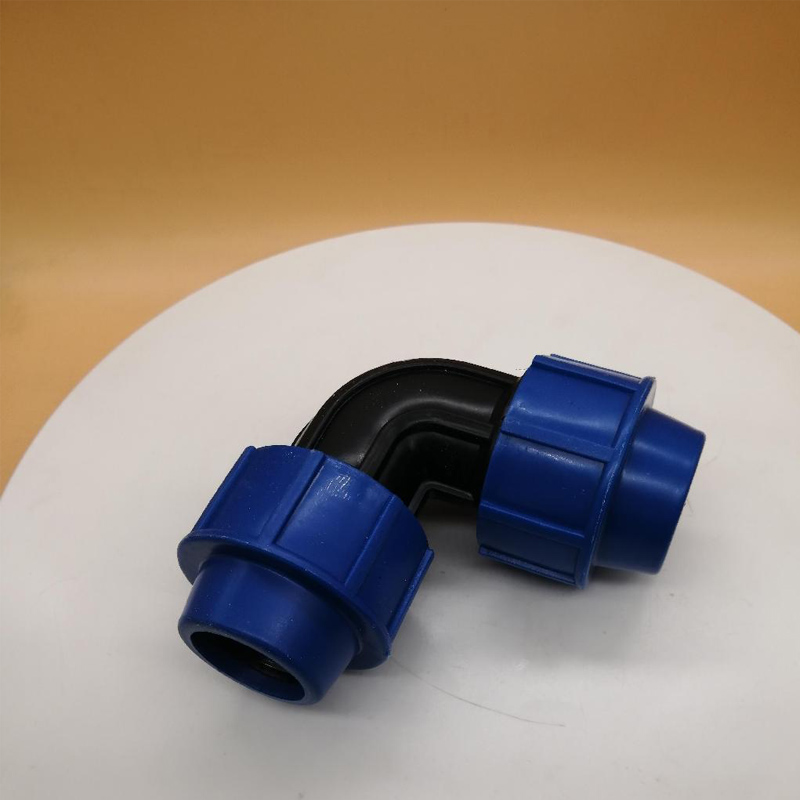
A: Common causes include improper installation techniques (e.g., insufficient engagement of couplers), incompatibility between pipe and connector materials, and ground movement causing stress on the joints. Using properly designed and installed couplers, ensuring adequate pipe alignment, and providing sufficient bedding support are essential to prevent joint failures.
Q: What is the role of UV stabilizers in HDPE pipe manufacturing, and how long can UV exposure be tolerated without degradation?
A: UV stabilizers are additives incorporated into the HDPE formulation to protect the polymer from degradation caused by ultraviolet radiation. Without stabilizers, UV exposure can lead to chain scission, embrittlement, and loss of mechanical properties. The duration of UV tolerance depends on the concentration of stabilizers used and the intensity of UV exposure. Typically, stabilized HDPE can withstand several years of outdoor exposure, but regular inspection is recommended.
Q: How does temperature affect the performance characteristics of dual wall corrugated pipe, particularly regarding creep and impact resistance?
A: Elevated temperatures increase the rate of creep deformation in HDPE, reducing the pipe’s long-term load-bearing capacity. Higher temperatures also decrease the impact resistance of the material, making it more susceptible to cracking. Therefore, it is crucial to consider operating temperatures and select HDPE grades with appropriate thermal stability for the intended application.
Conclusion
Dual wall corrugated pipe offers a compelling solution for a wide range of drainage and conduit applications, providing a balance of strength, flexibility, and cost-effectiveness. However, realizing its full potential requires a thorough understanding of the material science, manufacturing processes, and performance characteristics detailed within this guide. Successful implementation hinges on careful material selection, precise manufacturing control, adherence to industry standards, and proper installation techniques.
Looking forward, advancements in HDPE formulations, including the incorporation of nanoparticles and improved UV stabilizers, will likely enhance the long-term durability and performance of these systems. Continued research into creep behavior and the development of more accurate predictive models will also be critical. Ultimately, a comprehensive approach encompassing material science, engineering design, and quality control will be essential to ensure the reliable and sustainable performance of dual wall corrugated pipe infrastructure.
-
DN25 HDPE Compression Fitting-HORON INTERNATIONAL|Reliable Irrigation Solutions
NewsFeb.11,2026
-
hdpe coupling joint product Manufacturing Analysis
News2026-11-18
-
ppr pipe heating time products Performance Analysis
News2026-11-16
-
hdpe pipe sizes factory Performance Analysis
News2026-11-09
-
HDPE Pipe Sizes Service Performance Analysis
News2026-10-26
-
wholesale 15mm ppr pipe Material Science and Performance Analysis
News2026-10-20
-
wholesale pvc pipe price per foot Technical Analysis
News2026-09-21
-
wholesale long pvc pipe Technical Analysis and Manufacturing Specifications
News2026-09-15
-
wholesale plumbing kitchen sink water lines Material Performance
News2026-09-15
-
wholesale hdpe drip irrigation Material Science
News2026-09-15
-
wholesale hot water ppr pipe Performance Analysis
News2026-09-15
-
wholesale ppr plumbing Performance Analysis
News2026-09-15
-
wholesale ppr pipe supplier Performance Analysis
News2026-09-13
-
wholesale 50mm ppr pipe Performance Analysis
News2026-09-13
-
wholesale hdpe drip pipe Performance Analysis
News2026-09-13
-
wholesale hdpe pipe 63mm price Manufacturing Specification and Performance Analysis
News2026-09-13