

Feb . 11, 2026 00:01 Back to list
Double Walled Corrugated Pipe Service Performance Analysis
Introduction
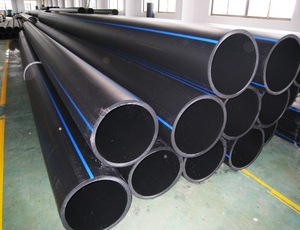
Double walled corrugated pipe is a fluid conveyance system utilized extensively across diverse industrial sectors, including stormwater management, drainage, culverts, and telecommunications ducting. Its technical position in the infrastructure chain is critical, bridging the gap between point source discharge or data transmission and environmental or network endpoints. The core performance characteristics of this product revolve around its structural integrity – measured by load-bearing capacity and ring stiffness – its hydraulic efficiency, and its long-term durability against environmental stressors and corrosive substances. Unlike single-wall corrugated pipe, the dual-layer construction provides enhanced structural support, reducing the risk of collapse under heavy loads and minimizing deformation. This guide provides a comprehensive technical analysis of double walled corrugated pipe service, covering material science, manufacturing, performance engineering, failure modes, and relevant industry standards. The increasing demand for robust, long-lasting, and environmentally sound infrastructure solutions drives the continued innovation and adoption of this technology.
Material Science & Manufacturing
The primary material used in double walled corrugated pipe is high-density polyethylene (HDPE), specifically utilizing resin grades conforming to ASTM D3350. HDPE’s selection is based on its excellent chemical resistance, high strength-to-weight ratio, flexibility, and resistance to abrasion. The outer corrugated layer often utilizes a polyethylene blend with UV stabilizers to mitigate degradation from prolonged sun exposure. The smooth inner wall is typically constructed from virgin HDPE, ensuring minimal friction and maximizing flow rates. Manufacturing begins with the extrusion of both the corrugated and smooth wall components. The corrugated layer is formed using specialized molds that create the defined rib profile. Key manufacturing parameters include extrusion temperature (typically between 180°C and 240°C, dependent on resin grade), cooling rate (critical for maintaining dimensional stability), and rib geometry (influencing structural strength). The two layers are then combined, often through a co-extrusion process, creating a robust bond. Jointing methods vary, including bell-and-spigot connections with gaskets (meeting ASTM F477 standards) and heat fusion welding, particularly for larger diameter pipes. Quality control throughout the manufacturing process is paramount, with stringent checks on wall thickness, rib profile consistency, and joint integrity. The molecular weight distribution of the HDPE resin is a crucial factor influencing long-term creep resistance and overall pipe performance.

Performance & Engineering
Performance of double walled corrugated pipe is predominantly dictated by its ability to withstand external loads, including soil overburden, traffic loads (H-20 or H-25 loading as per AASHTO M252), and hydrostatic pressure. Engineering calculations are performed utilizing Finite Element Analysis (FEA) to accurately model stress distribution and predict deflection under various loading conditions. Ring stiffness, measured in pounds per inch (psi), is a critical parameter indicating the pipe’s resistance to flattening. The double wall construction significantly increases ring stiffness compared to single-wall alternatives. Hydraulic performance is assessed based on Manning’s roughness coefficient, typically between 0.011 and 0.015 for HDPE, indicating low frictional resistance and efficient flow. Environmental resistance is a key concern, with long-term exposure to ultraviolet radiation, temperature fluctuations, and soil chemicals potentially degrading the HDPE material. Polyethylene's susceptibility to creep – slow deformation under sustained load – is a critical design consideration, necessitating appropriate safety factors and material selection. Chemical compatibility with conveyed fluids or surrounding soil is also assessed to prevent corrosion or degradation. Compliance with local and national drainage regulations (e.g., EPA standards in the US) is essential, often requiring specific material certifications and performance testing. Proper installation, including adequate bedding and compaction, is vital to ensure the pipe functions as designed and achieves its intended service life.
Technical Specifications
| Diameter (inches) | Ring Stiffness (psi) | Manning’s Roughness Coefficient | Minimum Cover Requirement (inches) |
|---|---|---|---|
| 12 | 44 | 0.012 | 18 |
| 18 | 58 | 0.011 | 24 |
| 24 | 72 | 0.013 | 30 |
| 30 | 85 | 0.014 | 36 |
| 36 | 98 | 0.015 | 42 |
| 48 | 110 | 0.012 | 48 |
Failure Mode & Maintenance
Common failure modes in double walled corrugated pipe include creep rupture (long-term deformation under sustained load, especially in warmer climates), joint failure (due to improper installation or gasket degradation), cracking (caused by stress concentrations or impact damage), and UV degradation (leading to embrittlement of the outer layer). Fatigue cracking can occur in areas subjected to cyclical loading, such as at connection points. Delamination between the inner and outer layers, though less common, can compromise structural integrity. Oxidation can occur over extended periods, particularly in soils with high oxygen content. Failure analysis typically involves visual inspection, non-destructive testing (NDT) methods like ultrasonic testing, and laboratory analysis of material samples to determine root cause. Preventative maintenance includes regular visual inspections to identify cracks or deformations, ensuring adequate bedding and compaction around the pipe, and protecting the pipe from direct sunlight exposure where possible. In the event of a joint failure, the gasket should be replaced, and the connection re-sealed according to manufacturer specifications. For significant structural damage, replacement of the affected pipe section is generally recommended. Proper backfilling procedures, avoiding sharp rocks or debris, minimize the risk of impact damage during installation. The use of geotextiles can further protect the pipe from soil abrasion and puncture.
Industry FAQ
Q: What is the primary advantage of double walled corrugated pipe over single-walled pipe in terms of load-bearing capacity?
A: The double-wall construction provides significantly increased ring stiffness and structural integrity. The outer corrugated layer acts as a reinforcing element, distributing loads more effectively and reducing the potential for deformation or collapse under heavy traffic or soil overburden. This allows for shallower burial depths in many applications, reducing installation costs.
Q: How does UV exposure affect the long-term performance of HDPE corrugated pipe?
A: Prolonged exposure to ultraviolet (UV) radiation can cause degradation of the HDPE material, leading to embrittlement and reduced strength. Manufacturers typically incorporate UV stabilizers into the outer layer of the pipe to mitigate this effect. However, it is still recommended to provide adequate cover or shielding in applications with significant sun exposure.
Q: What are the critical factors to consider when selecting the appropriate diameter of corrugated pipe for a specific drainage application?
A: Key factors include the anticipated flow rate, pipe slope, inlet and outlet elevations, and potential for sediment accumulation. Hydraulic calculations, based on Manning’s equation, are used to determine the required pipe diameter to ensure adequate flow capacity and prevent surcharge conditions.
Q: What is the recommended bedding material for corrugated pipe installation to maximize its lifespan?
A: A well-graded granular material, such as crushed stone or gravel, is recommended for bedding. The material should be compacted to provide uniform support and prevent differential settlement. Geotextiles can be used to separate the bedding material from the surrounding soil, preventing migration of fines and maintaining drainage efficiency.
Q: What types of joints are commonly used in double-walled corrugated pipe installations, and what are their respective advantages and disadvantages?
A: Common joint types include bell-and-spigot with gaskets (for ease of installation and flexibility) and heat fusion welded joints (for superior long-term strength and leak resistance, particularly for pressure applications). Bell-and-spigot joints are quicker to install but may be more susceptible to infiltration. Heat fusion requires specialized equipment and skilled operators but creates a permanent, watertight seal.
Conclusion
Double walled corrugated pipe represents a significant advancement in fluid conveyance technology, offering a robust, durable, and cost-effective solution for a wide range of infrastructure applications. Its superior structural integrity, stemming from the dual-layer HDPE construction, enables it to withstand substantial loads and maintain long-term performance even in challenging environmental conditions. Careful consideration of material properties, manufacturing processes, engineering design principles, and proper installation practices are all crucial for maximizing the lifespan and reliability of these systems.
Future innovations are likely to focus on enhancing material properties, such as improved creep resistance and UV stability, and developing more efficient and sustainable manufacturing techniques. Furthermore, advancements in non-destructive testing methods will enable more accurate and reliable assessment of pipe condition, facilitating proactive maintenance and preventing catastrophic failures. The ongoing demand for resilient and environmentally responsible infrastructure will continue to drive the evolution and adoption of double walled corrugated pipe systems worldwide.
-
DN25 HDPE Compression Fitting-HORON INTERNATIONAL|Reliable Irrigation Solutions
NewsFeb.11,2026
-
hdpe coupling joint product Manufacturing Analysis
News2026-11-18
-
ppr pipe heating time products Performance Analysis
News2026-11-16
-
hdpe pipe sizes factory Performance Analysis
News2026-11-09
-
HDPE Pipe Sizes Service Performance Analysis
News2026-10-26
-
wholesale 15mm ppr pipe Material Science and Performance Analysis
News2026-10-20
-
wholesale pvc pipe price per foot Technical Analysis
News2026-09-21
-
wholesale long pvc pipe Technical Analysis and Manufacturing Specifications
News2026-09-15
-
wholesale plumbing kitchen sink water lines Material Performance
News2026-09-15
-
wholesale hdpe drip irrigation Material Science
News2026-09-15
-
wholesale hot water ppr pipe Performance Analysis
News2026-09-15
-
wholesale ppr plumbing Performance Analysis
News2026-09-15
-
wholesale ppr pipe supplier Performance Analysis
News2026-09-13
-
wholesale 50mm ppr pipe Performance Analysis
News2026-09-13
-
wholesale hdpe drip pipe Performance Analysis
News2026-09-13
-
wholesale hdpe pipe 63mm price Manufacturing Specification and Performance Analysis
News2026-09-13