

Feb . 11, 2026 00:01 Back to list
double walled corrugated pipe factories Performance Analysis
Introduction
Double walled corrugated pipe is a critical infrastructure component, primarily utilized for subsurface drainage, stormwater management, and culvert applications. Positioned within the civil engineering and construction materials supply chain, it represents an advancement over traditional single-wall corrugated metal pipe (CMP) due to its enhanced structural integrity and corrosion resistance. Its core performance characteristics revolve around load bearing capacity (both soil and traffic loads), hydraulic flow efficiency, and long-term durability in corrosive environments. A key industry pain point is balancing cost-effectiveness with achieving the necessary performance criteria to meet increasingly stringent regulatory requirements and project specifications. The selection of appropriate material grades, coupled with stringent quality control during manufacturing, are paramount to addressing this challenge. This guide provides a comprehensive technical overview of double walled corrugated pipe, covering material science, manufacturing processes, performance considerations, failure modes, and relevant industry standards.
Material Science & Manufacturing
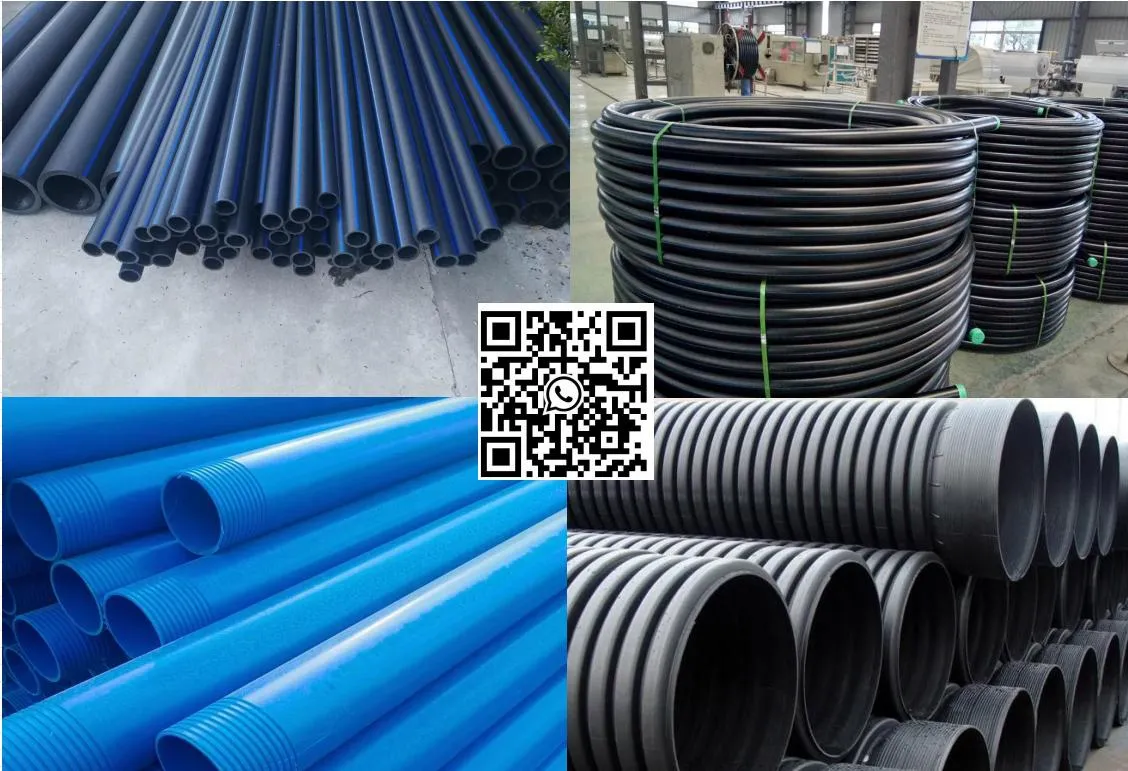
Double walled corrugated pipe typically utilizes a combination of polypropylene (PP) or polyethylene (PE) for the inner and outer layers, with a corrugated steel core providing structural support. The PP/PE materials are selected for their chemical inertness, resistance to abrasion, and relatively low cost. The steel core is usually galvanized, aluminized, or epoxy coated to mitigate corrosion. Raw material selection significantly impacts long-term performance. The PP/PE resins must exhibit consistent melt flow index (MFI) values and molecular weight distribution to ensure uniform wall thickness and adequate impact resistance during extrusion and thermoforming. Steel strip used for the core must conform to specific tensile strength and yield strength requirements (ASTM A653). Manufacturing involves several critical steps. First, the steel strip is corrugated using a roll-forming process, controlling parameters like corrugation profile, pitch, and depth to optimize structural rigidity. The inner and outer PP/PE layers are produced via extrusion, with careful control of melt temperature, die pressure, and cooling rates to achieve the desired wall thickness and surface finish. The corrugated steel core is then wrapped with the extruded plastic layers using a helical winding process, ensuring complete encapsulation and a tight bond. Joints between sections are typically created using bell-and-spigot or split-ring couplings, demanding precise dimensional control to maintain watertight integrity. Variations in raw material density, extrusion temperature, and winding tension directly influence the final product’s performance characteristics.
Performance & Engineering
The performance of double walled corrugated pipe is dictated by its ability to withstand a combination of external loads (soil overburden, traffic loads), internal hydrostatic pressure, and environmental stressors (temperature fluctuations, chemical exposure). Engineering calculations focus on determining the pipe’s buckling resistance, ring stiffness, and long-term creep behavior. Buckling analysis, based on the principles of elastic stability, considers the pipe’s geometry, material properties, and the surrounding soil conditions. Ring stiffness, a measure of the pipe’s resistance to deformation under load, is crucial for maintaining hydraulic flow efficiency and preventing collapse. Finite element analysis (FEA) is frequently employed to simulate complex loading scenarios and optimize the pipe’s design. Environmental resistance is also paramount. The plastic layers provide a barrier against corrosion, but long-term exposure to UV radiation and certain chemicals can lead to degradation. The steel core's protective coating must maintain its integrity throughout the pipe’s service life. Compliance with industry standards (AASHTO M36, ASTM F2306) is essential for ensuring structural performance and safety. Drainage designs require consideration of Manning’s equation to calculate hydraulic capacity. Furthermore, pipe installation procedures, including proper bedding and backfilling techniques, significantly impact the pipe’s long-term performance and structural integrity.
Technical Specifications
| Parameter | Unit | Typical Value (12” Diameter, 16 Gauge Steel Core) | Testing Standard |
|---|---|---|---|
| Nominal Diameter | inch | 12 | ASTM D2412 |
| Steel Core Gauge | Gauge | 16 | ASTM A653 |
| Plastic Material | - | Polypropylene (PP) | ASTM D2103 |
| Minimum Ring Stiffness | psi | 140 | ASTM F2487 |
| Burial Depth (Maximum) | ft | 20 | AASHTO M36 |
| Long-Term Creep Resistance | % Deformation (after 10 years) | < 5 | ASTM F2837 |
Failure Mode & Maintenance
Double walled corrugated pipe, while durable, is susceptible to several failure modes. Corrosion of the steel core, despite protective coatings, remains a primary concern, particularly in highly corrosive soil environments (high chloride content, low pH). Coating degradation, caused by mechanical damage during handling and installation, accelerates corrosion. Plastic layer cracking, induced by UV exposure and thermal cycling, can compromise the pipe’s watertight integrity. Joint failures, stemming from improper installation or coupling degradation, are common. Fatigue cracking, due to repeated loading from traffic or soil settlement, can occur in the steel core. Delamination of the plastic layers from the steel core, caused by poor bonding during manufacturing, reduces structural integrity. Maintenance typically involves periodic visual inspections to identify signs of corrosion, cracking, or joint separation. Repair options include localized patching of plastic damage, application of corrosion inhibitors, and replacement of damaged sections. Preventative measures focus on proper material selection, careful installation procedures (ensuring adequate bedding and backfill), and regular monitoring of environmental conditions. In cases of severe corrosion or structural damage, complete pipe replacement is often necessary. Regular soil testing around the pipe installation is recommended to monitor changes in soil chemistry that could accelerate corrosion rates.
Industry FAQ
Q: What is the impact of soil pH on the long-term performance of the steel core?
A: Lower soil pH values (acidic conditions) significantly accelerate corrosion rates of the steel core, even with protective coatings. Acidic soil promotes the breakdown of the galvanized or aluminized coatings, exposing the steel to corrosive attack. Soil pH should be carefully considered during site assessment and material selection. In highly acidic soils, alternative materials or more robust corrosion protection systems may be necessary.
Q: How does the choice of bedding material affect pipe performance?
A: Proper bedding material (typically granular material like sand or gravel) is crucial for distributing loads evenly and preventing localized stress concentrations. Poor bedding, such as clay or uncompacted soil, can lead to uneven settlement, pipe deformation, and eventual failure. Bedding material should meet specified gradation requirements and be adequately compacted.
Q: What are the key considerations for selecting the appropriate gauge of steel core for a given application?
A: The steel core gauge (thickness) is determined by the anticipated load conditions, including soil overburden, traffic loads, and burial depth. Higher traffic volumes and greater burial depths require thicker steel cores to provide adequate buckling resistance and structural integrity. Engineering calculations based on site-specific conditions are essential for selecting the appropriate gauge.
Q: Can double walled corrugated pipe be used in tidal zones or areas subject to saltwater exposure?
A: While the plastic layers provide some protection against saltwater corrosion, prolonged exposure to saltwater can still degrade the steel core and couplings. In such environments, specialized coatings (e.g., epoxy coatings with enhanced salt spray resistance) and corrosion-resistant coupling materials are recommended. Regular inspection and maintenance are particularly important in saltwater environments.
Q: What is the significance of the helical winding process in manufacturing?
A: The helical winding process is critical for ensuring a tight bond between the plastic layers and the steel core. Proper winding tension and consistent overlap are essential for preventing delamination and maintaining the pipe’s structural integrity. Inconsistent winding can create weak points and accelerate corrosion.
Conclusion
Double walled corrugated pipe represents a significant advancement in drainage and infrastructure solutions, offering a balance of structural performance, corrosion resistance, and cost-effectiveness. Its performance is intricately linked to the careful selection of raw materials, rigorous quality control during manufacturing, and adherence to established engineering principles and industry standards. Understanding the potential failure modes – ranging from corrosion to fatigue cracking – and implementing proactive maintenance strategies are crucial for maximizing the pipe’s service life and ensuring long-term infrastructure reliability.
Future developments in this field will likely focus on enhancing material properties (e.g., developing more UV-resistant plastics and improved corrosion protection coatings), optimizing manufacturing processes, and incorporating advanced sensing technologies for real-time monitoring of pipe condition. Furthermore, a growing emphasis on sustainable materials and environmentally friendly manufacturing practices will drive innovation in this sector.
-
DN25 HDPE Compression Fitting-HORON INTERNATIONAL|Reliable Irrigation Solutions
NewsFeb.11,2026
-
hdpe coupling joint product Manufacturing Analysis
News2026-11-18
-
ppr pipe heating time products Performance Analysis
News2026-11-16
-
hdpe pipe sizes factory Performance Analysis
News2026-11-09
-
HDPE Pipe Sizes Service Performance Analysis
News2026-10-26
-
wholesale 15mm ppr pipe Material Science and Performance Analysis
News2026-10-20
-
wholesale pvc pipe price per foot Technical Analysis
News2026-09-21
-
wholesale long pvc pipe Technical Analysis and Manufacturing Specifications
News2026-09-15
-
wholesale plumbing kitchen sink water lines Material Performance
News2026-09-15
-
wholesale hdpe drip irrigation Material Science
News2026-09-15
-
wholesale hot water ppr pipe Performance Analysis
News2026-09-15
-
wholesale ppr plumbing Performance Analysis
News2026-09-15
-
wholesale ppr pipe supplier Performance Analysis
News2026-09-13
-
wholesale 50mm ppr pipe Performance Analysis
News2026-09-13
-
wholesale hdpe drip pipe Performance Analysis
News2026-09-13
-
wholesale hdpe pipe 63mm price Manufacturing Specification and Performance Analysis
News2026-09-13