

Feb . 11, 2026 00:01 Back to list
dn500 service Performance Analysis
Introduction
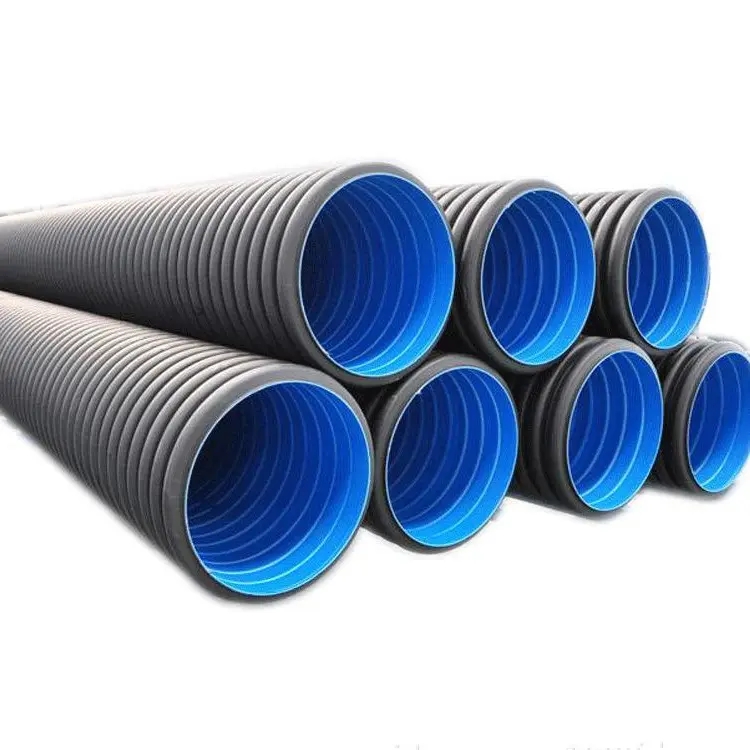
DN500 service refers to the comprehensive maintenance, repair, and overhaul procedures applied to nominal 500mm diameter pipeline assets, primarily utilized in industrial fluid and gas transfer systems. Positioned within the broader asset integrity management (AIM) framework, DN500 service represents a critical component in ensuring operational safety, minimizing downtime, and extending the lifespan of vital infrastructure. Core performance characteristics center around leak prevention, flow assurance, adherence to regulatory compliance, and the ability to restore pipeline functionality to original specifications or better. The increasing demands for reliable and efficient material transport necessitate a robust and detailed understanding of DN500 service procedures, addressing challenges related to corrosion, erosion, mechanical stress, and material degradation. This guide details the technical aspects of DN500 service, encompassing material properties, manufacturing processes, performance analysis, failure modes, and relevant industry standards.
Material Science & Manufacturing
DN500 pipelines are typically constructed from carbon steel (ASTM A53 Grade B, API 5L X42-X80), stainless steel (304, 316L – ASTM A312), or ductile iron (ASTM A576). Carbon steel is prevalent due to its cost-effectiveness, but susceptibility to corrosion necessitates protective coatings (epoxy, polyurethane, polyethylene) and cathodic protection systems. Stainless steel offers superior corrosion resistance but comes at a higher cost. Ductile iron provides good strength and ductility but is also prone to corrosion, requiring similar protective measures. Manufacturing processes vary based on material. Carbon and stainless steel pipes are often produced via electric resistance welding (ERW) or seamless processes. ERW involves forming a longitudinal seam and welding it shut, requiring stringent quality control to ensure weld integrity – including radiographic and ultrasonic testing. Seamless pipes are created by piercing a solid billet, yielding a stronger, more uniform structure. Ductile iron pipes are often manufactured using centrifugal casting. Critical parameters include wall thickness (governed by pressure rating and design codes like ASME B31.3), material tensile strength, yield strength, and elongation. Heat treatment processes, such as normalizing and tempering, are crucial for achieving desired mechanical properties in steel components. Surface preparation prior to coating application is paramount – requiring abrasive blasting to achieve a surface profile compliant with SSPC-SP10. Welding procedures, adhering to AWS D1.1 standards, must be meticulously controlled with qualified welders and appropriate pre- and post-weld heat treatment to prevent cracking and ensure complete fusion.
Performance & Engineering
Performance evaluation of DN500 pipelines centers around hydrostatic testing (API 5L, ASME B31.3) to verify pressure integrity and identify defects. Finite element analysis (FEA) is frequently employed to model stress distribution under various operating conditions – including internal pressure, external loads (soil weight, traffic), and thermal stresses. This analysis identifies potential weak points and informs design modifications. Corrosion rate analysis, based on electrochemical measurements and material loss monitoring, is critical for predicting remaining service life. Engineering considerations encompass flow rate calculations (using the Darcy-Weisbach equation and considering friction factor), pressure drop analysis, and pump sizing. Compliance with industry regulations (e.g., DOT regulations in the US, EN 15925 in Europe) is essential, mandating regular inspections, leak detection programs, and emergency response plans. The impact of fluid properties (viscosity, density, corrosivity) on pipeline performance must be assessed. Fatigue analysis, considering cyclic loading and stress concentration points (welds, flanges), is crucial for preventing catastrophic failures. The selection of appropriate gaskets, seals, and expansion joints (meeting ASME B16.5 standards) is vital for maintaining leak-tight connections and accommodating thermal expansion and contraction.
Technical Specifications
| Parameter | Carbon Steel (API 5L X52) | Stainless Steel (316L) | Ductile Iron (ASTM A576 Grade 65-45) | Coating Type |
|---|---|---|---|---|
| Nominal Diameter (mm) | 500 | 500 | 500 | Epoxy Powder Coating |
| Wall Thickness (mm) | 8 - 20 (Dependent on Pressure) | 6 - 15 (Dependent on Pressure) | 8 - 18 (Dependent on Pressure) | Polyurethane Liquid Coating |
| Yield Strength (MPa) | 345 | 210 | 420 | Polyethylene (PE) |
| Tensile Strength (MPa) | 485 | 520 | 570 | External Cathodic Protection |
| Corrosion Rate (mm/year) | 0.1 - 1.0 (Uncoated) | <0.01 (Uncoated) | 0.5 - 2.0 (Uncoated) | Internal Epoxy Coating |
| Operating Pressure (MPa) | Up to 10 | Up to 25 | Up to 12 | N/A |
Failure Mode & Maintenance
Common failure modes in DN500 pipelines include corrosion (uniform, pitting, galvanic, stress corrosion cracking), erosion (due to abrasive particles in the fluid stream), fatigue cracking (initiated by cyclic loading and stress concentrators), and mechanical damage (impact, bending). Corrosion is the most prevalent issue, particularly in carbon steel pipelines. Pitting corrosion, characterized by localized metal loss, is especially dangerous as it can lead to rapid perforation. Stress corrosion cracking (SCC) occurs when tensile stress combines with a corrosive environment. Erosion leads to gradual material loss, reducing wall thickness and pressure capacity. Fatigue cracking initiates at defects or stress risers and propagates under cyclic loading. Maintenance strategies encompass regular inspections (visual, ultrasonic testing, radiographic testing, internal pipeline inspection tools – ILI), corrosion monitoring, cathodic protection system maintenance, coating repair, and proactive replacement of aging components. ILI tools, such as intelligent pigs, can detect corrosion, cracks, and other defects without interrupting pipeline operation. Preventive maintenance schedules, based on risk assessment and operating conditions, are essential. Repair methods include welding (following AWS D1.1 standards), composite wraps (for reinforcing damaged sections), and sleeve installation. Proper documentation of all inspection and maintenance activities is crucial for tracking pipeline integrity and ensuring compliance.
Industry FAQ
Q: What is the typical inspection interval for a DN500 carbon steel pipeline operating in a moderately corrosive environment?
A: The inspection interval depends on the risk assessment, but a common interval is 3-5 years for internal inspection using ILI tools, supplemented by annual visual inspections and cathodic protection system monitoring. The frequency may be increased based on historical inspection results or changes in operating conditions.
Q: How effective are composite wraps for repairing minor corrosion defects in DN500 pipelines?
A: Composite wraps, when applied correctly according to manufacturer’s specifications and industry standards (e.g., ASME PCC-2), can effectively restore structural integrity for minor corrosion defects. They provide a reinforced barrier against further corrosion and enhance the load-bearing capacity of the damaged section. However, they are not suitable for extensive corrosion or cracks.
Q: What are the key considerations when selecting a coating system for a DN500 pipeline transporting abrasive slurry?
A: Selecting a coating for abrasive slurry transport requires a highly abrasion-resistant material, such as polyurethane or ceramic-filled epoxy. Surface preparation is critical, and the coating thickness should be sufficient to withstand the abrasive wear. Regular inspections and recoating may be necessary due to the abrasive nature of the fluid.
Q: How does hydrostatic testing determine the integrity of a DN500 pipeline?
A: Hydrostatic testing involves pressurizing the pipeline with water to a level exceeding the maximum operating pressure. This test identifies leaks, weak points, and defects in the pipe material and welds. The test duration and pressure hold time are specified by industry standards (API 5L, ASME B31.3). Any pressure drop during the test indicates a leak or structural failure.
Q: What is the role of cathodic protection in preventing corrosion in DN500 pipelines?
A: Cathodic protection (CP) mitigates corrosion by suppressing the electrochemical reaction that causes metal degradation. It works by making the pipeline a cathode in an electrochemical cell, thereby shifting the corrosion potential to a safer range. CP systems typically utilize sacrificial anodes or impressed current methods, and require regular monitoring to ensure their effectiveness.
Conclusion
DN500 service demands a holistic approach encompassing meticulous material selection, precise manufacturing control, rigorous performance monitoring, and proactive maintenance strategies. Failure to adequately address these aspects can lead to catastrophic consequences – including environmental damage, safety hazards, and significant economic losses. A deep understanding of material science principles, coupled with adherence to relevant industry standards and best practices, is paramount for ensuring the long-term integrity and reliability of DN500 pipeline assets.
The future of DN500 service will likely involve increased reliance on advanced inspection technologies (e.g., robotic inspection, artificial intelligence-powered data analysis), improved corrosion-resistant materials, and the implementation of predictive maintenance programs. Furthermore, a growing emphasis on sustainability and environmental responsibility will drive the adoption of more eco-friendly coating systems and leak detection solutions, minimizing the environmental impact of pipeline operations.
-
DN25 HDPE Compression Fitting-HORON INTERNATIONAL|Reliable Irrigation Solutions
NewsFeb.11,2026
-
hdpe coupling joint product Manufacturing Analysis
News2026-11-18
-
ppr pipe heating time products Performance Analysis
News2026-11-16
-
hdpe pipe sizes factory Performance Analysis
News2026-11-09
-
HDPE Pipe Sizes Service Performance Analysis
News2026-10-26
-
wholesale 15mm ppr pipe Material Science and Performance Analysis
News2026-10-20
-
wholesale pvc pipe price per foot Technical Analysis
News2026-09-21
-
wholesale long pvc pipe Technical Analysis and Manufacturing Specifications
News2026-09-15
-
wholesale plumbing kitchen sink water lines Material Performance
News2026-09-15
-
wholesale hdpe drip irrigation Material Science
News2026-09-15
-
wholesale hot water ppr pipe Performance Analysis
News2026-09-15
-
wholesale ppr plumbing Performance Analysis
News2026-09-15
-
wholesale ppr pipe supplier Performance Analysis
News2026-09-13
-
wholesale 50mm ppr pipe Performance Analysis
News2026-09-13
-
wholesale hdpe drip pipe Performance Analysis
News2026-09-13
-
wholesale hdpe pipe 63mm price Manufacturing Specification and Performance Analysis
News2026-09-13