

Feb . 11, 2026 00:01 Back to list
dn500 products Performance and Engineering
Introduction
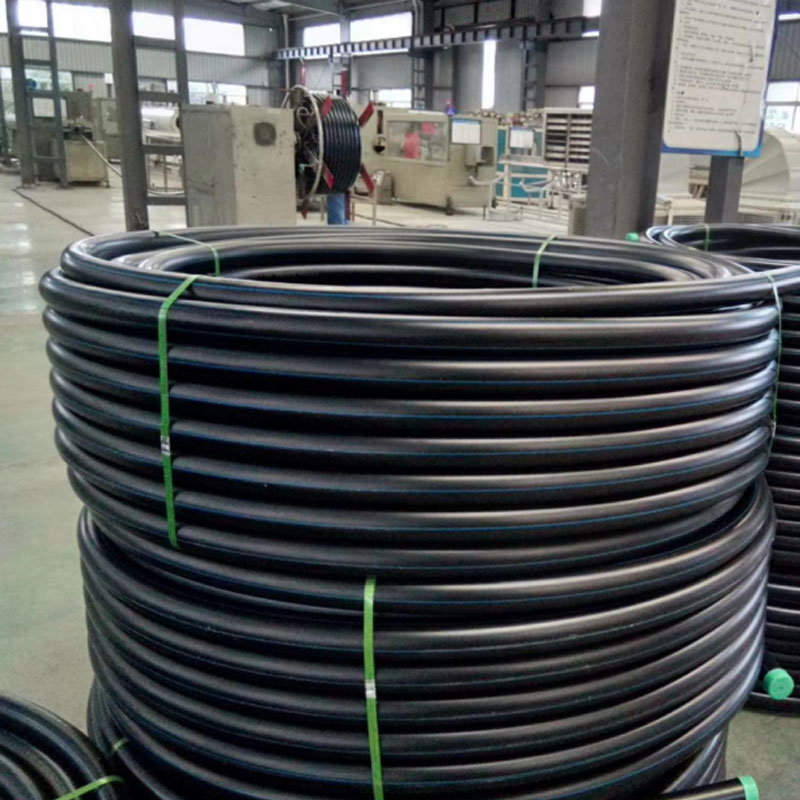
DN500 refers to a nominal pipe size of 500 millimeters (approximately 19.7 inches) commonly used for large-diameter piping systems in various industrial applications, including water transport, wastewater treatment, chemical processing, and oil & gas. This specification dictates the outside diameter of the pipe while the wall thickness varies depending on the pressure rating and material. DN500 piping is crucial for handling large flow rates and is often constructed from ductile iron, steel, polyethylene (PE), or polyvinyl chloride (PVC). Its performance is characterized by pressure containment capability, flow capacity, corrosion resistance, and structural integrity under operational loads. A key industry pain point revolves around ensuring long-term structural reliability and mitigating the risk of catastrophic failure, particularly in demanding service conditions involving corrosive fluids or high pressures. Selecting the appropriate material and implementing rigorous quality control during manufacturing and installation are paramount.
Material Science & Manufacturing
DN500 pipes are manufactured from a variety of materials, each possessing distinct physical and chemical properties. Ductile iron (DI) is a frequently used material, offering high tensile strength (typically 420-550 MPa), good ductility, and excellent corrosion resistance, particularly when epoxy coated or lined with cement mortar. The manufacturing process for DI pipes involves centrifugal casting, where molten iron is poured into a rotating mold, forming a seamless pipe. Critical parameters include pouring temperature (1250-1350°C), rotational speed (1000-1500 RPM), and cooling rate. Steel pipes, particularly carbon steel (ASTM A53 Grade B) and stainless steel (304/316), are also common, providing exceptional strength (yield strength 250-400 MPa for carbon steel, >500 MPa for stainless steel) and temperature resistance. Steel pipes are typically manufactured via electric resistance welding (ERW) or submerged arc welding (SAW). Maintaining precise welding parameters – current, voltage, and travel speed – is crucial to prevent defects like porosity and incomplete fusion. Polyethylene (PE) and Polyvinyl Chloride (PVC) DN500 pipes are increasingly used for low-pressure applications, leveraging their excellent chemical resistance and low cost. These are produced via extrusion, where molten polymer is forced through a die. Key parameters during extrusion include barrel temperature, screw speed, and die pressure, influencing pipe dimensional accuracy and crystallinity.
Performance & Engineering
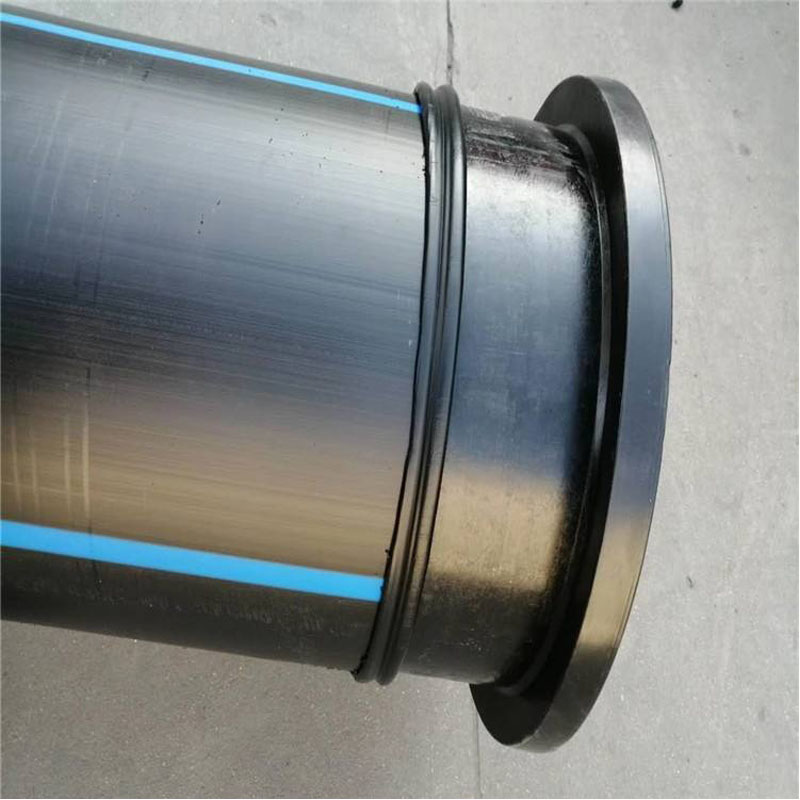
The engineering performance of DN500 pipes is governed by several factors, including internal pressure, external load, and environmental conditions. Internal pressure necessitates robust hoop stress calculations, adhering to standards like ASME B31.3 for process piping. The Barlow's formula (σ = PD/2t, where σ is hoop stress, P is internal pressure, D is outside diameter, and t is wall thickness) is fundamental in determining the required wall thickness to withstand the operating pressure with an adequate safety factor. External loads, such as soil loads in buried pipelines or weight of fluids in elevated systems, induce axial and bending stresses. Finite Element Analysis (FEA) is commonly used to model these stresses and optimize pipe support design. Corrosion resistance is a critical performance parameter. Cathodic protection (CP) is frequently employed for buried steel pipelines, preventing electrochemical corrosion through the application of a protective current. For chemical applications, selecting materials compatible with the conveyed fluid is essential, considering factors like pH, temperature, and chemical concentration. Furthermore, thermal expansion and contraction must be accounted for in the design, incorporating expansion loops or flexible joints to mitigate stresses caused by temperature fluctuations. Compliance with industry regulations like API 5L for line pipe and AWWA C900 for PVC pipe is mandatory.
Technical Specifications
| Material | Nominal Diameter (mm) | Pressure Rating (Bar) | Wall Thickness (mm) |
|---|---|---|---|
| Ductile Iron (DI) | 500 | 16 | 8.8 |
| Carbon Steel (ASTM A53 Gr. B) | 500 | 10 | 6.35 |
| Stainless Steel (304/316) | 500 | 25 | 8.0 |
| Polyethylene (PE) - HDPE | 500 | 6.3 | 10.2 |
| Polyvinyl Chloride (PVC) | 500 | 4.0 | 12.5 |
| Fiberglass Reinforced Polymer (FRP) | 500 | 12 | 9.5 |
Failure Mode & Maintenance
DN500 pipes are susceptible to various failure modes depending on the material, operating conditions, and installation quality. Ductile iron pipes can experience graphitic corrosion, leading to a loss of mechanical strength, particularly in acidic soils. Stress corrosion cracking (SCC) is a concern for steel pipes in chloride-containing environments. Fatigue cracking can occur due to cyclic loading from pressure surges or vibrations. PVC and PE pipes are prone to ultraviolet (UV) degradation, leading to embrittlement and cracking if exposed to sunlight for prolonged periods. Delamination can occur in composite pipes (FRP) due to moisture ingress or manufacturing defects. Oxidation is a common failure mode for steel, resulting in reduced wall thickness and eventual perforation. Maintenance strategies include regular inspections (visual, ultrasonic testing, radiographic testing), corrosion monitoring, and preventative measures such as applying protective coatings, implementing cathodic protection, and ensuring proper joint sealing. Repair options range from localized patching and sleeving to full pipe replacement, depending on the severity of the damage. Scheduled maintenance, guided by risk-based inspection (RBI) methodologies, is crucial for maximizing the lifespan and reliability of DN500 piping systems.
Industry FAQ
Q: What are the key considerations when selecting a material for a DN500 pipe used in a wastewater treatment plant?
A: Material selection must prioritize chemical resistance to the specific wastewater composition, including potential for hydrogen sulfide (H2S) corrosion, biological attack, and abrasive solids. Ductile iron with epoxy coating or stainless steel are often preferred due to their resistance to these aggressive environments. Consideration should also be given to the pipe's long-term durability and ease of maintenance.
Q: How does temperature affect the performance of DN500 HDPE pipes?
A: Elevated temperatures reduce the pressure rating of HDPE pipes due to a decrease in tensile strength and creep resistance. The allowable operating temperature is typically around 40-60°C. Conversely, low temperatures can increase brittleness, making the pipe more susceptible to cracking upon impact. Proper temperature derating factors must be applied in the design.
Q: What are the common causes of leakage at DN500 pipe joints?
A: Leakage often stems from improper joint assembly, inadequate gasket compression, corrosion of fasteners, or soil settlement causing differential movement. Regular inspection of joint connections and torque verification of bolts are essential. The use of appropriate joint lubricants and corrosion inhibitors can also mitigate leakage risks.
Q: What is the role of cathodic protection in extending the lifespan of buried DN500 steel pipes?
A: Cathodic protection prevents corrosion by suppressing the electrochemical reactions that cause metal degradation. It works by making the pipe a cathode in an electrochemical cell, effectively halting the corrosion process. Regular monitoring of the CP system's performance, including voltage readings and current output, is critical to ensure its effectiveness.
Q: How does the manufacturing process influence the quality of DN500 ductile iron pipes?
A: The centrifugal casting process must be precisely controlled to ensure uniform wall thickness, minimal porosity, and proper graphite distribution. Factors like pouring temperature, rotational speed, and cooling rate significantly impact the mechanical properties and corrosion resistance of the pipe. Non-destructive testing (NDT) methods, such as ultrasonic testing, are employed to detect defects before installation.
Conclusion
DN500 piping systems represent a critical infrastructure component across diverse industries. The selection of the appropriate material – ductile iron, steel, polyethylene, PVC, or FRP – hinges on a comprehensive understanding of the application's specific demands regarding pressure, temperature, chemical compatibility, and environmental factors. Rigorous adherence to established manufacturing processes and quality control procedures are paramount to ensuring the long-term structural integrity and operational reliability of these systems.
Proactive maintenance strategies, incorporating regular inspections, corrosion monitoring, and preventative measures like cathodic protection, are essential for mitigating failure modes and maximizing service life. Continued advancements in materials science and non-destructive testing techniques will further enhance the performance and durability of DN500 piping systems, contributing to safer and more efficient industrial operations.
-
DN25 HDPE Compression Fitting-HORON INTERNATIONAL|Reliable Irrigation Solutions
NewsFeb.11,2026
-
hdpe coupling joint product Manufacturing Analysis
News2026-11-18
-
ppr pipe heating time products Performance Analysis
News2026-11-16
-
hdpe pipe sizes factory Performance Analysis
News2026-11-09
-
HDPE Pipe Sizes Service Performance Analysis
News2026-10-26
-
wholesale 15mm ppr pipe Material Science and Performance Analysis
News2026-10-20
-
wholesale pvc pipe price per foot Technical Analysis
News2026-09-21
-
wholesale long pvc pipe Technical Analysis and Manufacturing Specifications
News2026-09-15
-
wholesale plumbing kitchen sink water lines Material Performance
News2026-09-15
-
wholesale hdpe drip irrigation Material Science
News2026-09-15
-
wholesale hot water ppr pipe Performance Analysis
News2026-09-15
-
wholesale ppr plumbing Performance Analysis
News2026-09-15
-
wholesale ppr pipe supplier Performance Analysis
News2026-09-13
-
wholesale 50mm ppr pipe Performance Analysis
News2026-09-13
-
wholesale hdpe drip pipe Performance Analysis
News2026-09-13
-
wholesale hdpe pipe 63mm price Manufacturing Specification and Performance Analysis
News2026-09-13