

Feb . 11, 2026 00:01 Back to list
dn500 product Material Science
Introduction
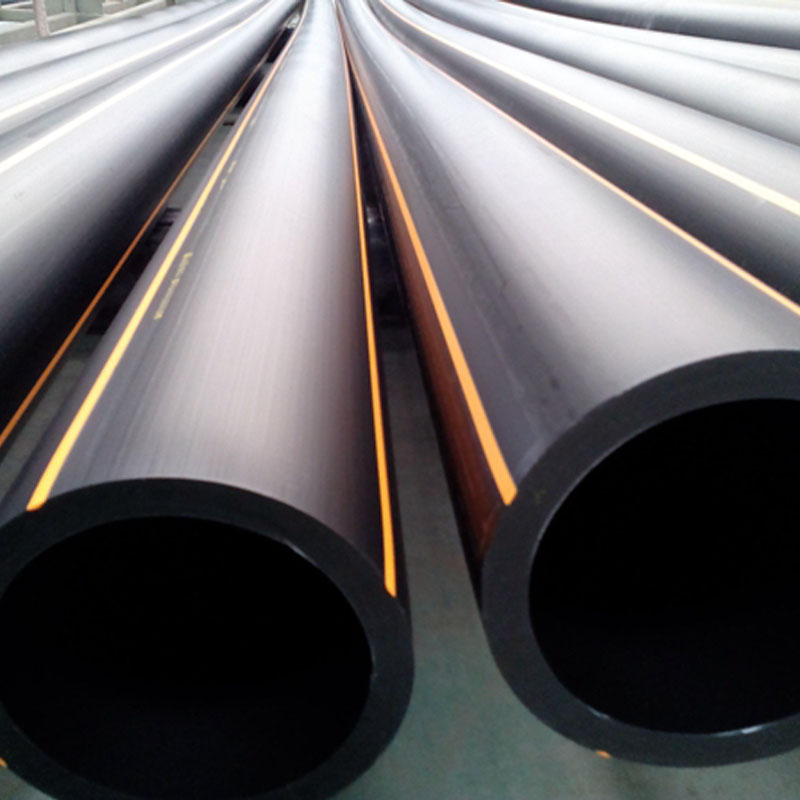
DN500 represents a class of ductile iron pipe commonly used in water and wastewater conveyance systems. Positioned within the broader infrastructure supply chain, it serves as a critical component following raw material extraction (iron ore, carbon) and preceding installation and commissioning phases. Its core performance characteristics revolve around hydraulic capacity, structural integrity under pressure and load, and long-term corrosion resistance. The DN500 designation refers to the nominal diameter of 500 millimeters. A significant industry pain point centers around ensuring consistent material quality to prevent premature failure and costly repairs, coupled with the challenges of maintaining pipeline integrity in varying soil conditions and operational pressures. The growing demand for sustainable infrastructure solutions also necessitates an assessment of the lifecycle environmental impact of DN500 production and operation.
Material Science & Manufacturing
DN500 pipe is primarily manufactured from ductile iron, an alloy of iron, carbon, and silicon, with additions of manganese, phosphorus, and sulfur. The raw materials undergo stringent chemical composition analysis to ensure adherence to standards (see Section 7). The critical physical properties include tensile strength (typically 415-550 MPa), yield strength (typically 250-350 MPa), and elongation (typically >10%). Manufacturing typically follows a centrifugal casting process. Molten ductile iron is poured into a rotating cylindrical mold, forming a seamless pipe. Key process parameters include pouring temperature (1250-1350°C), mold rotation speed (optimised for wall thickness and density), and cooling rate. Rapid cooling is crucial for achieving the desired microstructure – a spheroidal graphite morphology in a ferritic or pearlitic matrix. Following casting, pipes undergo heat treatment (annealing) to relieve internal stresses and improve ductility. External coatings, such as zinc coating followed by epoxy or polyurethane coating, are applied to enhance corrosion resistance. Quality control involves hydrostatic testing (to 1.5 times the working pressure), radiographic inspection for detecting internal flaws, and dimensional checks.

Performance & Engineering
The performance of DN500 pipe is governed by several engineering principles. The pipe’s ability to withstand internal pressure is analyzed using thin-walled cylinder theory (Hoop stress: σh = (p r) / t, where p is pressure, r is radius, and t is wall thickness). External loads, such as soil overburden and traffic loads, are evaluated using soil-structure interaction models, accounting for pipe embedment depth, soil bearing capacity, and pipe stiffness. Corrosion performance is heavily influenced by the soil environment - pH, resistivity, and the presence of aggressive ions (sulfates, chlorides). Cathodic protection, utilizing sacrificial anodes or impressed current systems, is often employed in corrosive environments. Joints between pipe sections are critical areas of potential failure. Flexible joints utilizing rubber gaskets are commonly used to accommodate differential settlement and thermal expansion/contraction. Compliance requirements dictate adherence to industry standards relating to pressure ratings, material composition, and coating performance. The long-term hydraulic performance is affected by internal scaling and biofilm formation, necessitating regular inspection and cleaning protocols.
Technical Specifications
| Nominal Diameter (mm) | Wall Thickness (mm) | Pressure Rating (bar) | Tensile Strength (MPa) |
|---|---|---|---|
| 500 | 6.0 | 16 | 420 |
| 500 | 8.0 | 25 | 450 |
| 500 | 10.0 | 32 | 500 |
| 500 | 12.0 | 40 | 520 |
| 500 | 14.0 | 50 | 550 |
| 500 | 16.0 | 63 | 550 |
Failure Mode & Maintenance
DN500 pipes are susceptible to several failure modes. Corrosion, particularly localized pitting corrosion and graphitic corrosion in aggressive soils, is a primary concern. Fatigue cracking can occur due to cyclical loading from traffic or pressure fluctuations. Stress corrosion cracking (SCC) can initiate at defects in the material or weld seams, particularly in the presence of chlorides. Mechanical damage during installation or excavation can lead to cracks and leaks. Joint failures can occur due to gasket degradation or improper installation. Maintenance strategies include regular visual inspection for signs of corrosion or damage, cathodic protection monitoring and maintenance, pressure testing to identify leaks, and internal inspection using CCTV cameras to assess scaling and biofilm buildup. Preventive maintenance, such as applying protective coatings and implementing proper backfilling procedures during installation, is crucial for extending service life. Repair options include sleeve repairs for localized cracks or leaks, and complete pipe replacement for extensively corroded sections. Failure analysis should include metallurgical examination to determine the root cause of failure and inform future material selection and design improvements.
Industry FAQ
Q: What is the impact of varying soil pH on the corrosion rate of DN500 ductile iron pipe?
A: Soil pH significantly influences corrosion. Acidic soils (pH < 6.0) promote accelerated corrosion due to increased solubility of iron. Alkaline soils (pH > 9.0) can also be corrosive due to the formation of iron oxides and hydroxides. Optimal pH range for minimizing corrosion is typically between 6.5 and 8.5. Soil resistivity also plays a key role; lower resistivity indicates higher conductivity and increased corrosion potential.
Q: How does the manufacturing process affect the ductile iron's microstructure and, consequently, its mechanical properties?
A: The centrifugal casting process and subsequent heat treatment profoundly influence the microstructure. Controlled cooling rates are essential for forming spheroidal graphite, which imparts ductility. A predominantly ferritic matrix offers good weldability, while a pearlitic matrix provides higher strength. Rapid cooling can lead to martensite formation, which is brittle and undesirable. Careful control of these parameters is critical for achieving optimal mechanical properties.
Q: What are the key considerations when selecting a protective coating for DN500 pipe exposed to seawater?
A: Seawater environments are highly corrosive due to high chloride content. The coating system must provide a robust barrier against chloride ingress. Epoxy coatings offer good adhesion and chemical resistance, but can be susceptible to blistering. Polyurethane coatings provide excellent abrasion resistance and UV stability. A multi-layer system, including a zinc-rich primer for cathodic protection, is often recommended. Coating thickness and application quality are also critical.
Q: What are the acceptable limits for ovality in DN500 pipe, and how does it impact hydraulic performance?
A: Ovality, the deviation from a perfect circular cross-section, is typically limited to 5-10% of the nominal diameter. Excessive ovality reduces the effective flow area, increasing head loss and reducing hydraulic capacity. It can also create turbulence and promote sediment deposition. Ovality is typically checked during manufacturing and installation.
Q: What are the typical failure rates observed in DN500 pipelines, and what proactive measures can be taken to reduce them?
A: Failure rates vary depending on soil conditions, operational pressures, and maintenance practices. Typical failure rates range from 1-5 failures per 100 km per year. Proactive measures include thorough site investigation to assess soil corrosivity, proper material selection and coating application, cathodic protection implementation, regular inspection and maintenance programs, and operator training to prevent damage during operation and excavation.
Conclusion
DN500 ductile iron pipe remains a vital component of water and wastewater infrastructure, providing a robust and reliable solution for fluid conveyance. Its performance is heavily dependent on material science, manufacturing quality control, and engineering design considerations. Understanding the potential failure modes and implementing appropriate maintenance strategies are crucial for maximizing service life and minimizing lifecycle costs. Continued innovation in coating technologies and corrosion protection methods will further enhance the durability and sustainability of DN500 pipelines.
The increasing focus on sustainable infrastructure demands a holistic assessment of DN500, considering its environmental impact from production to end-of-life. Exploring alternative materials and manufacturing processes, alongside advancements in non-destructive testing techniques, will be pivotal in addressing future challenges and ensuring the continued viability of DN500 in a changing world.
-
DN25 HDPE Compression Fitting-HORON INTERNATIONAL|Reliable Irrigation Solutions
NewsFeb.11,2026
-
hdpe coupling joint product Manufacturing Analysis
News2026-11-18
-
ppr pipe heating time products Performance Analysis
News2026-11-16
-
hdpe pipe sizes factory Performance Analysis
News2026-11-09
-
HDPE Pipe Sizes Service Performance Analysis
News2026-10-26
-
wholesale 15mm ppr pipe Material Science and Performance Analysis
News2026-10-20
-
wholesale pvc pipe price per foot Technical Analysis
News2026-09-21
-
wholesale long pvc pipe Technical Analysis and Manufacturing Specifications
News2026-09-15
-
wholesale plumbing kitchen sink water lines Material Performance
News2026-09-15
-
wholesale hdpe drip irrigation Material Science
News2026-09-15
-
wholesale hot water ppr pipe Performance Analysis
News2026-09-15
-
wholesale ppr plumbing Performance Analysis
News2026-09-15
-
wholesale ppr pipe supplier Performance Analysis
News2026-09-13
-
wholesale 50mm ppr pipe Performance Analysis
News2026-09-13
-
wholesale hdpe drip pipe Performance Analysis
News2026-09-13
-
wholesale hdpe pipe 63mm price Manufacturing Specification and Performance Analysis
News2026-09-13