

Feb . 11, 2026 00:01 Back to list
DN500 Manufacturers Performance Analysis
Introduction
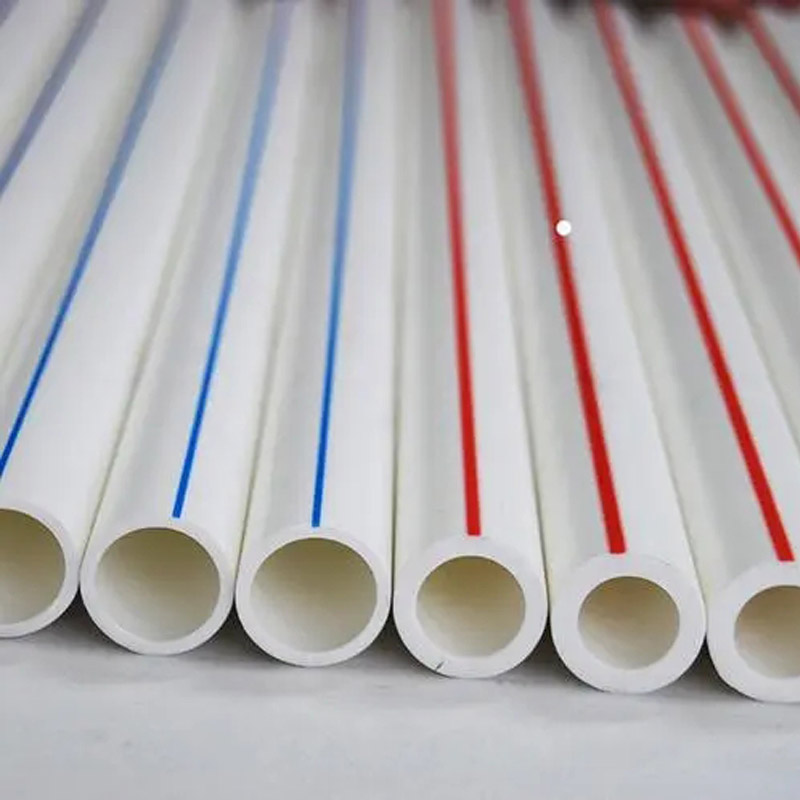
DN500 refers to a nominal pipe size of 500 millimeters (approximately 19.7 inches), commonly utilized in the industrial piping systems for fluid transport. Manufacturers of DN500 pipes and related components – including flanges, valves, and fittings – cater to a diverse range of sectors including water treatment, wastewater management, chemical processing, oil and gas, power generation, and large-scale infrastructure projects. The technical position within the industry chain is as a critical intermediary between raw material suppliers (steel, ductile iron, polymers) and end-users requiring robust and reliable fluid conveyance systems. Core performance characteristics center around pressure containment, fluid flow capacity, corrosion resistance, and long-term structural integrity. The increasing demand for efficient and environmentally responsible fluid handling is driving innovation in DN500 manufacturing towards lighter materials, improved joining techniques, and advanced coating technologies. A key pain point for end-users is ensuring consistent adherence to international standards and traceability of material certifications.
Material Science & Manufacturing
DN500 components are manufactured from a variety of materials, each selected based on the specific application and fluid being conveyed. Common materials include carbon steel (ASTM A53 Grade B, API 5L X42), ductile iron (ASTM A576 Grade 65-45), stainless steel (304/316L – ASTM A240), and high-density polyethylene (HDPE – PE100). Carbon steel offers high strength and cost-effectiveness but requires protective coatings to mitigate corrosion. Ductile iron provides excellent strength and ductility, making it suitable for pressure applications. Stainless steel offers superior corrosion resistance but at a higher cost. HDPE provides excellent chemical resistance and flexibility, making it ideal for corrosive environments and underground installations. Manufacturing processes vary significantly depending on the material. Steel pipes are typically manufactured using submerged arc welding (SAW) or spiral welding techniques, with stringent quality control measures applied to weld integrity and non-destructive testing (NDT) performed to detect defects. Ductile iron pipes are typically manufactured using centrifugal casting, ensuring uniform wall thickness and mechanical properties. HDPE pipes are produced via extrusion processes. Critical parameters during manufacturing include precise dimensional control (diameter, wall thickness), weld quality (penetration, fusion, absence of porosity), heat treatment (for steel components to achieve desired mechanical properties), and material composition verification. Chemical compatibility testing is essential to ensure the material's resistance to the conveyed fluid, preventing corrosion, degradation, and potential system failure.
Performance & Engineering
The performance of DN500 piping systems is governed by several engineering principles. Force analysis is critical to determine the structural integrity of the pipe under internal pressure, external loads (soil loading, traffic loads), and thermal stress. The Barlow's formula (σ = (PD)/2t, where σ is hoop stress, P is internal pressure, D is diameter, and t is wall thickness) is frequently used to calculate the required wall thickness to withstand a given pressure. Environmental resistance is paramount, considering factors such as temperature fluctuations, UV exposure, and chemical attack. Coatings (epoxy, polyurethane, polyethylene) are applied to steel and ductile iron pipes to enhance corrosion resistance. HDPE pipes exhibit inherent resistance to many chemicals but can be susceptible to degradation from prolonged UV exposure. Compliance requirements vary depending on the application and geographical location. For potable water systems, NSF/ANSI 61 certification is mandatory. For oil and gas applications, API 5L and API 6D standards are crucial. For wastewater treatment, EN 1092-1 (flanges) and EN 1074-1 (fittings) are frequently specified. Functional implementation involves careful consideration of pipe support systems to prevent excessive bending and stress, proper jointing techniques (welding, flanging, socket welding, mechanical couplings) to ensure leak-tight connections, and appropriate pressure testing procedures to verify system integrity. Finite Element Analysis (FEA) is often employed to model complex stress distributions and optimize the design of piping systems.
Technical Specifications
| Parameter | Carbon Steel (ASTM A53 Gr. B) | Ductile Iron (ASTM A576 Gr. 65-45) | Stainless Steel (304/316L) | HDPE (PE100) |
|---|---|---|---|---|
| Nominal Diameter (mm) | 500 | 500 | 500 | 500 |
| Typical Wall Thickness (mm) | 6-12 | 8-16 | 4-8 | 2.5-10 |
| Yield Strength (MPa) | 250 | 420 | 205 | N/A (Dependent on grade) |
| Tensile Strength (MPa) | 400 | 570 | 515 | N/A (Dependent on grade) |
| Maximum Operating Pressure (MPa) | Variable (dependent on wall thickness) | Variable (dependent on wall thickness) | Variable (dependent on wall thickness) | Variable (dependent on SDR) |
| Corrosion Resistance | Low (requires coating) | Moderate (requires coating) | High | Excellent (to most chemicals) |
Failure Mode & Maintenance
Common failure modes in DN500 piping systems include corrosion (localized pitting, uniform corrosion), fatigue cracking (due to cyclic loading), stress corrosion cracking (SCC – particularly in stainless steel exposed to chloride environments), erosion (from abrasive particles in the fluid), and joint failures (leakage at welds, flanges, or couplings). Fatigue cracking typically initiates at stress concentrations (weld toes, geometric discontinuities) and propagates under cyclic loading. Corrosion can lead to wall thinning and eventual rupture. SCC is a time-dependent failure mechanism that requires the simultaneous presence of tensile stress and a corrosive environment. Erosion causes material loss and weakens the pipe wall. Joint failures can result from improper installation, inadequate tightening of bolts, or material degradation of seals. Preventive maintenance is crucial to mitigate these failures. Regular visual inspections should be conducted to identify signs of corrosion, erosion, or leakage. Non-destructive testing (NDT) methods, such as ultrasonic testing (UT), radiographic testing (RT), and liquid penetrant testing (PT), can be used to detect internal flaws and assess wall thickness. Protective coatings should be regularly inspected and repaired as needed. Proper lubrication of valves and fittings is essential to prevent seizing. Flange bolts should be periodically checked and retorqued. A comprehensive maintenance program, including record-keeping of inspections and repairs, is essential for ensuring the long-term reliability of DN500 piping systems.
Industry FAQ
Q: What is the significance of the SDR (Standard Dimension Ratio) for HDPE DN500 pipes?
A: The SDR is the ratio of a pipe's outside diameter to its wall thickness. A lower SDR indicates a thicker wall and therefore a higher pressure rating. For HDPE DN500 pipes, the SDR is a crucial parameter for selecting the appropriate pipe for a given application, particularly those involving higher pressures or demanding operating conditions. Common SDR values range from SDR11 to SDR17, each corresponding to a specific pressure rating.
Q: How does the choice of welding process impact the corrosion resistance of DN500 steel pipes?
A: The welding process significantly affects corrosion resistance. Shielded Metal Arc Welding (SMAW) can introduce slag inclusions and porosity, creating sites for corrosion initiation. Submerged Arc Welding (SAW) generally produces higher quality welds with fewer defects, but requires careful control of welding parameters. Proper pre- and post-weld heat treatment is crucial to minimize residual stresses and optimize the microstructure of the weld, improving its corrosion resistance. The weld metal’s composition should match the base metal to avoid galvanic corrosion.
Q: What are the primary considerations when selecting a coating for DN500 carbon steel pipes in a seawater environment?
A: In seawater environments, the coating must provide exceptional barrier protection against chloride ions, which promote corrosion. Epoxy coatings are commonly used as a primer, offering good adhesion and corrosion resistance. Polyurethane topcoats provide enhanced UV resistance and abrasion resistance. Cathodic protection (sacrificial anodes or impressed current) may also be necessary to supplement the coating and provide additional corrosion protection. The coating system must be applied correctly, with proper surface preparation and film thickness.
Q: What are the key differences between flanged joints and welded joints for DN500 pipes, and when would you choose one over the other?
A: Welded joints offer higher strength and leak-tightness, and are generally preferred for permanent installations where dismantling is not anticipated. However, welding requires skilled labor and can introduce residual stresses. Flanged joints allow for easy disassembly and maintenance but are more prone to leakage if not properly installed and tightened. Flanged joints are preferred for applications where frequent inspection, cleaning, or component replacement is required, or where the piping system needs to be flexible for thermal expansion and contraction.
Q: What is the role of hydrostatic testing in ensuring the integrity of a newly installed DN500 piping system?
A: Hydrostatic testing involves pressurizing the piping system with water to a level exceeding its normal operating pressure. This test verifies the structural integrity of the pipes, welds, and joints, and detects any leaks. The test pressure is typically maintained for a specified period, and the system is visually inspected for any signs of deformation or leakage. Hydrostatic testing is a critical quality control step to ensure the piping system can safely operate at its intended pressure.
Conclusion
The selection and proper implementation of DN500 piping systems require a comprehensive understanding of material science, manufacturing processes, engineering principles, and relevant industry standards. The optimal material choice is dictated by the fluid conveyed, operating conditions, and budgetary constraints. Ensuring adherence to stringent quality control measures during manufacturing and installation is critical for preventing premature failure and maximizing the service life of the system. Ongoing maintenance, including regular inspections and repairs, is essential for maintaining the long-term integrity and reliability of DN500 pipelines.
Future trends in DN500 manufacturing are focused on the development of lighter, stronger, and more corrosion-resistant materials, such as advanced polymers and high-alloy stainless steels. The adoption of digital technologies, such as Building Information Modeling (BIM) and predictive maintenance analytics, will further enhance the design, construction, and operation of DN500 piping systems. Increased emphasis on sustainability will drive the development of eco-friendly materials and manufacturing processes.
-
DN25 HDPE Compression Fitting-HORON INTERNATIONAL|Reliable Irrigation Solutions
NewsFeb.11,2026
-
hdpe coupling joint product Manufacturing Analysis
News2026-11-18
-
ppr pipe heating time products Performance Analysis
News2026-11-16
-
hdpe pipe sizes factory Performance Analysis
News2026-11-09
-
HDPE Pipe Sizes Service Performance Analysis
News2026-10-26
-
wholesale 15mm ppr pipe Material Science and Performance Analysis
News2026-10-20
-
wholesale pvc pipe price per foot Technical Analysis
News2026-09-21
-
wholesale long pvc pipe Technical Analysis and Manufacturing Specifications
News2026-09-15
-
wholesale plumbing kitchen sink water lines Material Performance
News2026-09-15
-
wholesale hdpe drip irrigation Material Science
News2026-09-15
-
wholesale hot water ppr pipe Performance Analysis
News2026-09-15
-
wholesale ppr plumbing Performance Analysis
News2026-09-15
-
wholesale ppr pipe supplier Performance Analysis
News2026-09-13
-
wholesale 50mm ppr pipe Performance Analysis
News2026-09-13
-
wholesale hdpe drip pipe Performance Analysis
News2026-09-13
-
wholesale hdpe pipe 63mm price Manufacturing Specification and Performance Analysis
News2026-09-13