

Feb . 11, 2026 00:01 Back to list
DN500 Factories Performance Analysis
Introduction
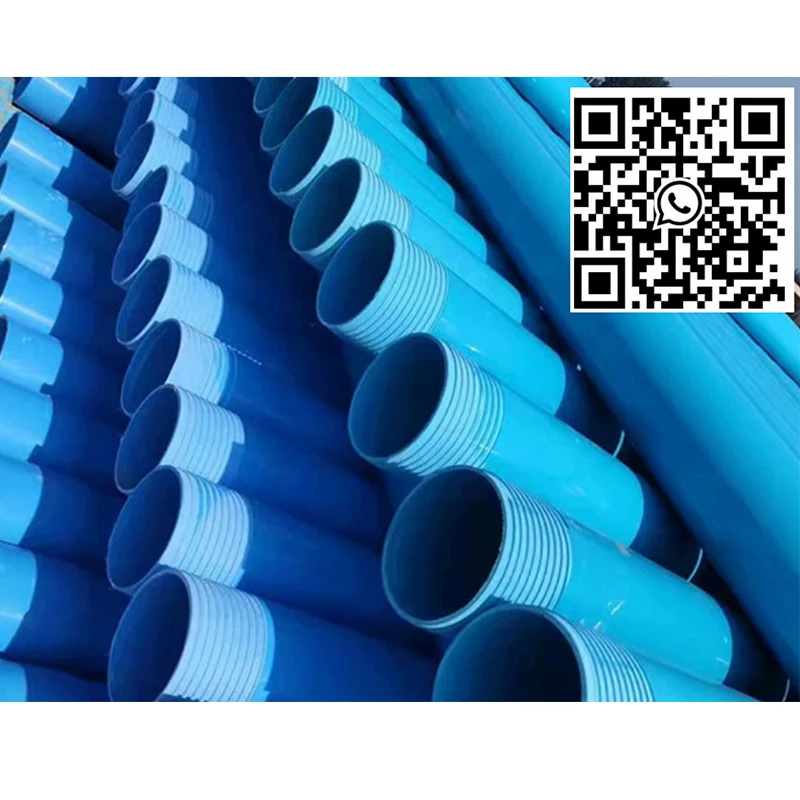
DN500 factories, referring to facilities manufacturing ductile iron pipes with a nominal diameter of 500mm, represent a critical node in global water and wastewater infrastructure. These pipes are integral components of municipal, industrial, and agricultural fluid conveyance systems. Their technical position within the industry chain extends from iron ore extraction and alloying, through casting, heat treatment, and coating processes, culminating in installation and long-term operational performance. Core performance characteristics center around pressure containment, corrosion resistance, and structural integrity, all governed by stringent international standards. The growing demand for reliable water management and aging infrastructure necessitate continual improvement in DN500 pipe manufacturing techniques and materials, addressing key industry pain points such as graphitization control, coating durability, and long-term joint performance. Understanding the nuances of DN500 pipe production is crucial for project engineers, procurement specialists, and asset managers seeking cost-effective and sustainable solutions.
Material Science & Manufacturing
DN500 ductile iron pipes are primarily composed of cast iron, typically utilizing gray iron as a base material modified with magnesium or cerium to induce spheroidal graphite formation. The raw materials include iron ore, coke, limestone, and alloying elements like manganese, silicon, and phosphorus. The chemical composition, tightly controlled within ASTM A576/ISO 2531 standards, directly impacts mechanical properties such as tensile strength, yield strength, and elongation. Manufacturing begins with melting these materials in electric arc or cupola furnaces. The molten iron undergoes inoculation with magnesium-cerium alloys to promote graphite spheriodization, critical for achieving ductility. Casting is typically achieved via horizontal or vertical centrifugal casting processes. Horizontal centrifugal casting yields pipes with uniform wall thickness and improved mechanical properties. Following casting, pipes undergo heat treatment – normalizing or annealing – to refine the microstructure and relieve residual stresses. Critical parameters during heat treatment include temperature, holding time, and cooling rate, all influencing the graphite morphology and matrix structure. The final stages involve external coating (typically cement mortar lining per AWWA C151/ISO 4458) for corrosion protection and external coating (zinc or epoxy) for additional corrosion resistance. Quality control throughout the process includes chemical analysis, tensile testing, hardness testing, and microstructural examination.
Performance & Engineering
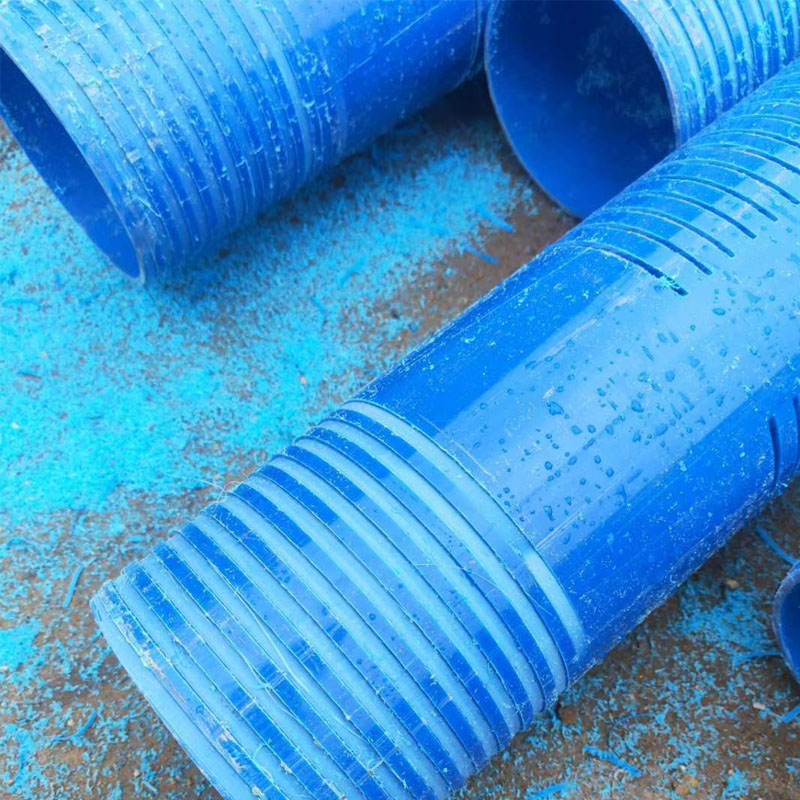
The performance of DN500 ductile iron pipes is governed by several engineering considerations. Hydraulic performance is evaluated based on friction losses, determined by the Hazen-Williams equation and dependent on pipe roughness. Structural performance hinges on the pipe's ability to withstand internal pressure, external loads (soil overburden, traffic loads), and bending stresses. Force analysis, utilizing Finite Element Analysis (FEA) models, is employed to assess stress distribution under various loading scenarios. Environmental resistance is paramount, encompassing corrosion protection from soil conditions and water chemistry. Cement mortar lining provides a barrier against aggressive water constituents, while external coatings prevent corrosion due to soil contact. Compliance requirements are extensive, dictated by national and international standards such as AWWA, EN, ISO, and local regulations. Joint performance is a critical area, relying on the integrity of rubber gasket seals or mechanical joints. These joints must maintain watertightness under pressure fluctuations, temperature variations, and ground movement. Long-term performance is predicted using statistical models incorporating corrosion rates, fatigue life, and material degradation factors. The design of DN500 pipe networks must consider surge pressures resulting from pump start/stop events, employing surge protection devices where necessary to prevent hydraulic transients and pipe failure.
Technical Specifications
| Nominal Diameter (mm) | Wall Thickness (mm) | Minimum Tensile Strength (MPa) | Minimum Yield Strength (MPa) |
|---|---|---|---|
| 500 | 8.0 | 420 | 300 |
| 500 | 9.0 | 420 | 300 |
| 500 | 10.0 | 420 | 300 |
| 500 | 12.0 | 420 | 300 |
| 500 | 14.0 | 480 | 360 |
| 500 | 16.0 | 480 | 360 |
Failure Mode & Maintenance
DN500 ductile iron pipes are susceptible to several failure modes. Corrosion, both internal and external, is a primary concern, leading to wall thinning and eventual leakage. Graphite corrosion, specifically the preferential oxidation of graphite spheroids, can compromise mechanical properties. Fatigue cracking can occur due to cyclic loading from pressure fluctuations or external stresses, often initiated at weld defects or geometrical discontinuities. Joint failures, arising from gasket degradation or bolt loosening, result in leakage. Hydrogen embrittlement, particularly in sour gas environments, can lead to brittle fracture. Soil-induced failures include settlement, ground movement, and external corrosion exacerbated by stray currents. Maintenance strategies encompass regular inspections (visual, ultrasonic testing, cathodic protection surveys), internal cleaning (to remove scale and sediment), and repair/replacement of damaged sections. Cathodic protection systems, utilizing sacrificial anodes or impressed current, mitigate external corrosion. Joints should be periodically inspected for tightness and gasket integrity. Leak detection surveys, employing acoustic methods or tracer gas techniques, identify leakage points. Preventive maintenance programs, based on risk assessment and historical failure data, are crucial for maximizing the lifespan of DN500 pipe networks. Failure analysis, involving metallurgical examination and fracture surface analysis, helps determine root causes and prevent recurrence.
Industry FAQ
Q: What is the impact of spheroidal graphite morphology on the corrosion resistance of ductile iron pipes?
A: Spheroidal graphite morphology significantly enhances corrosion resistance compared to flake graphite found in gray iron. The spherical shape minimizes preferential corrosion paths and reduces the galvanic coupling effect between graphite and the iron matrix. However, the graphite-matrix interface remains a potential site for localized corrosion, necessitating appropriate coatings and cathodic protection.
Q: How does the cement mortar lining affect the internal corrosion resistance of DN500 pipes?
A: Cement mortar lining provides a physical barrier that isolates the pipe wall from corrosive water constituents. It effectively reduces the rate of corrosion by limiting access to the iron surface. However, the lining is susceptible to cracking and erosion, particularly under high flow velocities or abrasive conditions, requiring periodic inspection and repair.
Q: What are the key considerations when selecting an external coating for DN500 pipes in aggressive soil environments?
A: Selection should prioritize resistance to soil acidity, chloride content, sulfate levels, and stray currents. Epoxy coatings offer excellent adhesion and chemical resistance, while polyethylene (PE) or polypropylene (PP) coatings provide robust physical protection. Multi-layer coating systems, combining epoxy primers with PE or PP outer layers, offer enhanced long-term performance. Cathodic protection should be considered in conjunction with external coatings for optimal corrosion control.
Q: What are the acceptable levels of ovality in DN500 pipes, and how does it impact performance?
A: Ovality, or deviation from perfect circularity, is typically limited to 2-3% as specified in AWWA standards. Excessive ovality can increase stress concentrations, reduce internal capacity, and compromise joint integrity. It can also indicate issues during manufacturing or installation. Regular inspection and rejection of pipes exceeding ovality limits are essential.
Q: What are the common causes of joint leakage in DN500 pipe systems, and how can they be mitigated?
A: Common causes include improper installation (insufficient gasket compression, misalignment), gasket degradation due to temperature or chemical exposure, bolt loosening due to vibration or creep, and soil settlement. Mitigation strategies involve proper installation procedures, selection of compatible gaskets, regular bolt tightening, and adequate support to prevent ground movement.
Conclusion
DN500 ductile iron pipes remain a cornerstone of modern infrastructure, offering a robust and reliable solution for fluid conveyance. Their performance is fundamentally linked to material science, manufacturing precision, and adherence to stringent quality control measures. Understanding the interplay between chemical composition, microstructure, coating systems, and external factors is critical for mitigating failure modes and ensuring long-term operational integrity.
Continued advancements in materials, such as the development of high-strength ductile iron alloys and improved coating technologies, alongside sophisticated inspection techniques, will further enhance the longevity and sustainability of DN500 pipe networks. The integration of digital monitoring systems and predictive maintenance strategies promises to optimize performance and minimize lifecycle costs. Addressing the inherent challenges associated with corrosion, fatigue, and joint performance is paramount to maintaining the reliability of these vital infrastructure assets.
-
DN25 HDPE Compression Fitting-HORON INTERNATIONAL|Reliable Irrigation Solutions
NewsFeb.11,2026
-
hdpe coupling joint product Manufacturing Analysis
News2026-11-18
-
ppr pipe heating time products Performance Analysis
News2026-11-16
-
hdpe pipe sizes factory Performance Analysis
News2026-11-09
-
HDPE Pipe Sizes Service Performance Analysis
News2026-10-26
-
wholesale 15mm ppr pipe Material Science and Performance Analysis
News2026-10-20
-
wholesale pvc pipe price per foot Technical Analysis
News2026-09-21
-
wholesale long pvc pipe Technical Analysis and Manufacturing Specifications
News2026-09-15
-
wholesale plumbing kitchen sink water lines Material Performance
News2026-09-15
-
wholesale hdpe drip irrigation Material Science
News2026-09-15
-
wholesale hot water ppr pipe Performance Analysis
News2026-09-15
-
wholesale ppr plumbing Performance Analysis
News2026-09-15
-
wholesale ppr pipe supplier Performance Analysis
News2026-09-13
-
wholesale 50mm ppr pipe Performance Analysis
News2026-09-13
-
wholesale hdpe drip pipe Performance Analysis
News2026-09-13
-
wholesale hdpe pipe 63mm price Manufacturing Specification and Performance Analysis
News2026-09-13