

Feb . 11, 2026 00:01 Back to list
coupler hdpe pipe product Manufacturing Precision
Introduction
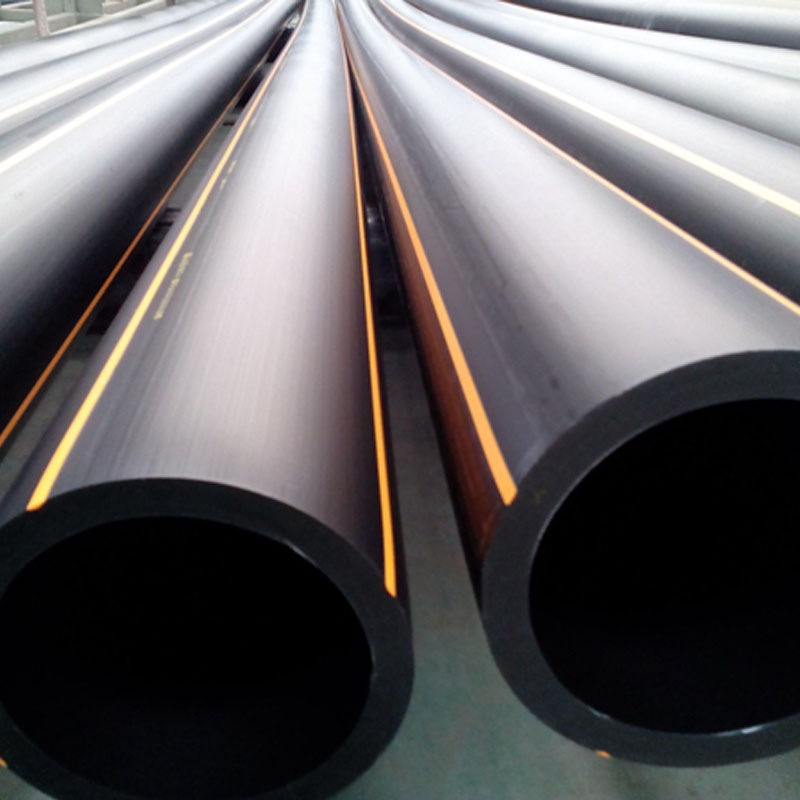
High-Density Polyethylene (HDPE) pipe couplers are critical components in a comprehensive piping system, facilitating the secure and leak-proof connection of HDPE pipes. These couplers, also known as joining sleeves, are integral to applications spanning water distribution, gas transmission, sewer lines, irrigation, and industrial fluid handling. Functionally, they provide a robust and reliable alternative to traditional joining methods like welding or solvent cementing, particularly where portability, speed of installation, or minimal site disruption are paramount. The technical position of HDPE pipe couplers resides within the broader field of thermoplastic joining technologies, competing with methods like electrofusion welding and mechanical fittings. Core performance characteristics – including pressure rating, chemical resistance, and long-term joint integrity – are defined by material properties, manufacturing precision, and adherence to stringent industry standards. The primary industry pain point addressed by high-quality HDPE couplers is minimizing leakage and ensuring long-term system reliability in demanding environments, reducing costly repairs and downtime.
Material Science & Manufacturing
HDPE couplers are typically manufactured from high-density polyethylene resin, specifically grades exhibiting high molecular weight and narrow molecular weight distribution. This ensures optimal mechanical properties, including tensile strength, impact resistance, and creep resistance. Raw material properties – such as melt flow index, density, and carbon black content – are tightly controlled to guarantee consistent performance. The manufacturing process commonly involves injection molding. During injection molding, HDPE pellets are heated to a molten state and injected under high pressure into a precisely engineered mold cavity. Key parameters requiring meticulous control include mold temperature (typically 30-50°C), injection pressure (ranging from 500-1200 bar), cooling rate, and cycle time. Variations in these parameters can lead to defects such as warpage, sink marks, or internal stresses, compromising the coupler’s structural integrity. Some couplers employ a ribbed inner diameter to enhance grip on the pipe and create a mechanical interlock. Furthermore, the use of UV stabilizers in the HDPE compound is crucial for outdoor applications, mitigating degradation from prolonged exposure to sunlight. Chemical compatibility is also a critical consideration; HDPE exhibits excellent resistance to a wide range of chemicals, but prolonged exposure to strong oxidizing agents should be avoided. Post-molding processes often include quality control checks for dimensional accuracy and visual inspection for surface defects.
Performance & Engineering
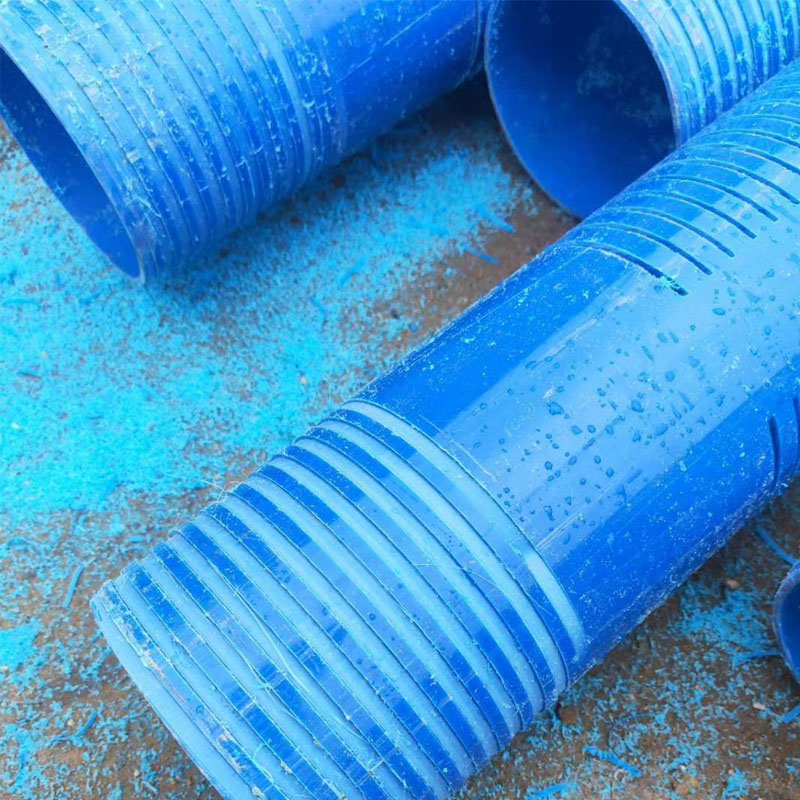
The performance of HDPE pipe couplers is fundamentally governed by principles of stress analysis and material behavior. During system operation, couplers are subjected to internal hydrostatic pressure, external soil loads (in buried applications), and potential thermal stresses due to temperature fluctuations. Force analysis focuses on evaluating hoop stress within the coupler body and shear stress at the pipe-coupler interface. Finite element analysis (FEA) is frequently employed during the design phase to optimize coupler geometry and ensure structural integrity under various loading scenarios. Environmental resistance is a crucial performance aspect. HDPE exhibits excellent resistance to corrosion and chemical attack, but long-term exposure to ultraviolet (UV) radiation can cause degradation, leading to embrittlement and reduced strength. UV stabilizers are therefore incorporated into the HDPE compound to mitigate this effect. Compliance requirements are dictated by relevant industry standards, such as ASTM D2239 (standard specification for polyethylene plastic pipe for drip irrigation), ASTM F477 (standard specification for polyethylene plastic pipe for underground fire protection), and EN 12201 (plastic piping systems for water supply and gaseous fuels). Proper installation, including adequate pipe insertion depth and ensuring a tight fit, is critical for achieving optimal performance and preventing leakage.
Technical Specifications
| Parameter | Unit | Specification (Typical) | Test Standard |
|---|---|---|---|
| Nominal Pipe Size | inch | 1/2, 3/4, 1, 1.25, 1.5, 2, 2.5, 3, 4, 6, 8, 12 | ASTM D1785 |
| Material | - | High-Density Polyethylene (HDPE) – PE100 or PE80 | ASTM D3350 |
| Pressure Rating | psi | Up to 200 psi (dependent on pipe size and SDR) | ASTM D2239/F477 |
| Operating Temperature | °F | -40 to 140 | ASTM D3350 |
| UV Resistance | Hours (to 50% tensile strength loss) | >1000 | ASTM G154 |
| Joint Leakage | - | Zero leakage at specified pressure | ASTM D3212 |
Failure Mode & Maintenance
HDPE pipe coupler failures typically stem from several root causes. Fatigue cracking can occur under cyclic pressure loading, particularly in applications with frequent pressure surges. This is exacerbated by pre-existing stress concentrations, such as those caused by improper installation or surface defects. Delamination, while less common, can occur due to insufficient fusion during the injection molding process, leading to layer separation within the coupler body. Environmental degradation, primarily due to UV exposure, results in material embrittlement and reduced impact resistance, increasing the susceptibility to cracking. Oxidation, although HDPE is relatively resistant, can occur over extended periods at elevated temperatures. A common failure mode is joint displacement, where the pipe slips out of the coupler due to inadequate insertion depth or insufficient mechanical grip. Maintenance primarily focuses on preventative measures. Regular visual inspections should be conducted to identify any signs of cracking, deformation, or UV degradation. Ensure proper burial depth for underground applications to protect against mechanical damage and UV exposure. For above-ground installations, periodic application of UV-protective coatings can extend service life. If leakage is detected, the affected coupler should be immediately replaced. Prior to installation, verify pipe dimensions and coupler compatibility to ensure a tight and secure fit. Avoid over-tightening, which can induce stress concentrations and potentially damage the coupler.
Industry FAQ
Q: What are the key differences between HDPE couplers and PVC couplers in terms of long-term durability?
A: HDPE couplers generally exhibit superior long-term durability compared to PVC couplers, primarily due to HDPE’s inherent resistance to creep, stress cracking, and impact damage. PVC can become brittle over time, especially in cold temperatures, while HDPE maintains its flexibility and toughness across a wider temperature range. HDPE also boasts better chemical resistance and is less susceptible to degradation from UV exposure, though UV stabilizers are still recommended for outdoor applications.
Q: How does the SDR (Standard Dimension Ratio) of the pipe affect the pressure rating of the HDPE coupler?
A: The SDR, which is the ratio of pipe diameter to wall thickness, directly influences the pipe's and consequently the coupler’s pressure rating. A lower SDR indicates a thicker wall and, therefore, a higher pressure rating. Couplers must be selected to match the SDR of the connected pipes to ensure compatibility and maintain the system’s overall pressure integrity.
Q: What installation procedures are critical to prevent joint displacement in HDPE coupler connections?
A: Ensuring adequate pipe insertion depth is paramount. The pipe must be fully seated within the coupler to achieve a mechanical interlock and maximize friction. Some couplers require the use of a specialized insertion tool to guarantee proper seating. Additionally, ensuring the pipe end is clean and free from debris is essential. Avoid rotating the pipe within the coupler after insertion, as this can loosen the connection.
Q: Can HDPE couplers be used with different types of plastics besides HDPE pipe?
A: While HDPE couplers are primarily designed for use with HDPE pipe, they can sometimes be used with other polyethylene-based plastics, such as LDPE or XLPE, provided the dimensions are compatible. However, it is crucial to verify chemical compatibility and ensure the joining method provides a watertight seal. Using dissimilar materials can compromise long-term joint integrity.
Q: What is the role of carbon black in HDPE coupler materials and how does its concentration affect performance?
A: Carbon black is added to HDPE primarily to provide UV protection by absorbing harmful ultraviolet radiation. It also enhances the coupler’s mechanical properties, such as tensile strength and impact resistance. Increasing the carbon black concentration generally improves UV resistance but can also reduce flexibility and increase material cost. The optimal concentration is typically 2-5% by weight.
Conclusion
HDPE pipe couplers represent a robust and reliable joining solution for polyethylene piping systems across a diverse range of applications. Their performance characteristics – stemming from careful material selection, precise manufacturing control, and adherence to industry standards – offer significant advantages over traditional joining methods. Understanding the material science, engineering principles, potential failure modes, and preventative maintenance practices is crucial for ensuring long-term system integrity and minimizing operational costs.
Moving forward, advancements in HDPE coupler technology are likely to focus on enhancing installation efficiency, improving resistance to aggressive environments, and developing smart coupler designs incorporating sensors for real-time monitoring of system performance. The continued adoption of HDPE piping systems, driven by their durability, corrosion resistance, and environmental benefits, will further solidify the role of these couplers as critical components in modern infrastructure.
-
DN25 HDPE Compression Fitting-HORON INTERNATIONAL|Reliable Irrigation Solutions
NewsFeb.11,2026
-
hdpe coupling joint product Manufacturing Analysis
News2026-11-18
-
ppr pipe heating time products Performance Analysis
News2026-11-16
-
hdpe pipe sizes factory Performance Analysis
News2026-11-09
-
HDPE Pipe Sizes Service Performance Analysis
News2026-10-26
-
wholesale 15mm ppr pipe Material Science and Performance Analysis
News2026-10-20
-
wholesale pvc pipe price per foot Technical Analysis
News2026-09-21
-
wholesale long pvc pipe Technical Analysis and Manufacturing Specifications
News2026-09-15
-
wholesale plumbing kitchen sink water lines Material Performance
News2026-09-15
-
wholesale hdpe drip irrigation Material Science
News2026-09-15
-
wholesale hot water ppr pipe Performance Analysis
News2026-09-15
-
wholesale ppr plumbing Performance Analysis
News2026-09-15
-
wholesale ppr pipe supplier Performance Analysis
News2026-09-13
-
wholesale 50mm ppr pipe Performance Analysis
News2026-09-13
-
wholesale hdpe drip pipe Performance Analysis
News2026-09-13
-
wholesale hdpe pipe 63mm price Manufacturing Specification and Performance Analysis
News2026-09-13