

Feb . 11, 2026 00:01 Back to list
bulk pvc pipe manufacturer Performance Analysis
Introduction
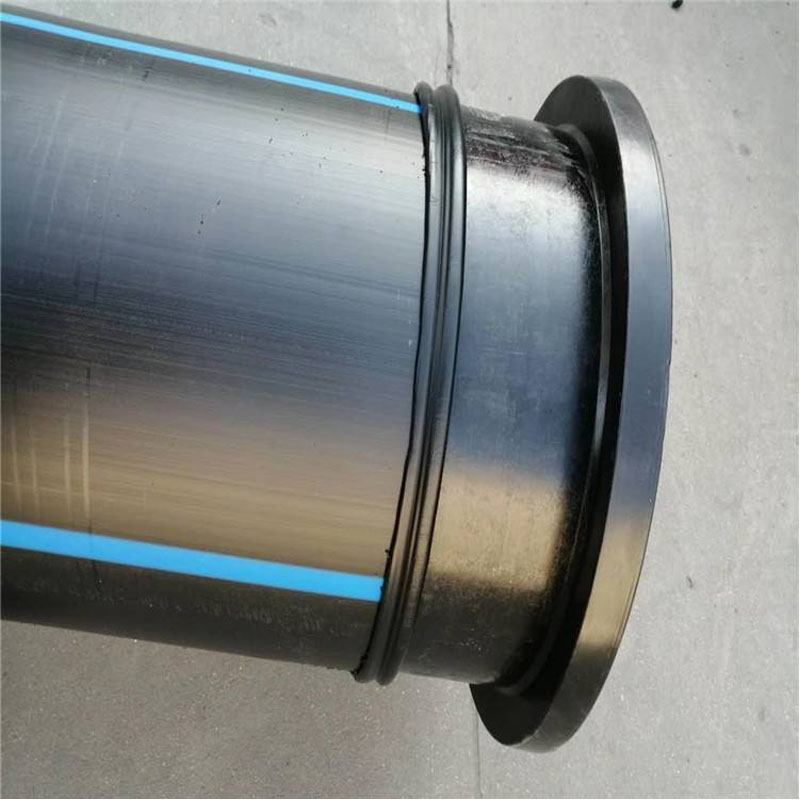
Polyvinyl chloride (PVC) pipe, manufactured in bulk quantities, represents a foundational element in modern infrastructure. Its primary function is fluid conveyance – potable water distribution, wastewater management, irrigation, and industrial process piping. Technically, PVC pipes are thermoplastic extrusion products produced from PVC resin, plasticizers, stabilizers, and lubricants. Within the industrial chain, PVC pipe production occurs downstream of petrochemical feedstock production (ethylene and chlorine), resin polymerization, and compounding. Core performance characteristics center around pressure rating (PSI), tensile strength, chemical resistance, and long-term durability, all critical factors influencing service life and system reliability. Bulk manufacturing focuses on achieving economies of scale while maintaining consistent quality and adherence to stringent industry standards. The increasing demand for cost-effective and corrosion-resistant piping solutions drives continual innovation in PVC formulation and manufacturing techniques.
Material Science & Manufacturing
The core raw material, PVC resin, is a polymer of vinyl chloride monomers. Its physical properties – amorphous structure, inherent rigidity, and relatively low thermal stability – necessitate the inclusion of additives. Plasticizers, such as phthalates or DINP, impart flexibility and impact resistance. Stabilizers, typically based on organotin compounds or calcium-zinc formulations, prevent degradation during processing and in service, primarily addressing thermal and UV degradation. Lubricants, like stearic acid, reduce friction during extrusion. Manufacturing utilizes primarily the extrusion process. PVC compound is fed into a single or twin-screw extruder, where it's heated, melted, and homogenized. The molten PVC is then forced through a die, shaping it into the desired pipe dimensions. Critical parameters include die temperature (180-220°C), screw speed (30-80 RPM), haul-off speed, and cooling rate. Precise control of these parameters dictates wall thickness uniformity, dimensional accuracy, and surface finish. Post-extrusion processes include cutting to length, bell-end forming (for solvent welding), and quality inspection. Material compatibility with additives is crucial; improper mixing can lead to phase separation and compromised mechanical properties. Different PVC formulations (Schedule 40, Schedule 80, CPVC) are created by varying the plasticizer and stabilizer content, altering the material’s rigidity and temperature resistance.
Performance & Engineering
Performance assessment of PVC pipe hinges on several key engineering principles. Hydrostatic pressure testing, conducted according to ASTM D1598, verifies the pipe’s ability to withstand internal pressure without failure. Tensile strength, measured via ASTM D810, dictates resistance to longitudinal stresses. Impact resistance, assessed by ASTM D2444, is critical for handling and installation. Chemical resistance is paramount, particularly in industrial applications; PVC exhibits excellent resistance to acids, bases, and salts, but is susceptible to attack by some organic solvents and aromatic hydrocarbons. Environmental resistance considerations include UV degradation (addressed by UV stabilizers) and soil corrosivity. Long-term creep behavior – the tendency to deform under sustained stress – is a major design consideration. Finite Element Analysis (FEA) is routinely employed to model stress distribution within the pipe wall under various loading conditions (internal pressure, soil load, bending moments). Compliance with building codes (UPC, IPC) and water quality standards (NSF/ANSI 61) is mandatory. The selection of appropriate pipe schedule (40, 80, etc.) depends on the application’s pressure and temperature requirements, balancing cost with performance.
Technical Specifications
| Parameter | Schedule 40 (PVC) | Schedule 80 (PVC) | CPVC (ASTM D2846) |
|---|---|---|---|
| Pressure Rating (PSI @ 73°F) | 400 | 600 | 400-1000 (depending on temp) |
| Tensile Strength (ASTM D810, PSI) | 6,900 | 7,500 | 8,000-9,000 |
| Impact Strength (ASTM D2444, ft-lb) | 10 | 12 | 8-15 |
| Operating Temperature Range (°F) | -40 to 140 | -40 to 140 | -40 to 212 |
| Modulus of Elasticity (PSI) | 300,000-350,000 | 320,000-380,000 | 400,000-450,000 |
| Wall Thickness (Nominal, inches) | 0.065 | 0.112 | Varies by Schedule |
Failure Mode & Maintenance
PVC pipe failures typically stem from several modes. Brittle fracture, especially at low temperatures, can occur due to impact or overstress. Long-term hydrostatic stress can lead to creep rupture, particularly in systems operating near their maximum pressure rating. Chemical attack, from incompatible substances, causes material degradation and weakening. UV exposure degrades the polymer matrix, reducing its mechanical properties (addressed through UV stabilization). Fatigue cracking arises from cyclical pressure fluctuations. Soil stresses, including settlement and expansive soil conditions, induce bending moments and potential cracking. Delamination can occur due to poor bonding between layers during manufacturing. Maintenance involves periodic visual inspections for cracks, discoloration, or deformation. Proper support and bedding are crucial to minimize soil stresses. Avoiding exposure to incompatible chemicals is vital. For systems experiencing high temperatures, CPVC may be necessary. Joints, particularly solvent-welded joints, are primary failure points and should be inspected for leaks. Pressure testing should be conducted periodically to verify system integrity. Repairing minor cracks can be done with PVC repair clamps; major failures necessitate pipe replacement.
Industry FAQ
Q: What is the impact of plasticizer migration on the long-term performance of PVC pipe?
A: Plasticizer migration, the gradual leaching of plasticizers from the PVC matrix, can lead to embrittlement over time, reducing impact resistance and flexibility. The rate of migration is affected by temperature, chemical exposure, and the type of plasticizer used. Higher-quality plasticizers and proper stabilization formulations minimize migration. This is a key consideration for long-term buried applications.
Q: How does soil corrosivity affect PVC pipe longevity?
A: While PVC itself is corrosion-resistant, aggressive soil conditions (high chloride content, acidic pH, sulfate attack) can degrade the surrounding backfill material, potentially leading to uneven support and induced stresses on the pipe. Proper bedding and backfill materials are crucial for mitigating this risk. Geotextile wrapping can also provide a protective barrier.
Q: What are the differences between Schedule 40 and Schedule 80 PVC pipe, and when should each be used?
A: Schedule 80 pipe has a thicker wall than Schedule 40, providing higher pressure ratings and increased structural rigidity. Schedule 40 is suitable for lower-pressure applications like irrigation and residential water supply. Schedule 80 is preferred for industrial applications, high-pressure systems, and situations requiring greater impact resistance.
Q: What is the role of CPVC in expanding the operational temperature range?
A: CPVC (Chlorinated Polyvinyl Chloride) exhibits significantly higher thermal stability than standard PVC due to the chlorination process. This allows CPVC to maintain its mechanical properties at higher temperatures (up to 212°F), making it ideal for hot water distribution systems and industrial processes involving heated fluids.
Q: How important is proper solvent welding technique for ensuring long-term joint integrity?
A: Proper solvent welding is critical. Incorrect application – insufficient cement, improper primer use, inadequate curing time – can lead to weak joints prone to leaks and failure. Surface preparation (cleaning and priming) is essential for creating a strong chemical bond. Following manufacturer's instructions precisely is non-negotiable.
Conclusion
Bulk PVC pipe manufacturing represents a complex interplay of material science, extrusion engineering, and stringent quality control. The selection of appropriate PVC formulations – considering factors like pressure rating, temperature requirements, and chemical compatibility – is paramount for ensuring long-term performance and system reliability. A thorough understanding of potential failure modes, coupled with proactive maintenance practices, is essential for maximizing the service life of PVC piping infrastructure.
Future advancements in PVC technology are likely to focus on developing more sustainable formulations (bio-based plasticizers, recycled content), enhancing UV resistance, and improving resistance to aggressive chemical environments. Continuous improvements in extrusion processes will aim to further reduce manufacturing costs while maintaining high quality standards. The ongoing demand for robust, cost-effective, and durable piping solutions will continue to drive innovation in the bulk PVC pipe industry.
-
DN25 HDPE Compression Fitting-HORON INTERNATIONAL|Reliable Irrigation Solutions
NewsFeb.11,2026
-
discount ppr pipe for chilled water system Performance Analysis
News2026-06-28
-
discount ppr plumbing pipe Performance Analysis
News2026-06-28
-
discount yellow pvc pipe Technical Analysis
News2026-06-28
-
discount pvc down pipe Performance Analysis
News2026-06-28
-
discount ppr pipes Performance Analysis
News2026-06-28
-
discount hdpe pipe coupling Performance Analysis
News2026-06-27
-
discount kitchen sink water lines Performance Analysis
News2026-06-27
-
discount dn25 hdpe Performance Analysis
News2026-06-27
-
discount hdpe sprinkler coupler Performance Analysis
News2026-06-27
-
discount black pvc pipe for sale Performance Analysis
News2026-06-27
-
discount 40mm pvc pipe Performance Analysis
News2026-06-26
-
discount hdpe to pvc connection Performance Analysis
News2026-06-26
-
discount ppr pipe 1 price Technical Analysis
News2026-06-26
-
discount colored pvc pipe Material Science and Manufacturing
News2026-06-26
-
discount hdpe pipe price list pdf Performance and Engineering
News2026-06-26