

Feb . 11, 2026 00:01 Back to list
bulk pvc pipe factory Performance Analysis
Introduction
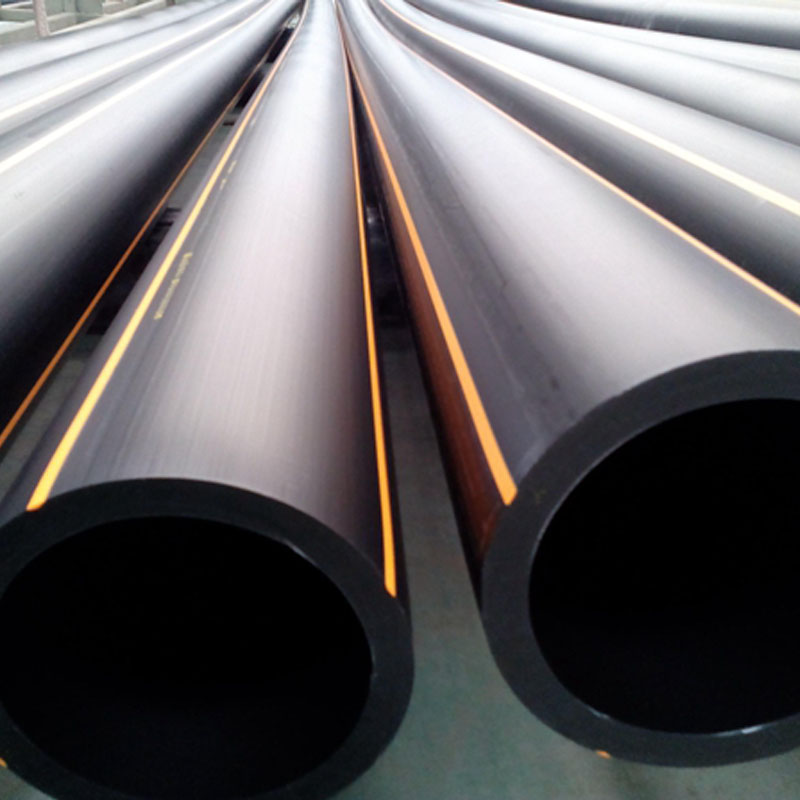
Polyvinyl Chloride (PVC) pipe, manufactured in bulk by dedicated factories, represents a cornerstone material in modern infrastructure. Positioned centrally in the fluid conveyance industry, it serves applications ranging from potable water distribution and wastewater management to irrigation, drainage, and industrial processing. This technical guide provides an in-depth examination of bulk PVC pipe, encompassing material science, manufacturing processes, performance characteristics, potential failure modes, and relevant industry standards. The core performance attributes – durability, chemical resistance, cost-effectiveness, and ease of installation – drive its widespread adoption. However, optimal selection and long-term reliability necessitate a thorough understanding of the material’s limitations and appropriate application guidelines, which this document aims to provide. The primary pain points in the PVC pipe industry revolve around maintaining consistent material quality in mass production, ensuring long-term resistance to environmental stress cracking (ESC), and adhering to increasingly stringent regulatory requirements regarding material leachates and environmental impact.
Material Science & Manufacturing
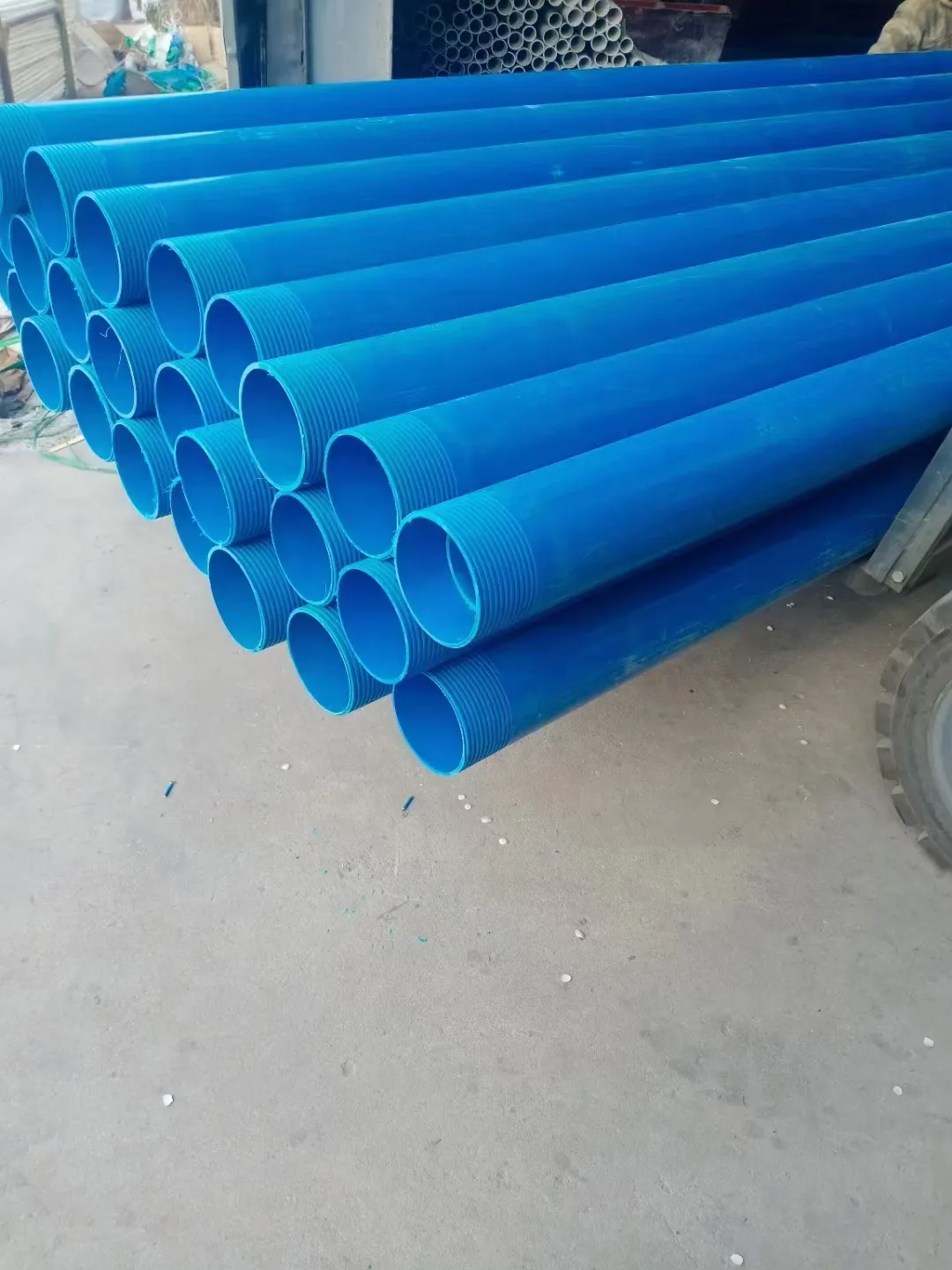
PVC is a thermoplastic polymer synthesized from the polymerization of vinyl chloride monomer (VCM). The resulting polymer, in its pure form, is rigid and brittle. Therefore, plasticizers – typically phthalates or adipates – are added during compounding to enhance flexibility and impact resistance. The selection and concentration of plasticizers significantly influence the pipe’s performance characteristics, including its temperature rating and long-term durability. Other crucial additives include heat stabilizers (e.g., calcium-zinc or lead-based compounds) to prevent thermal degradation during processing, lubricants to facilitate extrusion, and pigments for coloration and UV protection. Raw material quality control is paramount; variations in VCM purity, resin molecular weight distribution, and additive consistency can lead to inconsistencies in the finished product. The manufacturing process commonly employs extrusion. PVC resin, plasticizers, stabilizers, lubricants, and pigments are fed into a hopper and conveyed to an extruder. Within the extruder, the material is heated, melted, and homogenized. The molten PVC is then forced through a die, shaping it into a continuous pipe profile. Critical parameters during extrusion include barrel temperature profile, screw speed, die pressure, and cooling rate. Precise control of these parameters is essential to achieve consistent wall thickness, diameter, and surface finish. Subsequent processes include cutting the pipe to specified lengths, bell-end forming (for solvent welding), and quality control inspection. Hydrostatic testing is routinely employed to verify the pipe’s ability to withstand internal pressure.
Performance & Engineering
The performance of PVC pipe is dictated by its mechanical properties, chemical resistance, and ability to withstand environmental stressors. Tensile strength, yield strength, and elongation at break are critical parameters determined through standardized testing (ASTM D1785). The modulus of elasticity dictates the pipe’s stiffness and resistance to deflection under load. PVC exhibits excellent resistance to a wide range of chemicals, including acids, alkalis, and salts, making it suitable for numerous industrial applications. However, prolonged exposure to certain solvents and hydrocarbons can cause swelling and degradation. A key engineering consideration is the pipe’s resistance to environmental stress cracking (ESC). ESC occurs when sustained tensile stress, combined with exposure to certain chemicals or environmental factors (UV radiation, temperature fluctuations), leads to crack initiation and propagation. The degree of ESC resistance is influenced by the PVC formulation, particularly the type and concentration of plasticizers. Furthermore, hydrostatic design stress (HDS) calculations are crucial for determining the maximum allowable internal pressure based on factors such as pipe diameter, wall thickness, and temperature. Installation practices also significantly impact performance; proper bedding, backfill compaction, and jointing techniques are essential to prevent stress concentrations and ensure long-term integrity. The thermal expansion coefficient of PVC is relatively high, requiring expansion joints or flexible connections to accommodate temperature variations and prevent buckling.
Technical Specifications
| Parameter | Schedule 40 PVC | Schedule 80 PVC | CPVC (Chlorinated PVC) | Units |
|---|---|---|---|---|
| Tensile Strength | 6,000 | 6,000 | 8,000 | psi |
| Yield Strength | 5,000 | 5,500 | 7,000 | psi |
| Modulus of Elasticity | 300,000 | 320,000 | 350,000 | psi |
| Impact Strength (Izod Notched) | 1.0 | 1.5 | 2.0 | ft-lb/in |
| Water Absorption (24hr) | 0.05 | 0.05 | 0.1 | % |
| Temperature Rating | 140 | 140 | 180 | °F |
Failure Mode & Maintenance
PVC pipe is susceptible to several failure modes, including environmental stress cracking (ESC), brittle fracture, impact damage, and UV degradation. ESC, as previously discussed, is a common failure mechanism, particularly in applications involving sustained tensile stress and exposure to aggressive chemicals. Brittle fracture can occur during installation or operation, especially at low temperatures or due to sharp impacts. Impact damage can result from accidental strikes or heavy loads. UV degradation causes embrittlement and discoloration, reducing the pipe’s mechanical properties over time. Proper maintenance can significantly extend the service life of PVC pipe. Regular visual inspections should be conducted to identify any signs of cracking, deformation, or discoloration. Areas prone to stress concentration, such as joints and fittings, should be closely examined. Avoid exposing PVC pipe to excessive temperatures or incompatible chemicals. Protect the pipe from direct sunlight with appropriate coatings or burial depths. If cracks are detected, immediate repair or replacement is necessary. Solvent welding should be performed according to manufacturer’s instructions, ensuring proper surface preparation and adequate curing time. For long-term preventative maintenance, consider implementing a corrosion monitoring program and periodic hydrostatic testing to assess the pipe’s integrity. In cases of ESC, identifying the causative chemical and mitigating its exposure is crucial.
Industry FAQ
Q: What is the impact of different plasticizers on the long-term performance of PVC pipe?
A: The type and concentration of plasticizer significantly impact the pipe’s flexibility, temperature resistance, and susceptibility to ESC. Phthalate plasticizers, while cost-effective, are increasingly scrutinized due to environmental concerns. Adipate plasticizers offer improved low-temperature performance and ESC resistance but are typically more expensive. The choice of plasticizer should be carefully considered based on the application requirements and regulatory constraints.
Q: How does hydrostatic testing ensure the quality of bulk PVC pipe?
A: Hydrostatic testing involves pressurizing the pipe with water to a level significantly higher than its normal operating pressure. This tests the pipe's ability to withstand internal pressure and reveals any defects, such as leaks, cracks, or weak points. The test duration and pressure level are specified by industry standards (e.g., ASTM D1785).
Q: What are the key differences between Schedule 40 and Schedule 80 PVC pipe?
A: Schedule 80 PVC pipe has a thicker wall than Schedule 40 PVC pipe, resulting in higher pressure ratings and greater mechanical strength. Schedule 80 is typically used in applications requiring higher pressure or greater durability, such as industrial processes and high-demand plumbing systems. Schedule 40 is sufficient for many residential and commercial applications.
Q: How can environmental stress cracking be prevented in PVC pipe installations?
A: Preventing ESC involves minimizing sustained tensile stress, avoiding exposure to incompatible chemicals, and selecting a PVC formulation with good ESC resistance. Proper bedding and backfill compaction are essential to prevent stress concentrations. Using appropriate jointing techniques and protecting the pipe from UV radiation also contributes to ESC prevention.
Q: What are the advantages of CPVC over standard PVC in certain applications?
A: CPVC (Chlorinated PVC) offers higher temperature resistance than standard PVC, making it suitable for hot water distribution and industrial applications involving elevated temperatures. It also exhibits improved chemical resistance and flame retardancy. However, CPVC is typically more expensive than standard PVC and requires specialized installation techniques.
Conclusion
Bulk PVC pipe remains a dominant material in fluid conveyance systems due to its cost-effectiveness, versatility, and durability. However, achieving long-term reliability requires a comprehensive understanding of its material properties, manufacturing processes, and potential failure modes. Careful consideration of application requirements, proper installation practices, and proactive maintenance strategies are essential for maximizing the service life and minimizing the risk of failure. The selection of appropriate PVC formulations, particularly regarding plasticizer type and concentration, is critical for optimizing performance and mitigating the risk of environmental stress cracking.
Looking forward, advancements in PVC compounding technology, including the development of bio-based plasticizers and enhanced stabilizer systems, promise to further improve the sustainability and performance of PVC pipe. Continued adherence to stringent quality control standards and ongoing research into failure mechanisms will be crucial for ensuring the long-term integrity of PVC infrastructure and addressing evolving regulatory requirements. The industry's focus on minimizing environmental impact and promoting responsible manufacturing practices will undoubtedly shape the future of bulk PVC pipe production.
-
DN25 HDPE Compression Fitting-HORON INTERNATIONAL|Reliable Irrigation Solutions
NewsFeb.11,2026
-
discount ppr pipe for chilled water system Performance Analysis
News2026-06-28
-
discount ppr plumbing pipe Performance Analysis
News2026-06-28
-
discount yellow pvc pipe Technical Analysis
News2026-06-28
-
discount pvc down pipe Performance Analysis
News2026-06-28
-
discount ppr pipes Performance Analysis
News2026-06-28
-
discount hdpe pipe coupling Performance Analysis
News2026-06-27
-
discount kitchen sink water lines Performance Analysis
News2026-06-27
-
discount dn25 hdpe Performance Analysis
News2026-06-27
-
discount hdpe sprinkler coupler Performance Analysis
News2026-06-27
-
discount black pvc pipe for sale Performance Analysis
News2026-06-27
-
discount 40mm pvc pipe Performance Analysis
News2026-06-26
-
discount hdpe to pvc connection Performance Analysis
News2026-06-26
-
discount ppr pipe 1 price Technical Analysis
News2026-06-26
-
discount colored pvc pipe Material Science and Manufacturing
News2026-06-26
-
discount hdpe pipe price list pdf Performance and Engineering
News2026-06-26