

Feb . 11, 2026 00:01 Back to list
bulk pvc pipe factories Performance Analysis
Introduction
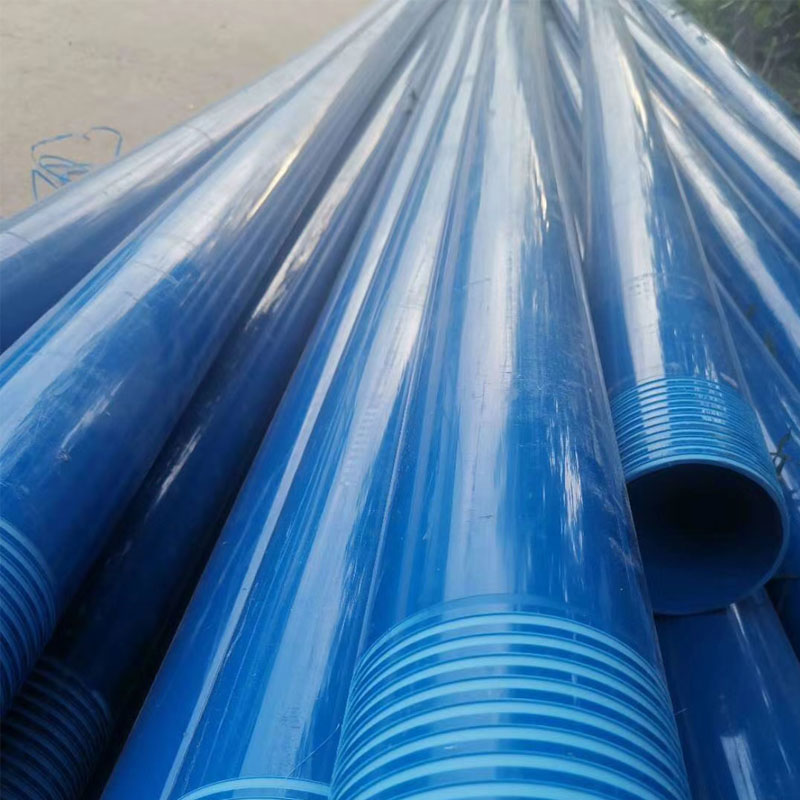
Polyvinyl chloride (PVC) pipe represents a cornerstone material in modern infrastructure, serving diverse applications from potable water distribution and irrigation to sewage systems and industrial fluid transport. Bulk PVC pipe factories focus on the large-scale production of these pipes, catering to infrastructure projects and industrial demands. The technical position of PVC pipe within the construction and industrial value chain is critical; it bridges raw material suppliers (ethylene and chlorine) with end-users through fabrication, installation, and long-term operational performance. Core performance characteristics of PVC pipe include its cost-effectiveness, corrosion resistance, lightweight nature, and ease of installation. However, achieving consistent quality, dimensional accuracy, and compliance with stringent industry standards are significant challenges faced by manufacturers and end-users alike. This guide provides an in-depth exploration of PVC pipe production, material science, performance engineering, failure analysis, and relevant industry standards.
Material Science & Manufacturing
PVC is a thermoplastic polymer formed through the polymerization of vinyl chloride monomer (VCM). The primary raw material, ethylene, is derived from either crude oil or natural gas, while chlorine typically comes from the electrolysis of brine (sodium chloride solution). The manufacturing process broadly consists of polymerization, compounding, extrusion, and finishing. Polymerization yields PVC resin, which is then compounded with additives like plasticizers (e.g., phthalates, DINP), stabilizers (e.g., lead-based, calcium-zinc-based), lubricants, and impact modifiers to achieve desired properties. The selection and proportion of these additives dramatically affect the final pipe’s flexibility, heat resistance, and long-term durability. Extrusion is the core manufacturing process; PVC compound is fed into a heated extruder where it melts and is forced through a die to form the pipe’s shape. Key process parameters include extrusion temperature (typically 160-200°C), screw speed, die geometry, and cooling rate. Precise control of these parameters is vital to ensure consistent wall thickness, diameter, and surface finish. Cooling is typically achieved using water baths, followed by dimensional stabilization and cutting to specified lengths. Quality control at each stage, including resin analysis, compound blending verification, and dimensional inspection of the finished product, is paramount. Furthermore, the source and quality of VCM significantly impact the final product’s performance, specifically its resistance to degradation and yellowing.
Performance & Engineering
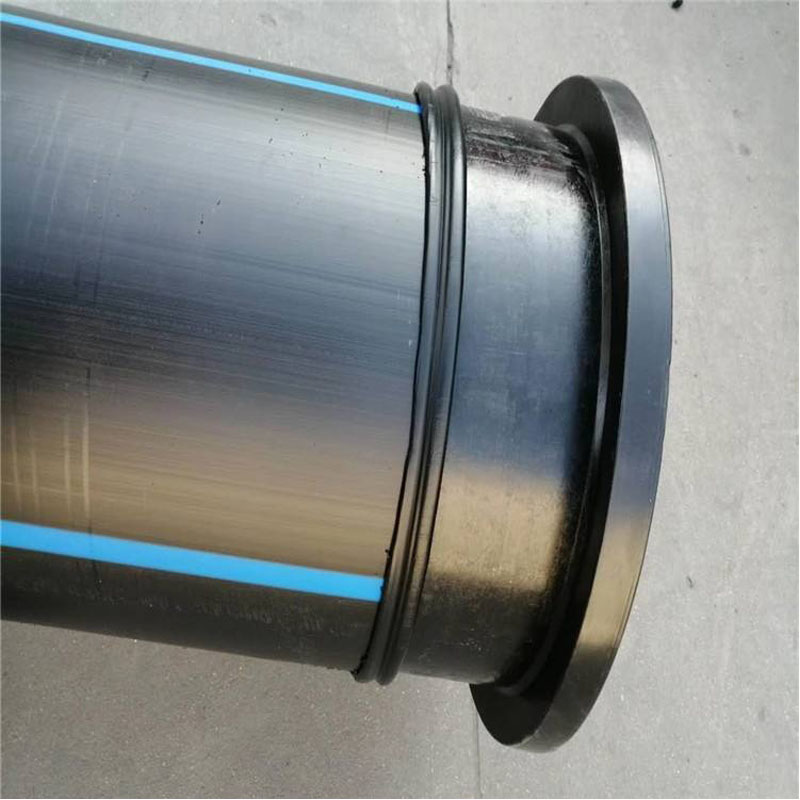
The performance of PVC pipe is primarily governed by its mechanical strength, chemical resistance, and hydraulic properties. Tensile strength, yield strength, and elongation at break are critical mechanical properties determining the pipe’s ability to withstand internal pressure and external loads. PVC’s inherent resistance to a wide range of chemicals – including acids, bases, and salts – makes it suitable for corrosive environments. However, prolonged exposure to certain organic solvents can cause swelling and degradation. Hydraulic performance is evaluated through pressure testing (short-term and long-term hydrostatic strength) and flow capacity assessments. The Hazen-Williams equation is commonly used to calculate friction losses within PVC pipes. Engineering design considerations include soil loading (for buried pipes), thermal expansion and contraction (requiring expansion joints), and potential for surge pressure (requiring pressure relief valves). Moreover, PVC pipe’s susceptibility to creep (time-dependent deformation under sustained load) must be considered in long-term design calculations. Standards dictate minimum safety factors to account for these uncertainties. The long-term durability is heavily influenced by UV exposure, necessitating the inclusion of UV stabilizers in the compound formulation, particularly for above-ground applications. Pipe wall thickness is a critical parameter; increasing wall thickness proportionally increases pressure rating and impact resistance, but also increases material cost.
Technical Specifications
| Parameter | Schedule 40 PVC | Schedule 80 PVC | ASTM D2241 PVC (CTS) |
|---|---|---|---|
| Pressure Rating (PSI at 73°F) | 400 | 600 | 100 |
| Typical Wall Thickness (inches) | 0.133 | 0.179 | 0.062-0.154 (varies with diameter) |
| Density (g/cm³) | 1.40 | 1.40 | 1.40 |
| Tensile Strength (MPa) | 62-69 | 62-69 | 55-62 |
| Impact Strength (Izod Notched, J/m) | 600-800 | 800-1000 | 400-600 |
| Operating Temperature Range (°C) | 0-60 | 0-60 | 0-60 |
Failure Mode & Maintenance
PVC pipe failures can arise from several mechanisms. Brittle fracture, particularly at low temperatures or due to impact damage, is a common failure mode. Long-term hydrostatic stress can lead to slow crack propagation (SCP), exacerbated by residual stresses from manufacturing and environmental factors. UV degradation causes embrittlement and discoloration, reducing impact resistance. Chemical attack, particularly from certain organic solvents, can cause swelling, softening, and eventual failure. Corrosion, while PVC is generally corrosion-resistant, can occur in the presence of specific aggressive chemicals or stray electrical currents. Delamination can occur if the PVC compound is not properly mixed or if the extrusion process is poorly controlled. Maintenance typically involves visual inspections for cracks, discoloration, or deformation. Periodic pressure testing can identify leaks or weaknesses. For buried pipes, proper bedding and backfill material are crucial to prevent external loads from causing damage. Avoiding the use of incompatible solvents near PVC pipes is essential. Repair options include the use of PVC repair couplings, sleeves, or replacement of the damaged section. Preventive maintenance, such as applying UV protective coatings for exposed pipes, can significantly extend service life. Furthermore, ensuring proper jointing techniques (solvent welding) is crucial to prevent leaks at connections.
Industry FAQ
Q: What is the impact of phthalate plasticizers on the long-term performance of PVC pipe?
A: Phthalate plasticizers, while improving flexibility, are prone to leaching over time, leading to embrittlement and reduced flexibility. This reduces the long-term durability and can lead to cracking, particularly in applications with high temperatures or exposure to certain chemicals. Increasingly, manufacturers are transitioning to alternative plasticizers like DINP, which exhibit lower migration rates and improved long-term stability.
Q: How does soil corrosivity affect the service life of buried PVC pipe?
A: While PVC is inherently corrosion-resistant, highly corrosive soils can accelerate degradation. Electrochemical corrosion, caused by stray electrical currents, can damage PVC pipes. The pH level of the soil and the presence of sulfates and chlorides are also critical factors. Proper bedding and protective coatings can mitigate these effects.
Q: What are the key differences between Schedule 40 and Schedule 80 PVC pipe?
A: Schedule 80 PVC pipe has a thicker wall than Schedule 40, resulting in a higher pressure rating and increased impact resistance. While more expensive, Schedule 80 is preferred for applications requiring greater strength and durability, such as high-pressure industrial processes or critical infrastructure systems. Schedule 40 is suitable for lower-pressure applications like irrigation and residential plumbing.
Q: How is the quality of solvent cement verified during pipe joining?
A: The quality of solvent cement is crucial for creating watertight joints. Verification involves checking the cement’s expiration date, ensuring compatibility with the PVC pipe and fittings, and following the manufacturer’s recommended application procedures. Proper ventilation during application is essential. Visual inspection of the joint after curing should reveal a uniform weld bead without voids or gaps.
Q: What is the role of stabilizers in PVC pipe formulations, and what are the environmental concerns associated with different stabilizer types?
A: Stabilizers prevent the degradation of PVC during processing and exposure to heat and UV radiation. Lead-based stabilizers were historically used but are now being phased out due to environmental and health concerns. Calcium-zinc-based stabilizers are a more environmentally friendly alternative, though they can sometimes impact the clarity and long-term thermal stability of the PVC. The choice of stabilizer significantly impacts the pipe’s lifecycle and environmental footprint.
Conclusion
The production and performance of bulk PVC pipe are complex processes deeply rooted in material science, manufacturing precision, and rigorous engineering principles. Understanding the interplay between raw material properties, extrusion parameters, and environmental factors is critical for ensuring the long-term reliability and safety of PVC pipe infrastructure. The selection of appropriate PVC formulations, adherence to industry standards, and implementation of robust quality control measures are paramount for manufacturers.
Future advancements in PVC technology will likely focus on the development of bio-based PVC resins, improved plasticizers with lower migration rates, and enhanced stabilization systems to minimize environmental impact and extend service life. Continued research into failure mechanisms and preventative maintenance strategies will further optimize the performance and durability of PVC pipe systems, ensuring their continued role as a vital component of modern infrastructure.
-
DN25 HDPE Compression Fitting-HORON INTERNATIONAL|Reliable Irrigation Solutions
NewsFeb.11,2026
-
hdpe coupling joint product Manufacturing Analysis
News2026-11-18
-
ppr pipe heating time products Performance Analysis
News2026-11-16
-
hdpe pipe sizes factory Performance Analysis
News2026-11-09
-
HDPE Pipe Sizes Service Performance Analysis
News2026-10-26
-
wholesale 15mm ppr pipe Material Science and Performance Analysis
News2026-10-20
-
wholesale pvc pipe price per foot Technical Analysis
News2026-09-21
-
wholesale long pvc pipe Technical Analysis and Manufacturing Specifications
News2026-09-15
-
wholesale plumbing kitchen sink water lines Material Performance
News2026-09-15
-
wholesale hdpe drip irrigation Material Science
News2026-09-15
-
wholesale hot water ppr pipe Performance Analysis
News2026-09-15
-
wholesale ppr plumbing Performance Analysis
News2026-09-15
-
wholesale ppr pipe supplier Performance Analysis
News2026-09-13
-
wholesale 50mm ppr pipe Performance Analysis
News2026-09-13
-
wholesale hdpe drip pipe Performance Analysis
News2026-09-13
-
wholesale hdpe pipe 63mm price Manufacturing Specification and Performance Analysis
News2026-09-13