

Feb . 11, 2026 00:01 Back to list
63mm pvc pipe manufacturers Performance Analysis
Introduction
63mm Polyvinyl Chloride (PVC) pipe represents a critical component in a diverse range of infrastructure applications, including potable water distribution, irrigation systems, drainage, and sewage conveyance. Its widespread adoption stems from a combination of cost-effectiveness, corrosion resistance, and ease of installation. This technical guide will provide an in-depth examination of 63mm PVC pipe, covering material science, manufacturing processes, performance characteristics, potential failure modes, and relevant industry standards. Within the broader PVC pipe market, the 63mm diameter represents a frequently utilized size balancing flow capacity with manageable handling and installation. A key performance indicator for these pipes is their Pressure Rating (PN), typically PN10 or PN16, signifying the maximum permissible operating pressure. Manufacturers must adhere to stringent quality control measures to ensure the long-term reliability and performance of these essential infrastructural elements, addressing industry pain points such as long-term degradation and ensuring consistent wall thickness for pressure integrity.
Material Science & Manufacturing
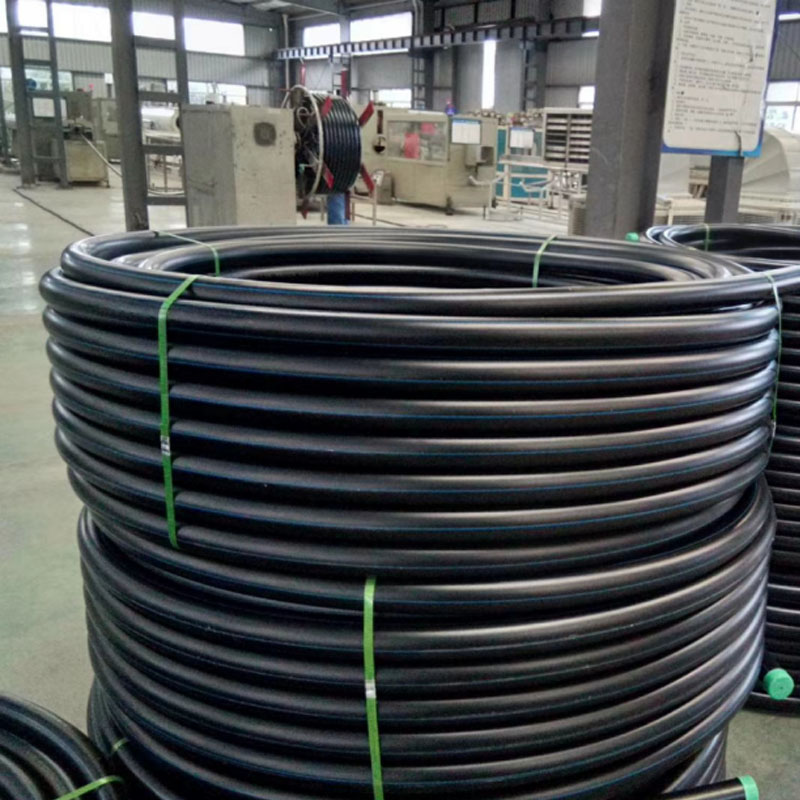
The primary raw material for 63mm PVC pipe is Polyvinyl Chloride resin, a thermoplastic polymer produced by the polymerization of vinyl chloride monomer (VCM). The resin is inherently brittle, requiring the addition of plasticizers – typically phthalates or adipates – to enhance flexibility and impact resistance. Other crucial additives include stabilizers (e.g., organotin compounds, calcium-zinc stabilizers) to prevent thermal degradation during processing and UV exposure in service, lubricants to facilitate processing, and impact modifiers (e.g., chlorinated polyethylene – CPE) to further improve toughness. The specific formulation varies between manufacturers based on the intended application and performance requirements. The manufacturing process commonly utilizes extrusion. PVC resin, along with the aforementioned additives, is fed into a twin-screw extruder, where it is heated, melted, and homogenized. The molten PVC is then forced through a die to create a continuous pipe profile. Critical parameters during extrusion include temperature control (barrel and die temperatures must be precisely regulated), screw speed (influences melt homogeneity and output rate), and die geometry (determines pipe dimensions). Post-extrusion, the pipe is cooled in a water bath to solidify the PVC, then cut to length, and subjected to quality control inspections, including dimensional checks, hydrostatic pressure testing, and impact resistance testing. The molecular weight distribution of the PVC resin significantly impacts the final pipe properties; a broader distribution generally leads to improved processability but can slightly reduce mechanical strength. Wall thickness consistency is paramount, frequently assessed using ultrasonic testing.
Performance & Engineering
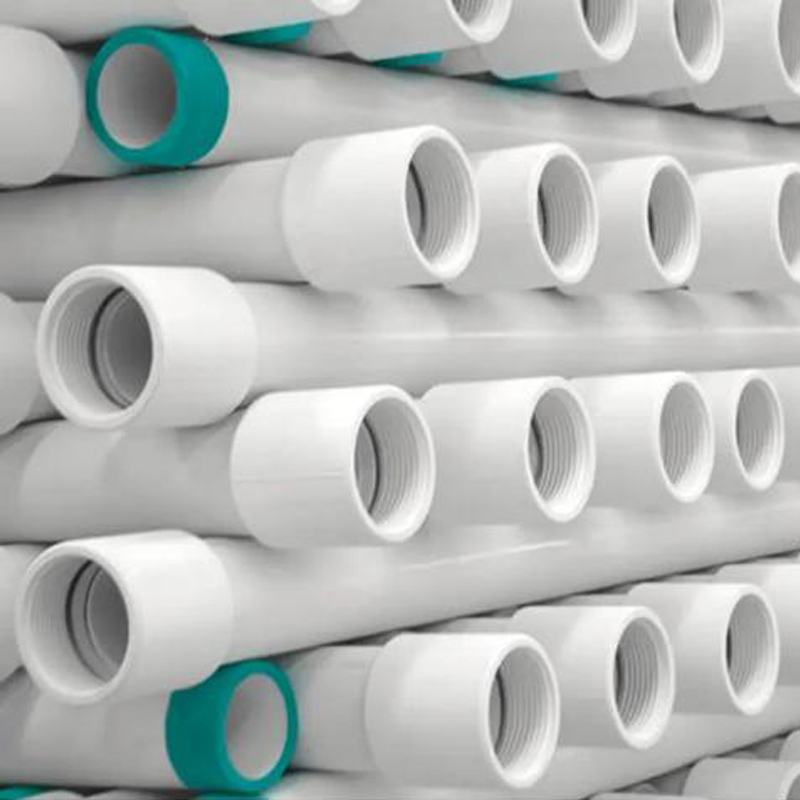
The performance of 63mm PVC pipe is governed by several key engineering principles. Hydrostatic pressure resistance is a primary concern, determined by the pipe's wall thickness, diameter, and the PVC compound's yield strength. The Barlow's formula (P = 2St/D, where P is pressure, S is yield strength, t is wall thickness, and D is diameter) provides a fundamental understanding of this relationship. Long-term hydrostatic strength is further affected by creep – the tendency of PVC to deform slowly under sustained stress. Manufacturers account for creep by applying appropriate safety factors in their design calculations. External loads, such as soil loading in buried applications, also contribute to stress. The pipe's stiffness (measured by its modulus of elasticity) and its resistance to ovalization are crucial to preventing collapse under external loads. The chemical resistance of PVC is generally excellent, but prolonged exposure to certain solvents or aggressive chemicals can cause swelling or degradation. Temperature also plays a significant role; PVC becomes more brittle at low temperatures and can soften at elevated temperatures. Furthermore, UV degradation is a concern for exposed pipes, necessitating the incorporation of UV stabilizers in the PVC formulation. Compliance with regional building codes and water quality regulations is paramount, influencing material selection and pipe installation practices. Finite element analysis (FEA) is frequently employed to model the pipe's behavior under various loading conditions and optimize its design.
Technical Specifications
| Parameter | PN10 (Standard Grade) | PN16 (High Grade) | Testing Standard |
|---|---|---|---|
| Nominal Diameter (mm) | 63 | 63 | ISO 1452 |
| Wall Thickness (mm) | 2.8 | 3.2 | ISO 1452 |
| Pressure Rating (Bar) | 10 | 16 | ISO 1452 |
| Hydrostatic Test Pressure (Bar) | 15 | 24 | ISO 1452 |
| Impact Resistance (kJ/m²) | 5 | 7.5 | ISO 1452 |
| Tensile Strength (MPa) | 55 | 60 | ASTM D638 |
Failure Mode & Maintenance
63mm PVC pipe, while durable, is susceptible to several failure modes. Long-term hydrostatic stress can lead to brittle failure, particularly at elevated temperatures or in areas of stress concentration (e.g., joints, fittings). Creep rupture is a gradual process where the pipe slowly deforms and eventually fails under sustained pressure. Environmental stress cracking (ESC) can occur due to the combined action of stress and exposure to certain chemicals. UV degradation causes the PVC to become brittle and discolored, reducing its impact resistance. Soil loading, particularly in areas with poor compaction or shifting ground, can lead to ovalization and cracking. Poor installation practices, such as improper jointing or inadequate bedding support, can also contribute to failures. Maintenance primarily involves periodic visual inspections to identify signs of cracking, discoloration, or deformation. Leak detection methods, such as pressure testing or acoustic monitoring, can identify hidden leaks. Preventative measures include proper soil compaction, adequate bedding support, and the use of UV-resistant coatings for exposed pipes. For minor cracks, specialized PVC repair compounds can be used. In cases of significant damage, pipe replacement is typically required. Regular assessment of water quality and soil conditions surrounding buried pipes can aid in predicting and preventing potential failures.
Industry FAQ
Q: What is the impact of varying temperature on the long-term performance of 63mm PVC pipe?
A: Elevated temperatures accelerate creep and reduce the long-term hydrostatic strength of PVC. Conversely, low temperatures can increase brittleness and susceptibility to impact damage. Manufacturers typically specify operating temperature limits, and designers must consider these limits when selecting pipe for a specific application. Proper pipe bedding and support can help mitigate temperature-induced stress.
Q: How does the quality of the PVC resin affect the overall pipe durability?
A: The molecular weight distribution and purity of the PVC resin significantly impact its mechanical properties and processability. Higher-quality resins generally result in stronger, more durable pipes with improved resistance to cracking and environmental degradation. Resin manufacturers provide detailed technical data sheets outlining the properties of their products.
Q: What are the common causes of leaks at PVC pipe joints?
A: Leaks at joints are often caused by improper solvent cementing, inadequate surface preparation, or misalignment of the pipe and fitting. Using the correct solvent cement for the specific PVC compound and following the manufacturer's instructions are crucial. Ensuring clean, dry surfaces and proper alignment are also essential.
Q: How does UV exposure affect the lifespan of exposed 63mm PVC pipe?
A: Prolonged UV exposure can cause the PVC to become brittle, discolored, and lose its impact resistance. Incorporating UV stabilizers in the PVC formulation and applying UV-resistant coatings can significantly extend the pipe's lifespan in exposed applications. Regular inspection for signs of UV degradation is recommended.
Q: What are the key considerations when selecting PVC pipe for potable water applications?
A: The PVC compound must meet the relevant drinking water standards, such as NSF/ANSI 61, to ensure that no harmful substances leach into the water. The pipe should also be resistant to chlorine and other disinfectants commonly used in water treatment. Pressure rating and long-term durability are also critical considerations.
Conclusion
63mm PVC pipe remains a highly versatile and cost-effective solution for a multitude of applications, contingent upon meticulous material selection, precise manufacturing controls, and diligent adherence to industry standards. Understanding the interplay between material science, engineering principles, and potential failure modes is paramount for ensuring long-term reliability and performance. The pressure rating, material composition, and installation techniques all contribute to the integrity of the system.
Future advancements in PVC technology are focused on developing more sustainable formulations, enhancing UV resistance, and improving impact strength. The adoption of smart monitoring systems for leak detection and condition assessment will further optimize the performance and lifespan of PVC pipe infrastructure. Continued research and development, coupled with stringent quality control measures, will solidify the position of 63mm PVC pipe as a cornerstone of modern infrastructure systems.
-
DN25 HDPE Compression Fitting-HORON INTERNATIONAL|Reliable Irrigation Solutions
NewsFeb.11,2026
-
hdpe coupling joint product Manufacturing Analysis
News2026-11-18
-
ppr pipe heating time products Performance Analysis
News2026-11-16
-
hdpe pipe sizes factory Performance Analysis
News2026-11-09
-
HDPE Pipe Sizes Service Performance Analysis
News2026-10-26
-
wholesale 15mm ppr pipe Material Science and Performance Analysis
News2026-10-20
-
wholesale pvc pipe price per foot Technical Analysis
News2026-09-21
-
wholesale long pvc pipe Technical Analysis and Manufacturing Specifications
News2026-09-15
-
wholesale plumbing kitchen sink water lines Material Performance
News2026-09-15
-
wholesale hdpe drip irrigation Material Science
News2026-09-15
-
wholesale hot water ppr pipe Performance Analysis
News2026-09-15
-
wholesale ppr plumbing Performance Analysis
News2026-09-15
-
wholesale ppr pipe supplier Performance Analysis
News2026-09-13
-
wholesale 50mm ppr pipe Performance Analysis
News2026-09-13
-
wholesale hdpe drip pipe Performance Analysis
News2026-09-13
-
wholesale hdpe pipe 63mm price Manufacturing Specification and Performance Analysis
News2026-09-13