

Feb . 11, 2026 00:01 Back to list
63mm pvc pipe manufacturer Performance Analysis
Introduction
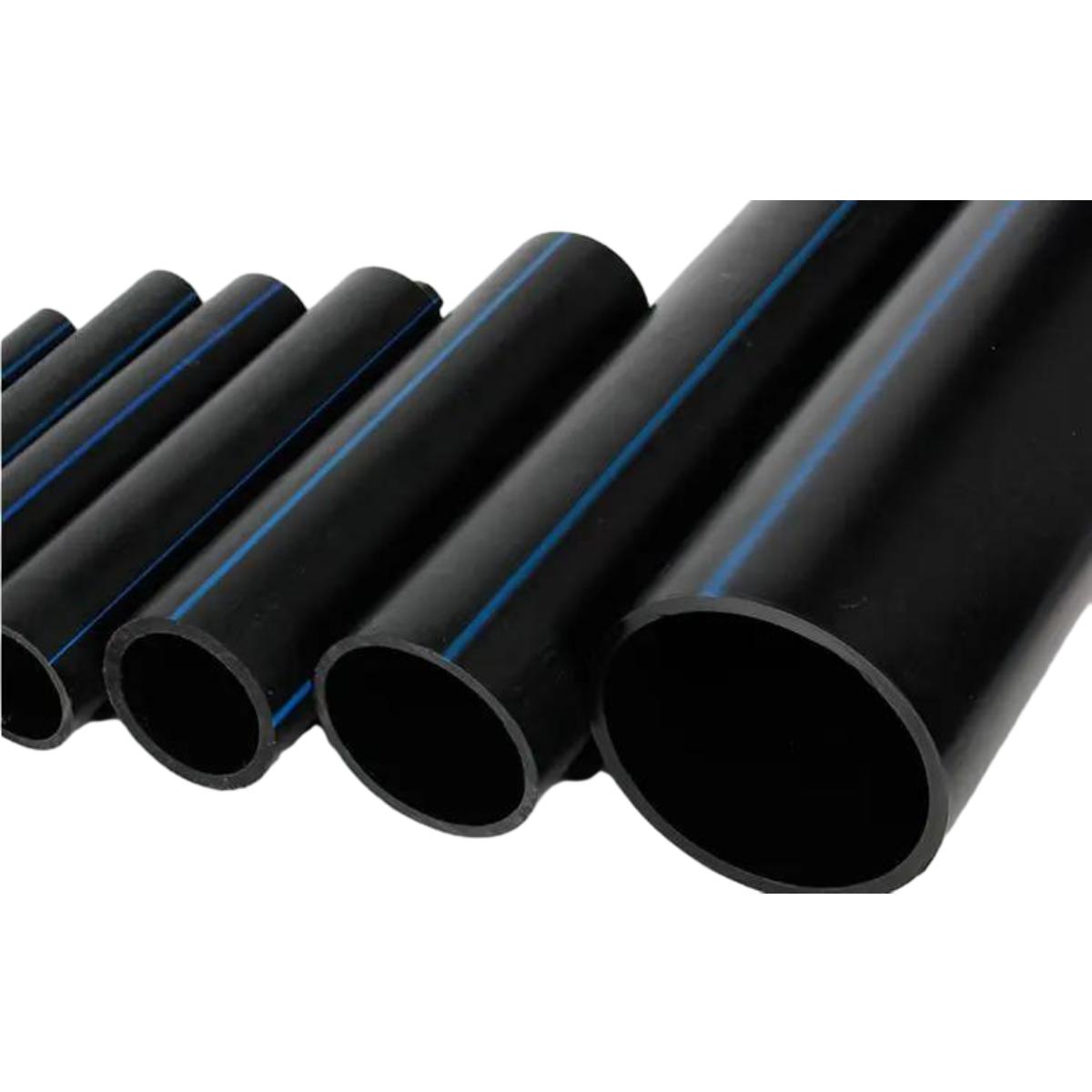
63mm Polyvinyl Chloride (PVC) pipe represents a critical component in fluid conveyance systems across diverse industrial and municipal applications. Its prevalence stems from a compelling combination of cost-effectiveness, durability, and ease of installation. This technical guide provides an in-depth analysis of 63mm PVC pipe, covering material science, manufacturing processes, performance characteristics, potential failure modes, and relevant industry standards. Unlike metallic piping systems, PVC offers inherent corrosion resistance, reducing long-term maintenance costs. However, understanding its limitations regarding temperature, pressure, and chemical compatibility is paramount for ensuring system integrity and operational longevity. This document targets engineers, procurement managers, and maintenance personnel involved in the selection, installation, and maintenance of PVC piping infrastructure, offering a comprehensive resource for informed decision-making.
Material Science & Manufacturing
63mm PVC pipe is predominantly manufactured from PVC resin, a thermoplastic polymer derived from vinyl chloride monomer (VCM). The PVC resin, typically a white powder, is compounded with various additives to tailor its properties for specific applications. These additives include plasticizers (e.g., DINP, DOTP) to enhance flexibility, stabilizers (e.g., calcium-zinc stabilizers, lead stabilizers – increasingly phased out due to environmental concerns) to prevent degradation from heat and UV exposure, lubricants to improve processability, and impact modifiers (e.g., acrylic impact modifiers) to increase fracture toughness. The manufacturing process primarily utilizes extrusion. PVC compound is fed into a single-screw extruder where it is heated and homogenized. The molten PVC is then forced through a die, forming a continuous pipe profile. Key process parameters include die temperature (typically between 180-210°C), extrusion speed, and cooling rate. Controlled cooling is critical to prevent warping and maintain dimensional accuracy. Post-extrusion, the pipe is calibrated, printed with relevant information (size, pressure rating, manufacturer’s details), and cut to length. Wall thickness consistency is monitored via ultrasonic testing during production. Raw material quality, particularly the PVC resin’s K-value (indicating molecular weight and thus viscosity), significantly impacts the final product’s mechanical properties. The selection of stabilizers is crucial, influencing long-term durability and resistance to yellowing and embrittlement.
Performance & Engineering
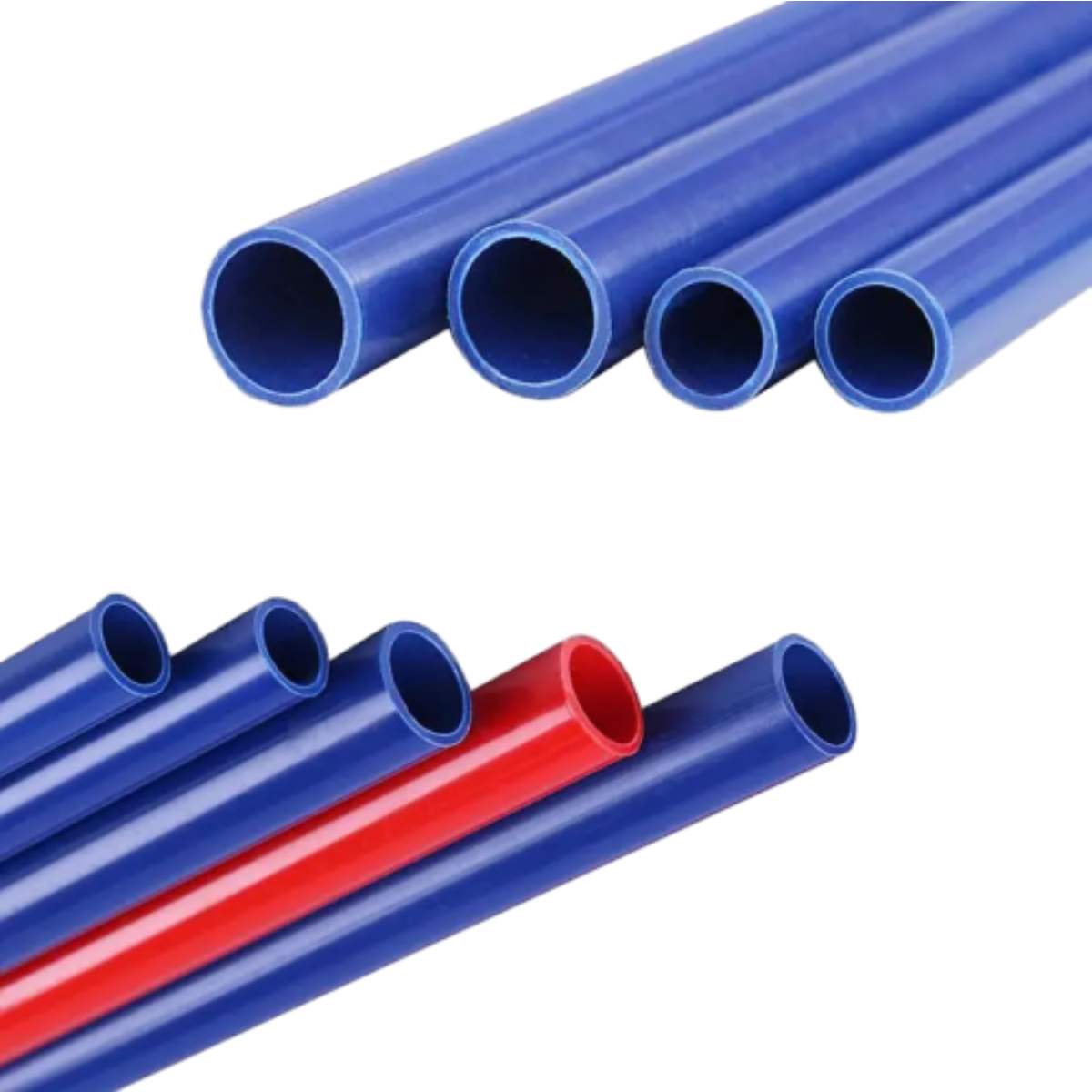
The performance of 63mm PVC pipe is governed by its hydrostatic strength, tensile strength, impact resistance, and resistance to chemical attack. Hydrostatic strength, determined by burst pressure testing according to ASTM D1595, dictates the maximum internal pressure the pipe can withstand without failure. Tensile strength (ASTM D882) quantifies the force required to break the material, influencing its ability to resist longitudinal stress. Impact resistance (ASTM D2444) assesses the pipe’s ability to withstand sudden shocks, crucial for applications susceptible to accidental impacts. Long-term performance is also affected by creep rupture, where the pipe slowly deforms under sustained pressure. Finite Element Analysis (FEA) is frequently employed in pipe system design to model stress distribution and optimize support spacing. Environmental resistance is a key consideration; prolonged exposure to UV radiation can lead to embrittlement, necessitating the use of UV stabilizers or protective coatings. Chemical compatibility charts are essential to ensure the pipe material is resistant to the conveyed fluid. PVC is generally resistant to acids, bases, and salts, but can be affected by certain organic solvents and chlorinated hydrocarbons. Installation practices significantly influence performance. Proper jointing techniques (solvent cementing, rubber ring joints) and adequate bedding support are crucial to prevent stress concentrations and ensure long-term system integrity. Thermal expansion and contraction should be accounted for in the design to avoid pipe buckling or joint separation.
Technical Specifications
| Parameter | Unit | Typical Value (Schedule 40) | Typical Value (Schedule 80) |
|---|---|---|---|
| Nominal Pipe Size | mm | 63 | 63 |
| Outside Diameter | mm | 63.5 | 63.5 |
| Wall Thickness | mm | 3.2 | 4.2 |
| Pressure Rating (at 23°C) | bar | 16 | 25 |
| Tensile Strength | MPa | 55 | 55 |
| Impact Strength (Izod Notched) | kJ/m² | 5 | 6 |
| Density | kg/m³ | 1420 | 1420 |
Failure Mode & Maintenance
Common failure modes in 63mm PVC pipe include brittle fracture, stress cracking, chemical degradation, and joint failure. Brittle fracture often occurs due to impact damage, particularly at low temperatures. Stress cracking, or Environmental Stress Cracking (ESC), arises from the combined effect of tensile stress and exposure to aggressive chemicals. Chemical degradation can manifest as discoloration, loss of mechanical properties, and swelling. Joint failures are frequently attributed to improper solvent cementing techniques (insufficient solvent, inadequate curing time, or contaminated surfaces) or improper installation of rubber ring joints. Long-term exposure to UV radiation accelerates degradation, leading to embrittlement and cracking. Maintenance strategies include regular visual inspections for cracks, leaks, and discoloration. Pressure testing can identify hidden leaks. For systems exposed to aggressive chemicals, periodic chemical compatibility assessments are recommended. Damaged sections should be replaced using appropriate joining methods. Preventative maintenance should focus on protecting the pipe from physical damage, UV exposure, and extreme temperatures. Proper support structures and bedding are crucial to minimize stress concentrations. A log of repairs and maintenance activities should be maintained to track system performance and identify potential problem areas. Regular flushing of the pipe system can prevent the buildup of sediment and debris, which can contribute to corrosion and reduce flow capacity.
Industry FAQ
Q: What is the primary difference between Schedule 40 and Schedule 80 PVC pipe, and when would I choose one over the other?
A: The primary difference lies in the wall thickness. Schedule 80 has a thicker wall than Schedule 40, resulting in a higher pressure rating and greater structural strength. Schedule 40 is generally suitable for lower-pressure applications, such as irrigation and drainage, where cost is a major factor. Schedule 80 is preferred for higher-pressure systems, chemical processing, and applications requiring increased durability or resistance to impact.
Q: How does temperature affect the performance of PVC pipe?
A: PVC’s mechanical properties degrade with increasing temperature. While suitable for ambient temperature applications, PVC loses strength and stiffness at elevated temperatures. Operating temperatures exceeding 60°C (140°F) can significantly reduce its pressure rating and lifespan. Conversely, low temperatures can increase brittleness, making the pipe more susceptible to fracture.
Q: What are the common causes of solvent cement joint failures?
A: Common causes include inadequate surface preparation (dirt, oil, or moisture), insufficient solvent cement application, improper curing time (too short or too long), using incompatible solvent cement and PVC formulations, and working in extreme temperatures (too hot or too cold). Following the manufacturer's instructions for solvent cementing is crucial.
Q: Is PVC pipe suitable for potable water applications?
A: Yes, specifically PVC compounds formulated for potable water systems (e.g., meeting NSF/ANSI Standard 61) are suitable. These compounds undergo rigorous testing to ensure they do not leach harmful contaminants into the water. It is essential to verify the PVC pipe is certified for potable water use.
Q: What is the expected lifespan of a properly installed 63mm PVC pipe system?
A: A properly installed and maintained 63mm PVC pipe system can have a lifespan exceeding 50 years. However, this is dependent on factors such as operating pressure, temperature, chemical exposure, UV exposure, and the quality of the initial installation. Regular inspections and preventative maintenance are essential to maximizing its service life.
Conclusion
63mm PVC pipe offers a robust and cost-effective solution for a wide range of fluid conveyance applications. Its inherent corrosion resistance, coupled with ease of installation, makes it a preferred material in numerous industries. However, realizing its full potential requires a thorough understanding of its material properties, manufacturing processes, and potential failure modes. Careful consideration of operating conditions, proper installation techniques, and adherence to relevant industry standards are paramount for ensuring long-term system reliability and minimizing maintenance costs.
Future developments in PVC technology, such as the incorporation of advanced additives and modified formulations, promise to further enhance its performance characteristics, expanding its applicability to more demanding environments. Ongoing research into sustainable PVC production methods and recycling technologies will also contribute to reducing its environmental impact, making it an increasingly viable material for a circular economy.
-
DN25 HDPE Compression Fitting-HORON INTERNATIONAL|Reliable Irrigation Solutions
NewsFeb.11,2026
-
hdpe coupling joint product Manufacturing Analysis
News2026-11-18
-
ppr pipe heating time products Performance Analysis
News2026-11-16
-
hdpe pipe sizes factory Performance Analysis
News2026-11-09
-
HDPE Pipe Sizes Service Performance Analysis
News2026-10-26
-
wholesale 15mm ppr pipe Material Science and Performance Analysis
News2026-10-20
-
wholesale pvc pipe price per foot Technical Analysis
News2026-09-21
-
wholesale long pvc pipe Technical Analysis and Manufacturing Specifications
News2026-09-15
-
wholesale plumbing kitchen sink water lines Material Performance
News2026-09-15
-
wholesale hdpe drip irrigation Material Science
News2026-09-15
-
wholesale hot water ppr pipe Performance Analysis
News2026-09-15
-
wholesale ppr plumbing Performance Analysis
News2026-09-15
-
wholesale ppr pipe supplier Performance Analysis
News2026-09-13
-
wholesale 50mm ppr pipe Performance Analysis
News2026-09-13
-
wholesale hdpe drip pipe Performance Analysis
News2026-09-13
-
wholesale hdpe pipe 63mm price Manufacturing Specification and Performance Analysis
News2026-09-13