

Feb . 11, 2026 00:01 Back to list
63mm pvc pipe factories Manufacturing Analysis
Introduction
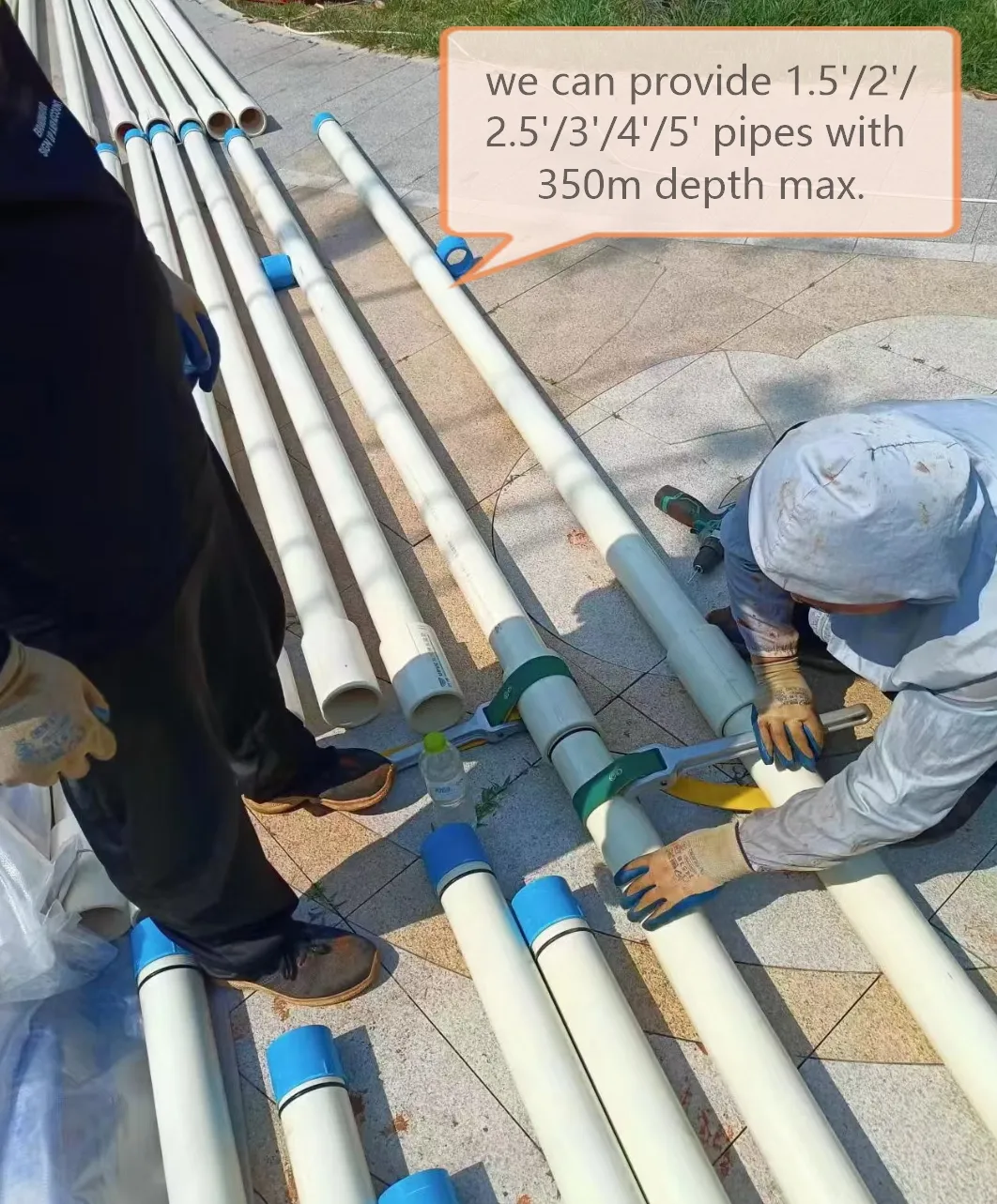
63mm Polyvinyl Chloride (PVC) pipe represents a standardized dimension widely utilized in diverse industrial applications, including water distribution, irrigation, drainage, and chemical conveyance. Its position within the industrial chain lies as a semi-finished product, typically manufactured by extrusion and subsequently fabricated into complex piping systems. This technical guide focuses on the manufacturing, performance characteristics, potential failure modes, and relevant industry standards associated with 63mm PVC pipe produced by factories specializing in this product. Core performance metrics revolve around pressure rating, tensile strength, impact resistance, chemical inertness, and long-term durability, addressing critical pain points in industries demanding reliable fluid transport solutions. The selection of appropriate PVC resin grades, consistent extrusion parameters, and rigorous quality control are paramount to achieving these performance benchmarks. Understanding these facets is crucial for procurement managers, engineers, and quality assurance professionals.
Material Science & Manufacturing
The primary raw material for 63mm PVC pipe is Polyvinyl Chloride resin, typically sourced as a suspension or mass polymerization grade. Key physical properties include a density of approximately 1.40 g/cm³, a glass transition temperature (Tg) around 80°C, and limited flexibility at ambient temperatures. The addition of plasticizers, such as phthalates or alternatives like DINCH, influences the pipe’s flexibility and impact resistance. Stabilizers (e.g., lead-based, calcium-zinc, or organic-based) are essential to prevent thermal degradation during processing and prolonged UV exposure. Lubricants, like stearic acid, facilitate smooth extrusion. The manufacturing process predominantly involves extrusion. PVC resin, along with additives, is fed into a single-screw or twin-screw extruder. The material is heated and homogenized, then forced through a die to form a seamless pipe. Critical parameters during extrusion include barrel temperature profile (typically ranging from 130°C to 200°C), screw speed, die pressure, and cooling rate. Precise control of these parameters is critical for maintaining dimensional accuracy, ensuring a smooth surface finish, and preventing defects like melt fracture or thermal degradation. Post-extrusion processes include sizing (to ensure a consistent 63mm outer diameter), cooling (typically using water tanks), and cutting to specified lengths. Quality control involves rigorous testing of the raw materials and finished product to verify compliance with relevant standards.
Performance & Engineering
The performance of 63mm PVC pipe is fundamentally governed by its mechanical strength and resistance to environmental factors. Hydrostatic pressure testing is a critical engineering assessment, determining the pipe’s ability to withstand internal fluid pressure without failure. This testing, typically conducted according to ASTM D1595 or equivalent standards, establishes the pipe’s Pressure Rating (PR), expressed in psi or bar. Tensile strength, measured according to ASTM D882, quantifies the force required to break the material, indicating its resistance to pulling forces. Impact resistance, assessed via notched impact testing (ASTM D2561), determines the energy absorbed before fracture, crucial for applications susceptible to accidental impacts. Long-term performance is heavily influenced by creep resistance, the tendency of the pipe to deform under sustained stress. Chemical resistance is paramount, particularly in industrial applications. PVC exhibits good resistance to acids, alkalis, and many solvents, but can be susceptible to degradation by certain aromatic hydrocarbons and chlorinated compounds. Environmental resistance includes UV degradation, which can lead to embrittlement and discoloration, and thermal expansion/contraction, which must be accounted for in piping system design to prevent stress cracking. Compliance requirements vary depending on the intended application and geographical location, often governed by plumbing codes and water quality regulations.
Technical Specifications
| Parameter | Unit | Typical Value (Schedule 40) | Typical Value (Schedule 80) |
|---|---|---|---|
| Outer Diameter | mm | 63.5 | 63.5 |
| Inner Diameter (Schedule 40) | mm | 58.4 | N/A |
| Inner Diameter (Schedule 80) | mm | N/A | 53.3 |
| Wall Thickness (Schedule 40) | mm | 2.54 | N/A |
| Wall Thickness (Schedule 80) | mm | N/A | 3.81 |
| Pressure Rating (73°F/23°C) | psi | 400 | 600 |
| Tensile Strength | MPa | 55-65 | 55-65 |
Failure Mode & Maintenance
Common failure modes in 63mm PVC pipe include: 1) Stress Cracking: Caused by prolonged exposure to tensile stress in conjunction with aggressive chemicals or UV radiation. 2) Impact Failure: Resulting from sudden impacts, particularly at low temperatures, leading to brittle fracture. 3) Thermal Degradation: Occurring due to prolonged exposure to high temperatures, causing embrittlement and loss of mechanical properties. 4) UV Degradation: Leading to surface cracking, discoloration, and a reduction in impact resistance. 5) Joint Failure: Due to improper solvent welding, insufficient adhesive application, or incompatible materials. 6) Creep Rupture: Over extended periods, sustained pressure can cause slow deformation and eventual rupture. Maintenance strategies include: regular visual inspections for cracks or discoloration; pressure testing to verify system integrity; avoiding exposure to incompatible chemicals; protecting the pipe from direct sunlight with coatings or shielding; and ensuring proper jointing techniques are employed during installation and repair. For solvent-welded joints, use only compatible PVC cements and primers. If stress cracking is suspected, reduce operating pressure or replace the affected section of pipe. Preventative measures, such as using UV-stabilized PVC formulations and employing proper installation practices, are critical for maximizing the service life of the pipe.
Industry FAQ
Q: What is the impact of water hammer on 63mm PVC pipe and how can it be mitigated?
A: Water hammer, or hydraulic shock, occurs when the flow of fluid is suddenly stopped, creating a pressure surge. 63mm PVC pipe, while robust, is susceptible to damage from repeated water hammer events. Mitigation strategies include installing surge arrestors (air chambers or pressure relief valves) near potential sources of rapid valve closure, implementing slow-closing valves, and ensuring proper pipe anchoring to minimize vibrational stress.
Q: How does the schedule number (40 or 80) affect the suitability of 63mm PVC pipe for different applications?
A: The schedule number denotes the wall thickness of the pipe. Schedule 80 has a thicker wall than Schedule 40, resulting in a higher pressure rating and increased resistance to impact and deformation. Schedule 40 is suitable for lower-pressure applications like irrigation and drainage. Schedule 80 is preferred for higher-pressure systems, such as industrial process piping and potable water distribution.
Q: What are the common causes of leaks in solvent-welded PVC pipe joints?
A: Common causes include inadequate surface preparation (failure to remove contaminants), insufficient application of primer and cement, using incompatible solvent cement formulations, improper assembly pressure, and welding in cold or humid conditions. Proper solvent welding requires clean, dry surfaces, thorough primer application, sufficient cement application, and adequate curing time.
Q: What is the expected service life of 63mm PVC pipe in typical potable water applications?
A: With proper installation and maintenance, 63mm PVC pipe can have a service life of 50 years or more in potable water applications. Factors affecting lifespan include water quality (pH, mineral content), operating pressure, temperature, and exposure to UV radiation.
Q: What is the significance of the ASTM D1785 standard in relation to 63mm PVC pipe?
A: ASTM D1785 specifies the requirements for PVC plastic pipe, including dimensions, materials, and performance characteristics. Compliance with ASTM D1785 ensures that the 63mm PVC pipe meets established quality standards and is suitable for its intended application.
Conclusion
63mm PVC pipe stands as a cost-effective and reliable solution for numerous fluid conveyance applications. Its performance is intrinsically linked to the quality of the raw materials, the precision of the manufacturing process, and adherence to stringent industry standards. Understanding the material’s properties, potential failure modes, and appropriate maintenance strategies is crucial for optimizing its lifespan and ensuring the integrity of piping systems. The selection between Schedule 40 and Schedule 80 should be dictated by operating pressure and application requirements.
Continued advancements in PVC resin formulations, including the development of enhanced UV stabilizers and impact modifiers, promise to further extend the service life and broaden the application scope of 63mm PVC pipe. Focusing on proper installation techniques, rigorous quality control, and adherence to established standards remain paramount to realizing the full potential of this versatile material. Future trends may involve incorporating recycled PVC content to promote sustainability without compromising performance.
-
DN25 HDPE Compression Fitting-HORON INTERNATIONAL|Reliable Irrigation Solutions
NewsFeb.11,2026
-
hdpe coupling joint product Manufacturing Analysis
News2026-11-18
-
ppr pipe heating time products Performance Analysis
News2026-11-16
-
hdpe pipe sizes factory Performance Analysis
News2026-11-09
-
HDPE Pipe Sizes Service Performance Analysis
News2026-10-26
-
wholesale 15mm ppr pipe Material Science and Performance Analysis
News2026-10-20
-
wholesale pvc pipe price per foot Technical Analysis
News2026-09-21
-
wholesale long pvc pipe Technical Analysis and Manufacturing Specifications
News2026-09-15
-
wholesale plumbing kitchen sink water lines Material Performance
News2026-09-15
-
wholesale hdpe drip irrigation Material Science
News2026-09-15
-
wholesale hot water ppr pipe Performance Analysis
News2026-09-15
-
wholesale ppr plumbing Performance Analysis
News2026-09-15
-
wholesale ppr pipe supplier Performance Analysis
News2026-09-13
-
wholesale 50mm ppr pipe Performance Analysis
News2026-09-13
-
wholesale hdpe drip pipe Performance Analysis
News2026-09-13
-
wholesale hdpe pipe 63mm price Manufacturing Specification and Performance Analysis
News2026-09-13