

Feb . 11, 2026 00:01 Back to list
63mm ppr pipe manufacturers Performance Analysis
Introduction
Polypropylene Random (PPR) piping, specifically 63mm diameter, represents a significant component in modern fluid transport systems, primarily for potable water and industrial applications. Positioned within the broader polymer piping industry, 63mm PPR pipes serve as a crucial intermediary size, balancing flow capacity with manageable installation requirements. Unlike traditional metallic piping, PPR offers inherent corrosion resistance and a smoother internal surface, reducing friction losses and scaling. Core performance characteristics revolve around pressure handling capabilities, thermal stability, and long-term hydrostatic strength. A key industry pain point lies in ensuring consistent material quality across different manufacturers, as variations in polypropylene resin composition directly impact weldability, creep resistance, and overall service life. This guide provides an in-depth examination of 63mm PPR pipe, covering material science, manufacturing processes, performance parameters, failure modes, and relevant international standards, targeting engineers, procurement managers, and quality control personnel.
Material Science & Manufacturing
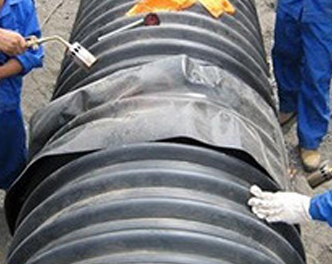
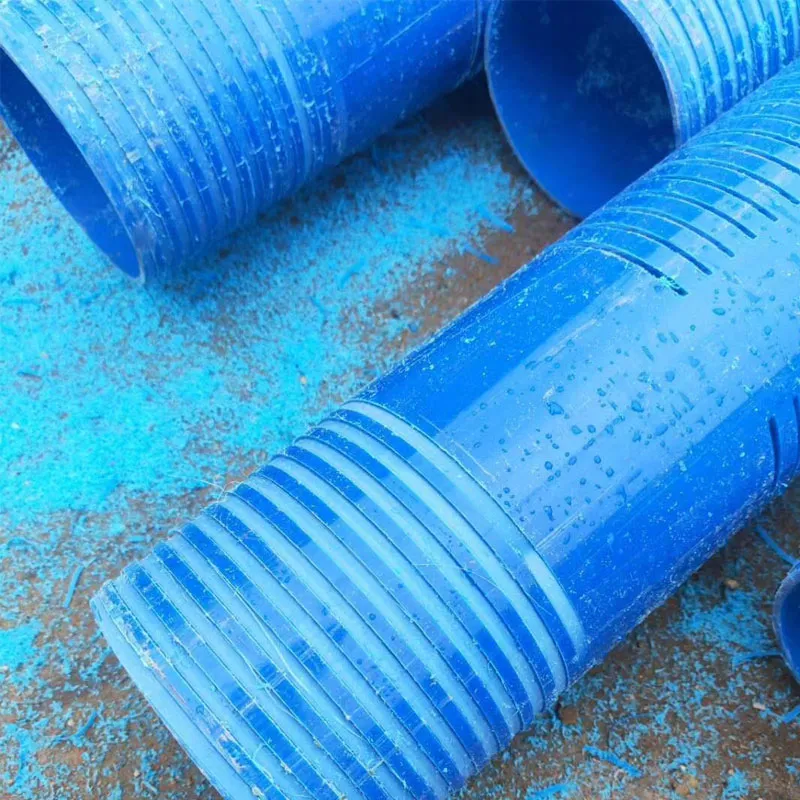
The foundational material for 63mm PPR pipes is polypropylene homopolymer or copolymer, often incorporating a random comonomer such as ethylene. Polypropylene’s semi-crystalline structure dictates its mechanical properties; a higher degree of crystallinity generally correlates with increased stiffness and tensile strength but reduced impact resistance. Raw material selection necessitates careful consideration of Melt Flow Index (MFI), which inversely relates to molecular weight and impacts processability during extrusion. Manufacturing typically involves extrusion, where polypropylene granules are melted and forced through a die to form a seamless pipe. Critical parameters during extrusion include melt temperature (typically 190-230°C), die pressure, and cooling rate. Maintaining a consistent cooling profile is paramount to achieving uniform crystallinity and dimensional accuracy. Socket fusion or electrofusion welding are common joining techniques. Socket fusion relies on heating both the pipe and fitting simultaneously, creating a homogenous weld. Electrofusion uses an electrical current to melt and fuse the materials. Precise temperature and time control are vital for both methods, governed by manufacturer specifications, to avoid under-welding (leading to leakage) or over-welding (compromising material integrity). The addition of stabilizers, particularly UV stabilizers, is crucial for outdoor applications to mitigate polymer degradation caused by prolonged sunlight exposure. Color pigments are also frequently added for identification purposes, with blue often denoting cold water and red hot water lines.
Performance & Engineering
The performance of 63mm PPR pipe is heavily influenced by hydrostatic pressure, temperature, and long-term creep resistance. Hydrostatic design stress (HDS) is a critical engineering parameter, typically determined through long-term pressure testing according to ISO 1167. This stress represents the maximum allowable internal pressure the pipe can withstand over a specified design life (typically 50 years). Finite Element Analysis (FEA) is often employed to model stress distribution under various loading conditions, including internal pressure, external loads (soil loading, traffic loads), and thermal stresses. Temperature plays a significant role; while PPR can handle short-term exposure to temperatures up to 95°C, sustained exposure to elevated temperatures can accelerate creep deformation. Creep, the time-dependent deformation under constant stress, is a key failure mechanism. The pipe's ability to withstand soil movement and ground settlement must also be considered. Adequate bedding and backfilling procedures are essential to prevent localized stress concentrations. Compliance requirements vary by region. In Europe, EN 1487-1 defines the specifications for PPR pipes and fittings, while in North America, standards such as ASTM D3261 may apply. Understanding the chemical compatibility of PPR with transported fluids is crucial; PPR is generally resistant to most common chemicals but can be affected by prolonged exposure to strong oxidizing agents or certain solvents.
Technical Specifications
| Parameter | Unit | Typical Value (63mm PPR) | Testing Standard |
|---|---|---|---|
| Nominal Diameter | mm | 63 | ISO 1487-1 |
| Wall Thickness | mm | 4.2 – 6.0 | ISO 1487-1 |
| Hydrostatic Pressure (PN) | bar | 10, 16, 20, 25 | ISO 1167 |
| Burst Pressure | bar | >30 (depending on PN) | ISO 1167 |
| Melt Flow Index (MFI) | g/10min | 0.3 – 1.0 | ISO 1133 |
| Tensile Strength | MPa | >20 | ISO 527-2 |
| Elongation at Break | % | >200 | ISO 527-2 |
Failure Mode & Maintenance
Common failure modes in 63mm PPR pipes include slow crack growth (SCG), particularly in areas of high stress concentration (e.g., around fittings, welds), creep rupture under sustained load and temperature, and impact damage during handling or installation. SCG is often initiated by residual stresses from manufacturing or improper installation and accelerated by exposure to certain chemicals. Failure analysis frequently reveals brittle fracture surfaces exhibiting ratchet marks indicative of SCG. UV degradation can lead to surface crazing and embrittlement, reducing the pipe’s impact resistance. Weld failures typically occur due to insufficient heating, incorrect heating time, or contamination during the welding process. Maintenance primarily focuses on preventative measures: proper installation techniques adhering to manufacturer guidelines, avoiding over-tightening of fittings, protecting pipes from direct sunlight exposure (particularly for prolonged periods), and periodic visual inspections for signs of cracking or deformation. If a leak is detected, the affected section should be cut out and replaced with a new section using appropriate welding techniques. For pipelines transporting aggressive fluids, regular chemical compatibility assessments are recommended. Regular pressure testing can help identify potential weaknesses before catastrophic failure occurs. Long-term monitoring for creep deformation, particularly in high-temperature applications, is also advisable.
Industry FAQ
Q: What is the impact of different PPR resin types (homopolymer vs. copolymer) on long-term performance?
A: PPR homopolymer generally exhibits higher tensile strength and stiffness but lower impact resistance than copolymer. For applications requiring high pressure resistance and minimal deformation, homopolymer is preferred. However, for applications prone to impact or requiring greater flexibility, copolymer is more suitable. Copolymer’s ethylene content enhances its impact resistance but can slightly reduce its temperature resistance.
Q: How does water quality (pH, mineral content) affect the lifespan of a PPR pipeline?
A: While PPR is generally corrosion-resistant, highly acidic or alkaline water can gradually degrade the polymer over time. High mineral content can lead to scaling, reducing the pipe’s internal diameter and increasing friction losses. Pre-treatment of water to adjust pH and reduce mineral content can significantly extend the pipeline’s lifespan.
Q: What are the critical parameters to control during electrofusion welding to ensure a reliable joint?
A: Critical parameters include welding voltage, welding time, and the cleanliness of the pipe and fitting surfaces. Incorrect voltage can lead to incomplete fusion or overheating. Incorrect welding time can result in under-welding or material degradation. Contamination with dirt, grease, or moisture can compromise weld integrity. Following the fitting manufacturer's specific welding parameters is essential.
Q: What is the acceptable level of deflection allowed in a 63mm PPR pipeline without compromising its integrity?
A: The acceptable level of deflection depends on the specific application and the surrounding soil conditions. Generally, deflection should not exceed 5% of the pipe's diameter. Excessive deflection can induce stress concentrations and potentially lead to cracking. Proper bedding and backfilling practices are crucial to minimize deflection.
Q: How does UV exposure affect PPR pipe, and what mitigation strategies are recommended?
A: Prolonged UV exposure causes polymer degradation, leading to surface crazing, embrittlement, and reduced impact resistance. Mitigation strategies include using UV-stabilized PPR compounds, painting the pipes with reflective coatings, or burying the pipes below ground to shield them from direct sunlight.
Conclusion
63mm PPR pipe offers a compelling alternative to traditional piping materials due to its corrosion resistance, ease of installation, and cost-effectiveness. However, realizing its full potential requires a thorough understanding of material science principles, manufacturing processes, and performance characteristics. Careful attention to detail during material selection, welding procedures, and installation practices is crucial for ensuring long-term reliability and preventing premature failure.
Future advancements in PPR technology are likely to focus on enhancing creep resistance, improving UV stability, and developing more robust welding techniques. Furthermore, the increasing adoption of predictive maintenance strategies, leveraging sensor technology and data analytics, will play a vital role in optimizing pipeline performance and minimizing downtime. Continued adherence to international standards and best practices will remain paramount for ensuring the safe and efficient operation of PPR piping systems.
-
DN25 HDPE Compression Fitting-HORON INTERNATIONAL|Reliable Irrigation Solutions
NewsFeb.11,2026
-
hdpe coupling joint product Manufacturing Analysis
News2026-11-18
-
ppr pipe heating time products Performance Analysis
News2026-11-16
-
hdpe pipe sizes factory Performance Analysis
News2026-11-09
-
HDPE Pipe Sizes Service Performance Analysis
News2026-10-26
-
wholesale 15mm ppr pipe Material Science and Performance Analysis
News2026-10-20
-
wholesale pvc pipe price per foot Technical Analysis
News2026-09-21
-
wholesale long pvc pipe Technical Analysis and Manufacturing Specifications
News2026-09-15
-
wholesale plumbing kitchen sink water lines Material Performance
News2026-09-15
-
wholesale hdpe drip irrigation Material Science
News2026-09-15
-
wholesale hot water ppr pipe Performance Analysis
News2026-09-15
-
wholesale ppr plumbing Performance Analysis
News2026-09-15
-
wholesale ppr pipe supplier Performance Analysis
News2026-09-13
-
wholesale 50mm ppr pipe Performance Analysis
News2026-09-13
-
wholesale hdpe drip pipe Performance Analysis
News2026-09-13
-
wholesale hdpe pipe 63mm price Manufacturing Specification and Performance Analysis
News2026-09-13