

Feb . 11, 2026 00:01 Back to list
63mm ppr pipe factory Manufacturing and Performance Analysis
Introduction
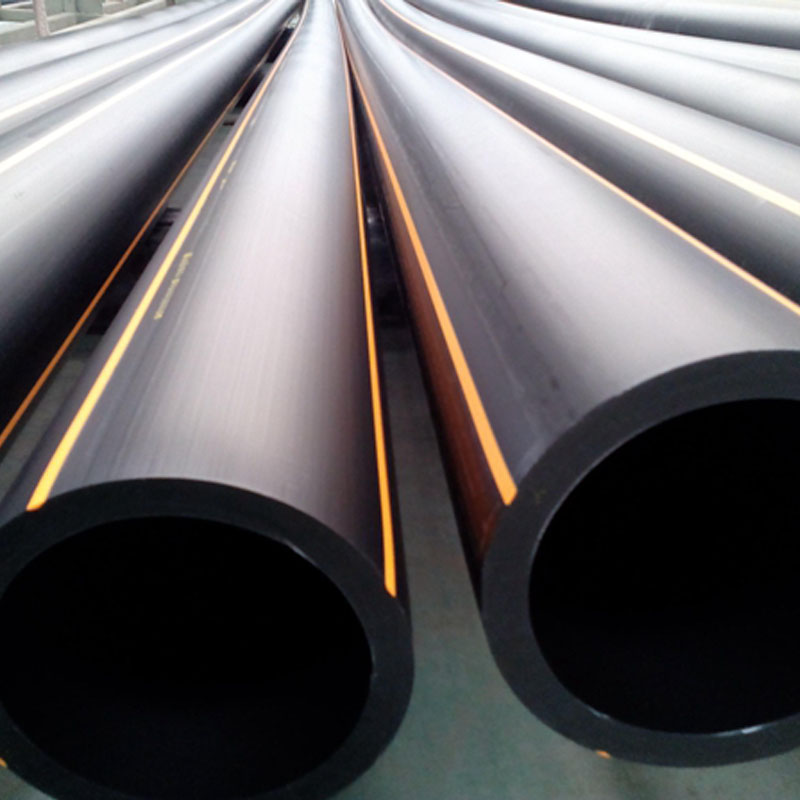
Polypropylene-Random (PPR) pipe, specifically the 63mm variant, represents a significant advancement in fluid transport systems across diverse industries including potable water distribution, industrial fluid conveyance, and HVAC applications. This technical guide details the material science, manufacturing processes, performance characteristics, potential failure modes, and maintenance protocols associated with 63mm PPR pipe manufactured by a dedicated factory. PPR's inherent corrosion resistance, thermal stability, and ease of installation have positioned it as a compelling alternative to traditional metallic piping systems. Its position in the industry chain is as a semi-finished product, requiring downstream fabrication – welding or socket fusion – for integration into comprehensive piping networks. Core performance characteristics revolve around pressure containment, flow rate optimization, and long-term durability under varying operational conditions. The focus will be on understanding the nuances of producing a consistently high-quality 63mm PPR pipe.
Material Science & Manufacturing
The foundation of 63mm PPR pipe lies in polypropylene resin, specifically a random copolymer of propylene. This copolymerization introduces ethylidene groups along the polymer chain, disrupting crystallinity and enhancing impact resistance. The raw material typically conforms to ISO 1043-1 standards. Key physical properties include a density of approximately 0.905 g/cm³, a Vicat softening temperature around 135-145°C, and a tensile strength between 20-25 MPa. Manufacturing begins with the extrusion process. Polypropylene granules are fed into a single-screw extruder, melted, and passed through a die to form a continuous pipe profile. Critical parameters during extrusion include melt temperature (190-230°C), die pressure, and cooling rates. Post-extrusion, pipes undergo dimensional calibration and are cut to specified lengths. Socket and spigot ends are formed simultaneously during extrusion or through subsequent machining. Quality control is paramount, encompassing regular testing of melt flow index (MFI), hydrostatic pressure resistance, and dimensional accuracy. Chemical compatibility is excellent with many fluids, but prolonged exposure to strong oxidizing agents should be avoided. The presence of UV stabilizers is crucial for outdoor applications to prevent polymer degradation.

Performance & Engineering
The engineering performance of 63mm PPR pipe is governed by several factors. Hydrostatic pressure testing, according to ISO 1167, is a standard procedure to verify the pipe’s ability to withstand internal pressure. The allowable stress levels are determined by the pipe's Standard Dimension Ratio (SDR), which dictates the relationship between wall thickness and pipe diameter. A lower SDR implies a thicker wall and higher pressure rating. Finite Element Analysis (FEA) is employed to model stress distribution under various loading conditions – internal pressure, external loads from soil, and thermal expansion/contraction. Thermal expansion is significant (approximately 0.2 mm/m/°C) and requires consideration in system design, utilizing expansion joints or flexible connections. Long-term creep resistance is a crucial factor; continuous stress over extended periods can lead to gradual deformation. PPR pipe exhibits good chemical resistance to most common industrial fluids, but compatibility testing is recommended for specific applications. Installation methods, particularly socket fusion welding, directly impact performance. Proper welding parameters (temperature and time) are essential to achieve a homogenous joint with sufficient strength. Compliance requirements include adherence to local plumbing codes and relevant industry standards (e.g., NSF/ANSI 61 for potable water applications).
Technical Specifications
| Parameter | Unit | Value (Typical) | Testing Standard |
|---|---|---|---|
| Nominal Diameter | mm | 63 | ISO 1452 |
| Wall Thickness | mm | 2.0 - 4.2 (Varies with SDR) | ISO 1452 |
| SDR (Standard Dimension Ratio) | - | 11, 16, 20 | Calculated |
| Hydrostatic Pressure (23°C, 100h) | MPa | 1.25 - 1.6 (Dependent on SDR) | ISO 1167 |
| Vicat Softening Temperature | °C | 135-145 | ISO 306 |
| Tensile Strength | MPa | 20-25 | ISO 527 |
Failure Mode & Maintenance
Several failure modes can affect 63mm PPR pipe. Long-term hydrostatic pressure can lead to creep rupture, particularly in lower SDR pipes. Thermal cycling induces stress, potentially causing fatigue cracking at weld joints. Improper welding techniques – insufficient heating or excessive cooling – result in weak, brittle welds susceptible to failure. Exposure to ultraviolet (UV) radiation degrades the polymer, reducing its mechanical properties and causing surface cracking. Chemical attack from aggressive substances can cause swelling, embrittlement, or dissolution. Mechanical damage, such as impact from construction activities, can lead to localized cracking or puncture. Maintenance involves regular visual inspections for leaks, cracks, or deformation. Welded joints should be periodically checked for integrity. UV-protected coatings or shielded installation are recommended for outdoor applications. In case of a leak, the damaged section should be cut out and replaced with a new section using proper socket fusion welding techniques. Avoid using abrasive cleaning agents or solvents that can damage the polymer. Hydrostatic testing can be performed periodically to assess the overall integrity of the piping system.
Industry FAQ
Q: What is the impact of water hammer on 63mm PPR pipe systems and how can it be mitigated?
A: Water hammer, or hydraulic shock, can exert significant stress on PPR pipe systems. The relatively low elastic modulus of PPR compared to metals makes it more susceptible to damage from pressure surges. Mitigation strategies include installing surge arrestors (air chambers or pressure relief valves) to absorb the shock waves, ensuring proper pipe anchoring to prevent movement, and avoiding rapid valve closures. Careful system design to minimize flow velocities also helps reduce water hammer potential.
Q: How does the quality of the welding process affect the long-term performance of PPR pipe joints?
A: The welding process is arguably the most critical aspect of PPR pipe installation. Inadequate heating results in incomplete fusion, creating a weak joint prone to leakage. Excessive heating causes polymer degradation and reduces weld strength. Precise temperature control, correct welding time, and proper alignment are essential. Regular calibration of welding tools and operator training are vital to ensure consistent weld quality. Non-destructive testing methods, such as visual inspection and ultrasonic testing, can be used to assess weld integrity.
Q: What are the limitations of using 63mm PPR pipe in industrial applications with high temperatures or corrosive chemicals?
A: While PPR offers good chemical resistance, it's not universally compatible with all substances. Prolonged exposure to strong oxidizing agents, concentrated acids, and certain solvents can cause degradation. Maximum operating temperature is typically around 70-80°C; exceeding this limit can lead to softening and deformation. For high-temperature or corrosive environments, alternative materials like CPVC or stainless steel are recommended.
Q: How does the choice of SDR (Standard Dimension Ratio) impact the cost and suitability of 63mm PPR pipe for a specific application?
A: Lower SDR values correspond to thicker pipe walls and higher pressure ratings, but also higher material costs. Selecting the appropriate SDR involves balancing cost considerations with the required pressure containment capability. For low-pressure applications like irrigation, a higher SDR is sufficient. For high-pressure applications, such as industrial fluid conveyance, a lower SDR is necessary. A thorough hydraulic analysis should be performed to determine the optimal SDR for the specific application.
Q: What measures should be taken to protect 63mm PPR pipe from UV degradation during outdoor installation?
A: PPR is susceptible to UV degradation, leading to brittleness and cracking. To mitigate this, use UV-stabilized PPR compounds specifically designed for outdoor applications. Alternatively, protect the pipe from direct sunlight by painting it with a reflective coating, burying it underground, or shielding it with opaque covers. Regularly inspect exposed sections for signs of degradation and replace them as needed.
Conclusion
The 63mm PPR pipe, manufactured with rigorous adherence to material science principles and quality control, provides a robust and cost-effective solution for a wide array of fluid transport applications. Understanding the nuances of its material properties, manufacturing processes, and potential failure modes is critical for ensuring long-term reliability and optimal performance. The careful consideration of factors such as SDR selection, welding techniques, and environmental exposure, coupled with adherence to relevant industry standards, are paramount to maximizing the lifespan and minimizing the risk of system failures.
Future advancements in PPR technology will likely focus on enhancing UV resistance, improving long-term creep resistance, and developing more sophisticated welding techniques. The continued evolution of PPR pipe will undoubtedly strengthen its position as a leading material in fluid handling systems, particularly as industries increasingly prioritize sustainable and cost-effective solutions. Ongoing research into polymer additives and processing techniques promises to further refine its performance characteristics and broaden its applicability.
-
DN25 HDPE Compression Fitting-HORON INTERNATIONAL|Reliable Irrigation Solutions
NewsFeb.11,2026
-
hdpe coupling joint product Manufacturing Analysis
News2026-11-18
-
ppr pipe heating time products Performance Analysis
News2026-11-16
-
hdpe pipe sizes factory Performance Analysis
News2026-11-09
-
HDPE Pipe Sizes Service Performance Analysis
News2026-10-26
-
wholesale 15mm ppr pipe Material Science and Performance Analysis
News2026-10-20
-
wholesale pvc pipe price per foot Technical Analysis
News2026-09-21
-
wholesale long pvc pipe Technical Analysis and Manufacturing Specifications
News2026-09-15
-
wholesale plumbing kitchen sink water lines Material Performance
News2026-09-15
-
wholesale hdpe drip irrigation Material Science
News2026-09-15
-
wholesale hot water ppr pipe Performance Analysis
News2026-09-15
-
wholesale ppr plumbing Performance Analysis
News2026-09-15
-
wholesale ppr pipe supplier Performance Analysis
News2026-09-13
-
wholesale 50mm ppr pipe Performance Analysis
News2026-09-13
-
wholesale hdpe drip pipe Performance Analysis
News2026-09-13
-
wholesale hdpe pipe 63mm price Manufacturing Specification and Performance Analysis
News2026-09-13