

Feb . 11, 2026 00:01 Back to list
63mm ppr pipe factories Manufacturing Analysis
Introduction
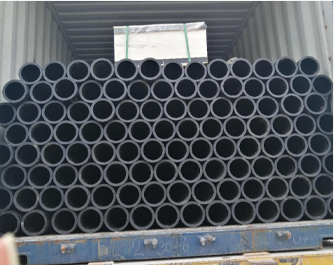
Polypropylene Random (PPR) piping systems, particularly those utilizing 63mm diameter pipes, represent a significant advancement in fluid conveyance technology for a range of applications. These applications include potable water distribution, industrial fluid transport, and heating/cooling systems. PPR pipes offer a compelling alternative to traditional metal piping due to their inherent corrosion resistance, lightweight nature, and ease of installation. 63mm PPR pipes specifically address medium-to-high flow rate requirements common in large residential complexes, commercial buildings, and light industrial settings. The manufacturing of these pipes involves a highly controlled extrusion process, demanding consistent raw material quality and adherence to stringent international standards to ensure long-term performance and reliability. This guide provides an in-depth technical overview of 63mm PPR pipes, encompassing material science, manufacturing processes, performance characteristics, failure modes, and relevant industry standards. The core pain points within the PPR pipe industry revolve around maintaining consistent weld quality, mitigating long-term creep deformation under pressure and temperature, and ensuring compliance with evolving regulations regarding material leachates and hygienic performance.
Material Science & Manufacturing
The fundamental material for 63mm PPR pipes is polypropylene random copolymer. This copolymer is created by polymerizing propylene monomers with a small proportion of ethylene. This random arrangement of ethylene units disrupts the crystallinity of the polypropylene, leading to increased impact resistance and flexibility compared to homopolymer polypropylene. Specifically, the ethylene content typically ranges between 4-7% by weight. The raw material’s molecular weight distribution is critical, affecting melt flow rate and ultimately the pipe's mechanical properties. A broad molecular weight distribution contributes to enhanced melt strength and improved resistance to environmental stress cracking.
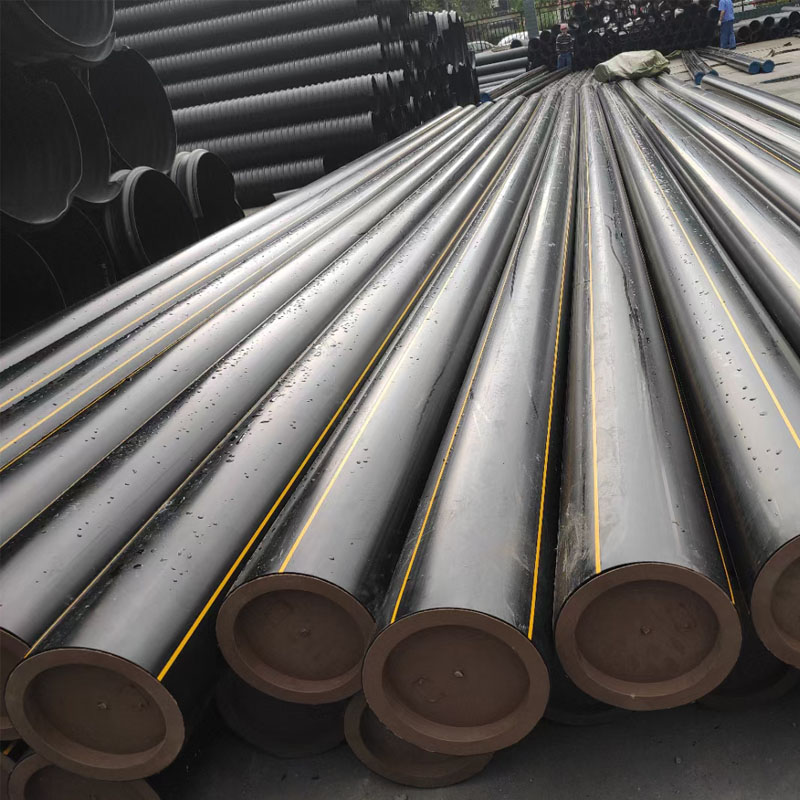
Manufacturing commences with the careful blending of polypropylene granules with stabilizing additives, including antioxidants (typically hindered phenols and phosphites) to prevent thermal degradation during processing, UV stabilizers to protect against sunlight exposure, and potentially nucleating agents to refine the crystalline structure. The blended material is fed into a single-screw or twin-screw extruder. Extrusion parameters are tightly controlled, including barrel temperature profile (typically 190-240°C, varying by copolymer grade), screw speed, and die pressure. Precise control over these parameters dictates the pipe's dimensional accuracy (diameter and wall thickness) and uniformity of the material matrix. The extruded pipe is subsequently cooled through a water bath, ensuring dimensional stability. Post-cooling, the pipe undergoes cutting to specified lengths and undergoes rigorous quality control checks, including hydrostatic pressure testing (described in the Performance & Engineering section) and dimensional inspection. Socket fusion and butt fusion welding are common joining techniques; these require precise temperature control and alignment to ensure robust, leak-proof connections. Any deviation in the extrusion temperature can lead to material degradation or inconsistent wall thickness, impacting long-term performance.
Performance & Engineering
The performance of 63mm PPR pipes is governed by several key engineering principles. Firstly, hoop stress analysis is crucial in determining the pipe's ability to withstand internal pressure. The formula σ = (PD)/(2t) (where σ is hoop stress, P is internal pressure, D is pipe diameter, and t is wall thickness) highlights the inverse relationship between wall thickness and stress. Therefore, maintaining consistent wall thickness during manufacturing is paramount. Secondly, creep resistance is a critical long-term performance characteristic. PPR, being a thermoplastic, is susceptible to creep – the tendency to deform slowly under sustained stress. Factors influencing creep include temperature, internal pressure, and duration of exposure. Higher temperatures exacerbate creep deformation. Therefore, the maximum operating temperature specified by the manufacturer must be strictly adhered to.
Hydrostatic pressure testing, as per ISO 1167, is a standard quality control procedure. Pipes are subjected to internal pressure significantly exceeding their working pressure (typically 1.5 to 2 times) for a specified duration (e.g., 20 minutes). This test verifies the pipe's integrity and its ability to withstand stress. Chemical resistance is another vital performance attribute. PPR exhibits excellent resistance to a wide range of chemicals, including acids, alkalis, and salts. However, prolonged exposure to certain solvents (e.g., chlorinated hydrocarbons) can cause swelling and degradation. PPR pipes must also comply with regulations concerning the migration of substances into potable water, ensuring that leachate levels remain within acceptable limits as defined by NSF/ANSI 61. Furthermore, consideration must be given to thermal expansion and contraction. PPR has a relatively high coefficient of thermal expansion; therefore, expansion loops or flexible connections should be incorporated into the piping system to accommodate dimensional changes due to temperature fluctuations. Failure to do so can induce stress on joints and potentially lead to leaks.
Technical Specifications
| Parameter | Unit | Typical Value (63mm PPR) | Testing Standard |
|---|---|---|---|
| Nominal Diameter | mm | 63 | ISO 15876 |
| Standard Dimension Ratio (SDR) | - | 11 (Common) | DIN 8077/8078 |
| Wall Thickness | mm | 4.2 - 5.8 (Varies with SDR) | ISO 15876 |
| Hydrostatic Pressure (20°C) | MPa | 12.5 - 16 | ISO 1167 |
| Maximum Operating Temperature | °C | 70 | DIN 8077/8078 |
| Maximum Short-Term Temperature (1 hour) | °C | 95 | DIN 8077/8078 |
| Tensile Strength | MPa | >35 | ISO 527 |
Failure Mode & Maintenance
Several failure modes can affect the long-term reliability of 63mm PPR pipes. One common issue is slow crack growth (SCG), particularly in areas of high stress concentration, such as around fittings or weld joints. This is often initiated by minor defects or scratches on the pipe surface and is exacerbated by exposure to aggressive chemicals or sustained mechanical stress. Another failure mode is creep rupture, which occurs when the pipe deforms excessively under prolonged exposure to pressure and temperature, eventually leading to catastrophic failure. Oxidation, while less common, can occur at elevated temperatures, leading to embrittlement of the material. Delamination can occur if the welding process is improperly executed, resulting in insufficient fusion between the pipe and the fitting. UV degradation can also contribute to material embrittlement if the pipes are exposed to direct sunlight for extended periods.
Preventive maintenance is crucial to mitigating these failure modes. Regular visual inspections should be conducted to identify any signs of cracking, deformation, or corrosion. Weld joints should be carefully examined for porosity or incomplete fusion. The operating temperature and pressure should be maintained within the manufacturer’s specified limits. Avoid exposing pipes to harsh chemicals or direct sunlight whenever possible. If leaks are detected, the affected section of pipe should be replaced immediately. For minor leaks at weld joints, re-welding may be a viable option, provided the joint is properly cleaned and prepared. In cases of widespread degradation, a complete system replacement may be necessary. Avoid mechanical damage during installation and maintenance. Proper support and anchoring of the piping system are essential to prevent excessive stress on joints.
Industry FAQ
Q: What is the impact of varying water quality (e.g., high chloride content) on the lifespan of 63mm PPR pipes?
A: Elevated chloride concentrations in water can accelerate corrosion, particularly at weld joints, by promoting pitting corrosion and stress corrosion cracking. While PPR itself is corrosion-resistant, impurities can compromise the integrity of the weld. Regular water quality monitoring and the use of appropriately rated stabilizers in the PPR compound are crucial mitigation strategies. Furthermore, maintaining a protective film inside the pipe can help prevent direct contact between the water and the pipe material.
Q: How does the choice of fusion welding method (socket vs. butt) affect the long-term performance of 63mm PPR pipe systems?
A: Butt fusion generally results in stronger, more reliable joints compared to socket fusion, particularly for larger diameter pipes like 63mm. This is because butt fusion provides a larger bonding area and minimizes stress concentrations. Socket fusion is suitable for smaller diameters and branch connections. Proper training and adherence to welding parameters are critical for both methods to ensure adequate fusion and prevent defects.
Q: What is the expected service life of a properly installed and maintained 63mm PPR pipe system?
A: A properly installed and maintained 63mm PPR pipe system can be expected to have a service life of 50 years or more under typical operating conditions (temperatures below 70°C and pressures within the specified limits). However, this lifespan can be reduced by factors such as exposure to extreme temperatures, aggressive chemicals, or mechanical damage.
Q: What measures can be taken to mitigate the risk of creep deformation in 63mm PPR pipes used in hot water applications?
A: To minimize creep deformation, select a PPR compound with enhanced creep resistance (e.g., a higher molecular weight distribution). Maintain operating temperatures below the manufacturer’s maximum recommended temperature. Properly support the piping system to minimize bending stresses. Consider using thicker-walled pipes to reduce hoop stress. Avoid exceeding the maximum allowable operating pressure.
Q: Are there specific regulations regarding the use of PPR pipes for potable water systems in different regions?
A: Yes. Regulations vary significantly by region. In Europe, PPR pipes must comply with EN 14879. In North America, NSF/ANSI 61 certification is generally required for potable water applications. GB/T 29248 is the relevant standard in China. It is essential to verify compliance with local regulations before installing PPR pipes in any potable water system.
Conclusion
63mm PPR pipes represent a robust and cost-effective solution for fluid conveyance in a variety of applications. Their inherent corrosion resistance, ease of installation, and relatively low cost make them a preferred alternative to traditional metal piping. However, understanding the material science, manufacturing nuances, and potential failure modes is crucial for ensuring long-term performance and reliability. Maintaining strict control over extrusion parameters, weld quality, and operating conditions is essential to maximize the service life of these systems.
Future advancements in PPR technology are likely to focus on developing compounds with enhanced creep resistance, improved UV stability, and reduced susceptibility to SCG. The increasing demand for sustainable and environmentally friendly materials will also drive innovation in PPR formulations, potentially incorporating recycled content or bio-based polymers. Continued adherence to international standards and rigorous quality control procedures will remain paramount to maintaining the integrity and trustworthiness of 63mm PPR pipe systems.
-
DN25 HDPE Compression Fitting-HORON INTERNATIONAL|Reliable Irrigation Solutions
NewsFeb.11,2026
-
hdpe coupling joint product Manufacturing Analysis
News2026-11-18
-
ppr pipe heating time products Performance Analysis
News2026-11-16
-
hdpe pipe sizes factory Performance Analysis
News2026-11-09
-
HDPE Pipe Sizes Service Performance Analysis
News2026-10-26
-
wholesale 15mm ppr pipe Material Science and Performance Analysis
News2026-10-20
-
wholesale pvc pipe price per foot Technical Analysis
News2026-09-21
-
wholesale long pvc pipe Technical Analysis and Manufacturing Specifications
News2026-09-15
-
wholesale plumbing kitchen sink water lines Material Performance
News2026-09-15
-
wholesale hdpe drip irrigation Material Science
News2026-09-15
-
wholesale hot water ppr pipe Performance Analysis
News2026-09-15
-
wholesale ppr plumbing Performance Analysis
News2026-09-15
-
wholesale ppr pipe supplier Performance Analysis
News2026-09-13
-
wholesale 50mm ppr pipe Performance Analysis
News2026-09-13
-
wholesale hdpe drip pipe Performance Analysis
News2026-09-13
-
wholesale hdpe pipe 63mm price Manufacturing Specification and Performance Analysis
News2026-09-13