

Feb . 11, 2026 00:01 Back to list
63mm hdpe pipe price service Performance Analysis
Introduction
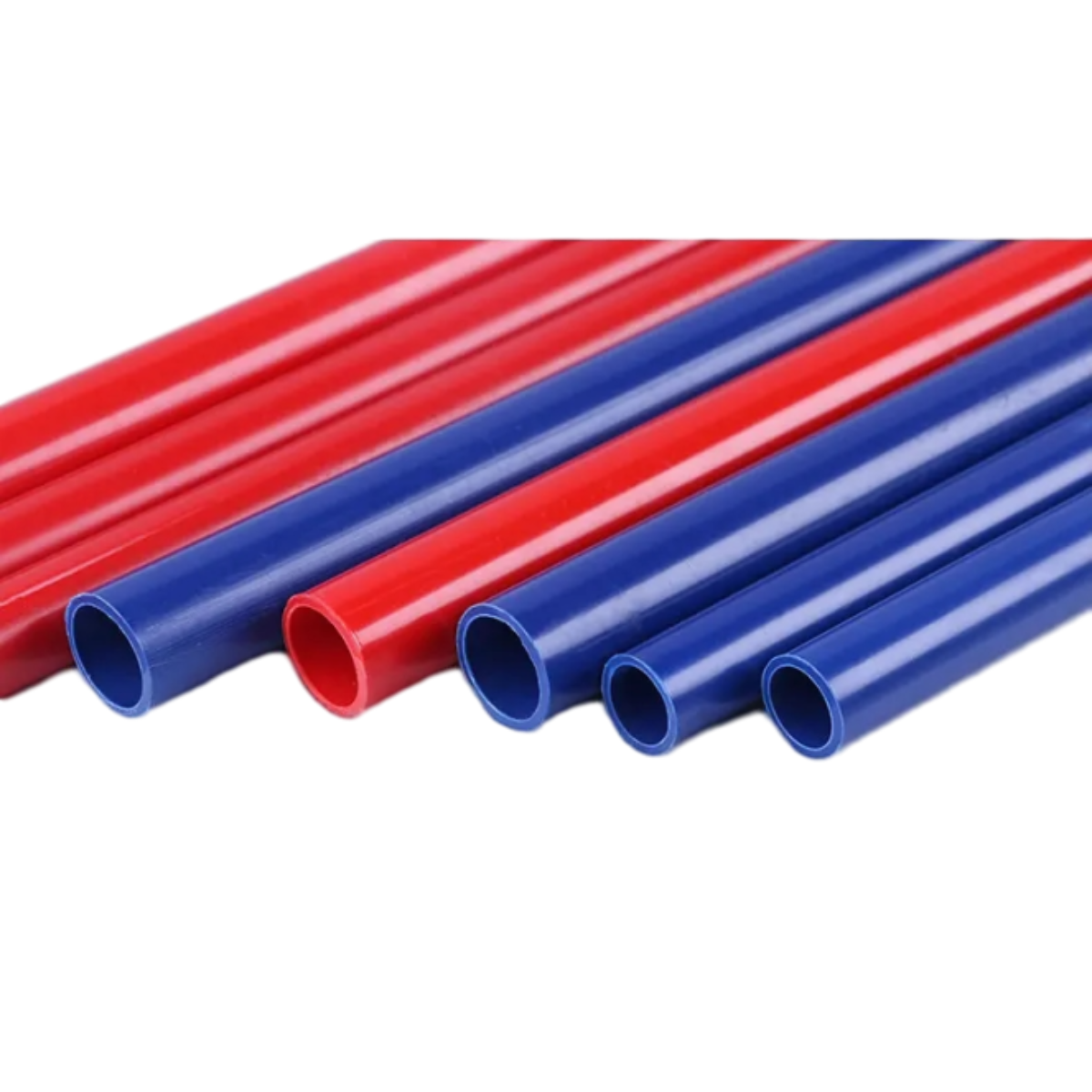
High-Density Polyethylene (HDPE) pipe, specifically the 63mm diameter variant, represents a crucial component in a diverse range of fluid conveyance systems. Its position within the infrastructure chain is fundamental, serving as a conduit for potable water, wastewater, industrial liquids, and gas distribution networks. The 'price service' aspect encompasses not merely the material cost, but a holistic evaluation including installation, longevity, and lifecycle cost analysis. 63mm HDPE pipe offers a compelling combination of chemical resistance, durability, and flexibility, making it a preferred alternative to traditional materials like ductile iron or PVC in many applications. Key performance indicators center around pressure rating (PN), hydrostatic strength, and resistance to slow crack growth (SCG). This guide provides a comprehensive technical overview, addressing material science, manufacturing processes, performance characteristics, potential failure modes, and relevant industry standards.
Material Science & Manufacturing
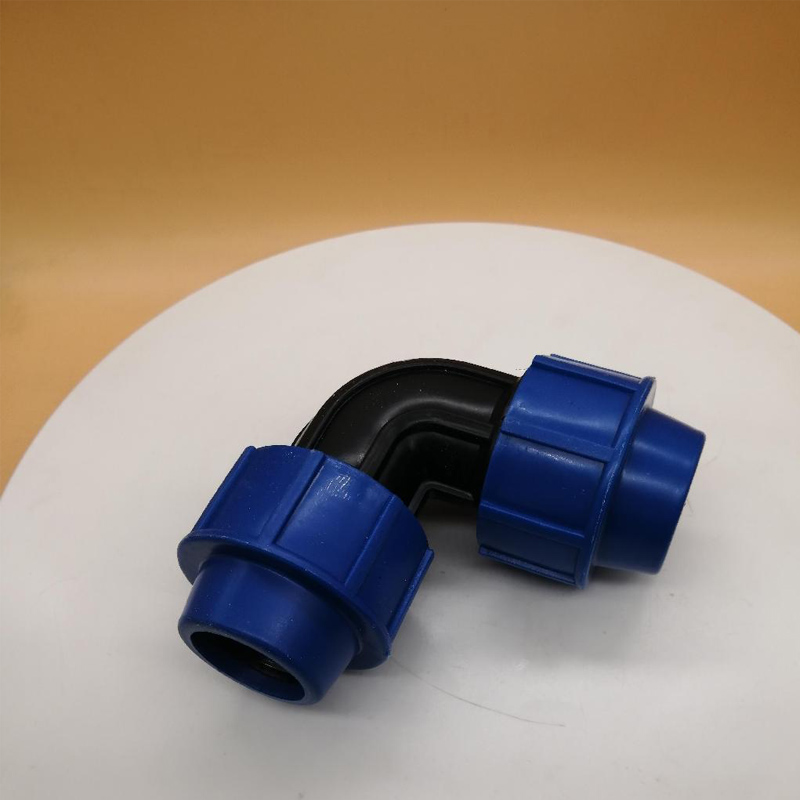
The foundational material for 63mm HDPE pipe is high-density polyethylene, a thermoplastic polymer produced from the polymerization of ethylene. HDPE is characterized by its high strength-to-density ratio, resulting in a robust yet lightweight material. Crucially, the grade of HDPE utilized significantly impacts pipe performance; PE100 is the most common designation for pressure applications, offering enhanced slow crack growth resistance compared to lower grades like PE80. Raw material properties include a density typically ranging from 0.941 to 0.965 g/cm³, a melt flow index (MFI) dictating processability, and a Shore D hardness influencing rigidity. Manufacturing typically employs extrusion processes. The process begins with HDPE resin being fed into a heated extruder, where it is melted and forced through a die to form a continuous pipe. Critical parameters include die temperature (typically 180-210°C), extrusion speed, and cooling rate. Maintaining precise temperature control is vital to ensure uniform wall thickness and prevent material degradation. Post-extrusion, pipes undergo dimensional inspection, hydrostatic testing to verify pressure capacity, and marking with relevant information (size, pressure rating, material grade, manufacturer). Butt fusion, electrofusion, and mechanical fittings are utilized for joining pipe sections. The quality of these joints is paramount, and proper operator training and adherence to fusion parameters are essential to avoid weak points.
Performance & Engineering
The performance of 63mm HDPE pipe is governed by several engineering principles. Hydrostatic design stress (HDS) is a critical parameter, determined by the pipe’s dimensions, material grade (PE100), and a design factor that accounts for safety and long-term performance. The HDS dictates the maximum allowable internal pressure. Force analysis under internal pressure reveals hoop stress (circumferential stress) and longitudinal stress. The pipe’s ability to withstand these stresses depends on its wall thickness and material’s tensile strength. Environmental factors significantly impact long-term performance. Temperature fluctuations induce thermal expansion and contraction; HDPE has a relatively high coefficient of thermal expansion (approximately 0.2 mm/m.K), which must be accommodated in pipeline design via expansion loops or flexible joints. UV radiation can cause degradation, necessitating the use of UV stabilizers in the HDPE formulation or protective coatings for exposed sections. Chemical resistance is a major advantage; HDPE is largely inert to most acids, alkalis, and solvents commonly encountered in industrial applications. However, prolonged exposure to strong oxidizing agents should be avoided. Compliance requirements vary by region and application. Potable water pipes must meet standards regarding leachables and extractables to ensure water quality. Gas distribution pipes must conform to stringent safety regulations concerning leak tightness and impact resistance. The pipe’s flexibility allows for installation in challenging terrains and minimizes the need for rigid support structures.
Technical Specifications
| Parameter | Unit | PE100 (Typical) | PE80 (Typical) |
|---|---|---|---|
| Nominal Diameter | mm | 63 | 63 |
| Pressure Rating (PN) | bar | 16 | 12.5 |
| Hydrostatic Design Stress (HDS) | MPa | 12.5 | 10 |
| Density | g/cm³ | 0.953 | 0.941 |
| Melt Flow Index (MFI) | g/10min | 0.3 - 0.8 | 1.0 - 2.0 |
| Slow Crack Growth Resistance (SCGR) | Hours to Failure (at 20°C) | >1000 | >500 |
Failure Mode & Maintenance
Several failure modes can affect 63mm HDPE pipe. Slow Crack Growth (SCG) is a primary concern, initiated by stress concentrations around imperfections or notches, exacerbated by sustained pressure and temperature. Fatigue cracking can occur due to cyclic pressure fluctuations or repeated bending. Environmental Stress Cracking (ESC) arises from the combined effects of stress and exposure to aggressive chemicals. Oxidation can degrade the material over extended periods, particularly at elevated temperatures. Joint failures are common, often resulting from inadequate fusion parameters (temperature, pressure, time) or contamination during the fusion process. Physical damage from external loads (impact, abrasion) can also cause leaks or ruptures. Preventative maintenance is crucial. Regular visual inspections should be conducted to identify any signs of cracking, deformation, or joint separation. Hydrostatic testing can be performed periodically to verify pipe integrity. For buried pipelines, cathodic protection may be necessary in corrosive soil conditions. When repairing HDPE pipe, only compatible materials and joining methods should be used. For minor leaks, patching with HDPE repair sleeves and adhesive can be effective. For significant damage, section replacement is often the preferred solution. Proper backfilling and compaction around the pipe are essential to prevent external loads from inducing stress.
Industry FAQ
Q: What is the impact of surge pressure on 63mm HDPE pipe?
A: Surge pressure (water hammer) can generate significant stress waves within the pipeline, potentially exceeding the HDS and causing rupture. Proper surge protection devices, such as air valves and surge tanks, should be incorporated into the system design to mitigate these effects. The pipe’s flexibility helps to absorb some of the surge energy, but this is not a substitute for dedicated surge protection.
Q: How does soil corrosivity affect the long-term performance of buried HDPE pipe?
A: While HDPE itself is chemically resistant, corrosive soil conditions can indirectly impact its performance. Electrochemical corrosion of metallic components (fittings, valves) can create galvanic cells, accelerating the degradation of the HDPE pipe in the vicinity. Cathodic protection is often employed to mitigate this risk. Soil composition and resistivity should be assessed during site evaluation.
Q: What are the considerations for installing 63mm HDPE pipe in areas with significant ground movement?
A: HDPE’s flexibility is advantageous in areas prone to ground movement, but proper design is essential. Expansion loops should be incorporated to accommodate thermal expansion and contraction, as well as ground deformation. Flexible joints can also be used to isolate sections of the pipeline. The pipe should be adequately supported to prevent excessive bending stress.
Q: What is the shelf life of HDPE pipe and how should it be stored?
A: HDPE pipe has a long shelf life if stored properly. It should be stored in a cool, dry, and well-ventilated area, away from direct sunlight and UV exposure. Protect the pipe from physical damage. Theoretically, HDPE does not degrade significantly with age when stored correctly, but prolonged UV exposure can reduce its mechanical properties.
Q: What quality control measures are essential during HDPE pipe installation?
A: Critical quality control measures include visual inspection of the pipe for defects, proper cleaning and preparation of the pipe ends before fusion, adherence to recommended fusion parameters (temperature, pressure, time), and hydrostatic testing of the completed pipeline. Qualified and certified fusion operators are essential. Documentation of all installation procedures and test results is crucial.
Conclusion
63mm HDPE pipe represents a robust and versatile solution for a wide array of fluid conveyance applications. Its inherent properties – chemical resistance, flexibility, and durability – coupled with optimized manufacturing processes, position it as a compelling alternative to traditional piping materials. However, achieving optimal performance and longevity necessitates a thorough understanding of material science principles, engineering considerations, and potential failure modes. Careful attention to installation procedures, preventative maintenance, and adherence to relevant industry standards are paramount for maximizing the lifecycle cost-effectiveness of this critical infrastructure component.
Future developments in HDPE technology are likely to focus on enhancing SCGR resistance, improving UV stabilization, and developing more sustainable manufacturing processes. The integration of smart sensors within HDPE pipelines for real-time monitoring of pressure, temperature, and flow rate will further optimize performance and facilitate proactive maintenance. Continued research and development, coupled with rigorous quality control, will ensure that 63mm HDPE pipe remains a vital element in modern infrastructure systems.
-
DN25 HDPE Compression Fitting-HORON INTERNATIONAL|Reliable Irrigation Solutions
NewsFeb.11,2026
-
hdpe coupling joint product Manufacturing Analysis
News2026-11-18
-
ppr pipe heating time products Performance Analysis
News2026-11-16
-
hdpe pipe sizes factory Performance Analysis
News2026-11-09
-
HDPE Pipe Sizes Service Performance Analysis
News2026-10-26
-
wholesale 15mm ppr pipe Material Science and Performance Analysis
News2026-10-20
-
wholesale pvc pipe price per foot Technical Analysis
News2026-09-21
-
wholesale long pvc pipe Technical Analysis and Manufacturing Specifications
News2026-09-15
-
wholesale plumbing kitchen sink water lines Material Performance
News2026-09-15
-
wholesale hdpe drip irrigation Material Science
News2026-09-15
-
wholesale hot water ppr pipe Performance Analysis
News2026-09-15
-
wholesale ppr plumbing Performance Analysis
News2026-09-15
-
wholesale ppr pipe supplier Performance Analysis
News2026-09-13
-
wholesale 50mm ppr pipe Performance Analysis
News2026-09-13
-
wholesale hdpe drip pipe Performance Analysis
News2026-09-13
-
wholesale hdpe pipe 63mm price Manufacturing Specification and Performance Analysis
News2026-09-13