

Feb . 11, 2026 00:01 Back to list
48 inch hdpe pipe cost service Performance Analysis
Introduction
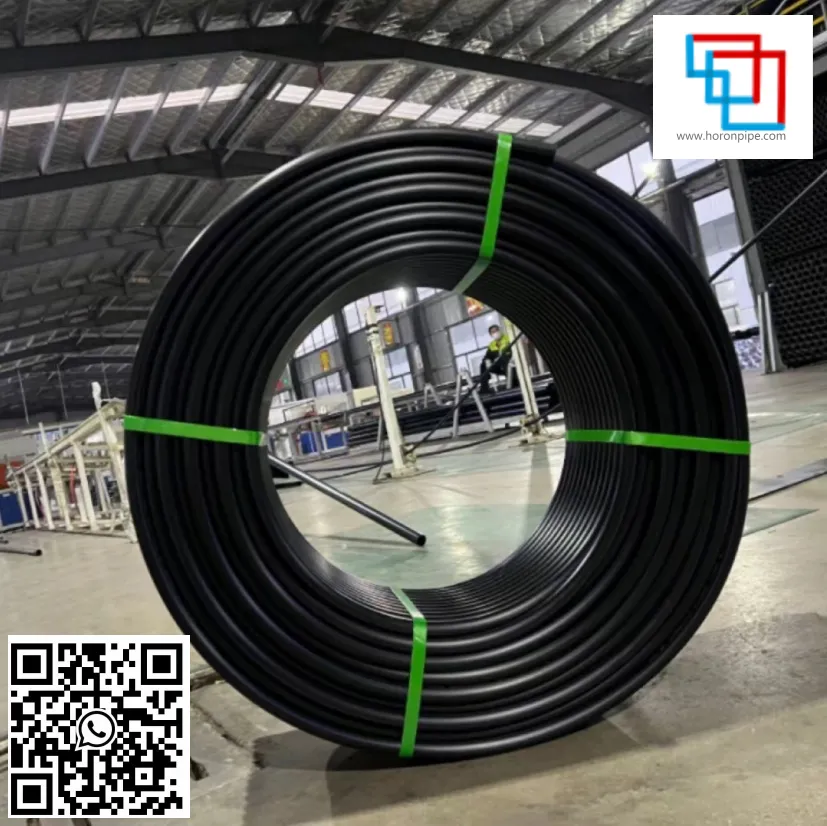
48-inch High-Density Polyethylene (HDPE) pipe represents a significant component in large-scale fluid and solid transport systems, particularly within the municipal, industrial, and energy sectors. Its cost service, encompassing material, fabrication, installation, and long-term maintenance, is a critical factor in infrastructure project planning. HDPE’s increasing adoption stems from its corrosion resistance, lightweight nature relative to traditional materials like steel or concrete, and ease of installation via methods like butt fusion. This guide provides an in-depth examination of 48-inch HDPE pipe, focusing on its material science, manufacturing processes, performance characteristics, failure modes, and associated cost considerations. The primary industry pain points are achieving cost-effective long-term performance, ensuring compliance with evolving regulatory standards concerning material traceability and environmental impact, and mitigating risks associated with ground movement and external loading which can compromise structural integrity. Understanding these elements is paramount for procurement managers, engineers, and project stakeholders.
Material Science & Manufacturing
The base material for 48-inch HDPE pipe is high-density polyethylene, a thermoplastic polymer produced from the polymerization of ethylene. HDPE exhibits a high strength-to-density ratio, excellent chemical resistance, and notable ductility. Key raw material properties influencing pipe performance include molecular weight distribution, density (typically between 0.930 and 0.965 g/cm³), and the presence of additives such as carbon black for UV protection and antioxidants to prevent thermal degradation. Manufacturing of 48-inch HDPE pipe typically involves extrusion. High-molecular-weight HDPE resin is fed into a large extruder, melted, and forced through a circular die to form a continuous pipe. Critical process parameters include die temperature (typically between 190-210°C), extrusion speed, and cooling rate. Precise control of these parameters is essential to achieve consistent wall thickness, minimize residual stresses, and ensure dimensional accuracy. Butt fusion is the predominant joining method for large-diameter HDPE pipes. This process involves heating the end faces of two pipe sections until they become molten, then pressing them together under controlled pressure to create a homogenous weld. Quality control measures include visual inspection, hydrostatic testing to verify leak tightness, and non-destructive testing methods like ultrasonic inspection to detect weld defects. PE100, PE80, and PE63 are common material designations indicating minimum required strength cell (MRS) values, and directly correlate to the long-term hydrostatic strength of the pipe.
Performance & Engineering
The performance of 48-inch HDPE pipe is governed by several engineering principles. Hydrostatic design stress (HDS) is a crucial parameter, representing the maximum allowable internal pressure the pipe can withstand. HDS is calculated based on the pipe's dimensions, material's MRS, and a design factor (typically 0.75). External loading, including soil loads, traffic loads, and hydrostatic uplift forces, must also be considered. The pipe's ability to resist buckling and deformation under these loads is critical, particularly in trenchless installation applications. Finite element analysis (FEA) is commonly employed to model the pipe's structural behavior under various loading conditions. HDPE's ductile nature allows it to accommodate significant ground movement without catastrophic failure, making it suitable for seismic zones. Chemical resistance is another key performance attribute. HDPE is highly resistant to most acids, bases, and solvents, making it ideal for transporting corrosive fluids. However, prolonged exposure to strong oxidizing agents should be avoided. Compliance with industry standards like ASTM D3212 and EN 1327 defines minimum performance requirements for HDPE pipes, including hydrostatic strength, burst pressure, and environmental stress crack resistance (ESCR). Thermal expansion and contraction are also significant design considerations, requiring the implementation of expansion joints or flexible connections to prevent stress buildup.
Technical Specifications
| Parameter | Unit | PE100 | PE80 |
|---|---|---|---|
| Nominal Pipe Diameter | inch | 48 | 48 |
| Minimum Required Strength (MRS) | MPa | 10.0 | 8.0 |
| Hydrostatic Design Stress (HDS) | MPa | 7.5 | 6.0 |
| Standard Dimension Ratio (SDR) | - | SDR 11 or higher (dependent on application) | SDR 17 or higher (dependent on application) |
| Wall Thickness (typical SDR 11) | mm | 31.9 | N/A |
| Density | g/cm³ | 0.930 - 0.965 | 0.930 - 0.965 |
Failure Mode & Maintenance
Several failure modes can affect 48-inch HDPE pipe. Slow Crack Growth (SCG) or Environmental Stress Cracking (ESCR) occurs due to the combined effects of sustained stress and exposure to aggressive chemicals. This often manifests as brittle cracking, particularly in areas of stress concentration. Fatigue cracking can occur under cyclic loading, such as from traffic or internal pressure fluctuations. Joint failures, specifically at butt fusion welds, are also common due to inadequate fusion parameters, contamination, or improper preparation. External corrosion, while HDPE is inherently corrosion-resistant, can occur due to the degradation of additives like carbon black over extended periods, particularly in environments with high UV exposure. Ground movement and settlement can induce stresses that exceed the pipe's allowable limits, leading to buckling or cracking. Maintenance typically involves visual inspections for cracks, deformation, or signs of joint separation. Leak detection surveys, using acoustic methods or pressure testing, can identify potential problems. Repair options include mechanical couplings, cut-and-splice repairs with butt fusion, or point repairs using specialized patching compounds. Regular monitoring of ground conditions and proactive adjustments to support systems can prevent failures caused by external loads. Preventive maintenance programs focused on UV protection and periodic inspection of welds are crucial for extending service life.
Industry FAQ
Q: What is the impact of soil corrosivity on the long-term performance of 48-inch HDPE pipe?
A: While HDPE itself is corrosion-resistant, highly corrosive soils can attack the pipe’s additives, such as carbon black, reducing its UV resistance and potentially accelerating degradation. Furthermore, corrosive soils can impact surrounding metallic components like sensors or cathodic protection systems, leading to indirect corrosion issues. Proper soil testing and the application of appropriate protective coatings are vital in such environments.
Q: How does the SDR (Standard Dimension Ratio) affect the cost of 48-inch HDPE pipe?
A: Lower SDR values correspond to thicker pipe walls and increased material usage, resulting in a higher initial cost. However, lower SDR pipes can withstand higher internal pressures and external loads. Selecting the appropriate SDR involves a trade-off between upfront cost and long-term performance and safety requirements. A detailed pressure and load analysis is essential.
Q: What are the critical quality control measures during butt fusion welding of 48-inch HDPE pipe?
A: Critical measures include ensuring clean and properly prepared pipe ends, precise temperature control of the heating plate, consistent application of fusion pressure, and adherence to established fusion parameters outlined in standards like ASTM F2620. Post-fusion visual inspection and non-destructive testing (ultrasonic) are essential for detecting defects.
Q: What is the expected service life of a properly installed and maintained 48-inch HDPE pipe?
A: Properly installed and maintained 48-inch HDPE pipe can have a service life exceeding 50 years, and potentially up to 100 years, depending on the operating conditions, soil environment, and quality of materials and installation. Regular inspections and proactive maintenance are essential for maximizing service life.
Q: How does temperature affect the installation and performance of 48-inch HDPE pipe?
A: HDPE becomes more flexible at higher temperatures, facilitating installation, especially in cold weather. However, excessive temperatures can cause dimensional changes and affect weld quality. Installation should be performed within specified temperature ranges outlined in manufacturer guidelines and relevant standards. Temperature fluctuations during operation induce expansion and contraction, requiring appropriate expansion loops or flexible joints.
Conclusion
48-inch HDPE pipe offers a robust and cost-effective solution for large-diameter fluid and solid conveyance, provided its material properties, manufacturing processes, and performance characteristics are thoroughly understood. Proper material selection (PE100 vs. PE80), meticulous installation techniques, especially butt fusion welding, and ongoing maintenance are crucial for maximizing its service life and minimizing the risk of failures related to SCG, fatigue, or external loading. The increasing adoption of HDPE stems from its inherent advantages in corrosion resistance, flexibility, and ease of installation, yet a holistic lifecycle cost analysis encompassing material, installation, and maintenance is essential for informed decision-making.
Future developments in HDPE pipe technology will likely focus on enhanced material formulations with improved ESCR resistance, advanced non-destructive testing methods for weld quality control, and the integration of smart monitoring systems for real-time performance assessment. Addressing industry pain points related to material traceability, environmental sustainability, and long-term performance prediction will remain paramount. Continued adherence to evolving international standards and best practices will ensure the continued safe and reliable operation of 48-inch HDPE pipe infrastructure.
-
DN25 HDPE Compression Fitting-HORON INTERNATIONAL|Reliable Irrigation Solutions
NewsFeb.11,2026
-
hdpe coupling joint product Manufacturing Analysis
News2026-11-18
-
ppr pipe heating time products Performance Analysis
News2026-11-16
-
hdpe pipe sizes factory Performance Analysis
News2026-11-09
-
HDPE Pipe Sizes Service Performance Analysis
News2026-10-26
-
wholesale 15mm ppr pipe Material Science and Performance Analysis
News2026-10-20
-
wholesale pvc pipe price per foot Technical Analysis
News2026-09-21
-
wholesale long pvc pipe Technical Analysis and Manufacturing Specifications
News2026-09-15
-
wholesale plumbing kitchen sink water lines Material Performance
News2026-09-15
-
wholesale hdpe drip irrigation Material Science
News2026-09-15
-
wholesale hot water ppr pipe Performance Analysis
News2026-09-15
-
wholesale ppr plumbing Performance Analysis
News2026-09-15
-
wholesale ppr pipe supplier Performance Analysis
News2026-09-13
-
wholesale 50mm ppr pipe Performance Analysis
News2026-09-13
-
wholesale hdpe drip pipe Performance Analysis
News2026-09-13
-
wholesale hdpe pipe 63mm price Manufacturing Specification and Performance Analysis
News2026-09-13