

Feb . 11, 2026 00:01 Back to list
48 inch hdpe pipe cost manufacturers Performance Analysis
Introduction
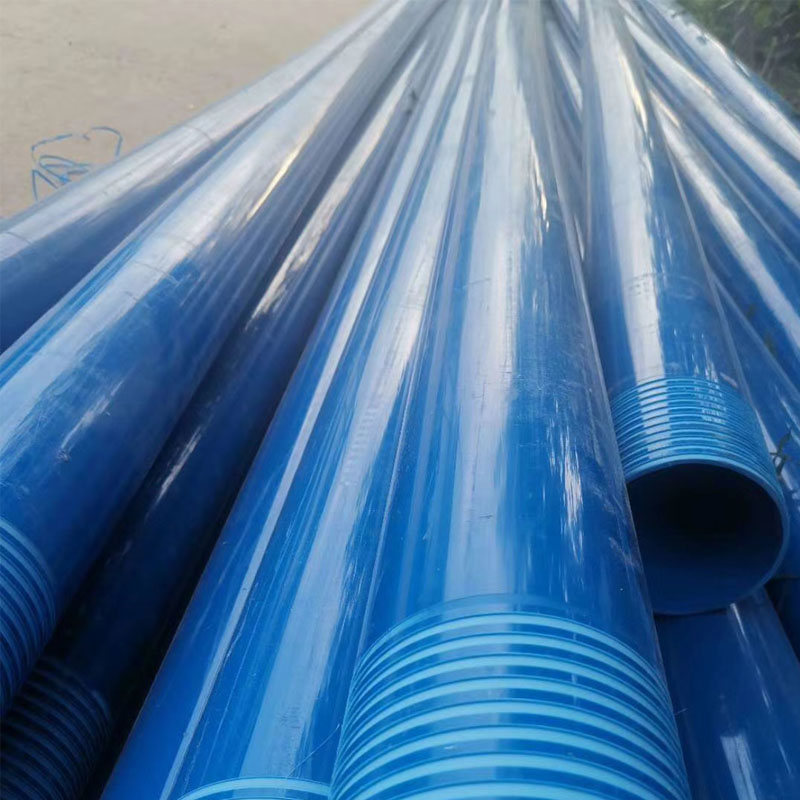
High-Density Polyethylene (HDPE) pipe, specifically 48-inch diameter, represents a critical component in large-scale infrastructure projects, including water transmission, gravity sewers, and industrial effluent discharge. This guide provides a comprehensive technical overview for procurement managers, engineers, and maintenance personnel involved with 48-inch HDPE pipe systems. The industry currently faces challenges relating to long-term performance predictability under varying soil conditions, accurate cost estimation factoring in installation complexities, and ensuring compliance with increasingly stringent environmental regulations surrounding material leaching. 48-inch HDPE pipe offers advantages over traditional materials like concrete and ductile iron due to its lightweight nature, corrosion resistance, and flexibility, allowing for trenchless installation techniques. Core performance characteristics include pressure capacity (dependent on pipe schedule and material grade), long-term strength number (LTS), and resistance to slow crack growth (SCG). This document will detail these aspects, alongside manufacturing processes, failure modes, and relevant industry standards, providing a resource for informed decision-making.
Material Science & Manufacturing
HDPE pipe is produced from polyethylene resin, typically High-Density Polyethylene (HDPE) conforming to PE3408, PE4710, or PE100 standards. The resin's molecular weight distribution and density significantly impact the pipe's physical and chemical properties. Higher density correlates with increased strength and rigidity, but also reduced impact resistance at lower temperatures. Raw material selection must consider the intended application's operational temperature range and soil corrosivity. Manufacturing of 48-inch HDPE pipe predominantly utilizes the extrusion process. The polyethylene resin is melted and forced through a circular die, forming a continuous pipe. Key parameters in the extrusion process include die temperature (typically 180-210°C), melt flow index (MFI – controlling resin viscosity), and haul-off speed (determining pipe wall thickness). Precise control of these parameters is critical to achieve consistent pipe dimensions and material properties. Pipe schedules (e.g., Schedule 40, Schedule 80) dictate the wall thickness and pressure rating. Butt fusion is the standard joining method for large diameter HDPE pipe, requiring skilled operators and meticulously controlled heating and cooling cycles to ensure a homogenous weld and prevent defects like incomplete fusion or excessive flash. Quality control measures include hydrostatic testing to verify pressure integrity and non-destructive testing (NDT) methods like ultrasonic testing to detect weld imperfections. The addition of carbon black provides UV protection and enhances the pipe's resistance to environmental stress cracking.
Performance & Engineering
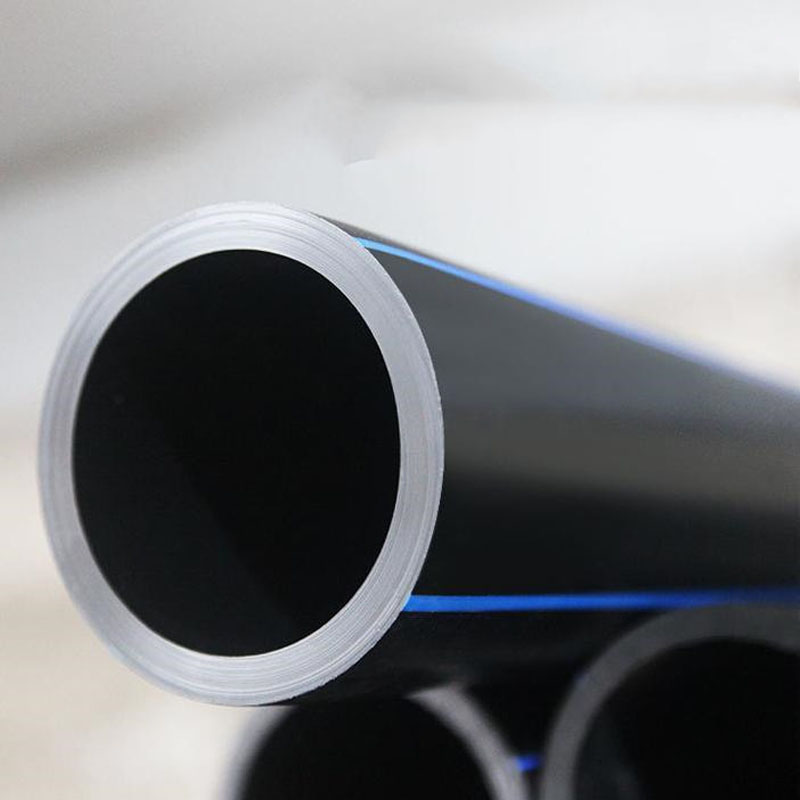
The performance of 48-inch HDPE pipe is governed by several engineering principles. Hoop stress, resulting from internal pressure, is a primary design consideration. The pipe's ability to withstand this stress is directly related to its wall thickness and the material’s Long-Term Hydrostatic Strength (LTHS). Finite Element Analysis (FEA) is frequently employed to model stress distribution under various loading conditions, including internal pressure, external soil loads, and live loads (e.g., traffic). Soil loading analysis is crucial, considering soil bearing capacity, compaction levels, and potential for differential settlement. HDPE's flexibility allows it to accommodate some ground movement without failure, a significant advantage over rigid materials. Environmental resistance is another key factor. HDPE is chemically inert to most substances found in soil and water, but prolonged exposure to strong oxidizers or hydrocarbons can cause degradation. UV exposure can also lead to embrittlement if the pipe is not adequately protected (e.g., through carbon black addition or burial). Compliance requirements vary by region and application. For potable water systems, NSF/ANSI 61 certification is essential to ensure the material does not leach harmful contaminants. For gravity sewers, compliance with ASTM D3212 and local sewer authority specifications is required. The pipe’s deflection under load must remain within acceptable limits to prevent ovalization and maintain flow capacity.
Technical Specifications
| Parameter | Units | PE3408 | PE4710 |
|---|---|---|---|
| Nominal Diameter | inches | 48 | 48 |
| Pressure Rating (Schedule 40) | psi | 100 | 140 |
| Pressure Rating (Schedule 80) | psi | 160 | 220 |
| Long Term Strength Number (LTS) | psi | 8.6 | 10.3 |
| Density | g/cm³ | 0.941 – 0.965 | 0.941 – 0.965 |
| Hydrostatic Design Basis (HDB) | years | 50 | 50 |
Failure Mode & Maintenance
Several failure modes can affect 48-inch HDPE pipe systems. Slow Crack Growth (SCG) is a significant concern, particularly in environments with residual stresses and exposure to certain chemicals. SCG initiates at stress concentrators (e.g., scratches, gouges, weld defects) and propagates slowly over time. Fatigue cracking can occur under cyclic loading conditions, such as those encountered in earthquake-prone areas or with heavy traffic loads. External corrosion, although HDPE is inherently corrosion-resistant, can be induced by stray electrical currents or aggressive soil conditions. Joint failures are common, often resulting from improper butt fusion procedures (incomplete fusion, excessive flash, misalignment). Ground movement and differential settlement can lead to pipe ovalization and stress concentrations. Maintenance strategies include regular visual inspections to identify potential cracks or damage, cathodic protection in corrosive environments, and periodic pressure testing to detect leaks. Repair options include sleeve fusion for localized damage and cut-and-replace for more extensive failures. Proper bedding and backfill are crucial to prevent external loads from exceeding the pipe's design capacity. A preventative maintenance program incorporating these elements will significantly extend the service life of the pipeline.
Industry FAQ
Q: What is the impact of soil corrosivity on the long-term performance of 48-inch HDPE pipe?
A: Highly corrosive soils can exacerbate SCG by creating stress concentrations and weakening the pipe material. While HDPE is chemically resistant, aggressive ions (e.g., chlorides, sulfates) can penetrate microscopic flaws and accelerate crack propagation. Mitigation strategies include using higher-grade HDPE materials, applying protective coatings, and implementing cathodic protection systems.
Q: What are the key quality control checks during the butt fusion process?
A: Key checks include verifying fusion parameters (temperature, pressure, time) according to the manufacturer’s specifications. Visual inspection of the weld bead for consistent shape and absence of defects is critical. Non-destructive testing (NDT), such as ultrasonic testing, should be performed on a representative sample of welds to detect internal imperfections. Destructive testing (pull-out tests) can provide further verification of weld strength.
Q: How does temperature affect the performance of 48-inch HDPE pipe?
A: Low temperatures can increase the pipe's brittleness, making it more susceptible to cracking. High temperatures can reduce the pipe's strength and increase its susceptibility to creep. Material selection and design considerations must account for the expected operating temperature range. The Long Term Strength Number (LTS) is temperature dependent and should be adjusted accordingly.
Q: What is the recommended bedding material for 48-inch HDPE pipe?
A: Well-graded sand or gravel is typically recommended as bedding material, providing uniform support and preventing stress concentrations. The bedding material should be free of sharp objects that could damage the pipe. Adequate compaction of the bedding is crucial to ensure proper load distribution. Geotextile fabric should be used between the bedding and the surrounding soil to prevent migration of fines.
Q: What is the typical service life of a properly installed and maintained 48-inch HDPE pipeline?
A: With proper installation, maintenance, and material selection, a 48-inch HDPE pipeline can have a service life exceeding 50 years, and potentially 100 years. The actual service life will depend on factors such as soil conditions, operating pressure, and exposure to aggressive chemicals. Regular inspections and preventative maintenance are essential to maximizing the pipeline's lifespan.
Conclusion
48-inch HDPE pipe offers a robust and cost-effective solution for large-diameter pipeline applications. Its inherent corrosion resistance, flexibility, and ease of installation provide significant advantages over traditional materials. However, successful implementation requires a thorough understanding of material science principles, manufacturing processes, and potential failure modes. Proper material selection based on application specifics, meticulous quality control during fabrication and installation, and a proactive maintenance program are critical to ensuring long-term performance and minimizing life-cycle costs.
Future advancements in HDPE material technology, such as the development of enhanced polymer blends with improved SCG resistance and increased strength, will further broaden the application range of 48-inch HDPE pipe. Continued research into non-destructive testing methods and predictive maintenance strategies will also contribute to optimizing pipeline performance and extending service life. The ongoing trend towards sustainable infrastructure solutions will likely drive increased adoption of HDPE pipe due to its recyclability and minimal environmental impact.
-
DN25 HDPE Compression Fitting-HORON INTERNATIONAL|Reliable Irrigation Solutions
NewsFeb.11,2026
-
hdpe coupling joint product Manufacturing Analysis
News2026-11-18
-
ppr pipe heating time products Performance Analysis
News2026-11-16
-
hdpe pipe sizes factory Performance Analysis
News2026-11-09
-
HDPE Pipe Sizes Service Performance Analysis
News2026-10-26
-
wholesale 15mm ppr pipe Material Science and Performance Analysis
News2026-10-20
-
wholesale pvc pipe price per foot Technical Analysis
News2026-09-21
-
wholesale long pvc pipe Technical Analysis and Manufacturing Specifications
News2026-09-15
-
wholesale plumbing kitchen sink water lines Material Performance
News2026-09-15
-
wholesale hdpe drip irrigation Material Science
News2026-09-15
-
wholesale hot water ppr pipe Performance Analysis
News2026-09-15
-
wholesale ppr plumbing Performance Analysis
News2026-09-15
-
wholesale ppr pipe supplier Performance Analysis
News2026-09-13
-
wholesale 50mm ppr pipe Performance Analysis
News2026-09-13
-
wholesale hdpe drip pipe Performance Analysis
News2026-09-13
-
wholesale hdpe pipe 63mm price Manufacturing Specification and Performance Analysis
News2026-09-13