

Feb . 11, 2026 00:01 Back to list
48 inch hdpe pipe cost factories Manufacturing Analysis
Introduction
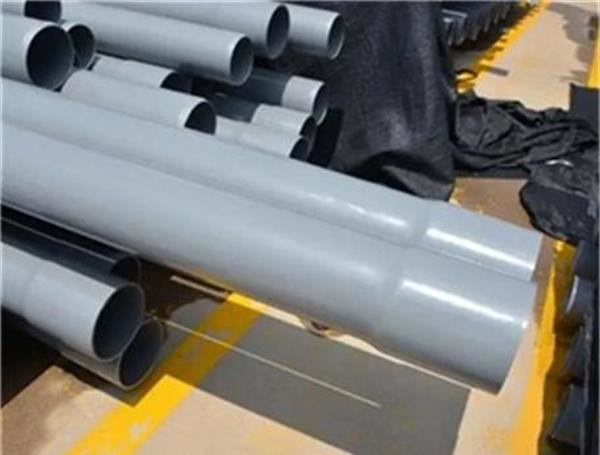
48-inch High-Density Polyethylene (HDPE) pipe represents a significant component in large-diameter pipeline infrastructure, primarily utilized in gravity-fed sewer systems, storm drainage, culverts, and industrial effluent transport. Its position within the broader infrastructure supply chain is as a durable, cost-effective alternative to traditional materials like concrete, steel, and ductile iron. Core performance characteristics hinge upon its exceptional chemical resistance, lightweight nature facilitating easier installation, and inherent flexibility accommodating ground movement. The cost of these pipes, a critical factor for project budgeting, is intrinsically linked to raw material prices (polyethylene resin), manufacturing scale, pipe pressure rating (SDR – Standard Dimension Ratio), and logistical considerations. This guide provides a comprehensive technical overview, addressing material science, manufacturing processes, performance engineering, failure modes, and relevant industry standards associated with 48-inch HDPE pipe, specifically focusing on factors influencing factory cost structures.
Material Science & Manufacturing
HDPE pipe construction relies on high-density polyethylene resin, typically sourced from the polymerization of ethylene. The resin's density (typically 0.941 – 0.965 g/cm³) dictates its mechanical properties, with higher densities generally correlating with increased stiffness and tensile strength. Crucially, the molecular weight distribution (MWD) of the polyethylene significantly impacts processability and long-term performance. A broad MWD facilitates both melt flow during extrusion and enhanced resistance to slow crack growth (SCG). Additives, including carbon black for UV protection, antioxidants to prevent thermal degradation, and stabilizers to enhance long-term durability, are incorporated during compounding.
Manufacturing 48-inch HDPE pipe predominantly employs extrusion processes. The process initiates with the melting of HDPE resin within a large extruder, typically utilizing a single screw or twin-screw configuration. The molten polymer is then forced through a circular die, forming a continuous tube. Key parameters requiring precise control include barrel temperature profile (typically 180-240°C), screw speed, die pressure, and haul-off speed. The pipe is cooled via water baths, ensuring dimensional stability. For larger diameter pipes, co-extrusion may be employed to create multi-layer constructions incorporating different resin formulations for enhanced performance (e.g., a black UV-resistant outer layer and a lighter-colored inner layer for visual inspection). Post-extrusion, pipes undergo quality control checks, including hydrostatic pressure testing to verify burst pressure and dimensional accuracy. Welding of pipe sections, typically through butt fusion, is a critical process requiring skilled operators and adherence to stringent parameters (temperature, pressure, and time) to ensure joint integrity equivalent to the pipe body.
Performance & Engineering
The structural performance of 48-inch HDPE pipe is governed by several engineering principles. Hoop stress, induced by internal pressure (soil overburden in burial applications), is a primary consideration. The pipe’s pressure rating, defined by its SDR (Standard Dimension Ratio – the ratio of pipe diameter to wall thickness), directly influences its ability to withstand this stress. Lower SDR values denote thicker walls and higher pressure capabilities. The pipe's flexibility allows for adaptation to soil settlement and seismic activity, mitigating the risk of catastrophic failure. Force analysis incorporates bending moments resulting from differential settlement and external loads (traffic, construction equipment).
Environmental resistance is paramount. HDPE exhibits exceptional resistance to most chemicals encountered in typical applications, including acids, alkalis, and solvents. However, prolonged exposure to strong oxidizing agents should be avoided. UV degradation is addressed through the incorporation of carbon black, which absorbs harmful UV radiation. Long-term creep, the gradual deformation under sustained load, is a critical design consideration, particularly for buried pipelines. Compliance requirements vary geographically, with adherence to local building codes and environmental regulations (e.g., wastewater discharge permits) being essential. Finite Element Analysis (FEA) is routinely employed in engineering designs to model stress distribution, predict long-term performance, and optimize pipe wall thickness based on specific application parameters.
Technical Specifications
| Parameter | Units | Typical Value (SDR 17) | Typical Value (SDR 26) |
|---|---|---|---|
| Nominal Pipe Size | inches | 48 | 48 |
| Outside Diameter | inches | 49.3 | 49.3 |
| Minimum Wall Thickness | inches | 0.291 | 0.188 |
| Standard Dimension Ratio (SDR) | - | 17 | 26 |
| Hydrostatic Design Basis (HDB) | psi | 1600 | 1000 |
| Burst Pressure | psi | 6400 | 4000 |
| Density | g/cm³ | 0.95 - 0.965 | 0.95 - 0.965 |
Failure Mode & Maintenance
HDPE pipe, while durable, is susceptible to specific failure modes. Slow Crack Growth (SCG) is a significant concern, particularly in environments with sustained tensile stress and the presence of certain chemicals. SCG manifests as brittle cracking originating at stress concentrators (e.g., weld defects, scratches). Fatigue cracking can occur under cyclic loading, such as from traffic vibrations. Joint failures, often resulting from inadequate butt fusion parameters or improper surface preparation, represent a common point of weakness. Ground movement and soil corrosion, particularly in aggressive soil environments, can induce stress and lead to pipe deformation or cracking. Oxidation, while relatively slow, can degrade the polymer over extended periods, reducing its mechanical properties.
Preventive maintenance includes regular visual inspections for signs of cracking or deformation. Proper backfilling procedures, minimizing point loads and providing adequate compaction, are crucial. Cathodic protection may be necessary in corrosive soil environments. Leak detection surveys, utilizing acoustic or pressure monitoring techniques, can identify early signs of failure. Repairs typically involve cut-and-replace sections with new HDPE pipe, utilizing butt fusion welding. Detailed failure analysis, including microscopic examination of fracture surfaces, is essential to determine the root cause of failure and implement corrective actions.
Industry FAQ
Q: What is the impact of polyethylene resin pricing fluctuations on the overall cost of 48-inch HDPE pipe?
A: Polyethylene resin constitutes a substantial portion (typically 50-70%) of the raw material cost. Fluctuations in crude oil prices, which directly influence ethylene production costs, have a cascading effect on resin prices. Supply chain disruptions, geopolitical events, and variations in demand also contribute to price volatility. Manufacturers mitigate this risk through long-term contracts with resin suppliers, hedging strategies, and strategic inventory management.
Q: How does the SDR (Standard Dimension Ratio) influence the cost and application of 48-inch HDPE pipe?
A: Lower SDR values equate to thicker walls, higher pressure ratings, and consequently, increased material costs. However, they also provide greater structural integrity and are suitable for demanding applications with high soil overburden or internal pressures. Higher SDR values are more economical but are limited to lower-pressure applications. The optimal SDR selection involves a cost-benefit analysis considering the specific project requirements and risk tolerance.
Q: What quality control measures are employed during the manufacturing process to ensure the long-term performance of 48-inch HDPE pipe?
A: Rigorous quality control encompasses multiple stages. Incoming resin inspection verifies compliance with specifications. During extrusion, continuous monitoring of process parameters (temperature, pressure, speed) ensures dimensional accuracy and consistency. Hydrostatic pressure testing, conducted according to industry standards, confirms the pipe's ability to withstand design pressures. Weld quality is assessed through visual inspection and destructive testing. Non-destructive testing (NDT) techniques, such as ultrasonic testing, may be employed for critical joints.
Q: What are the key factors contributing to joint failure in 48-inch HDPE pipe installations, and how can they be prevented?
A: Improper butt fusion parameters (temperature, pressure, time) are a primary cause of joint failure. Inadequate surface preparation (contamination, moisture) hinders proper fusion. Incorrect alignment or improper clamping during welding can induce stress concentrations. Prevention involves operator training, adherence to established welding procedures, meticulous surface preparation, and the use of calibrated welding equipment.
Q: How does the long-term creep behavior of HDPE impact the design and lifespan of buried pipelines?
A: HDPE exhibits time-dependent creep, meaning it undergoes gradual deformation under sustained load over time. Engineers must account for this creep behavior in design calculations, ensuring sufficient safety factors to prevent excessive deformation or pipe failure. Soil properties, temperature, and internal pressure all influence creep rates. Long-term performance prediction models are often employed to assess the pipe's lifespan and identify potential areas of concern.
Conclusion
48-inch HDPE pipe represents a robust and cost-effective solution for large-diameter pipeline applications. Its inherent chemical resistance, flexibility, and lightweight nature provide distinct advantages over traditional materials. However, understanding the material science, manufacturing nuances, and potential failure modes is crucial for ensuring long-term performance and optimizing cost-effectiveness. The ultimate cost of these pipes is a complex interplay of raw material prices, manufacturing efficiency, and adherence to stringent quality control protocols.
Continued advancements in polyethylene resin technology, coupled with improved welding techniques and sophisticated engineering analysis, will further enhance the performance and expand the application scope of 48-inch HDPE pipe. Focusing on proactive maintenance strategies, including regular inspections and leak detection, will maximize the lifespan of these critical infrastructure components and minimize lifecycle costs. Future research should prioritize developing enhanced creep models and exploring innovative additives to mitigate SCG and improve long-term durability.
-
DN25 HDPE Compression Fitting-HORON INTERNATIONAL|Reliable Irrigation Solutions
NewsFeb.11,2026
-
hdpe coupling joint product Manufacturing Analysis
News2026-11-18
-
ppr pipe heating time products Performance Analysis
News2026-11-16
-
hdpe pipe sizes factory Performance Analysis
News2026-11-09
-
HDPE Pipe Sizes Service Performance Analysis
News2026-10-26
-
wholesale 15mm ppr pipe Material Science and Performance Analysis
News2026-10-20
-
wholesale pvc pipe price per foot Technical Analysis
News2026-09-21
-
wholesale long pvc pipe Technical Analysis and Manufacturing Specifications
News2026-09-15
-
wholesale plumbing kitchen sink water lines Material Performance
News2026-09-15
-
wholesale hdpe drip irrigation Material Science
News2026-09-15
-
wholesale hot water ppr pipe Performance Analysis
News2026-09-15
-
wholesale ppr plumbing Performance Analysis
News2026-09-15
-
wholesale ppr pipe supplier Performance Analysis
News2026-09-13
-
wholesale 50mm ppr pipe Performance Analysis
News2026-09-13
-
wholesale hdpe drip pipe Performance Analysis
News2026-09-13
-
wholesale hdpe pipe 63mm price Manufacturing Specification and Performance Analysis
News2026-09-13