

Feb . 11, 2026 00:01 Back to list
40mm ppr pipe factories Performance Analysis
Introduction
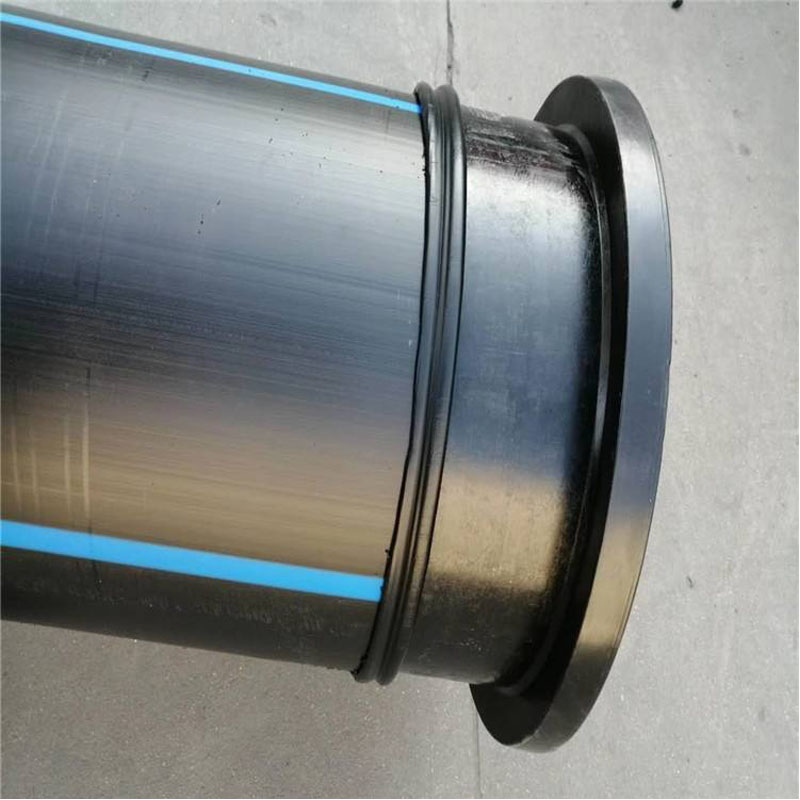
Polypropylene Random Copolymer (PPR) pipe, specifically the 40mm variant, represents a significant component in modern fluid transfer systems, primarily for potable water, heating, and cooling applications. Within the industrial chain, 40mm PPR pipe factories occupy a crucial mid-stream position, converting polypropylene resin into finished products demanded by construction, infrastructure, and industrial processing sectors. Core performance characteristics hinge on pressure resistance, temperature endurance, chemical inertness, and long-term hydrostatic strength. This guide details the material science, manufacturing processes, performance criteria, failure modes, and relevant standards governing the production and application of 40mm PPR pipe. The key industry pain points revolve around maintaining consistent material quality, ensuring long-term weld integrity, and adhering to increasingly stringent regulatory requirements concerning leaching and hygienic properties.
Material Science & Manufacturing
The foundational material for 40mm PPR pipe is polypropylene random copolymer. This copolymerization introduces ethylene monomers randomly within the polypropylene chain, disrupting the polymer’s crystallinity and imparting enhanced flexibility and impact resistance compared to homopolymer polypropylene. Raw material properties crucial for pipe production include Melt Flow Rate (MFR) – typically between 3.0 and 5.0 g/10min (ISO 1133) dictating processability – and Molecular Weight Distribution (MWD) influencing the balance of stiffness and toughness. Manufacturing begins with the extrusion process. Polypropylene resin, along with stabilizing additives (typically antioxidants and UV stabilizers) is fed into a heated extruder. The extruder consists of a screw conveying the material, heating zones maintaining precise temperature profiles (typically 180-240°C), and a die forming the pipe’s circular cross-section. Parameter control is paramount: die temperature consistency (±1°C), screw speed regulation, and accurate resin feeding rates are critical to ensure uniform wall thickness and dimensional accuracy. Subsequent cooling is achieved through water tanks, maintaining a controlled cooling rate to prevent warping or internal stress. Finally, pipes are marked with identification details, cut to length, and subjected to quality control checks, including hydrostatic testing (see Performance & Engineering section).
Performance & Engineering
The performance of 40mm PPR pipe is fundamentally governed by its ability to withstand internal pressure and external stresses. Force analysis considers hoop stress (σh = (P D) / (2 t), where P is pressure, D is diameter, and t is wall thickness) which dictates the pipe’s resistance to bursting. Environmental resistance is crucial; PPR exhibits good resistance to many chemicals, but prolonged exposure to strong oxidizing agents can cause degradation. Compliance requirements are stringent, particularly regarding potable water contact. Standards like NSF/ANSI 61 (USA) and EN 12542 (Europe) dictate acceptable levels of leachables into the water supply. Functional implementation considerations include thermal expansion and contraction – PPR has a coefficient of thermal expansion approximately 0.15 mm/m°C. Installation must accommodate this expansion to prevent stress on joints and fittings. Jointing is typically achieved through thermal fusion welding (butt fusion or socket fusion). Welding parameters – temperature, pressure, and dwell time – are critical for achieving a robust, leak-proof joint. Improper welding results in reduced joint strength and potential failure points. Hydrostatic testing, applying internal pressure to 1.5 times the maximum operating pressure for a defined period, is standard quality control practice to verify pipe integrity.
Technical Specifications
| Parameter | Unit | Standard (ISO 15876) | Typical Value (40mm PPR) |
|---|---|---|---|
| Nominal Diameter | mm | ISO 15876-1 | 40 |
| Wall Thickness | mm | Variable (S3.2, S4, S5.6) | 2.3 - 4.2 (depending on pressure class) |
| Pressure Rating (PN) | bar | PN10, PN16, PN20, PN25 | 10, 16, 20, 25 |
| Burst Pressure | bar | Dependent on PN | >30 (for PN10) |
| Maximum Operating Temperature | °C | ISO 15876-3 | 95 |
| Coefficient of Thermal Expansion | mm/m°C | - | 0.15 |
Failure Mode & Maintenance
Common failure modes in 40mm PPR pipe include slow crack growth (SCG), particularly in areas of sustained stress or exposure to certain chemicals. SCG initiates from surface flaws or weld defects and propagates slowly over time, eventually leading to pipe failure. Another critical failure mode is weld failure – inadequate fusion during welding creates weak points susceptible to cracking under pressure. Long-term exposure to ultraviolet (UV) radiation can cause polymer degradation, embrittlement, and loss of mechanical properties. Oxidation can also occur, especially at elevated temperatures. Delamination, although less frequent, can occur due to poor mixing of additives during manufacturing. Maintenance involves periodic visual inspections for cracks, leaks, or discoloration. Hydrostatic testing can be performed periodically to assess overall system integrity. Preventative maintenance includes protecting pipes from direct sunlight and avoiding mechanical damage during installation and operation. If SCG is suspected, affected sections should be replaced immediately. For weld failures, re-welding using proper procedures is generally recommended, but the integrity of the re-welded joint should be carefully verified.
Industry FAQ
Q: What is the impact of water hardness on the long-term performance of PPR pipes?
A: Water hardness, specifically the presence of calcium and magnesium ions, can lead to scale buildup on the inner surface of PPR pipes. While PPR itself is resistant to scaling, significant scale accumulation reduces the effective pipe diameter, increasing flow resistance and potentially leading to reduced flow rates. In extreme cases, scale buildup can create stress concentrations and contribute to localized corrosion or cracking. Water softening treatments are recommended for areas with very hard water.
Q: How does the choice of welding method (butt fusion vs. socket fusion) affect the joint strength?
A: Butt fusion generally creates stronger joints than socket fusion due to the larger fusion area and more controlled welding process. Butt fusion is typically used for larger diameter pipes and critical applications where maximum strength is required. Socket fusion is simpler and more cost-effective for smaller diameters, but it requires careful adherence to welding parameters to ensure adequate fusion. The quality of the welding equipment and operator skill significantly impact the joint strength for both methods.
Q: What are the key differences between PPR Type 1, Type 2, and Type 3 materials?
A: PPR Type 1 is the standard grade for cold water applications. PPR Type 2 has improved impact resistance and is suitable for pressure applications and heating systems. PPR Type 3 offers the highest temperature resistance and is specifically designed for hot water and central heating systems. Each type has a different molecular weight distribution and additive package tailored to its intended application.
Q: What is the recommended minimum bending radius for 40mm PPR pipe?
A: The recommended minimum bending radius for 40mm PPR pipe is typically 2.5 times the pipe’s outer diameter. For a 40mm pipe with a typical outer diameter of 42.4mm, the minimum bending radius would be approximately 106mm. Exceeding this radius can induce stress in the pipe wall and potentially lead to cracking, especially at the bend location.
Q: Can PPR pipe be used for compressed air lines?
A: Generally, PPR pipe is not recommended for compressed air lines. While it can withstand certain pressures, it lacks the necessary resistance to abrasion and the potential for condensation within the compressed air can lead to internal corrosion. Dedicated compressed air piping materials, such as aluminum or copper, are preferred for their durability and resistance to corrosion.
Conclusion
The performance and longevity of 40mm PPR pipe systems are intrinsically linked to careful material selection, precise manufacturing controls, and adherence to industry best practices during installation and maintenance. Understanding the material’s properties – its response to temperature, pressure, and chemical exposure – is fundamental to ensuring reliable operation. By diligently addressing potential failure modes like slow crack growth and weld defects, and by implementing preventative maintenance strategies, operators can maximize the lifespan and minimize the risk associated with PPR piping systems.
Future developments in PPR technology are likely to focus on enhancing UV resistance through advanced additive packages, improving weldability for increased joint integrity, and developing more sustainable manufacturing processes. Continued adherence to evolving international standards and a commitment to quality control will be essential for maintaining the reputation of 40mm PPR pipe as a robust and cost-effective solution for fluid transfer applications.
-
DN25 HDPE Compression Fitting-HORON INTERNATIONAL|Reliable Irrigation Solutions
NewsFeb.11,2026
-
hdpe coupling joint product Manufacturing Analysis
News2026-11-18
-
ppr pipe heating time products Performance Analysis
News2026-11-16
-
hdpe pipe sizes factory Performance Analysis
News2026-11-09
-
HDPE Pipe Sizes Service Performance Analysis
News2026-10-26
-
wholesale 15mm ppr pipe Material Science and Performance Analysis
News2026-10-20
-
wholesale pvc pipe price per foot Technical Analysis
News2026-09-21
-
wholesale long pvc pipe Technical Analysis and Manufacturing Specifications
News2026-09-15
-
wholesale plumbing kitchen sink water lines Material Performance
News2026-09-15
-
wholesale hdpe drip irrigation Material Science
News2026-09-15
-
wholesale hot water ppr pipe Performance Analysis
News2026-09-15
-
wholesale ppr plumbing Performance Analysis
News2026-09-15
-
wholesale ppr pipe supplier Performance Analysis
News2026-09-13
-
wholesale 50mm ppr pipe Performance Analysis
News2026-09-13
-
wholesale hdpe drip pipe Performance Analysis
News2026-09-13
-
wholesale hdpe pipe 63mm price Manufacturing Specification and Performance Analysis
News2026-09-13