

Feb . 11, 2026 00:01 Back to list
20mm pvc pipe service Performance Analysis
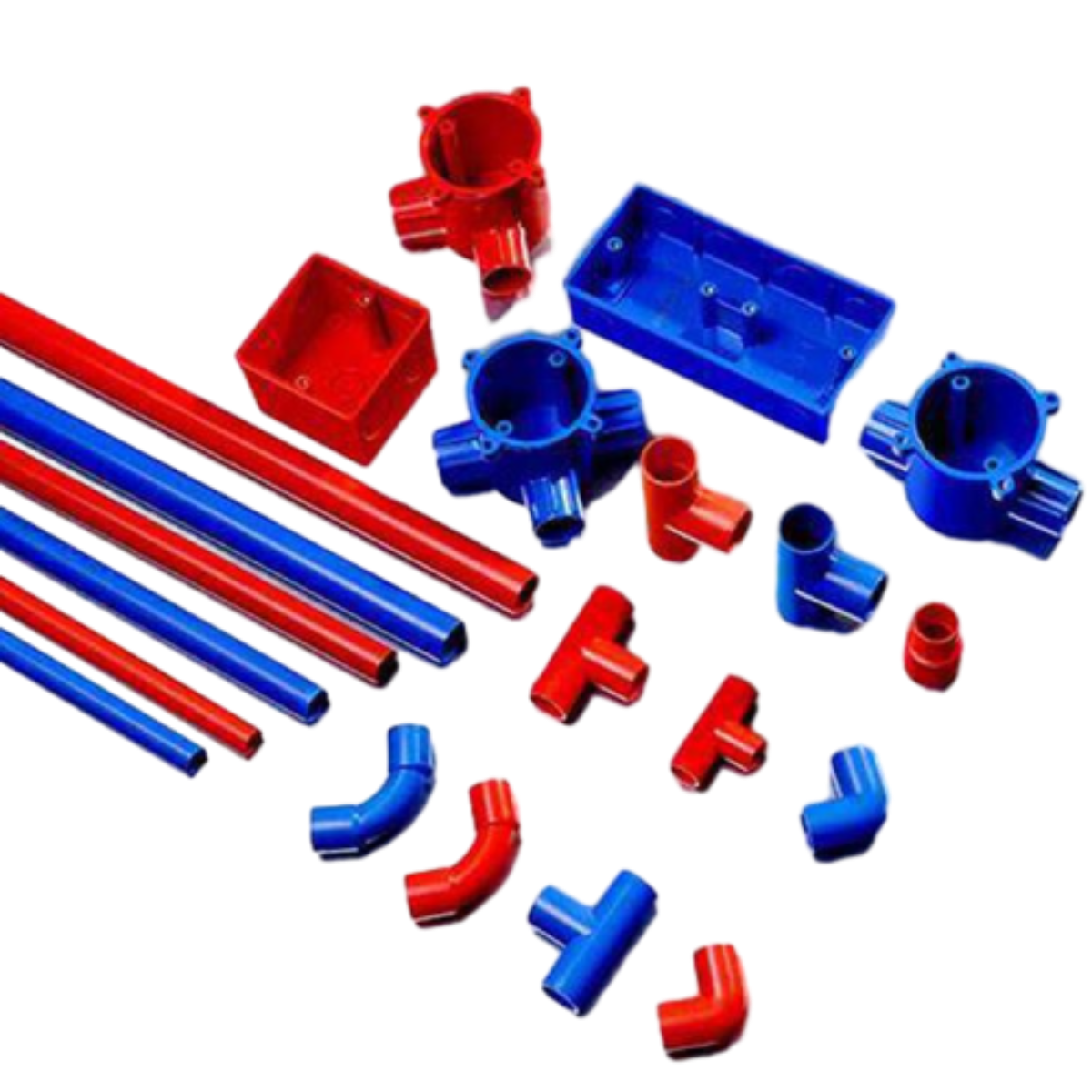
Introduction
20mm Polyvinyl Chloride (PVC) pipe represents a widely utilized solution for fluid conveyance in diverse industrial and commercial applications. Positioned within the broader piping infrastructure industry, it serves as a cost-effective alternative to metallic piping systems, particularly in non-pressure and low-pressure environments. Its primary function is the transportation of water, chemicals, and other fluids. Core performance characteristics include corrosion resistance, low friction loss, and ease of installation. However, its temperature limitations and susceptibility to UV degradation are key considerations. This guide provides an in-depth technical analysis of 20mm PVC pipe, encompassing material science, manufacturing, performance, potential failure modes, and relevant industry standards. The service life of PVC piping is contingent on proper selection based on operating conditions and adherence to installation best practices, which are crucial to avoid premature failure and maintain system integrity. Understanding these facets is vital for engineers, procurement managers, and maintenance personnel involved in specifying, installing, and maintaining PVC piping systems.
Material Science & Manufacturing
20mm PVC pipe is predominantly manufactured from Polyvinyl Chloride, a thermoplastic polymer derived from the polymerization of vinyl chloride monomer (VCM). The resin typically used is a blend incorporating stabilizers, lubricants, and impact modifiers. Polyvinyl Chloride exhibits a glass transition temperature (Tg) around 80°C, limiting its service temperature range. Raw material purity is critical, as impurities can compromise long-term durability. Manufacturing predominantly employs extrusion processes. PVC compound is fed into a single or twin-screw extruder, where it is heated, melted, and forced through a die to form the pipe’s cylindrical shape. Critical parameters during extrusion include temperature profile control (typically ranging from 160°C to 220°C, varying based on the PVC formulation), screw speed, and die pressure. These parameters influence the pipe's dimensional accuracy, wall thickness uniformity, and melt viscosity. Cooling is achieved via water baths, maintaining consistent temperature to prevent deformation. Subsequent processes include belling (for solvent-cement joints) and cutting to specified lengths. Quality control measures include regular testing of tensile strength, impact resistance (Izod notched impact test), and hydrostatic pressure resistance according to established standards. The choice of stabilizers, particularly lead-based stabilizers (though increasingly phased out due to environmental concerns) or calcium-zinc stabilizers, significantly affects the pipe’s long-term performance and UV resistance. The impact modifier, often methyl methacrylate-butadiene-styrene (MBS), improves impact strength, particularly at lower temperatures.
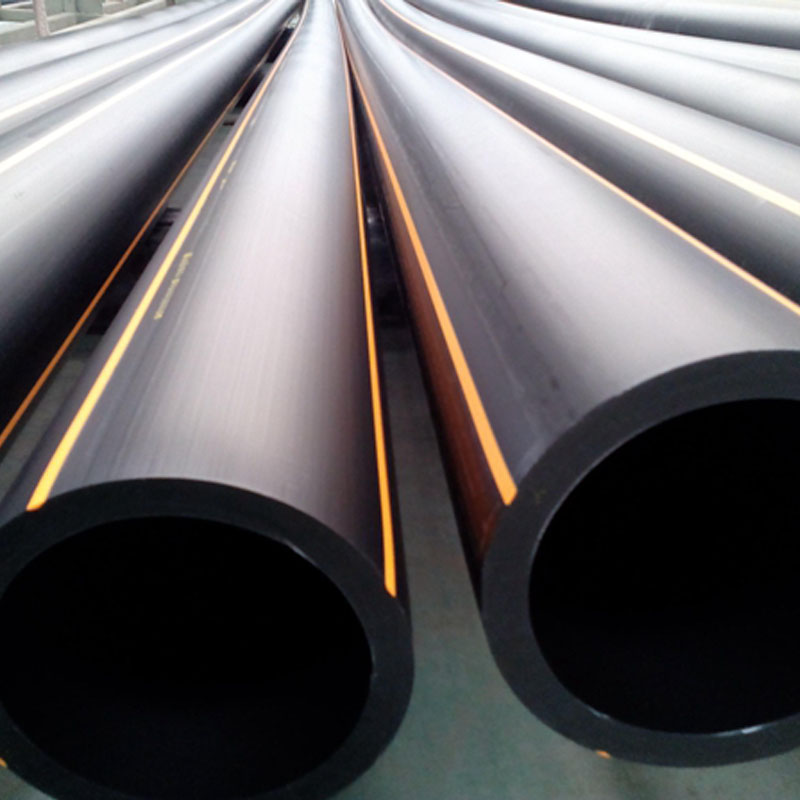
Performance & Engineering
The performance of 20mm PVC pipe is dictated by several engineering considerations. Hydrostatic pressure testing, as per ASTM D1785, verifies the pipe’s ability to withstand internal pressure without failure. The allowable hydrostatic pressure is directly correlated to the pipe’s Schedule number (e.g., Schedule 40, Schedule 80), which defines the wall thickness. Force analysis, particularly when considering buried applications, necessitates evaluating soil loading and external pressures. Backfilling materials and compaction methods are crucial to prevent pipe deformation and cracking. Chemical resistance is a key attribute, rendering PVC suitable for transporting a wide range of chemicals, although compatibility must be verified for specific substances, considering concentration and temperature. Prolonged exposure to certain solvents can cause swelling and degradation. UV resistance is a limitation; extended exposure to sunlight causes embrittlement and discoloration. UV stabilizers are incorporated into the PVC formulation to mitigate this effect, but their efficacy diminishes over time. Thermal expansion and contraction are also important factors. PVC has a relatively high coefficient of thermal expansion (approximately 8 x 10^-5 /°C), necessitating expansion joints in long runs to prevent stress buildup. Compliance requirements vary based on application. Drinking water systems require adherence to NSF/ANSI 61 standards to ensure the material does not leach harmful contaminants into the water. Drainage, waste, and vent (DWV) systems must comply with local plumbing codes, often referencing ASTM D2667. Electrical conduit applications demand compliance with NEC (National Electrical Code) standards.
Technical Specifications
| Parameter | Schedule 40 | Schedule 80 | ASTM D1785 Hydrostatic Pressure (psi) |
|---|---|---|---|
| Nominal Pipe Size (mm) | 20 | 20 | N/A |
| Outside Diameter (mm) | 21.3 | 21.3 | N/A |
| Wall Thickness (mm) | 2.0 | 2.4 | N/A |
| Burst Pressure (psi) | 400 | 600 | N/A |
| Tensile Strength (MPa) | 55 | 55 | N/A |
| Izod Notched Impact Strength (J/m) | 50 | 60 | N/A |
Failure Mode & Maintenance
20mm PVC pipe is susceptible to several failure modes. Long-term hydrostatic stress can lead to slow crack growth (SCG), particularly in areas with residual stress concentrations or exposure to aggressive chemicals. Fatigue cracking can occur from repeated pressure fluctuations or external loading. UV degradation causes embrittlement and surface cracking, reducing impact resistance. Thermal stresses, arising from expansion and contraction cycles, can induce joint failures or pipe cracking. Chemical attack, from incompatible substances, results in swelling, softening, or dissolution of the PVC material. Poor installation practices, such as improper solvent cementing, inadequate bedding, or excessive bending radius, contribute significantly to premature failure. Maintenance primarily focuses on preventative measures. Regular visual inspections should be conducted to identify signs of cracking, discoloration, or deformation. Joints should be checked for leaks. Buried pipes should be periodically surveyed to detect settlement or ground movement. Protecting exposed pipes from direct sunlight with coatings or shielding extends service life. When repairs are necessary, solvent cementing is the preferred method for small cracks or leaks, provided the surfaces are properly cleaned and prepared. For significant damage, pipe replacement is typically required. Corrective actions must address the root cause of the failure, such as improving bedding support or modifying fluid composition.
Industry FAQ
Q: What is the impact of water hammer on 20mm PVC pipe systems?
A: Water hammer, the pressure surge caused by rapid valve closure, poses a significant risk to PVC piping. PVC's relatively low ductility makes it more susceptible to fracture under sudden pressure spikes compared to metallic pipes. Mitigation strategies include using slow-closing valves, installing air chambers or surge suppressors, and properly anchoring the piping to absorb shock loads. The magnitude of the pressure surge is directly proportional to the fluid velocity and the rate of valve closure.
Q: How does the choice of solvent cement affect joint integrity?
A: The selection of appropriate solvent cement is paramount for achieving leak-free joints. Different formulations are designed for specific PVC resin types and operating temperatures. Using an incompatible cement can result in weak bonds and premature failure. Proper application technique, including surface preparation (cleaning and priming), consistent cement application, and adequate curing time, are equally critical. Always follow the cement manufacturer's instructions.
Q: What are the limitations of using 20mm PVC pipe for hot water applications?
A: PVC has a limited service temperature range, typically up to 60°C (140°F). Exposure to higher temperatures causes softening, deformation, and a significant reduction in pressure-bearing capacity. For hot water applications, CPVC (Chlorinated Polyvinyl Chloride) is the preferred material, offering superior temperature resistance and mechanical properties.
Q: Is 20mm PVC pipe suitable for compressed air lines?
A: While PVC can be used for low-pressure compressed air lines, it is generally not recommended for higher pressures. PVC's susceptibility to cracking under cyclical pressure loads and its limited temperature resistance make it a less durable option than materials like polyethylene or nylon. Careful consideration must be given to pressure ratings and safety factors.
Q: What measures can be taken to prevent soil-induced stress on buried PVC pipe?
A: Proper bedding and backfilling practices are crucial for preventing soil-induced stress. The pipe should be bedded on a uniform layer of granular material, such as sand or gravel, to provide support and distribute the load. Compaction of the backfill material must be controlled to avoid over-compaction, which can cause pipe deformation. The use of geotextile fabrics can also provide additional protection and prevent soil migration.
Conclusion
20mm PVC pipe remains a prevalent choice for a multitude of fluid conveyance applications due to its cost-effectiveness, ease of installation, and corrosion resistance. However, realizing its full service potential necessitates a comprehensive understanding of its material properties, manufacturing processes, and performance limitations. Careful consideration of operating conditions, proper installation techniques, and preventative maintenance are essential to mitigate potential failure modes and ensure long-term reliability. The selection between Schedule 40 and Schedule 80 depends on the application's pressure and temperature requirements, with Schedule 80 offering increased mechanical strength.
Future advancements in PVC formulations, including the development of enhanced UV stabilizers and impact modifiers, will further expand the application scope of this versatile material. Increased focus on sustainable practices, such as PVC recycling and the utilization of bio-based plasticizers, is also anticipated. Continued adherence to relevant industry standards and the implementation of rigorous quality control measures will be critical in maintaining the integrity and safety of PVC piping systems.
-
DN25 HDPE Compression Fitting-HORON INTERNATIONAL|Reliable Irrigation Solutions
NewsFeb.11,2026
-
hdpe coupling joint product Manufacturing Analysis
News2026-11-18
-
ppr pipe heating time products Performance Analysis
News2026-11-16
-
hdpe pipe sizes factory Performance Analysis
News2026-11-09
-
HDPE Pipe Sizes Service Performance Analysis
News2026-10-26
-
wholesale 15mm ppr pipe Material Science and Performance Analysis
News2026-10-20
-
wholesale pvc pipe price per foot Technical Analysis
News2026-09-21
-
wholesale long pvc pipe Technical Analysis and Manufacturing Specifications
News2026-09-15
-
wholesale plumbing kitchen sink water lines Material Performance
News2026-09-15
-
wholesale hdpe drip irrigation Material Science
News2026-09-15
-
wholesale hot water ppr pipe Performance Analysis
News2026-09-15
-
wholesale ppr plumbing Performance Analysis
News2026-09-15
-
wholesale ppr pipe supplier Performance Analysis
News2026-09-13
-
wholesale 50mm ppr pipe Performance Analysis
News2026-09-13
-
wholesale hdpe drip pipe Performance Analysis
News2026-09-13
-
wholesale hdpe pipe 63mm price Manufacturing Specification and Performance Analysis
News2026-09-13