

Feb . 11, 2026 00:01 Back to list
20mm pvc pipe products Performance Analysis
Introduction
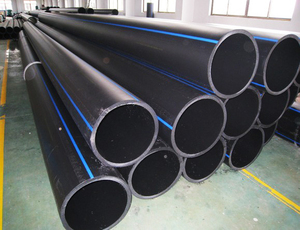
20mm Polyvinyl Chloride (PVC) pipe represents a widely utilized thermoplastic product in a diverse range of industrial, agricultural, and civil engineering applications. Positioned within the broader piping infrastructure supply chain, it serves as a fundamental conduit for fluids and gases, replacing traditional materials like galvanized steel, cast iron, and concrete in many scenarios. Its popularity stems from a confluence of advantageous properties including corrosion resistance, lightweight nature, ease of installation, and cost-effectiveness. Core performance characteristics are defined by pressure rating (measured in PSI or Bar), flow capacity (influenced by diameter and wall thickness), and dimensional accuracy. This guide provides an in-depth technical overview of 20mm PVC pipe, encompassing material science, manufacturing processes, performance parameters, failure modes, and relevant industry standards. The primary industry pain points addressed include long-term durability in harsh environments, maintaining consistent dimensional tolerances for reliable joint integrity, and ensuring compliance with potable water regulations where applicable. Understanding these factors is crucial for specifying and utilizing this material effectively.
Material Science & Manufacturing
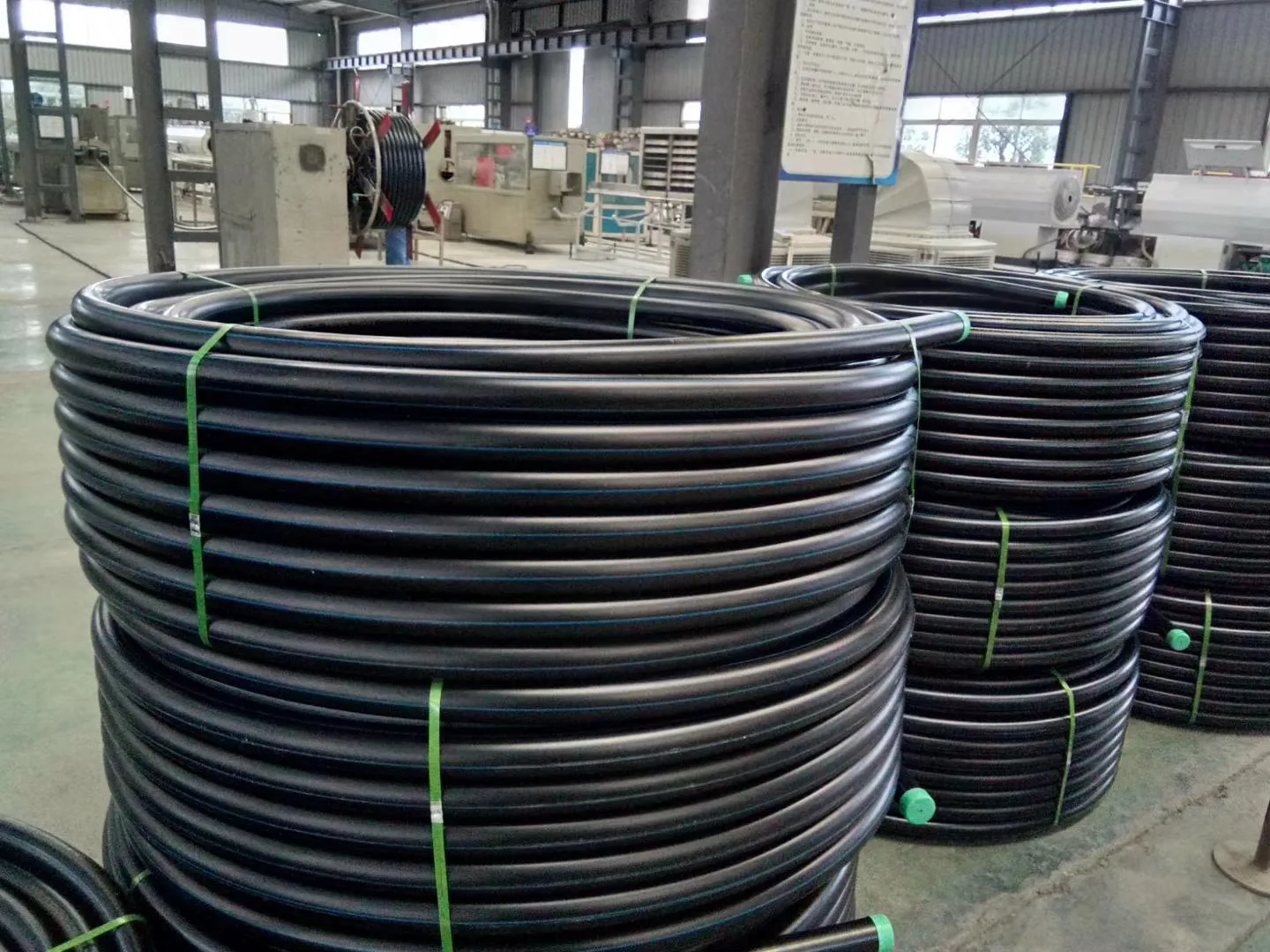
The foundation of 20mm PVC pipe lies in the polymerization of vinyl chloride monomer (VCM). This results in a polymer chain composed of repeating –CH2-CHCl– units. The raw material, PVC resin, typically exists as a white powder. Critical physical properties include a density of approximately 1.4 g/cm³, a glass transition temperature (Tg) around 80°C, and a tensile strength ranging from 50-70 MPa depending on the formulation. Plasticizers, stabilizers (often lead-based, calcium-zinc based, or organic-based), lubricants, and impact modifiers are added to the PVC resin to tailor its properties for pipe applications. The manufacturing process predominantly utilizes extrusion. PVC resin, along with additives, is fed into a hopper and conveyed to an extruder. Within the extruder, a rotating screw melts and homogenizes the mixture. The molten PVC is then forced through a die of the desired 20mm diameter and wall thickness. Key parameters requiring precise control include extrusion temperature (typically 180-220°C), screw speed, die pressure, and cooling rate. Variations in these parameters directly impact the pipe’s dimensions, mechanical properties, and surface finish. Post-extrusion, pipes are typically cooled in a water bath, printed with markings (size, standard, manufacturer), and cut to length. Quality control involves dimensional checks, hydrostatic pressure testing, and impact resistance testing, as stipulated by relevant standards.
Performance & Engineering
The performance of 20mm PVC pipe is fundamentally governed by its ability to withstand internal hydrostatic pressure and external loads. Force analysis considers hoop stress (circumferential stress) resulting from internal pressure, longitudinal stress due to pressure and end loads, and bending stress under external loading. The Sch 40 and Sch 80 designations indicate standard wall thicknesses, impacting pressure-bearing capacity; Sch 80 provides a higher pressure rating due to its thicker wall. Environmental resistance is a critical performance aspect. While PVC is inherently resistant to many chemicals, prolonged exposure to UV radiation can lead to degradation (embrittlement and discoloration). Therefore, UV stabilizers are essential in outdoor applications. Temperature variations also affect performance; PVC’s mechanical properties decrease with increasing temperature. Compliance requirements dictate material suitability for specific applications. For potable water systems, the PVC compound must meet stringent standards regarding extractable levels of vinyl chloride monomer and other contaminants. In drainage applications, the pipe must exhibit resistance to common sewage constituents. Furthermore, the soil conditions surrounding buried pipes influence long-term performance; corrosive soils can accelerate degradation. Proper installation techniques, including appropriate bedding and backfill, are vital to prevent stress concentrations and ensure structural integrity. Joints are a critical point of potential failure, requiring proper solvent cementing or mechanical coupling to maintain pressure tightness and prevent leakage.
Technical Specifications
| Parameter | Sch 40 | Sch 80 | Units |
|---|---|---|---|
| Nominal Pipe Size | 20 mm (¾ inch) | 20 mm (¾ inch) | mm/inch |
| Outside Diameter | 21.3 mm | 21.3 mm | mm |
| Wall Thickness | 2.0 mm | 2.6 mm | mm |
| Pressure Rating (at 23°C) | 450 PSI | 600 PSI | PSI |
| Burst Pressure (at 23°C) | 2250 PSI | 3000 PSI | PSI |
| Density | 1.40 | 1.40 | g/cm³ |
Failure Mode & Maintenance
20mm PVC pipe is susceptible to several failure modes. Long-term hydrostatic stress can lead to slow crack growth, particularly in areas of stress concentration (e.g., around fittings). This is known as Environmental Stress Cracking (ESC) and is exacerbated by the presence of aggressive chemicals. UV degradation causes embrittlement, reducing impact resistance and increasing susceptibility to cracking. Thermal expansion and contraction, if unrestrained, can induce stress at joints, leading to leaks. Physical damage (impact, abrasion) during handling or installation can cause cracks or punctures. Delamination, though less common, can occur if the PVC compound is poorly mixed or contaminated. Oxidation can also degrade the material over extended periods, particularly at elevated temperatures. Maintenance primarily focuses on preventative measures. Regular visual inspections can identify signs of UV degradation or physical damage. Properly supporting the pipe to minimize bending stress is crucial. For potable water systems, periodic flushing helps remove sediment buildup and maintain water quality. In cases of minor leaks at joints, solvent cementing or replacement of the fitting is typically effective. For significant cracks or punctures, pipe replacement is usually necessary. Avoid using abrasive cleaning agents that can damage the PVC surface. The use of appropriately rated PVC cement is crucial; incompatible cements can lead to weak joints prone to failure.
Industry FAQ
Q: What is the impact of water hammer on 20mm PVC pipe, and how can it be mitigated?
A: Water hammer, the pressure surge resulting from sudden changes in flow velocity (e.g., rapid valve closure), can cause significant stress on PVC pipe. While PVC has some elasticity, repeated or severe water hammer events can lead to cracking, particularly at joints. Mitigation strategies include installing water hammer arrestors (air chambers or mechanical devices) to absorb the pressure surge, using slow-closing valves, and ensuring proper pipe support to minimize movement.
Q: How does the choice of solvent cement affect the long-term reliability of PVC pipe joints?
A: The solvent cement acts as a chemical welding agent, dissolving the PVC surfaces and fusing them together. Using an inappropriate cement (e.g., one not specifically designed for PVC or one that has expired) can result in a weak joint with reduced shear strength and increased susceptibility to leaks. Always use a compatible solvent cement that meets relevant standards (e.g., ASTM D2235) and follow the manufacturer’s instructions for application.
Q: What are the considerations when using 20mm PVC pipe for underground applications in corrosive soil?
A: Corrosive soils can accelerate the degradation of PVC pipe, particularly if they contain sulfates, chlorides, or organic acids. Consider using a thicker-walled pipe (Sch 80) to provide greater chemical resistance. Encasing the pipe in a protective sleeve (e.g., polyethylene) can create a barrier against the corrosive environment. Proper bedding and backfill materials are also crucial; avoid using materials with high acidity or chloride content.
Q: What is the recommended maximum operating temperature for 20mm PVC pipe, and what happens if that limit is exceeded?
A: The recommended maximum operating temperature for standard PVC pipe is typically around 60°C (140°F). Exceeding this temperature can cause a reduction in pressure-bearing capacity, increased creep (slow deformation under sustained load), and potential failure. For applications requiring higher temperatures, specialized PVC compounds (e.g., chlorinated PVC - CPVC) should be considered.
Q: How does the long-term creep behavior of PVC affect its performance in pressurized systems?
A: Creep is the tendency of a solid material to deform permanently under sustained stress. Over time, PVC pipe can exhibit creep, leading to a gradual increase in diameter and a reduction in internal pressure capacity. This effect is more pronounced at higher temperatures and stresses. Proper design considerations, including appropriate safety factors and periodic inspections, are essential to mitigate the risks associated with creep.
Conclusion
20mm PVC pipe offers a compelling combination of cost-effectiveness, durability, and ease of installation, making it a prevalent choice in numerous applications. However, realizing its full potential demands a thorough understanding of its material properties, manufacturing processes, and potential failure modes. Proper selection of the appropriate schedule (Sch 40 or Sch 80) based on pressure requirements, consideration of environmental factors such as UV exposure and soil corrosivity, and adherence to industry standards regarding solvent cementing and installation techniques are paramount.
Future developments may focus on enhancing the impact resistance and UV stability of PVC compounds, as well as exploring bio-based PVC alternatives to reduce reliance on fossil fuels. Continued advancements in non-destructive testing methods will also facilitate more reliable assessment of pipe integrity and extend service life. Effective utilization of this material requires a holistic approach that encompasses material science, engineering principles, and diligent maintenance practices.
-
DN25 HDPE Compression Fitting-HORON INTERNATIONAL|Reliable Irrigation Solutions
NewsFeb.11,2026
-
hdpe coupling joint product Manufacturing Analysis
News2026-11-18
-
ppr pipe heating time products Performance Analysis
News2026-11-16
-
hdpe pipe sizes factory Performance Analysis
News2026-11-09
-
HDPE Pipe Sizes Service Performance Analysis
News2026-10-26
-
wholesale 15mm ppr pipe Material Science and Performance Analysis
News2026-10-20
-
wholesale pvc pipe price per foot Technical Analysis
News2026-09-21
-
wholesale long pvc pipe Technical Analysis and Manufacturing Specifications
News2026-09-15
-
wholesale plumbing kitchen sink water lines Material Performance
News2026-09-15
-
wholesale hdpe drip irrigation Material Science
News2026-09-15
-
wholesale hot water ppr pipe Performance Analysis
News2026-09-15
-
wholesale ppr plumbing Performance Analysis
News2026-09-15
-
wholesale ppr pipe supplier Performance Analysis
News2026-09-13
-
wholesale 50mm ppr pipe Performance Analysis
News2026-09-13
-
wholesale hdpe drip pipe Performance Analysis
News2026-09-13
-
wholesale hdpe pipe 63mm price Manufacturing Specification and Performance Analysis
News2026-09-13