

Feb . 11, 2026 00:01 Back to list
20mm pvc pipe manufacturer Performance Analysis
Introduction
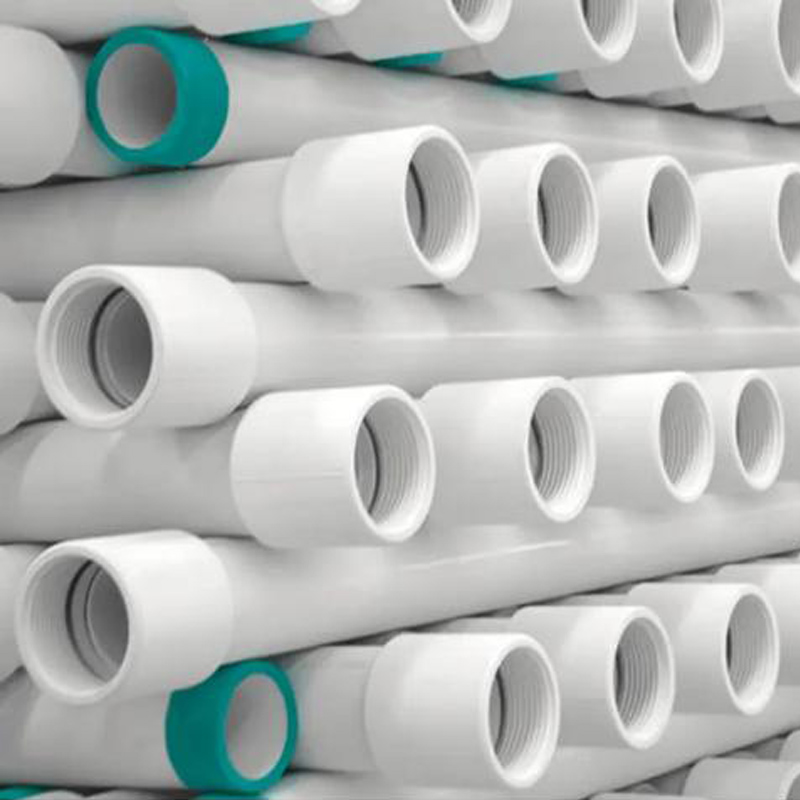
Polyvinyl chloride (PVC) pipe, specifically 20mm diameter, represents a fundamental component in fluid conveyance systems across diverse industrial and infrastructural applications. This guide provides a comprehensive technical overview of 20mm PVC pipe, detailing its material composition, manufacturing processes, performance characteristics, potential failure modes, and relevant industry standards. PVC’s popularity stems from its cost-effectiveness, corrosion resistance, and ease of installation. Within the broader piping industry, 20mm PVC is commonly utilized in irrigation, drainage, water distribution (potable and non-potable), and various industrial processes where chemical compatibility and pressure containment are critical. Its technical position resides between smaller diameter tubing utilized for instrumentation and larger diameter pipes employed in main line conveyance. Core performance metrics include pressure rating, tensile strength, impact resistance, and long-term durability under varying environmental conditions. A critical pain point for end-users is ensuring consistent material quality and adherence to rigorous standards to prevent premature failure and maintain system integrity. Maintaining dimensional accuracy during manufacturing and proper jointing techniques during installation are also major concerns.
Material Science & Manufacturing
20mm PVC pipe is primarily composed of polyvinyl chloride resin, a thermoplastic polymer created through the polymerization of vinyl chloride monomer. The raw material exhibits inherent rigidity and chemical inertness. However, PVC in its pure form is brittle. Therefore, plasticizers, typically phthalates or alternative non-phthalate esters, are incorporated to enhance flexibility and impact resistance. Other additives include stabilizers (e.g., tin stabilizers, calcium-zinc stabilizers) to prevent degradation during processing and exposure to UV radiation, lubricants to facilitate extrusion, and pigments for coloration. The manufacturing process predominantly involves extrusion. PVC compound is fed into a single-screw or twin-screw extruder, where it is heated and plasticized. The molten PVC is then forced through a die that shapes it into a 20mm diameter pipe. Critical parameters during extrusion include temperature control (barrel and die temperatures), screw speed, and haul-off speed. Maintaining consistent temperature profiles is vital to prevent material degradation and ensure uniform pipe dimensions. Following extrusion, the pipe is cooled in a water bath to solidify it, then cut to specified lengths. Quality control measures include dimensional checks (diameter, wall thickness, ovality), hydrostatic pressure testing, and impact resistance testing. The choice of plasticizer significantly impacts the pipe's performance; higher plasticizer content increases flexibility but can reduce chemical resistance and long-term stability. The molecular weight distribution of the PVC resin is also a key factor influencing the pipe's mechanical properties.
Performance & Engineering
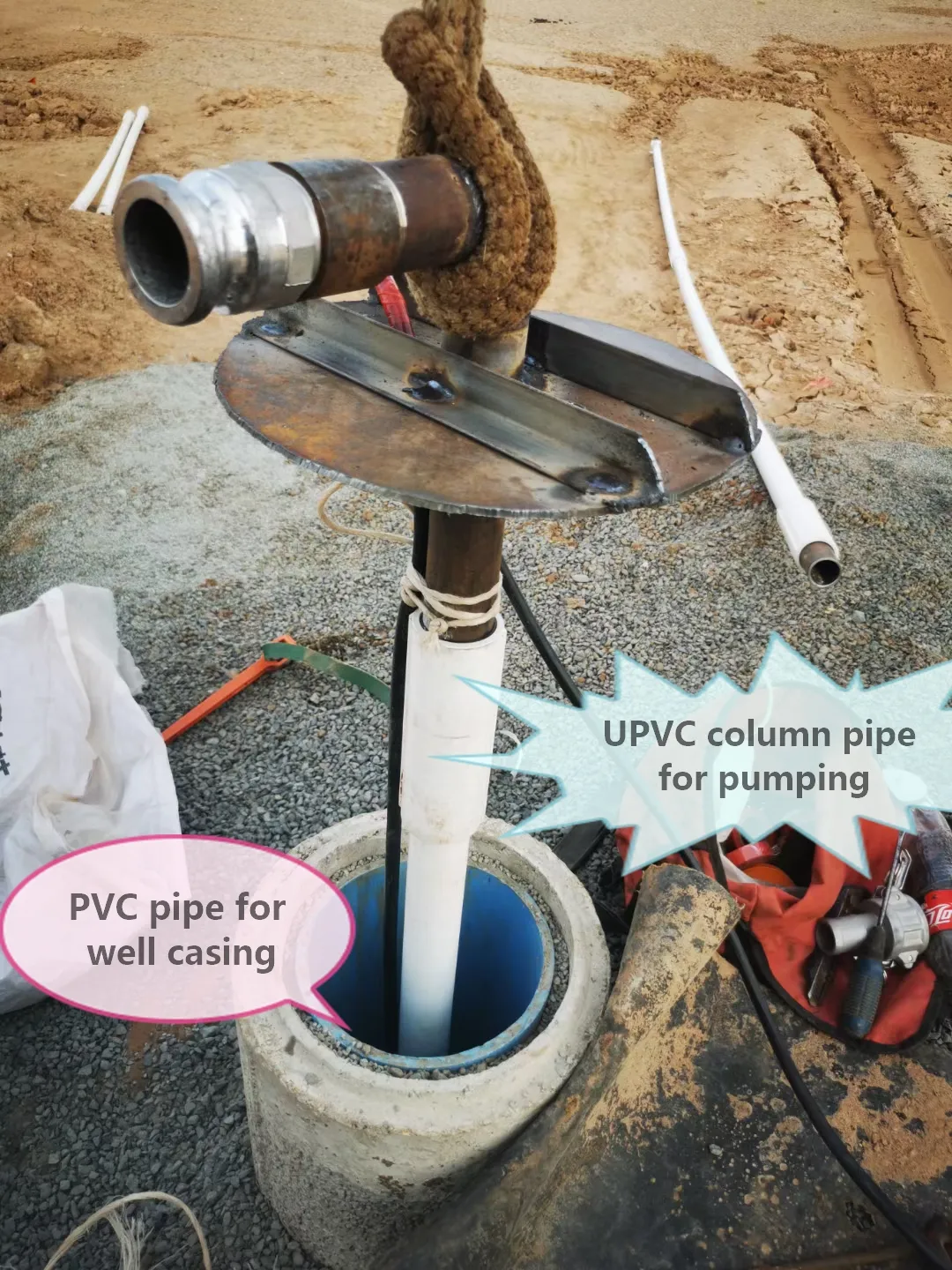
The performance of 20mm PVC pipe is governed by several engineering principles. Pressure rating, a critical parameter, is determined by hydrostatic testing according to standards like ASTM D1785. This tests the pipe's ability to withstand internal pressure without failure. The hoop stress, calculated using the Barlow formula (σ = PD/2t, where P is pressure, D is diameter, and t is wall thickness), dictates the maximum allowable pressure. Tensile strength, measured per ASTM D882, defines the pipe’s resistance to stretching forces. Impact resistance, assessed via methods like ASTM D2444 (falling weight impact), is crucial for resisting damage during handling and installation. Environmental resistance is a significant concern. PVC is susceptible to UV degradation, leading to embrittlement and discoloration. UV stabilizers are essential for outdoor applications. Temperature fluctuations also affect performance; PVC becomes more brittle at lower temperatures and can soften at elevated temperatures. Chemical compatibility is paramount; PVC exhibits good resistance to many acids and bases but is vulnerable to attack by certain solvents and hydrocarbons. Creep, the time-dependent deformation under sustained stress, must be considered in long-term applications. Jointing methods (solvent welding, threaded connections, flanged connections) significantly impact system performance. Proper solvent welding requires thorough surface preparation and appropriate solvent application to ensure a strong, leak-proof seal. Compliance requirements vary by region and application, encompassing potable water regulations (e.g., NSF/ANSI 61) and building codes.
Technical Specifications
| Parameter | Unit | Typical Value (Schedule 40) | Typical Value (Schedule 80) |
|---|---|---|---|
| Nominal Pipe Size | mm | 20 | 20 |
| Outside Diameter | mm | 21.3 | 21.3 |
| Inside Diameter (Schedule 40) | mm | 17.2 | - |
| Inside Diameter (Schedule 80) | mm | - | 13.7 |
| Wall Thickness (Schedule 40) | mm | 2.0 | - |
| Wall Thickness (Schedule 80) | mm | - | 3.7 |
| Pressure Rating @ 23°C | MPa | 1.0 | 1.6 |
| Tensile Strength | MPa | 55 | 55 |
| Impact Strength (Unnotched Izod) | J/m | 500 | 600 |
| Density | kg/m³ | 1400 | 1400 |
| Water Absorption (24hr) | % | <0.1 | <0.1 |
| Vicat Softening Point | °C | 80 | 80 |
Failure Mode & Maintenance
20mm PVC pipe is susceptible to several failure modes. Long-term hydrostatic stress can lead to slow crack growth, particularly in areas of stress concentration (e.g., around fittings). This is exacerbated by the presence of residual stresses from the manufacturing process and environmental factors. UV degradation causes embrittlement, reducing impact resistance and leading to cracking. Chemical attack from incompatible substances can cause swelling, softening, and eventual failure. Mechanical damage, such as punctures or impacts, can compromise the pipe's integrity. Improper installation, including insufficient solvent welding or overtightening of threaded connections, is a common cause of leaks. Fatigue cracking can occur in systems subject to cyclical pressure variations. Delamination, while less common, can occur in pipes with inconsistent wall thickness. Maintenance involves regular visual inspection for cracks, discoloration, and signs of degradation. Protecting the pipe from direct sunlight with coatings or shielding is recommended. Periodic pressure testing can identify leaks before they become major issues. For solvent-welded joints, ensure proper curing time and avoid stressing the joint immediately after welding. Repairing minor cracks can be attempted with appropriate PVC repair compounds, but complete replacement is often the most reliable solution for significant damage. Preventative maintenance, including proper bedding and backfilling during installation, significantly extends the pipe's service life.
Industry FAQ
Q: What is the difference between Schedule 40 and Schedule 80 PVC pipe, and when should each be used?
A: Schedule 40 and Schedule 80 refer to the pipe’s wall thickness. Schedule 80 has a thicker wall, offering greater pressure handling capabilities and impact resistance. Schedule 40 is suitable for lower-pressure applications like irrigation and drainage, while Schedule 80 is preferred for higher-pressure systems, chemical processing, or applications requiring enhanced durability.
Q: What solvents are incompatible with 20mm PVC pipe?
A: PVC is vulnerable to attack by aromatic hydrocarbons (benzene, toluene), ketones (acetone), esters, and chlorinated solvents. Exposure to these chemicals can cause swelling, softening, and cracking. Consult a chemical compatibility chart before exposing PVC pipe to any unknown substance.
Q: How does temperature affect the performance of PVC pipe?
A: PVC becomes more brittle at lower temperatures, increasing the risk of cracking under impact. At elevated temperatures, PVC can soften and lose its rigidity, reducing its pressure-handling capacity. Operating temperatures should remain within the manufacturer’s specified limits.
Q: What is the best method for joining 20mm PVC pipe?
A: Solvent welding is the most common and reliable method for joining PVC pipe, providing a strong, leak-proof seal when performed correctly. Ensure proper surface preparation (cleaning and priming) and use the correct PVC cement for the application. Threaded connections and flanged connections are also viable options, but require proper sealing materials.
Q: How can I mitigate UV degradation in outdoor PVC pipe installations?
A: Protect the pipe from direct sunlight by using UV-resistant coatings, painting the pipe with a light-colored reflective paint, or shielding it with opaque materials. Consider using PVC compounds formulated with enhanced UV stabilizers.
Conclusion
20mm PVC pipe remains a versatile and cost-effective solution for a wide array of fluid conveyance applications. Its inherent properties, combined with advancements in formulation and manufacturing, continue to drive its widespread adoption. Understanding the material science, engineering principles, and potential failure modes is crucial for ensuring long-term system reliability and preventing costly downtime.
The selection of the appropriate schedule (40 or 80), consideration of chemical compatibility, and adherence to proper installation techniques are paramount. Continued research into improved PVC formulations, including alternative plasticizers and enhanced UV stabilizers, will further enhance the performance and longevity of this essential piping material. Diligent inspection and preventative maintenance are vital for maximizing service life and ensuring continued operational integrity.
-
DN25 HDPE Compression Fitting-HORON INTERNATIONAL|Reliable Irrigation Solutions
NewsFeb.11,2026
-
hdpe coupling joint product Manufacturing Analysis
News2026-11-18
-
ppr pipe heating time products Performance Analysis
News2026-11-16
-
hdpe pipe sizes factory Performance Analysis
News2026-11-09
-
HDPE Pipe Sizes Service Performance Analysis
News2026-10-26
-
wholesale 15mm ppr pipe Material Science and Performance Analysis
News2026-10-20
-
wholesale pvc pipe price per foot Technical Analysis
News2026-09-21
-
wholesale long pvc pipe Technical Analysis and Manufacturing Specifications
News2026-09-15
-
wholesale plumbing kitchen sink water lines Material Performance
News2026-09-15
-
wholesale hdpe drip irrigation Material Science
News2026-09-15
-
wholesale hot water ppr pipe Performance Analysis
News2026-09-15
-
wholesale ppr plumbing Performance Analysis
News2026-09-15
-
wholesale ppr pipe supplier Performance Analysis
News2026-09-13
-
wholesale 50mm ppr pipe Performance Analysis
News2026-09-13
-
wholesale hdpe drip pipe Performance Analysis
News2026-09-13
-
wholesale hdpe pipe 63mm price Manufacturing Specification and Performance Analysis
News2026-09-13