

Feb . 11, 2026 00:01 Back to list
20mm pvc pipe factory Performance Analysis
Introduction
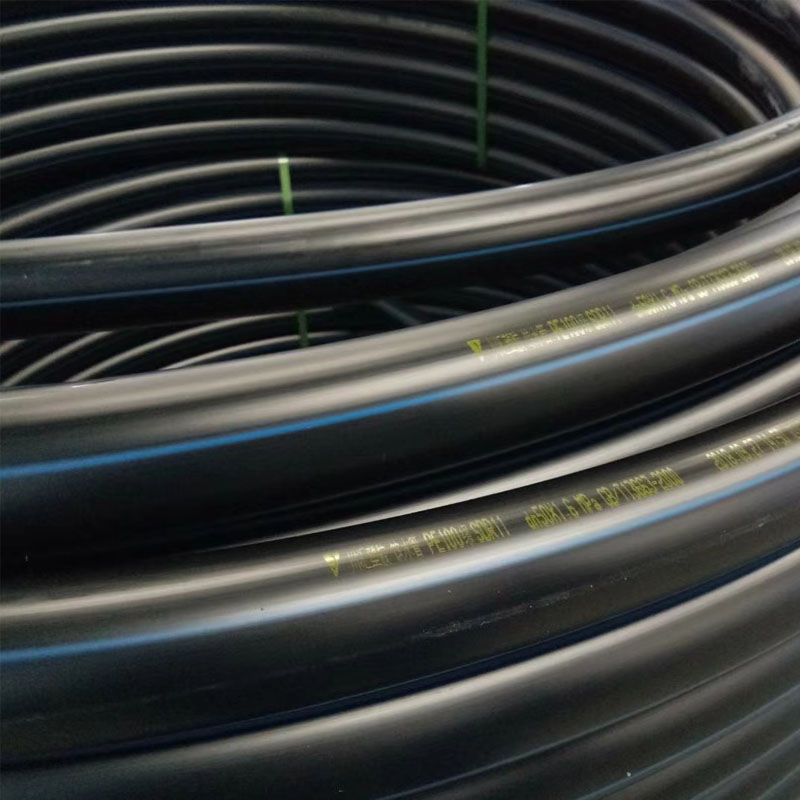
20mm Polyvinyl Chloride (PVC) pipe represents a ubiquitous component in modern infrastructure, particularly within fluid conveyance systems. This technical guide provides a comprehensive analysis of 20mm PVC pipe, encompassing its material science, manufacturing processes, performance characteristics, potential failure modes, and relevant industry standards. Its prevalence stems from its cost-effectiveness, corrosion resistance, and ease of installation. Within the industrial chain, 20mm PVC pipe typically represents a finished or semi-finished good, positioned downstream from resin production and upstream from final application in plumbing, irrigation, electrical conduit, and drainage systems. Core performance characteristics center on pressure rating, tensile strength, chemical inertness, and long-term durability. A critical pain point in the industry is maintaining consistent quality across varying manufacturing processes and ensuring compliance with evolving regulatory requirements regarding material composition and environmental impact. The selection of appropriate PVC formulations (rigid vs. flexible) for specific applications is also a common challenge.
Material Science & Manufacturing
The primary raw material for 20mm PVC pipe is Polyvinyl Chloride resin, a thermoplastic polymer produced through the polymerization of vinyl chloride monomer (VCM). Additives such as plasticizers (for flexible PVC), stabilizers (typically lead-based or calcium-zinc based), lubricants, and pigments are incorporated to modify its properties. The resin’s inherent rigidity necessitates careful control of plasticizer content to achieve desired flexibility. Manufacturing commonly employs extrusion processes. PVC compound is fed into a hopper, conveyed by a screw, heated within a barrel, and forced through a die to form a continuous tube. Critical parameters include barrel temperature profile (typically 180-220°C), screw speed, die geometry, and cooling rates. Precise control of these parameters ensures dimensional accuracy and prevents thermal degradation of the PVC. Post-extrusion, the pipe is often calibrated (sized) using vacuum tanks or pressure forming, then cut to length. Quality control at this stage focuses on diameter, wall thickness, ovality, and surface finish. The chemical compatibility of PVC with additives is critical; improper combinations can lead to leaching, embrittlement, or discoloration. Material selection for fittings – often also PVC, but sometimes CPVC or other plastics – must ensure chemical compatibility with both the pipe and the conveyed fluid.
Performance & Engineering
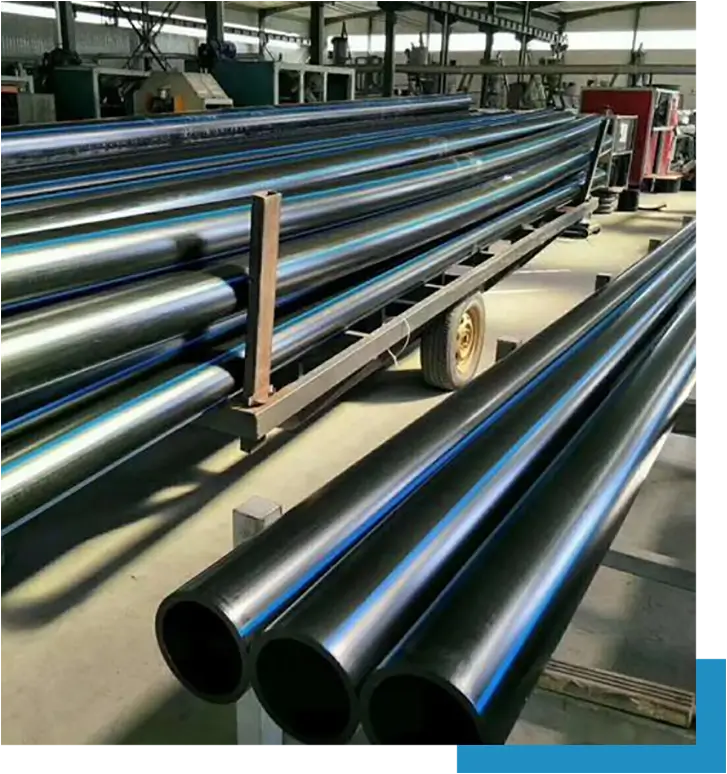
The performance of 20mm PVC pipe is dictated by several engineering considerations. Hydrostatic pressure testing is crucial, verifying the pipe’s ability to withstand internal pressure without failure. Burst pressure, typically significantly higher than operating pressure, is also a key metric. Tensile strength, measured according to ASTM D882, defines the material’s resistance to stretching. Impact resistance (ASTM D2444) is critical, especially in applications prone to external shocks. Environmental resistance involves assessing degradation due to UV exposure, temperature fluctuations, and chemical attack. PVC’s glass transition temperature (Tg) is approximately 80°C; exceeding this temperature significantly reduces its mechanical properties. Long-term creep resistance is also a concern, particularly in pressurized systems. Finite Element Analysis (FEA) is often used to model stress distributions within the pipe wall under various loading conditions. Compliance requirements vary by region and application. For potable water systems, NSF/ANSI 61 certification is often mandatory, ensuring the pipe doesn't leach harmful contaminants. Electrical conduit applications demand compliance with NEMA and UL standards, focusing on flame retardancy and electrical insulation. Proper jointing techniques (solvent welding, threaded connections, or flanged joints) are essential to maintain system integrity and prevent leaks. Force analysis during installation is vital to prevent damage caused by bending or excessive strain.
Technical Specifications
| Parameter | Unit | Typical Value (Schedule 40 PVC) | Testing Standard |
|---|---|---|---|
| Nominal Pipe Size | mm | 20 | ISO 1452 |
| Outside Diameter | mm | 21.3 | ASTM D2241 |
| Wall Thickness | mm | 2.0 | ASTM D2241 |
| Pressure Rating | MPa | 1.0 | ASTM D1785 |
| Tensile Strength | MPa | 55 | ASTM D882 |
| Impact Strength (Izod Notched) | J/m | 500 | ASTM D256 |
| Water Absorption (24 hr) | % | 0.3 | ASTM D570 |
Failure Mode & Maintenance
20mm PVC pipe can experience several failure modes. Long-term hydrostatic pressure can lead to creep rupture, particularly at elevated temperatures. UV degradation causes embrittlement and cracking, especially in exposed applications. Chemical attack from certain solvents or corrosive fluids can induce swelling, softening, or dissolution of the PVC. Fatigue cracking can occur due to repeated stress cycles, particularly around joints or fittings. Impact damage results in localized cracks or complete fracture. Poor solvent welding techniques can create weak joints prone to leakage. Dezincification (in PVC formulations containing zinc stabilizers) can reduce the material's strength and durability. Maintenance primarily focuses on visual inspection for cracks, leaks, or discoloration. Regular cleaning prevents buildup of deposits that can promote corrosion. Damaged sections should be replaced using appropriate joining methods. For long-term protection against UV degradation, applying a UV-resistant coating is recommended. Proper storage of PVC pipe is crucial; avoid direct sunlight and extreme temperatures. Prevent mechanical damage during handling and installation. Regular pressure testing can identify potential weaknesses before catastrophic failure occurs.
Industry FAQ
Q: What is the impact of temperature on the pressure rating of 20mm PVC pipe?
A: The pressure rating of PVC pipe decreases significantly with increasing temperature. PVC’s mechanical properties degrade as the temperature approaches and exceeds its glass transition temperature. Derating factors, specified in ASTM D1785, must be applied to the nominal pressure rating to account for the operating temperature. For example, at 60°C, the allowable working pressure is typically reduced to approximately 50% of the room temperature rating.
Q: How does the type of PVC formulation (rigid vs. flexible) affect its suitability for different applications?
A: Rigid PVC, with a low plasticizer content, is ideal for applications requiring high strength and rigidity, such as pressure piping and drainage systems. Flexible PVC, containing a higher plasticizer concentration, is better suited for applications requiring flexibility, such as irrigation tubing or electrical conduit needing bending. The choice depends on the specific mechanical demands and environmental conditions.
Q: What are the common causes of pinhole leaks in PVC pipe?
A: Pinhole leaks are often caused by stress cracking due to improper solvent welding, impact damage, or the presence of contaminants during manufacturing. Over-tightening of threaded connections can also induce stress cracking. Using a compatible primer and solvent cement, ensuring proper surface preparation, and avoiding excessive force during jointing are critical preventative measures.
Q: What are the differences between Schedule 40 and Schedule 80 PVC pipe?
A: Schedule 40 and Schedule 80 refer to the pipe's wall thickness. Schedule 80 pipe has a thicker wall than Schedule 40, resulting in a higher pressure rating and increased rigidity. Schedule 80 is typically used in applications requiring greater strength or higher operating pressures. The Schedule designation is indicated by a number etched on the pipe.
Q: How does UV exposure impact the long-term performance of PVC pipe?
A: Prolonged UV exposure causes chain scission in the PVC polymer, leading to embrittlement, discoloration, and a reduction in tensile strength and impact resistance. Applying a UV-resistant coating, using UV-stabilized PVC formulations, or burying the pipe to shield it from sunlight are effective mitigation strategies.
Conclusion
20mm PVC pipe remains a dominant material in numerous industries due to its cost-effectiveness, ease of installation, and inherent corrosion resistance. However, realizing its full potential requires a thorough understanding of its material properties, manufacturing processes, and potential failure modes. Rigorous quality control throughout the production chain, adherence to relevant industry standards, and proper installation techniques are paramount to ensuring long-term system reliability and preventing premature failures.
Future developments will likely focus on enhancing PVC’s sustainability through the use of bio-based plasticizers and recycled content, as well as improving its resistance to extreme temperatures and aggressive chemical environments. Continued research into advanced stabilization technologies and novel manufacturing processes will further optimize the performance and longevity of 20mm PVC pipe, solidifying its position as a vital component of modern infrastructure.
-
DN25 HDPE Compression Fitting-HORON INTERNATIONAL|Reliable Irrigation Solutions
NewsFeb.11,2026
-
hdpe coupling joint product Manufacturing Analysis
News2026-11-18
-
ppr pipe heating time products Performance Analysis
News2026-11-16
-
hdpe pipe sizes factory Performance Analysis
News2026-11-09
-
HDPE Pipe Sizes Service Performance Analysis
News2026-10-26
-
wholesale 15mm ppr pipe Material Science and Performance Analysis
News2026-10-20
-
wholesale pvc pipe price per foot Technical Analysis
News2026-09-21
-
wholesale long pvc pipe Technical Analysis and Manufacturing Specifications
News2026-09-15
-
wholesale plumbing kitchen sink water lines Material Performance
News2026-09-15
-
wholesale hdpe drip irrigation Material Science
News2026-09-15
-
wholesale hot water ppr pipe Performance Analysis
News2026-09-15
-
wholesale ppr plumbing Performance Analysis
News2026-09-15
-
wholesale ppr pipe supplier Performance Analysis
News2026-09-13
-
wholesale 50mm ppr pipe Performance Analysis
News2026-09-13
-
wholesale hdpe drip pipe Performance Analysis
News2026-09-13
-
wholesale hdpe pipe 63mm price Manufacturing Specification and Performance Analysis
News2026-09-13