

Feb . 11, 2026 00:01 Back to list
2 hdpe to pvc coupling products Performance Analysis
Introduction
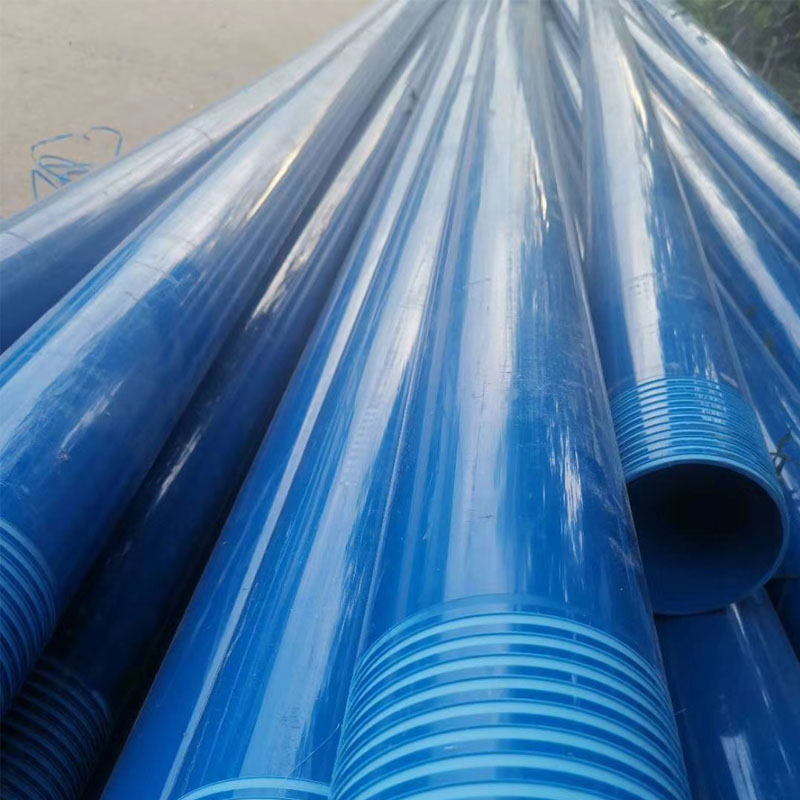
HDPE to PVC couplings facilitate the connection of polyethylene high-density (HDPE) pipe to polyvinyl chloride (PVC) pipe, materials commonly utilized in diverse industrial applications including water distribution, irrigation, chemical processing, and wastewater management. These couplings address the inherent incompatibility between HDPE and PVC in terms of thermal expansion coefficients and bonding characteristics. The function of these couplings is critical in maintaining system integrity, preventing leaks, and ensuring long-term operational reliability. This technical guide details the material science, manufacturing processes, performance considerations, failure modes, and relevant standards associated with 2” HDPE to PVC couplings. These couplings primarily function as transition adapters, utilizing a combination of mechanical sealing (gasket compression) and, in some designs, chemical adhesives to create a fluid-tight joint. A key industry pain point lies in ensuring long-term chemical compatibility between the coupling materials, the transported fluid, and the connected piping, coupled with resistance to soil stress and pressure fluctuations.
Material Science & Manufacturing
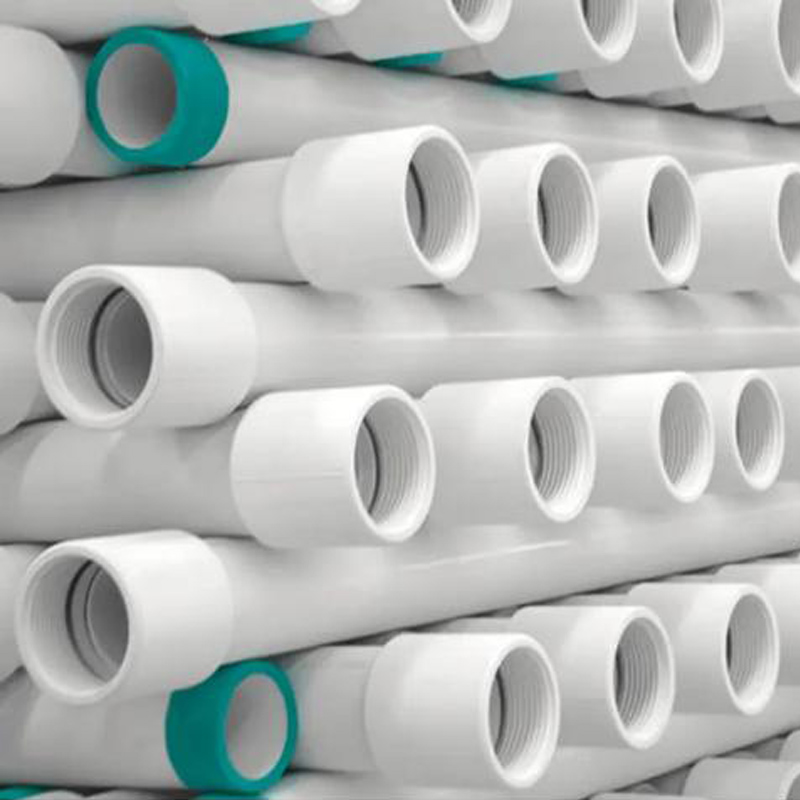
HDPE, a thermoplastic polymer derived from petroleum, possesses high tensile strength-to-density ratio, excellent chemical resistance, and flexibility. Its typical density ranges from 0.941 to 0.965 g/cm³. PVC, another thermoplastic, is produced through the polymerization of vinyl chloride. PVC exhibits good rigidity, durability, and cost-effectiveness, with a density of approximately 1.4 g/cm³. The coupling itself typically consists of an HDPE end, a PVC end, and an intermediate section often incorporating a rubber gasket (typically EPDM or Nitrile) and a mechanical locking mechanism.
Manufacturing involves several key steps: First, HDPE and PVC resins are processed via injection molding to form the respective pipe-connecting components. Precise temperature control (HDPE: 180-250°C, PVC: 160-220°C) is essential to prevent degradation and ensure dimensional accuracy. The rubber gasket is molded separately, requiring careful control of vulcanization parameters (temperature, pressure, time) to achieve optimal elasticity and sealing performance. Assembly involves mechanically joining the HDPE and PVC molded parts, installing the gasket, and potentially applying a structural adhesive for enhanced bonding. Parameter control focuses on ensuring proper gasket compression during installation, achieved through precise tightening torque specifications. Quality control involves hydrostatic pressure testing, dimensional verification (using CMM – Coordinate Measuring Machines), and material composition analysis (via FTIR spectroscopy) to confirm adherence to specifications.
Performance & Engineering
The performance of a 2” HDPE to PVC coupling is governed by several engineering principles. Firstly, stress analysis is critical. Differential thermal expansion between HDPE and PVC (HDPE: ~10⁻⁴ in/in-°F, PVC: ~5 x 10⁻⁶ in/in-°F) induces stresses at the coupling joint during temperature fluctuations. The coupling design must accommodate these stresses to prevent cracking or leakage. Finite Element Analysis (FEA) is commonly employed to simulate stress distribution under various loading conditions. Secondly, environmental resistance is vital. Prolonged exposure to UV radiation, chemicals (acids, bases, solvents), and soil conditions can degrade the coupling materials. HDPE exhibits good UV resistance but can become brittle over time; PVC is susceptible to degradation by chlorinated solvents and strong oxidizing agents. Thirdly, compliance with relevant standards (detailed in the footer) is paramount. This includes pressure rating requirements, leakage testing protocols, and material certification standards. Burst pressure testing, conducted according to ASTM D1597, determines the maximum pressure the coupling can withstand before failure. Long-term hydrostatic strength testing, adhering to ISO 1167, evaluates the coupling’s ability to maintain integrity under sustained pressure.
Technical Specifications
| Parameter | HDPE to PVC Coupling (2") – Standard Grade | HDPE to PVC Coupling (2") – Heavy Duty Grade | Units |
|---|---|---|---|
| Nominal Size | 2 inches | 2 inches | inches |
| Maximum Operating Pressure | 150 | 250 | PSI |
| Temperature Range | -40 to 140 | -40 to 180 | °F |
| Material (HDPE End) | PE100 | PE100 | - |
| Material (PVC End) | PVC Type I, Grade 1 | PVC Type I, Grade 1 | - |
| Gasket Material | EPDM | Nitrile (Buna-N) | - |
| Connection Type | Solvent Weld/Butt Fusion | Solvent Weld/Butt Fusion | - |
| Wall Thickness (HDPE) | 0.237 | 0.280 | inches |
| Wall Thickness (PVC) | 0.150 | 0.200 | inches |
Failure Mode & Maintenance
Failure modes for 2” HDPE to PVC couplings typically stem from several sources. Fatigue cracking, induced by cyclic pressure and temperature fluctuations, can initiate at stress concentration points within the coupling body or at the gasket interface. Chemical degradation, particularly from aggressive fluids or soil contaminants, can compromise the mechanical properties of the HDPE, PVC, and gasket materials. Delamination, especially in couplings employing adhesives, can occur due to insufficient surface preparation or adhesive bond failure. Oxidation, particularly of the gasket material, leads to loss of elasticity and sealing capacity. Incorrect installation – over-tightening leading to gasket compression, or insufficient tightening allowing leakage – is a common cause of early failure. Maintenance involves periodic visual inspections for cracks, leaks, or signs of material degradation. Gasket replacement is recommended every 5-7 years, or more frequently in harsh environments. Regular pressure testing can detect leaks before they escalate. Preventive maintenance includes protecting the coupling from direct sunlight (UV exposure) and ensuring proper drainage to prevent water accumulation around the joint.
Industry FAQ
Q: What is the primary reason for selecting an HDPE to PVC coupling over a homogeneous coupling (e.g., all-PVC)?
A: The main driver is material incompatibility. HDPE and PVC have significantly different coefficients of thermal expansion. Directly joining them without a coupling would create substantial stress and likely lead to joint failure. The coupling accommodates these differences, distributing stress and providing a reliable seal.
Q: How does the gasket material influence the performance of the coupling in different chemical environments?
A: The gasket material is critical. EPDM offers broad chemical resistance but can degrade in contact with petroleum-based products. Nitrile (Buna-N) provides superior resistance to oils and fuels. Selecting the appropriate gasket based on the transported fluid is crucial for long-term sealing performance.
Q: What torque specifications should be followed during installation to ensure a proper seal without damaging the coupling?
A: Torque specifications vary based on coupling size and manufacturer. Generally, tightening should be gradual and uniform, adhering to the manufacturer’s recommendations (typically found in the installation manual). Overtightening compresses the gasket excessively, potentially leading to premature failure; undertightening results in leakage.
Q: Can HDPE to PVC couplings be used in buried applications, and if so, what considerations are important?
A: Yes, they can. However, consider soil corrosivity and external loading. Ensure the coupling is adequately protected from soil stress and potential damage during backfilling. Use appropriate bedding material and consider a protective sleeve in highly corrosive environments.
Q: What testing is typically performed to verify the quality and performance of these couplings?
A: Common tests include hydrostatic pressure testing (ASTM D1597), burst pressure testing, leak testing, material identification (FTIR), and dimensional verification (CMM). Long-term hydrostatic strength testing (ISO 1167) provides insights into long-term reliability under sustained pressure.
Conclusion
The 2” HDPE to PVC coupling serves as a critical component in fluid conveyance systems requiring the interconnection of disparate piping materials. Its performance hinges on careful material selection – balancing the properties of HDPE, PVC, and the sealing gasket – and adherence to stringent manufacturing and installation procedures. Understanding the potential failure modes, primarily stemming from thermal stress, chemical degradation, and improper installation, is essential for ensuring long-term system integrity and minimizing operational downtime.
Future development may focus on incorporating advanced gasket materials with enhanced chemical resistance and longevity, as well as designing couplings with integrated stress relief features. The increasing demand for sustainable infrastructure solutions will also drive innovation in material composition, potentially exploring bio-based polymers as alternatives to traditional plastics. Continued adherence to industry standards and rigorous quality control will remain paramount to maintaining the reliability and performance of these essential components.
-
DN25 HDPE Compression Fitting-HORON INTERNATIONAL|Reliable Irrigation Solutions
NewsFeb.11,2026
-
hdpe coupling joint product Manufacturing Analysis
News2026-11-18
-
ppr pipe heating time products Performance Analysis
News2026-11-16
-
hdpe pipe sizes factory Performance Analysis
News2026-11-09
-
HDPE Pipe Sizes Service Performance Analysis
News2026-10-26
-
wholesale 15mm ppr pipe Material Science and Performance Analysis
News2026-10-20
-
wholesale pvc pipe price per foot Technical Analysis
News2026-09-21
-
wholesale long pvc pipe Technical Analysis and Manufacturing Specifications
News2026-09-15
-
wholesale plumbing kitchen sink water lines Material Performance
News2026-09-15
-
wholesale hdpe drip irrigation Material Science
News2026-09-15
-
wholesale hot water ppr pipe Performance Analysis
News2026-09-15
-
wholesale ppr plumbing Performance Analysis
News2026-09-15
-
wholesale ppr pipe supplier Performance Analysis
News2026-09-13
-
wholesale 50mm ppr pipe Performance Analysis
News2026-09-13
-
wholesale hdpe drip pipe Performance Analysis
News2026-09-13
-
wholesale hdpe pipe 63mm price Manufacturing Specification and Performance Analysis
News2026-09-13