

Feb . 11, 2026 00:01 Back to list
2 hdpe to pvc coupling Performance Analysis
Introduction
The 2” HDPE to PVC coupling is a critical component in fluid transfer systems, designed to join High-Density Polyethylene (HDPE) and Polyvinyl Chloride (PVC) pipes of the same nominal diameter. It serves as a transition fitting, bridging the material incompatibility between these two commonly used piping materials. This coupling addresses a fundamental need in infrastructure projects – connecting existing PVC infrastructure with newly installed HDPE systems, or vice versa – without requiring complete system replacement. Its performance is dictated by its ability to maintain pressure integrity, resist chemical degradation, and accommodate thermal expansion/contraction differences between the two pipe materials. The coupling typically features a solvent weld connection for the PVC end and a mechanical compression or butt fusion connection for the HDPE end, offering a secure and reliable joint. Core performance metrics include pressure rating, leak tightness, and long-term durability in specific operating environments. A common pain point in the industry is ensuring a truly watertight and structurally sound connection given the differing coefficient of thermal expansion between HDPE and PVC.
Material Science & Manufacturing
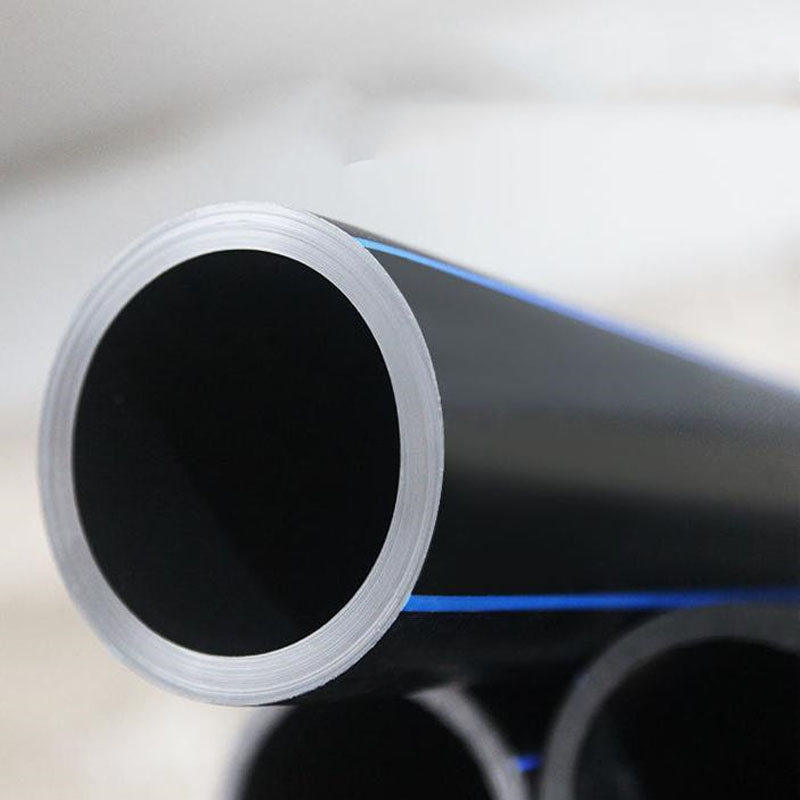
The coupling’s construction utilizes HDPE and PVC, each possessing distinct properties. HDPE, a thermoplastic polymer with the chemical formula (C2H4)n, exhibits high tensile strength (20-30 MPa), excellent chemical resistance, and a relatively low coefficient of friction. Its manufacturing typically involves polymerization of ethylene monomers under high pressure and temperature, followed by extrusion into pipe form. PVC, primarily composed of vinyl chloride (C2H3Cl)n, offers rigidity, good dielectric properties, and cost-effectiveness. PVC pipe is usually produced through extrusion after the addition of plasticizers, stabilizers, and lubricants.
Manufacturing the 2” HDPE to PVC coupling is a multi-stage process. The PVC end is typically injection molded, utilizing a closed-mold process where molten PVC is injected under pressure. Precise temperature control (160-200°C) and mold design are critical to prevent warping and ensure dimensional accuracy. The HDPE end is often created by machining from solid HDPE stock or through rotational molding. This is followed by a precision threading process to ensure compatibility with HDPE pipe fittings. A rubber gasket, commonly EPDM (ethylene propylene diene monomer) rubber due to its excellent chemical resistance and weathering properties, is integrated into the coupling design to ensure a watertight seal. Key parameter control focuses on gasket compression force, PVC weld surface quality, and HDPE dimensional tolerances, all of which impact long-term performance. The solvent cementing process for the PVC side requires precise application of primer and cement, ensuring full penetration and complete evaporation of the solvent for a robust bond.
Performance & Engineering
The primary engineering concern with 2” HDPE to PVC couplings is differential thermal expansion. HDPE has a significantly higher coefficient of linear thermal expansion (~1.5 x 10^-4 /°C) compared to PVC (~8 x 10^-6 /°C). This difference can induce stress on the coupling, potentially leading to leaks or failure, especially in environments with fluctuating temperatures. Engineers mitigate this through design features such as a flexible gasket system and, in some cases, incorporating a flexible sleeve around the PVC portion of the coupling. Force analysis involves calculating the stresses induced by thermal expansion and contraction, and ensuring the coupling's structural integrity under these conditions.
Environmental resistance is also crucial. The coupling must withstand exposure to UV radiation, moisture, and various chemicals commonly found in soil and industrial environments. UV stabilizers are often incorporated into the PVC formulation to prevent degradation. Chemical compatibility is assessed by verifying the gasket material’s resistance to the fluids being conveyed through the piping system. Compliance requirements often include adherence to pressure testing standards (e.g., ASTM D1785 for PVC pipe) and material specifications (e.g., ASTM D3350 for HDPE pipe). Furthermore, hydrostatic pressure testing is performed to ensure the coupling can withstand the designed operating pressure without leakage or structural failure. Proper installation, including adequate support for the piping system, is critical to prevent undue stress on the coupling.
Technical Specifications
| Parameter | Specification | Testing Standard | Typical Value |
|---|---|---|---|
| Nominal Diameter | 2 inches (50.8 mm) | ASTM D1785/D3350 | 2.067 inches |
| Pressure Rating | PN10/16 Bar (145/232 PSI) | ISO 14692 | 16 Bar |
| Operating Temperature Range | -40°C to +60°C (-40°F to +140°F) | ASTM D1785/D3350 | -40°C to +60°C |
| HDPE Connection Type | Butt Fusion/Compression | DVS 2205 | Butt Fusion Recommended |
| PVC Connection Type | Solvent Weld | ASTM D2241 | Standard Solvent Cement |
| Gasket Material | EPDM Rubber | ASTM D2000 | Shore A 70 |
Failure Mode & Maintenance
Common failure modes for 2” HDPE to PVC couplings include: Fatigue Cracking at the PVC solvent weld joint, often caused by cyclic pressure loads or thermal stress; Gasket Failure, resulting from degradation of the EPDM rubber due to prolonged UV exposure, chemical attack, or compression set; Delamination at the HDPE/coupling interface, particularly in compression-fit configurations, due to insufficient compression force or improper installation; and Creep in the HDPE material under sustained pressure, leading to deformation and potential leakage. Oxidation of the PVC can occur over extended periods, reducing its impact resistance and increasing brittleness.
Preventive maintenance includes regular visual inspections for signs of cracking, leakage, or gasket deterioration. Periodic pressure testing can identify hidden leaks. For gasket replacement, ensure the new gasket is properly lubricated and compressed to the manufacturer's specifications. If fatigue cracking is observed in the PVC weld, the coupling should be replaced immediately. Protecting the coupling from direct sunlight and extreme temperatures can extend its lifespan. Proper burial depth and backfilling procedures are also crucial to prevent mechanical damage. In the event of a confirmed HDPE connection failure (butt fusion), a complete re-fusion of the joint is typically required, ensuring proper surface preparation and fusion parameters are followed. Detailed records of installation and maintenance should be maintained for traceability and long-term performance analysis.
Industry FAQ
Q: What are the key considerations when selecting a 2” HDPE to PVC coupling for a potable water application?
A: For potable water, the coupling must be certified to NSF/ANSI 61, ensuring that it does not leach harmful contaminants into the water supply. The gasket material should also be certified for potable water contact. Furthermore, the coupling’s materials should be resistant to the disinfection chemicals used in the water treatment process, such as chlorine and chloramine.
Q: How does the differing coefficient of thermal expansion between HDPE and PVC affect long-term coupling performance?
A: The significant difference in thermal expansion can create substantial stress on the coupling during temperature fluctuations. This can lead to gasket failure, cracking, or even complete joint separation. Selecting a coupling with a flexible gasket design or incorporating a flexible sleeve can help mitigate these stresses. Proper pipe support and allowance for thermal movement are also essential.
Q: What is the recommended procedure for solvent welding the PVC end of the coupling?
A: The PVC surface must be clean, dry, and free of any contaminants. Apply PVC primer to both the pipe and the coupling socket to soften the surfaces and prepare them for bonding. Immediately apply PVC cement evenly over the primed surfaces, ensuring complete coverage. Quickly insert the pipe into the coupling socket, giving it a quarter turn to distribute the cement. Hold the joint firmly for 30 seconds to allow the cement to set. Allow adequate curing time (typically 24-72 hours) before pressurizing the system.
Q: What is the appropriate method for connecting the HDPE end of the coupling – butt fusion or compression?
A: Butt fusion is generally preferred for HDPE connections, providing a stronger, more reliable, and leak-proof joint. However, compression fittings can be used for smaller diameter pipes or in situations where butt fusion is not feasible. When using compression fittings, ensure the pipe is properly inserted and the compression fittings are tightened to the manufacturer's specified torque.
Q: What are the typical failure indicators to look for during routine inspections?
A: Key indicators include visible cracks around the PVC solvent weld joint, signs of gasket compression or deterioration, leakage around the connection points, and any evidence of deformation or movement at the coupling. Regularly monitoring these indicators can help identify potential problems before they escalate into costly failures.
Conclusion
The 2” HDPE to PVC coupling represents a vital interface component in modern fluid conveyance systems, enabling the integration of distinct piping materials. Its performance hinges on a nuanced understanding of material properties, manufacturing precision, and engineering considerations, particularly regarding thermal expansion differentials. Proper installation techniques, adherence to industry standards, and proactive maintenance are crucial for ensuring long-term reliability and preventing premature failure.
Future developments in coupling design may focus on incorporating more advanced gasket materials with improved chemical resistance and compression set characteristics, as well as exploring innovative joint designs that further minimize stress induced by thermal expansion. Continued research into the long-term performance of these couplings under various operating conditions will contribute to improved durability and reduced lifecycle costs within the industry.
-
DN25 HDPE Compression Fitting-HORON INTERNATIONAL|Reliable Irrigation Solutions
NewsFeb.11,2026
-
hdpe coupling joint product Manufacturing Analysis
News2026-11-18
-
ppr pipe heating time products Performance Analysis
News2026-11-16
-
hdpe pipe sizes factory Performance Analysis
News2026-11-09
-
HDPE Pipe Sizes Service Performance Analysis
News2026-10-26
-
wholesale 15mm ppr pipe Material Science and Performance Analysis
News2026-10-20
-
wholesale pvc pipe price per foot Technical Analysis
News2026-09-21
-
wholesale long pvc pipe Technical Analysis and Manufacturing Specifications
News2026-09-15
-
wholesale plumbing kitchen sink water lines Material Performance
News2026-09-15
-
wholesale hdpe drip irrigation Material Science
News2026-09-15
-
wholesale hot water ppr pipe Performance Analysis
News2026-09-15
-
wholesale ppr plumbing Performance Analysis
News2026-09-15
-
wholesale ppr pipe supplier Performance Analysis
News2026-09-13
-
wholesale 50mm ppr pipe Performance Analysis
News2026-09-13
-
wholesale hdpe drip pipe Performance Analysis
News2026-09-13
-
wholesale hdpe pipe 63mm price Manufacturing Specification and Performance Analysis
News2026-09-13