

Feb . 11, 2026 00:01 Back to list
2 hdpe to pvc coupling factories Performance Analysis
Introduction
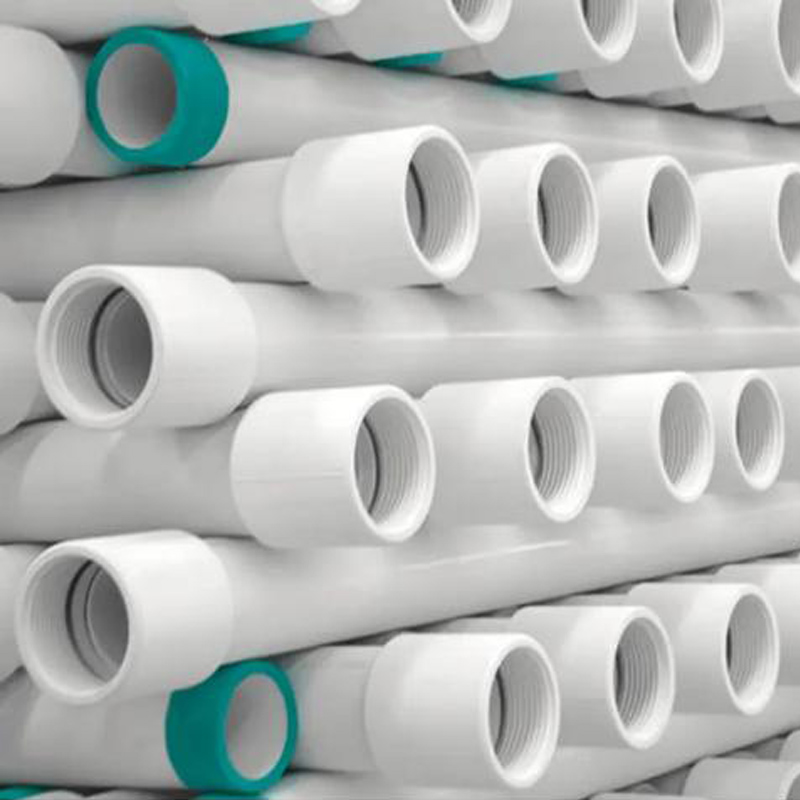
HDPE to PVC couplings represent a critical joining component within broader fluid transfer systems, bridging the dissimilar material properties of High-Density Polyethylene (HDPE) and Polyvinyl Chloride (PVC). These couplings facilitate the connection of HDPE piping, commonly used in gravity flow and low-pressure applications like irrigation and drainage, to PVC piping, favored for its rigidity and solvent weldability in pressurized systems such as water distribution. The increasing demand for hybrid piping systems, often driven by cost optimization and leveraging the specific benefits of each material, has spurred growth in the manufacturing of these couplings. This guide provides a detailed technical overview of HDPE to PVC couplings, encompassing material science, manufacturing processes, performance characteristics, potential failure modes, and relevant industry standards. The current market landscape involves numerous manufacturers, with a concentration of production in regions specializing in plastic pipe fittings, highlighting the need for rigorous quality control and adherence to established engineering principles. This in-depth analysis is tailored for procurement managers, design engineers, and maintenance personnel involved in specifying and utilizing these essential components.
Material Science & Manufacturing
The construction of an HDPE to PVC coupling inherently involves working with two distinct thermoplastic polymers, each possessing unique properties. HDPE, a polyethylene with a high degree of linearity, exhibits excellent chemical resistance, flexibility, and impact strength, particularly at low temperatures. Its density typically ranges from 0.941 to 0.965 g/cm³. PVC, conversely, is a rigid and durable material known for its flame retardancy and relatively low cost. PVC’s density falls between 1.38 and 1.40 g/cm³. The key manufacturing challenge lies in creating a robust and leak-proof interface between these dissimilar materials. Common manufacturing processes include injection molding for the coupling body (often PVC), followed by specialized welding or adhesive bonding techniques for securing the HDPE insert or sleeve.
The HDPE portion is often manufactured via extrusion, ensuring consistent wall thickness and dimensional accuracy. Parameter control during extrusion is crucial, impacting the crystallinity of the HDPE, which directly affects its strength and long-term creep resistance. Temperature control within the die is critical, typically maintained between 180°C and 220°C depending on the HDPE grade. PVC injection molding requires precise temperature and pressure control to prevent degradation and ensure complete filling of the mold cavity. Mold temperatures are typically maintained between 170°C and 200°C, while injection pressures range from 50 to 150 MPa.
Chemical compatibility between the HDPE and PVC is paramount. Standard PVC compounds may contain plasticizers that can leach into the HDPE, causing embrittlement or swelling. Therefore, couplings often utilize specially formulated PVC compounds with minimal plasticizer content or incorporate a barrier layer between the materials. Adhesive bonding, when employed, necessitates the use of adhesives specifically designed for polyolefins and PVC, exhibiting strong adhesion and resistance to environmental degradation. Surface preparation, including cleaning and potentially priming, is critical to achieving a durable bond.
Performance & Engineering
The performance of an HDPE to PVC coupling is dictated by its ability to withstand internal pressure, tensile stress during installation, and long-term environmental exposure. Internal pressure resistance is governed by the coupling’s geometry, wall thickness, and the strength of the bonded joint. Finite Element Analysis (FEA) is routinely employed to optimize coupling designs and predict stress concentrations under various loading conditions. The coupling must meet or exceed the pressure ratings of both the connected HDPE and PVC piping systems. Tensile stress is particularly relevant during installation, especially when solvent welding PVC pipe to the coupling. The coupling must be able to resist pull-out forces without compromising the integrity of the joint.
Environmental resistance is a critical consideration, particularly for outdoor applications. UV exposure can cause degradation of both HDPE and PVC, leading to embrittlement and reduced strength. The addition of UV stabilizers to the polymer formulations is essential. Temperature fluctuations can induce thermal expansion and contraction, creating stress at the interface between the HDPE and PVC. Coupling designs should accommodate these thermal movements to prevent cracking or joint failure. Chemical resistance is also important, especially in applications involving exposure to corrosive substances. The coupling materials must be compatible with the fluids being conveyed. Compliance requirements vary depending on the application and geographic region. For potable water systems, couplings must meet NSF/ANSI 61 standards for lead content and extractable contaminants. For pressure piping, compliance with ASME B31.3 is often required. Furthermore, hydrostatic testing is a common quality control procedure to verify the coupling’s pressure-holding capability.
Technical Specifications
| Parameter | Specification (Typical) | Test Method | Units |
|---|---|---|---|
| Nominal Pipe Size | 1/2", 3/4", 1", 1.25", 1.5", 2", 3", 4" | Visual Inspection | inches |
| Maximum Operating Pressure | Up to 150 psi | ASTM D1599 | psi |
| Operating Temperature Range | -40°C to 60°C | ASTM D790 | °C |
| Material – Coupling Body | PVC (Schedule 40 or 80) | ASTM D1785 | - |
| Material – HDPE Insert | HDPE (PE100) | ASTM D3350 | - |
| Joint Type | Bonded (Adhesive or Welding) | Visual Inspection & Pull-Out Test | - |
Failure Mode & Maintenance
HDPE to PVC couplings are susceptible to several failure modes. A primary concern is bond failure at the HDPE-PVC interface, often resulting from inadequate surface preparation, improper adhesive selection, or thermal stress. This can manifest as leakage or complete separation of the components. Another common failure mode is cracking of the PVC coupling body, typically initiated by stress concentrations around fittings or due to excessive pressure. Fatigue cracking can also occur in applications involving cyclic loading or vibration. Environmental degradation, specifically UV exposure, can lead to embrittlement of both the HDPE and PVC, reducing their impact resistance and increasing the risk of cracking. Creep, the time-dependent deformation of the HDPE under sustained load, can also contribute to joint failure over the long term.
Preventive maintenance involves regular visual inspections for cracks, leaks, or signs of degradation. Periodic pressure testing can verify the integrity of the joints. For applications involving exposure to corrosive substances, protective coatings or alternative materials may be necessary. If a leak is detected, the coupling should be immediately replaced. Proper installation procedures, including careful alignment of the pipes and adherence to recommended torque specifications, are crucial to preventing premature failure. Avoid over-tightening during installation, as this can induce stress concentrations and damage the coupling. Furthermore, storing couplings in a cool, dry environment, away from direct sunlight, can help prevent degradation and extend their service life.
Industry FAQ
Q: What are the critical factors influencing the long-term reliability of the adhesive bond between HDPE and PVC?
A: Long-term adhesive bond reliability hinges on meticulous surface preparation – thorough cleaning with appropriate solvents to remove contaminants and, ideally, a surface treatment to enhance adhesion. The adhesive must be specifically formulated for polyolefins and PVC, exhibiting resistance to environmental degradation (UV, temperature fluctuations, moisture). Proper application of the adhesive, ensuring complete coverage and optimal curing conditions, is also paramount. Finally, minimizing stress concentrations at the bond line through proper design and installation practices is crucial.
Q: How do you mitigate the risk of differential thermal expansion causing stress at the HDPE-PVC interface?
A: Mitigating thermal stress involves several strategies. Incorporating a flexible sealant or gasket within the coupling design can accommodate minor differential expansion. Properly sizing the coupling to allow for some axial movement is also beneficial. Avoiding direct exposure to extreme temperature fluctuations, where possible, can reduce the magnitude of the thermal stress. Material selection can also play a role; certain PVC formulations exhibit lower coefficients of thermal expansion.
Q: What testing protocols are typically employed to qualify HDPE to PVC couplings for potable water applications?
A: For potable water applications, couplings must undergo rigorous testing to ensure they do not leach harmful contaminants into the water supply. This typically includes testing to NSF/ANSI 61 standards, specifically evaluating lead content and extractable organic compounds. Hydrostatic testing is performed to verify pressure-holding capability, and burst testing assesses the ultimate strength of the coupling. Material certifications from the manufacturer, confirming compliance with relevant standards, are also required.
Q: What are the key differences in installation procedures between solvent welding PVC to the coupling versus mechanically joining HDPE?
A: Solvent welding PVC requires precise surface preparation – cleaning, priming, and applying the appropriate solvent cement. The solvent cement softens the PVC surfaces, creating a fusion weld upon joining. Careful alignment and sufficient curing time are critical. Mechanically joining HDPE typically involves insertion molding or specialized compression fittings, requiring proper insertion depth and tightening torque. Unlike solvent welding, mechanical joining is reversible and doesn’t create a permanent bond.
Q: How does the choice of PVC compound (e.g., Schedule 40 vs. Schedule 80) affect the coupling’s performance and cost?
A: Schedule 80 PVC has a thicker wall thickness than Schedule 40, resulting in higher pressure ratings and greater mechanical strength. This increased robustness comes at a higher material cost. Schedule 40 is generally sufficient for lower-pressure applications, offering a more cost-effective solution. The appropriate schedule is dictated by the system’s operating pressure and the anticipated mechanical loads.
Conclusion
HDPE to PVC couplings represent a vital interface component within hybrid piping systems, enabling the integration of two distinct thermoplastic materials. Their performance and long-term reliability depend critically on material selection, precise manufacturing processes, and adherence to stringent quality control measures. Understanding the potential failure modes, including bond failure, cracking, and environmental degradation, is paramount for ensuring the integrity of the fluid transfer system.
Future advancements in coupling design may focus on developing more robust bonding techniques, incorporating smart materials for self-healing capabilities, and enhancing resistance to extreme environmental conditions. Furthermore, the increasing emphasis on sustainability will drive demand for couplings manufactured from recycled materials and designed for easy disassembly and component reuse. Ultimately, a holistic approach encompassing materials science, engineering design, and proper installation procedures will be essential for maximizing the performance and service life of these critical components.
-
DN25 HDPE Compression Fitting-HORON INTERNATIONAL|Reliable Irrigation Solutions
NewsFeb.11,2026
-
hdpe coupling joint product Manufacturing Analysis
News2026-11-18
-
ppr pipe heating time products Performance Analysis
News2026-11-16
-
hdpe pipe sizes factory Performance Analysis
News2026-11-09
-
HDPE Pipe Sizes Service Performance Analysis
News2026-10-26
-
wholesale 15mm ppr pipe Material Science and Performance Analysis
News2026-10-20
-
wholesale pvc pipe price per foot Technical Analysis
News2026-09-21
-
wholesale long pvc pipe Technical Analysis and Manufacturing Specifications
News2026-09-15
-
wholesale plumbing kitchen sink water lines Material Performance
News2026-09-15
-
wholesale hdpe drip irrigation Material Science
News2026-09-15
-
wholesale hot water ppr pipe Performance Analysis
News2026-09-15
-
wholesale ppr plumbing Performance Analysis
News2026-09-15
-
wholesale ppr pipe supplier Performance Analysis
News2026-09-13
-
wholesale 50mm ppr pipe Performance Analysis
News2026-09-13
-
wholesale hdpe drip pipe Performance Analysis
News2026-09-13
-
wholesale hdpe pipe 63mm price Manufacturing Specification and Performance Analysis
News2026-09-13