

Feb . 11, 2026 00:01 Back to list
2 hdpe coupling products Performance Analysis
Introduction
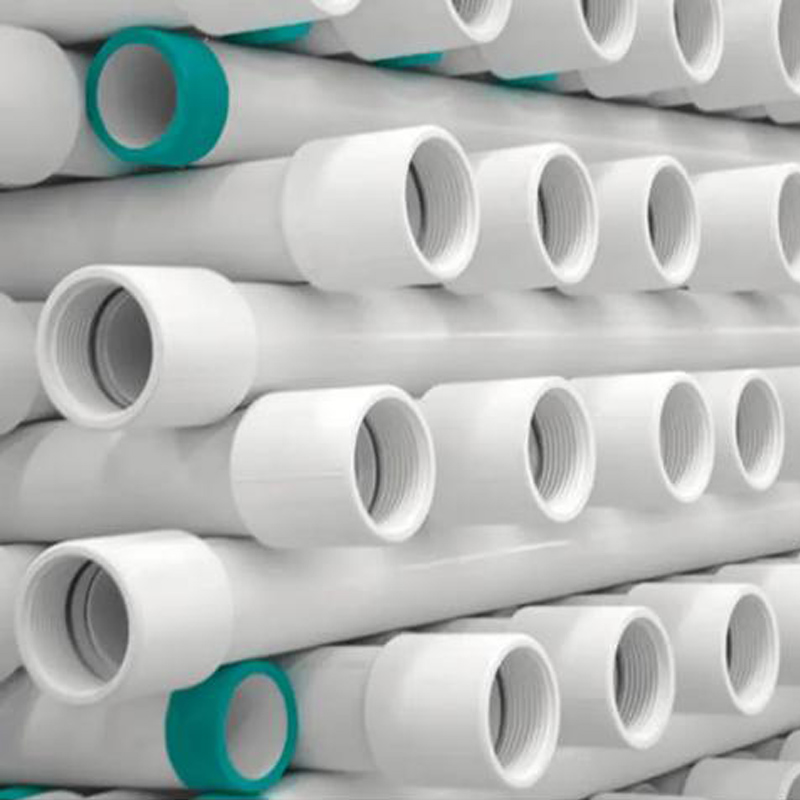
High-Density Polyethylene (HDPE) couplings are critical components in fluid transfer systems, particularly for industrial piping applications. This guide details the technical aspects of 2" HDPE couplings, encompassing material science, manufacturing processes, performance characteristics, failure modes, and relevant industry standards. These couplings serve as a robust and chemically resistant joining solution for polyethylene pipes, offering a cost-effective alternative to metallic fittings in numerous applications including irrigation, mining, wastewater treatment, and chemical processing. The selection of appropriate HDPE couplings is paramount to ensuring long-term system integrity and preventing costly failures. The two primary configurations addressed herein are socket weld HDPE couplings and electrofusion HDPE couplings, each with distinct installation protocols and performance profiles. Their ability to accommodate thermal expansion and contraction of the pipe, combined with their corrosion resistance, makes them invaluable in harsh operating environments.
Material Science & Manufacturing
HDPE couplings are manufactured from high-density polyethylene resin, typically grades conforming to ASTM D3350. The raw material’s molecular weight and density directly influence the coupling’s mechanical properties, specifically its tensile strength, impact resistance, and environmental stress crack resistance (ESCR). HDPE resin is a thermoplastic polymer produced from the polymerization of ethylene. Additives, such as carbon black, are often incorporated to enhance UV resistance and prevent degradation from sunlight exposure.
Manufacturing Processes: Socket weld HDPE couplings are generally produced through injection molding. This process involves melting HDPE pellets and injecting them under high pressure into a mold cavity. Precise temperature and pressure control are crucial to ensure uniform density and dimensional accuracy. Electrofusion HDPE couplings, on the other hand, incorporate an embedded resistance wire within the coupling body. This wire is used during the electrofusion welding process, generating heat to fuse the coupling to the pipe. The wire's consistent resistance and even distribution are critical. Following molding, all couplings undergo rigorous quality control checks including hydrostatic pressure testing (ASTM F891) to verify their structural integrity. Material traceability is maintained through batch numbers and resin certifications. The precise control of cooling rates during injection molding minimizes internal stresses within the coupling, a factor influencing long-term creep resistance.
Performance & Engineering
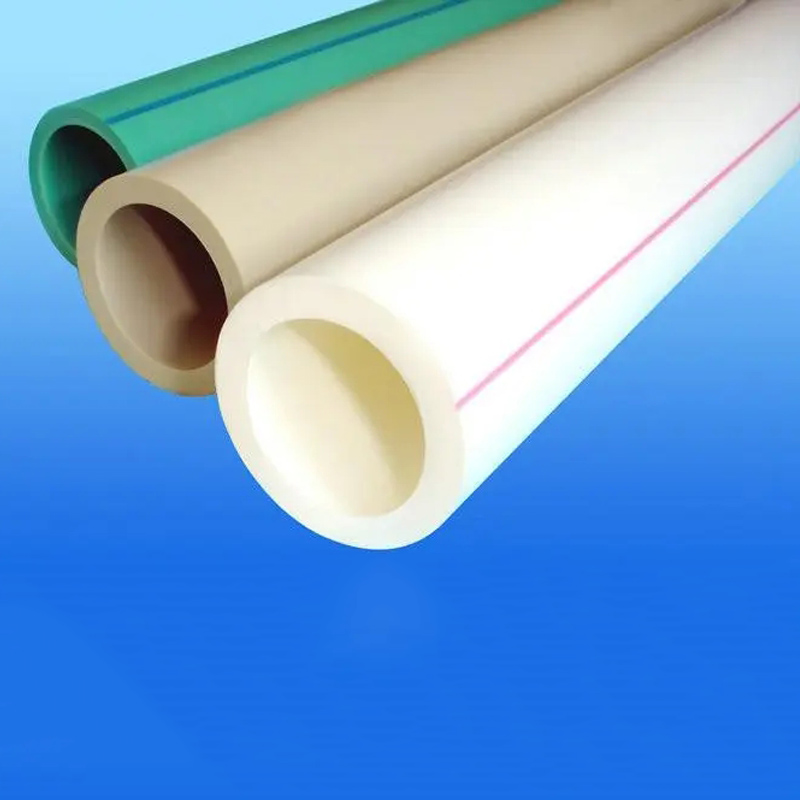
The primary performance requirement of HDPE couplings is maintaining a leak-proof seal under specified operating pressure and temperature conditions. Force analysis focuses on hoop stress developed within the coupling during pressurization. The coupling must withstand these stresses without deformation or failure. Environmental resistance is another key consideration; HDPE exhibits excellent resistance to most chemicals, however, prolonged exposure to strong oxidizing agents can lead to degradation.
Compliance Requirements: HDPE couplings used in potable water systems must comply with NSF/ANSI 61 standards, ensuring that no harmful contaminants leach into the water supply. For gas distribution applications, compliance with DOT regulations (49 CFR Part 192) is mandatory. Electrofusion couplings require precise welding parameters (voltage, current, and time) as specified by the manufacturer to achieve optimal fusion strength. Poor welding can result in weak joints susceptible to failure. Finite Element Analysis (FEA) is commonly employed during the design phase to optimize the coupling geometry and minimize stress concentrations. The ability of the coupling to accommodate pipe deflection and ground movement is also an important engineering consideration, particularly in seismic zones.
Technical Specifications
| Parameter | Socket Weld Coupling (2") | Electrofusion Coupling (2") | Unit |
|---|---|---|---|
| Nominal Size | 2 inch | 2 inch | - |
| Material | HDPE (ASTM D3350 PE3408/PE3608) | HDPE (ASTM D3350 PE3408/PE3608) | - |
| Pressure Rating | 100 psi @ 73°F | 150 psi @ 73°F | psi |
| Operating Temperature Range | -40°F to 140°F | -40°F to 140°F | °F |
| Connection Method | Solvent Cement Welding | Electrofusion Welding | - |
| Weight | 0.35 lbs | 0.42 lbs | lbs |
Failure Mode & Maintenance
Failure Modes: Common failure modes in HDPE couplings include:
- Environmental Stress Cracking (ESC): Caused by sustained tensile stress in the presence of aggressive chemicals. Prevention involves selecting appropriate HDPE grades with enhanced ESCR and avoiding contact with incompatible substances.
- Fatigue Cracking: Resulting from cyclic pressure fluctuations or vibrations. Proper support and anchoring of the pipeline can mitigate this.
- Incorrect Welding: Particularly prevalent with electrofusion couplings. Insufficient or excessive welding time/voltage leads to weak joints. Strict adherence to manufacturer’s guidelines is essential.
- UV Degradation: Prolonged exposure to sunlight without UV protection. Using carbon black additives or protective coatings can prevent this.
- Corrosion (induced by external factors): While HDPE itself is corrosion resistant, galvanic corrosion can occur if coupled with dissimilar metals without proper isolation.
Maintenance: Routine visual inspections should be conducted to identify any signs of cracking, deformation, or leakage. Periodic hydrostatic testing can verify the integrity of the pipeline system. Repair of damaged couplings typically involves cutting out the affected section and replacing it with a new coupling using the appropriate welding technique. Maintaining detailed records of installation and maintenance activities is crucial for proactive pipeline management.
Industry FAQ
Q: What is the difference between socket weld and electrofusion HDPE couplings in terms of joint strength?
A: Electrofusion couplings generally provide a stronger and more reliable joint compared to socket weld couplings. Electrofusion creates a complete fusion weld around the pipe, whereas socket welding relies on the adhesion of solvent cement. This makes electrofusion couplings more resistant to pressure surges and cyclical loading.
Q: How does temperature affect the performance of HDPE couplings?
A: HDPE becomes more flexible at higher temperatures and more brittle at lower temperatures. While HDPE couplings are designed to operate within a wide temperature range (-40°F to 140°F), extreme temperatures can reduce their impact resistance and increase their susceptibility to cracking. Thermal expansion and contraction must be accounted for in pipeline design.
Q: What types of chemicals are incompatible with HDPE couplings?
A: While HDPE offers excellent chemical resistance, it is susceptible to degradation from strong oxidizing agents like concentrated nitric acid and chromic acid. Prolonged exposure to chlorinated solvents can also cause swelling and cracking. A chemical compatibility chart should be consulted before using HDPE couplings in a specific application.
Q: What are the key factors to consider when electrofusion welding HDPE couplings?
A: Key factors include proper pipe preparation (cleaning and beveling), ensuring correct alignment and insertion depth, selecting the appropriate welding parameters (voltage, current, and time) based on the coupling and pipe dimensions, and verifying the weld quality through visual inspection and pull testing.
Q: How can I prevent environmental stress cracking in HDPE couplings?
A: Preventing ESC involves selecting HDPE grades with high ESCR, avoiding contact with incompatible chemicals, minimizing sustained tensile stress on the coupling, and providing adequate support to the pipeline. Consider using stress-relieving techniques during installation.
Conclusion
HDPE couplings are essential components for robust and reliable fluid transfer systems. Their inherent corrosion resistance, flexibility, and ease of installation make them a preferred choice in numerous industrial applications. Careful consideration of material properties, manufacturing processes, and installation procedures is critical to ensuring long-term performance and preventing premature failure. The selection between socket weld and electrofusion couplings depends on the specific application requirements, with electrofusion generally providing a stronger and more secure joint.
Future advancements in HDPE coupling technology may focus on developing enhanced materials with improved ESCR and UV resistance, as well as implementing smart monitoring systems to detect early signs of degradation or leakage. Continued adherence to industry standards and best practices is paramount to maintaining the integrity and safety of HDPE pipeline systems. Ongoing research into non-destructive testing methods will also play a vital role in proactive pipeline management.
-
DN25 HDPE Compression Fitting-HORON INTERNATIONAL|Reliable Irrigation Solutions
NewsFeb.11,2026
-
hdpe coupling joint product Manufacturing Analysis
News2026-11-18
-
ppr pipe heating time products Performance Analysis
News2026-11-16
-
hdpe pipe sizes factory Performance Analysis
News2026-11-09
-
HDPE Pipe Sizes Service Performance Analysis
News2026-10-26
-
wholesale 15mm ppr pipe Material Science and Performance Analysis
News2026-10-20
-
wholesale pvc pipe price per foot Technical Analysis
News2026-09-21
-
wholesale long pvc pipe Technical Analysis and Manufacturing Specifications
News2026-09-15
-
wholesale plumbing kitchen sink water lines Material Performance
News2026-09-15
-
wholesale hdpe drip irrigation Material Science
News2026-09-15
-
wholesale hot water ppr pipe Performance Analysis
News2026-09-15
-
wholesale ppr plumbing Performance Analysis
News2026-09-15
-
wholesale ppr pipe supplier Performance Analysis
News2026-09-13
-
wholesale 50mm ppr pipe Performance Analysis
News2026-09-13
-
wholesale hdpe drip pipe Performance Analysis
News2026-09-13
-
wholesale hdpe pipe 63mm price Manufacturing Specification and Performance Analysis
News2026-09-13