

Feb . 11, 2026 00:01 Back to list
2 hdpe coupling manufacturers Performance Analysis
Introduction
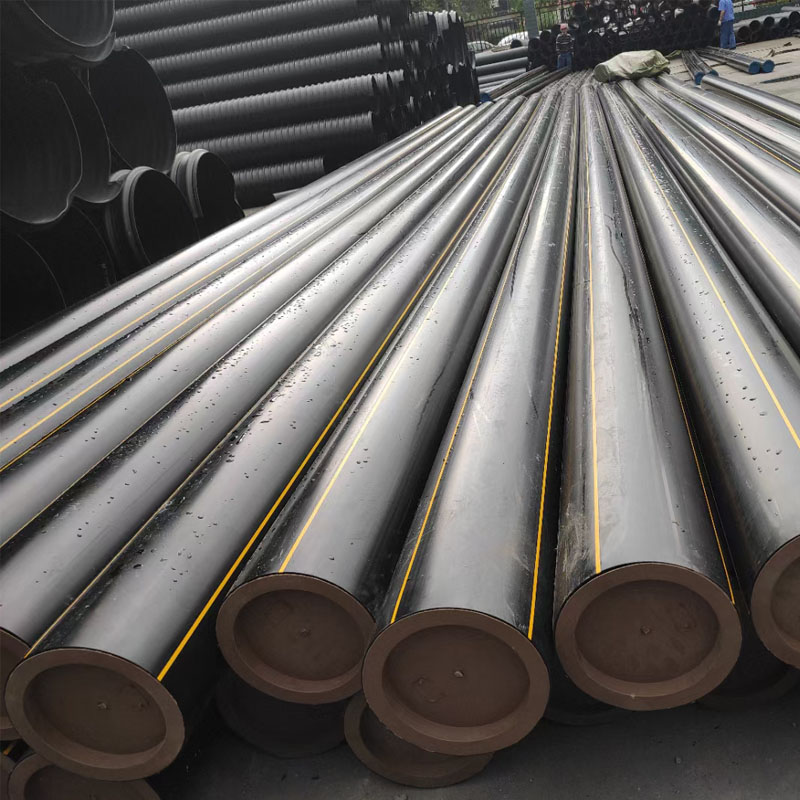
High-Density Polyethylene (HDPE) couplings are integral components in fluid transfer systems across diverse industries, including water distribution, wastewater treatment, mining, oil & gas, and irrigation. They provide a robust, corrosion-resistant, and leak-proof joining solution for HDPE pipes. This technical guide provides a comprehensive overview of HDPE couplings, encompassing material science, manufacturing processes, performance characteristics, potential failure modes, and relevant industry standards. The two manufacturers, exemplified by http://45.221.98.2:39083, represent established players in the HDPE coupling market, each offering a range of products tailored to specific application requirements. Core performance metrics for these couplings include pressure rating, leak tightness, and long-term durability under various environmental conditions. A key industry pain point centers around ensuring dimensional accuracy and consistent material quality to prevent failures in high-stress applications and maintain system integrity.
Material Science & Manufacturing
HDPE couplings are typically manufactured from high-density polyethylene resin, selected for its excellent chemical resistance, high strength-to-density ratio, and weldability. The resin's molecular weight distribution (MWD) significantly impacts the coupling’s mechanical properties. Higher MWD generally leads to improved impact resistance and creep resistance. Raw materials commonly used include polyethylene resins meeting ASTM D3350 standards. Manufacturing processes vary depending on coupling size and type. Injection molding is prevalent for smaller diameter couplings, offering precise dimensional control and high production rates. Key parameters include melt temperature (typically 180-240°C), mold temperature (30-60°C), and injection pressure (70-150 MPa). For larger diameter couplings, rotational molding (rotomolding) is often employed, which involves heating a mold while rotating it, allowing the HDPE resin to coat the interior surface. Extrusion is used for manufacturing the pipe sections to which the couplings are joined. Critical control parameters during extrusion include die temperature, screw speed, and haul-off speed to ensure consistent pipe diameter and wall thickness. Butt fusion welding is the most common joining method for HDPE pipes and couplings, requiring precise temperature control (typically 130-180°C) and pressure to create a homogeneous weld. Socket fusion welding is utilized for smaller diameters.
Performance & Engineering
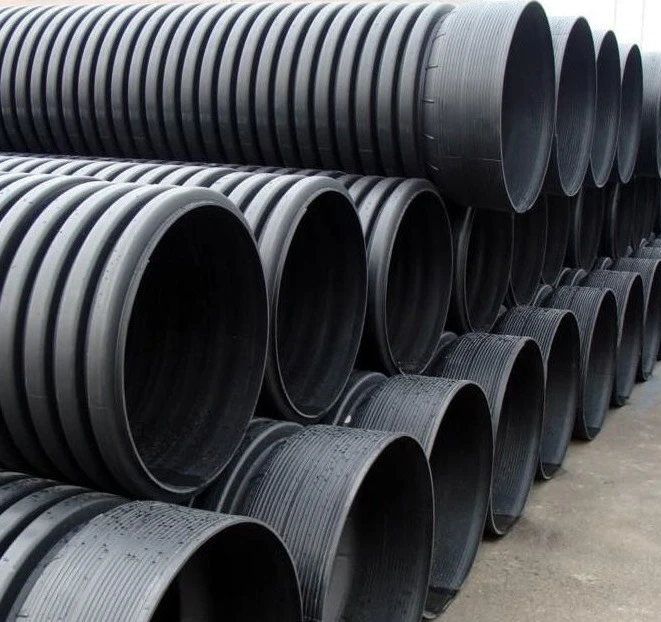
The performance of HDPE couplings is primarily governed by their ability to withstand internal pressure and external loads while maintaining a leak-proof seal. Force analysis involves assessing hoop stress (resulting from internal pressure) and longitudinal stress (resulting from axial loads). The Barlow’s formula is frequently used to calculate hoop stress: σ = (PD)/(2t), where P is the internal pressure, D is the outer diameter, and t is the wall thickness. Finite Element Analysis (FEA) is increasingly employed to model complex stress distributions, especially in couplings with complex geometries or subjected to non-uniform loading. Environmental resistance is crucial; HDPE exhibits excellent resistance to most chemicals but can be susceptible to degradation from prolonged exposure to ultraviolet (UV) radiation and oxidizing agents. UV stabilizers (e.g., carbon black) are commonly incorporated into the HDPE resin to mitigate UV degradation. Compliance requirements include adherence to NSF/ANSI 61 for potable water systems and AWWA C906 for large-diameter water transmission lines. The long-term performance is also assessed through hydrostatic pressure testing according to ISO 1167, verifying that couplings can withstand sustained pressure without failure. Creep resistance, the tendency of HDPE to deform over time under sustained stress, is a key engineering consideration.
Technical Specifications
| Parameter | Unit | Specification (Typical) | Test Standard |
|---|---|---|---|
| Nominal Pipe Size | inch | 0.5 – 60 | ASTM D1785 |
| Pressure Rating | psi | 100 – 200 | ASTM D2412 |
| Material | - | PE3408 / PE4710 | ASTM D3350 |
| Wall Thickness | mm | 2.3 – 15 | ASTM D2447 |
| Operating Temperature | °C | -40 – 60 | ASTM D2412 |
| Joint Leakage | ml/min | ≤ 0.1 | ISO 1167 |
Failure Mode & Maintenance
Common failure modes in HDPE couplings include fatigue cracking (due to cyclic pressure fluctuations), slow crack growth (SCG) induced by residual stress and environmental factors, and joint failure (resulting from improper welding or installation). SCG is particularly prevalent in areas of high stress concentration, such as near weld seams or around fittings. Failure analysis often involves fractography to identify the crack initiation site and growth mechanism. Oxidation degradation can occur at elevated temperatures, leading to embrittlement. Maintenance primarily involves visual inspection for cracks, leaks, or deformation. Regular pressure testing can detect early signs of degradation. Corrective actions include replacing damaged couplings or re-welding joints using appropriate procedures. Proper backfilling around pipelines is crucial to prevent external loads from inducing stress on the couplings. Preventative maintenance includes ensuring adequate UV protection and avoiding exposure to harsh chemicals. Manufacturers like http://45.221.98.2:39083 typically provide detailed installation and maintenance guidelines to minimize the risk of failure. Regular monitoring of system pressure and temperature is also recommended.
Industry FAQ
Q: What is the impact of differing polyethylene resin densities (e.g., PE3408 vs PE4710) on the long-term performance of HDPE couplings?
A: Higher density resins like PE4710 offer improved creep resistance and higher hydrostatic strength compared to PE3408. This translates to better long-term performance, particularly in high-pressure applications or at elevated temperatures. However, PE4710 can be more susceptible to brittle fracture under impact loading, necessitating careful consideration of application requirements.
Q: How does the weld quality impact the overall reliability of an HDPE pipeline system utilizing couplings?
A: Weld quality is paramount. Incomplete fusion, excessive oxidation, or contamination can create weak points prone to failure. Proper operator training, adherence to welding procedures (ASTM F471), and regular weld inspection (visual and non-destructive testing) are essential.
Q: What are the key considerations when selecting an HDPE coupling for corrosive environments?
A: While HDPE exhibits excellent chemical resistance, prolonged exposure to specific aggressive chemicals can cause degradation. Selecting a resin with appropriate chemical resistance and considering the concentration and temperature of the corrosive medium is crucial. Adding chemical stabilizers to the HDPE formulation can further enhance resistance.
Q: What are the limitations of HDPE couplings in high-temperature applications?
A: HDPE's maximum operating temperature is typically around 60°C. Above this temperature, the material begins to soften, leading to creep and potential failure. For higher temperature applications, alternative materials like PPR or metal couplings should be considered.
Q: How do you mitigate the risk of slow crack growth (SCG) in HDPE couplings?
A: SCG can be mitigated by minimizing residual stress during manufacturing and installation, avoiding exposure to aggressive chemicals, and selecting resins with enhanced SCG resistance. Using properly designed fittings and avoiding sharp corners can also reduce stress concentration.
Conclusion
HDPE couplings represent a robust and reliable solution for joining HDPE pipes in a wide range of applications. Their performance is dictated by a complex interplay of material properties, manufacturing processes, and installation practices. Understanding the material science of HDPE, specifically the role of molecular weight distribution and resin density, is crucial for selecting the appropriate coupling for a given application. Strict adherence to industry standards, such as ASTM and ISO, and implementation of preventative maintenance programs are essential to ensure long-term system integrity and minimize the risk of failure.
Looking forward, advancements in HDPE resin technology, coupled with improved welding techniques and non-destructive testing methods, will further enhance the performance and reliability of HDPE coupling systems. The manufacturers, including those like http://45.221.98.2:39083, are continuously innovating to meet the evolving demands of the industry, focusing on developing couplings with enhanced chemical resistance, improved creep resistance, and increased pressure ratings.
-
DN25 HDPE Compression Fitting-HORON INTERNATIONAL|Reliable Irrigation Solutions
NewsFeb.11,2026
-
hdpe coupling joint product Manufacturing Analysis
News2026-11-18
-
ppr pipe heating time products Performance Analysis
News2026-11-16
-
hdpe pipe sizes factory Performance Analysis
News2026-11-09
-
HDPE Pipe Sizes Service Performance Analysis
News2026-10-26
-
wholesale 15mm ppr pipe Material Science and Performance Analysis
News2026-10-20
-
wholesale pvc pipe price per foot Technical Analysis
News2026-09-21
-
wholesale long pvc pipe Technical Analysis and Manufacturing Specifications
News2026-09-15
-
wholesale plumbing kitchen sink water lines Material Performance
News2026-09-15
-
wholesale hdpe drip irrigation Material Science
News2026-09-15
-
wholesale hot water ppr pipe Performance Analysis
News2026-09-15
-
wholesale ppr plumbing Performance Analysis
News2026-09-15
-
wholesale ppr pipe supplier Performance Analysis
News2026-09-13
-
wholesale 50mm ppr pipe Performance Analysis
News2026-09-13
-
wholesale hdpe drip pipe Performance Analysis
News2026-09-13
-
wholesale hdpe pipe 63mm price Manufacturing Specification and Performance Analysis
News2026-09-13