

Feb . 11, 2026 00:01 Back to list
12 pvc pipe price products Performance Analysis
Introduction
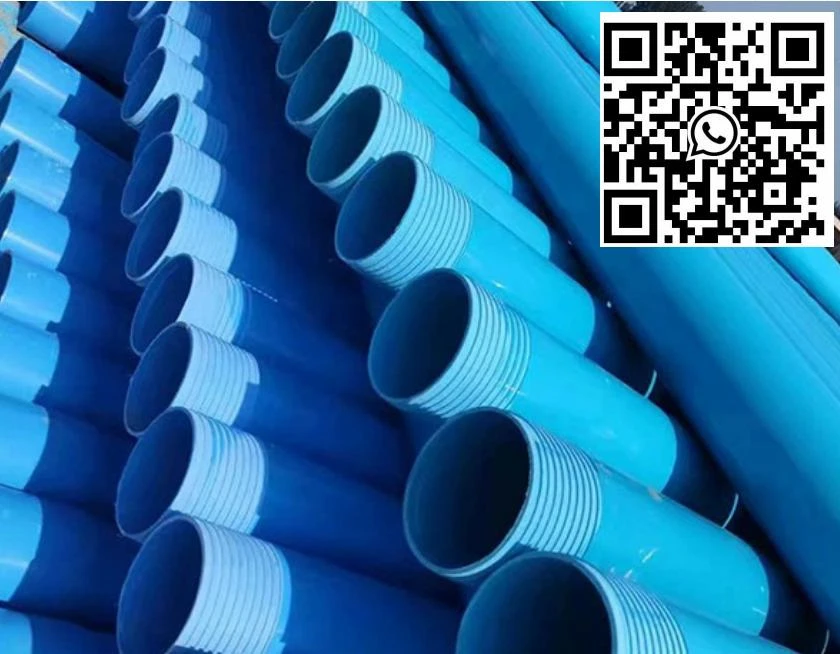
Polyvinyl Chloride (PVC) pipe, specifically Schedule 40 and Schedule 80 variants in a 12-inch diameter, represents a ubiquitous material in modern infrastructure. Its widespread adoption stems from a compelling combination of cost-effectiveness, durability, and versatility across diverse applications. This technical guide provides an in-depth examination of 12-inch PVC pipe, addressing its material composition, manufacturing processes, performance characteristics, potential failure modes, and relevant industry standards. The core application areas include potable water distribution, irrigation systems, drainage, sewer lines, and industrial fluid conveyance. A primary industry pain point lies in ensuring long-term structural integrity under varying environmental conditions and fluid pressures, alongside maintaining compliance with evolving regulatory requirements regarding material leaching and environmental impact. Understanding the nuances of PVC formulation and installation practices is crucial for mitigating these concerns and maximizing service life. This guide aims to provide comprehensive technical data for engineers, procurement managers, and field personnel involved in the selection, installation, and maintenance of 12-inch PVC piping systems.
Material Science & Manufacturing
12-inch PVC pipe is primarily composed of PVC resin, a thermoplastic polymer produced through the polymerization of vinyl chloride monomer (VCM). The PVC resin typically constitutes 50-60% of the pipe’s composition. Critical additives include plasticizers (primarily phthalates or increasingly, bio-based alternatives) to enhance flexibility and impact resistance, heat stabilizers (often organotin compounds or calcium-zinc stabilizers) to prevent thermal degradation during processing, lubricants to facilitate extrusion, and pigments (typically titanium dioxide) for opacity and UV protection. The specific formulation varies depending on the intended application and desired performance characteristics. Manufacturing generally involves extrusion. PVC compound is fed into a single-screw extruder, where it is heated, melted, and homogenized. The molten PVC is then forced through a die that shapes it into a continuous pipe. Precise control of extrusion temperature (typically 180-220°C), screw speed, and die pressure are paramount. The extruded pipe is then cooled in a water bath, calibrated to maintain dimensional accuracy, and cut to length. Quality control measures include regular testing of resin properties (K-value, viscosity), dimensional checks (diameter, wall thickness, ovality), and hydrostatic pressure testing to verify burst strength. Parameter control related to plasticizer content impacts the pipe’s long-term flexibility and resistance to cracking, while stabilizer selection dictates its resistance to UV degradation and chlorine attack in potable water systems.

Performance & Engineering
The performance of 12-inch PVC pipe is critically dependent on its ability to withstand internal hydrostatic pressure, external soil loads, and environmental stressors. Hydrostatic design stress (HDS) is a key parameter, reflecting the maximum allowable internal pressure. For Schedule 40 pipe, the HDS is typically 2000 psi, while Schedule 80 pipe boasts an HDS of 2600 psi. External loads, including soil bearing capacity and traffic loads, require consideration to prevent pipe collapse. Backfill material must be properly compacted and selected to provide adequate support. PVC’s inherent resistance to corrosion is a significant advantage, particularly in aggressive soil environments. However, long-term exposure to UV radiation can cause embrittlement and surface cracking. Chemical compatibility is also important; PVC is generally resistant to most acids and alkalis, but can be affected by certain organic solvents and chlorinated hydrocarbons. Engineering calculations must account for temperature variations, as PVC’s mechanical properties change with temperature. The Modulus of Elasticity decreases with increasing temperature, impacting the pipe’s stiffness and resistance to deformation. Fatigue analysis is essential for applications involving cyclical loading, such as pump stations or areas subject to seismic activity. Compliance with relevant standards (ASTM D1785 for PVC pipe, AWWA C900 for potable water distribution) is mandatory to ensure structural integrity and prevent catastrophic failures.
Technical Specifications
| Parameter | Schedule 40 (Typical) | Schedule 80 (Typical) | Units |
|---|---|---|---|
| Nominal Pipe Size | 12 inches | 12 inches | inches |
| Outside Diameter | 12.68 | 12.68 | inches |
| Wall Thickness | 0.237 | 0.280 | inches |
| Hydrostatic Design Stress (HDS) | 2000 | 2600 | psi |
| Burst Pressure | 6000 | 7800 | psi |
| Long-Term Hydrostatic Strength (LTHS) | 1200 | 1560 | psi |
| Flexural Modulus | 340,000 | 380,000 | psi |
Failure Mode & Maintenance
Common failure modes in 12-inch PVC pipe include longitudinal cracking due to excessive tensile stress (often exacerbated by improper installation or bedding), circumferential cracking resulting from sustained hydrostatic pressure or thermal cycling, and crazing (micro-cracking) caused by stress concentrations or chemical attack. Soil settlement or improper backfill compaction can lead to ovalation and subsequent cracking. Long-term exposure to UV radiation causes surface degradation and embrittlement. Joint failures, particularly at solvent-welded connections, can occur due to inadequate surface preparation, improper solvent application, or excessive joint stress. Failure analysis often involves visual inspection, crack propagation studies, and chemical analysis of the PVC material. Preventative maintenance includes regular visual inspections for cracks, leaks, and signs of deterioration. Proper bedding and backfill are critical for minimizing external stress. UV protection (e.g., protective coatings or burial depth) is essential in exposed applications. Joints should be re-inspected periodically to ensure watertight integrity. For minor cracks, epoxy-based repair compounds can be used to restore structural integrity. Significant failures require pipe replacement. The presence of chlorine or other oxidizing agents in potable water can contribute to degradation over time, so monitoring water chemistry and implementing corrosion control measures is advisable.
Industry FAQ
Q: What is the impact of soil corrosivity on the long-term performance of 12-inch PVC pipe?
A: Highly corrosive soils (high sulfate content, low pH) can accelerate PVC degradation, particularly at the pipe’s outer surface. While PVC is inherently corrosion-resistant, prolonged exposure can lead to embrittlement and cracking. Utilizing a protective bedding material (sand or gravel) and/or applying an external coating can mitigate this risk. Regular soil testing and monitoring are recommended in corrosive environments.
Q: How does temperature affect the pressure rating of 12-inch PVC pipe?
A: Elevated temperatures reduce the HDS and LTHS of PVC. The pressure rating decreases as temperature increases due to the reduction in the material’s tensile strength and modulus of elasticity. Design calculations must incorporate a temperature derating factor based on the maximum operating temperature.
Q: What are the key considerations for solvent welding 12-inch PVC pipe?
A: Proper surface preparation (cleaning and priming) is crucial for achieving a strong, leak-proof joint. The correct solvent cement must be used, compatible with both the pipe and fitting materials. Adequate ventilation is essential due to solvent fumes. Sufficient curing time must be allowed before pressurizing the system. Joint assembly should be performed at temperatures between 40°F and 90°F.
Q: How does the Schedule number (40 vs. 80) impact the pipe’s ability to handle surge pressures?
A: Schedule 80 pipe, with its thicker wall, provides significantly greater resistance to surge pressures (water hammer) than Schedule 40 pipe. Surge pressures can generate transient stress levels exceeding the HDS, leading to pipe rupture. Surge protection devices (air chambers, surge relief valves) are often necessary, especially in systems with fast-closing valves or pumps.
Q: What are the environmental concerns related to PVC pipe and what alternatives are being explored?
A: The production and disposal of PVC can have environmental impacts, primarily related to the use of phthalate plasticizers and the release of dioxins during incineration. Bio-based plasticizers and alternative polymers (HDPE, PP-R) are being explored as more sustainable options. Recycling PVC pipe is also becoming increasingly prevalent, reducing landfill waste and conserving resources.
Conclusion
12-inch PVC pipe remains a dominant material in numerous infrastructure applications due to its cost-effectiveness and inherent advantages. However, achieving long-term reliability requires a thorough understanding of its material properties, manufacturing processes, and potential failure modes. Careful attention to installation practices, environmental factors, and operating conditions is crucial for maximizing service life and minimizing the risk of catastrophic failures. Proper material selection, incorporating Schedule 40 or 80 based on specific pressure and load requirements, is fundamental.
Looking ahead, ongoing research focuses on developing more sustainable PVC formulations with reduced environmental impact, as well as exploring advanced monitoring techniques for early detection of pipe degradation. Furthermore, the integration of smart technologies, such as fiber optic sensors, can provide real-time data on pipe stress and performance, enabling proactive maintenance and preventing costly repairs. Continued adherence to established industry standards and best practices will ensure the continued safe and reliable operation of 12-inch PVC piping systems.
-
DN25 HDPE Compression Fitting-HORON INTERNATIONAL|Reliable Irrigation Solutions
NewsFeb.11,2026
-
hdpe coupling joint product Manufacturing Analysis
News2026-11-18
-
ppr pipe heating time products Performance Analysis
News2026-11-16
-
hdpe pipe sizes factory Performance Analysis
News2026-11-09
-
HDPE Pipe Sizes Service Performance Analysis
News2026-10-26
-
wholesale 15mm ppr pipe Material Science and Performance Analysis
News2026-10-20
-
wholesale pvc pipe price per foot Technical Analysis
News2026-09-21
-
wholesale long pvc pipe Technical Analysis and Manufacturing Specifications
News2026-09-15
-
wholesale plumbing kitchen sink water lines Material Performance
News2026-09-15
-
wholesale hdpe drip irrigation Material Science
News2026-09-15
-
wholesale hot water ppr pipe Performance Analysis
News2026-09-15
-
wholesale ppr plumbing Performance Analysis
News2026-09-15
-
wholesale ppr pipe supplier Performance Analysis
News2026-09-13
-
wholesale 50mm ppr pipe Performance Analysis
News2026-09-13
-
wholesale hdpe drip pipe Performance Analysis
News2026-09-13
-
wholesale hdpe pipe 63mm price Manufacturing Specification and Performance Analysis
News2026-09-13