

Feb . 11, 2026 00:01 Back to list
12 pvc pipe price manufacturers Performance Analysis

Introduction
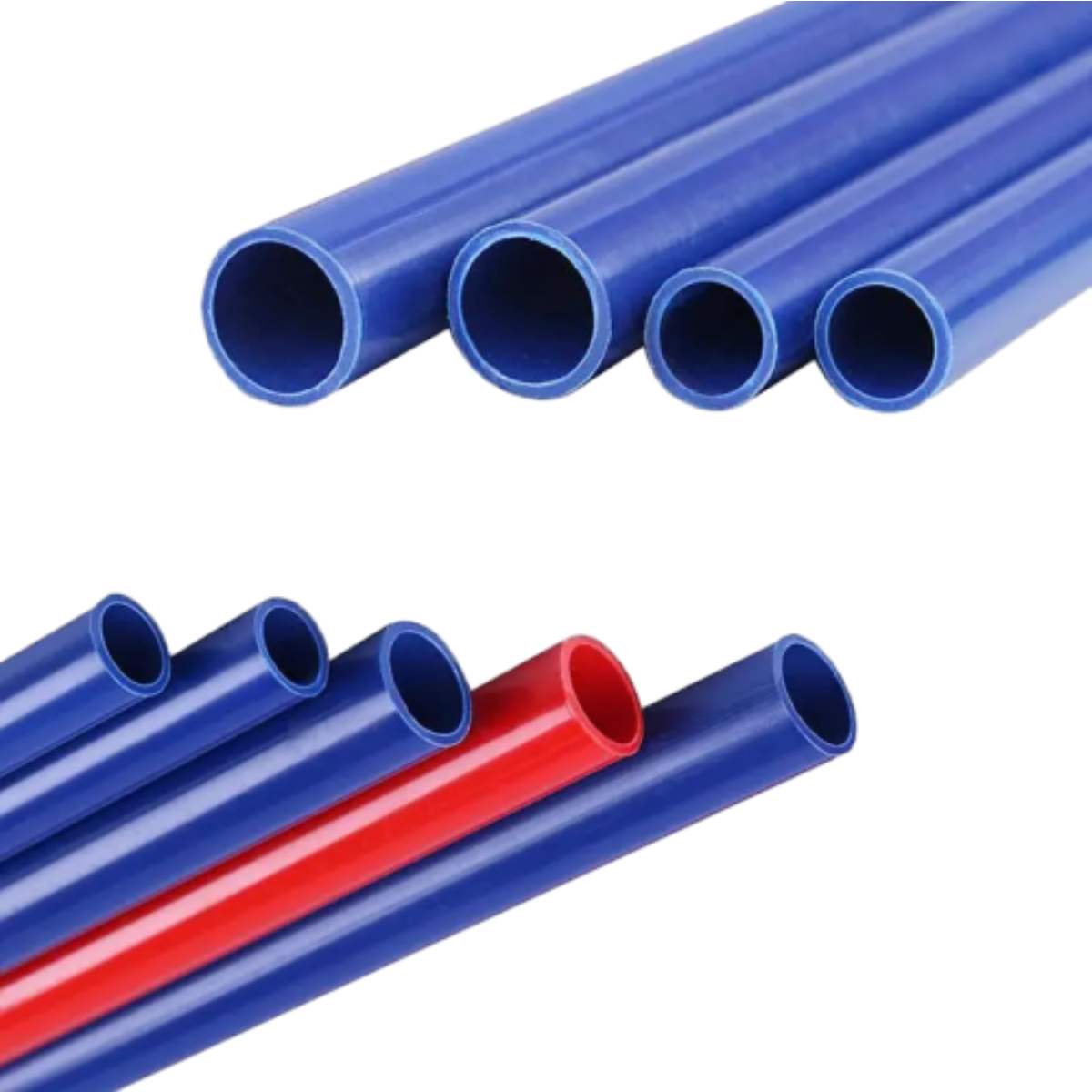
Polyvinyl chloride (PVC) pipe, a thermoplastic polymer, is a ubiquitous material in modern infrastructure, serving applications from potable water distribution and irrigation to drainage and industrial fluid transport. The market for 12 pvc pipe price manufacturers is driven by factors including urbanization, infrastructure development, and the relative cost-effectiveness of PVC compared to traditional materials like ductile iron or copper. This guide provides a comprehensive technical overview of PVC pipe, focusing on material science, manufacturing processes, performance characteristics, failure modes, and industry standards relevant to procurement and engineering professionals. The core performance of PVC pipe rests upon its chemical resistance, durability, and ease of installation, however, understanding nuanced differences in formulation and manufacturing impacts long-term reliability and suitability for specific applications. This document aims to delineate these critical parameters, providing a resource for informed decision-making when sourcing from 12 pvc pipe price manufacturers.
Material Science & Manufacturing
PVC is synthesized from the polymerization of vinyl chloride monomer (VCM). The resulting polymer, in its pure form, is a rigid and brittle material. To enhance its processability and end-use properties, plasticizers, stabilizers, lubricants, and other additives are incorporated. The type and concentration of these additives significantly influence the final characteristics of the PVC pipe. Common plasticizers include phthalates (though increasingly replaced by alternatives due to health concerns), adipates, and trimellitates. Stabilizers, such as organotin compounds or calcium-zinc formulations, prevent thermal degradation during processing and extend the pipe’s service life. Manufacturing PVC pipe typically involves extrusion. PVC compound is fed into a hopper, plasticized by heat and shear, and forced through a die to create a continuous pipe profile. Cooling is achieved through water baths, and the pipe is then cut to length. Critical parameters in the extrusion process include melt temperature, screw speed, die geometry, and cooling rate. Variations in these parameters directly impact pipe dimensions, wall thickness uniformity, and material crystallinity. Furthermore, the quality of the PVC resin itself - its molecular weight distribution and inherent purity - affects the final product's mechanical properties and long-term performance. Hydrostatic pressure testing is standard to ensure the pipe meets required pressure ratings. For schedule 40 and schedule 80 pipes, precise control of these parameters is essential to meet ASTM standards.
Performance & Engineering
The performance of PVC pipe is governed by its mechanical strength, chemical resistance, and resistance to environmental degradation. Key mechanical properties include tensile strength, yield strength, and impact resistance. These properties are influenced by the PVC formulation, processing conditions, and temperature. PVC exhibits good resistance to a wide range of chemicals, including acids, alkalis, and salts, making it suitable for corrosive environments. However, it is susceptible to attack by certain organic solvents and chlorinated hydrocarbons. Engineering design considerations for PVC piping systems must account for thermal expansion and contraction. PVC has a relatively high coefficient of thermal expansion compared to metals, necessitating expansion joints or flexible connections to prevent stress buildup. Furthermore, the long-term hydrostatic strength (LTHS) of PVC pipe must be considered. LTHS is a measure of the pipe’s ability to withstand sustained internal pressure over an extended period. It is determined through accelerated aging tests, and is a critical factor in determining the pipe's maximum allowable working pressure. The soil conditions surrounding buried PVC pipe also influence its performance. Factors such as soil corrosivity, load distribution, and the presence of rocks or debris must be considered to prevent damage and ensure long-term integrity. The use of appropriate bedding and backfill materials is crucial. Standards like AWWA C900 and ASTM D2241 specify requirements for pipe stiffness and joint integrity to ensure resistance to soil loads and hydrostatic pressure.
Technical Specifications
| Parameter | Schedule 40 PVC | Schedule 80 PVC | CPVC (Chlorinated PVC) |
|---|---|---|---|
| Material | Polyvinyl Chloride (PVC) | Polyvinyl Chloride (PVC) | Chlorinated Polyvinyl Chloride (CPVC) |
| Pressure Rating (psi @ 73°F) | 400 | 600 | 400-1000 (depending on temperature) |
| Temperature Rating (°F) | 0-140 | 0-140 | -40 to 194 |
| Tensile Strength (psi) | 6,000-8,000 | 6,000-8,000 | 8,000-10,000 |
| Modulus of Elasticity (psi) | 300,000-400,000 | 300,000-400,000 | 350,000-450,000 |
| Coefficient of Thermal Expansion (in/in/°F) | 5.8 x 10^-5 | 5.8 x 10^-5 | 5.0 x 10^-5 |
Failure Mode & Maintenance
PVC pipe can experience various failure modes depending on the application and environmental conditions. Common failures include: Brittle Fracture: Occurs due to impact loads or rapid cooling, especially in colder temperatures. This is often exacerbated by the presence of stress concentrators like notches or cracks. Environmental Stress Cracking (ESC): Caused by the combined action of sustained stress and exposure to certain chemicals (e.g., some detergents, solvents). This leads to slow crack growth and eventual failure. UV Degradation: Prolonged exposure to ultraviolet radiation can cause discoloration, embrittlement, and loss of mechanical properties. This is particularly relevant for above-ground applications. Hydrostatic Failure: Occurs when the internal pressure exceeds the pipe’s strength. This can be caused by pressure surges or corrosion. Joint Failure: Leaking or separation at the pipe joints, often due to improper installation, corrosion, or thermal expansion/contraction. Maintenance of PVC piping systems primarily involves regular inspection for leaks, cracks, and signs of degradation. Proper support and bedding are essential to prevent stress on the pipe. For ESC prevention, avoid using incompatible chemicals in the system. UV protection can be provided by painting the pipe or using UV-resistant PVC formulations. Joint failures often require replacement of the joint or section of pipe. Periodic hydrostatic testing can verify the integrity of the system. Proper storage of PVC pipe is also crucial; it should be stored in a cool, dry place away from direct sunlight.
Industry FAQ
Q: What are the key differences between Schedule 40 and Schedule 80 PVC pipe, and when should each be used?
A: Schedule 40 and Schedule 80 refer to the pipe wall thickness. Schedule 80 has a thicker wall, resulting in a higher pressure rating and greater impact resistance. Schedule 40 is typically used for lower-pressure applications like irrigation and drainage, while Schedule 80 is preferred for higher-pressure systems such as industrial fluid transport or high-demand water distribution. The cost of Schedule 80 is also higher due to the increased material usage.
Q: How does temperature affect the performance of PVC pipe?
A: PVC becomes less ductile and more brittle at lower temperatures, increasing the risk of brittle fracture. At higher temperatures, PVC softens and its strength decreases. The maximum operating temperature for standard PVC is typically around 140°F. CPVC is designed for higher temperature applications. Thermal expansion and contraction are also significant considerations, necessitating expansion joints or flexible connections.
Q: What is the impact of soil corrosivity on buried PVC pipe?
A: Corrosive soils can accelerate the degradation of PVC pipe, particularly if the soil contains high levels of chlorides or sulfates. This can lead to cracking, crazing, and ultimately, failure. Proper bedding and backfill materials, along with protective coatings, can mitigate the effects of soil corrosivity. Soil analysis is crucial before installation.
Q: What is hydrostatic testing, and why is it important?
A: Hydrostatic testing involves pressurizing the pipe with water to a level significantly higher than its maximum working pressure, typically 1.5 times the pressure rating, and holding it for a specified period. It verifies the integrity of the pipe and joints, identifying any leaks or weaknesses. It is essential for ensuring the long-term reliability and safety of the piping system.
Q: What are the main alternatives to PVC pipe and what are their pros and cons?
A: Common alternatives include ductile iron, polyethylene (PE), and copper. Ductile iron offers higher strength and temperature resistance but is heavier and more expensive. PE is more flexible and corrosion-resistant but has lower strength and temperature limits. Copper is highly corrosion-resistant but is significantly more expensive and susceptible to theft. The optimal choice depends on the specific application requirements and budget constraints.
Conclusion
PVC pipe remains a dominant material in numerous piping applications due to its balance of cost-effectiveness, durability, and chemical resistance. However, a thorough understanding of its material properties, manufacturing nuances, and potential failure modes is crucial for ensuring long-term performance and reliability. Selecting the appropriate PVC formulation (e.g., Schedule 40 vs. Schedule 80, PVC vs. CPVC) and adhering to industry standards are paramount.
Sourcing from reputable 12 pvc pipe price manufacturers who demonstrate consistent quality control and compliance with relevant standards (ASTM, ISO) is essential. Continued research and development are focused on enhancing PVC's performance characteristics, particularly in areas such as UV resistance and resistance to environmental stress cracking, further solidifying its position as a versatile and dependable material for fluid conveyance.
-
DN25 HDPE Compression Fitting-HORON INTERNATIONAL|Reliable Irrigation Solutions
NewsFeb.11,2026
-
hdpe coupling joint product Manufacturing Analysis
News2026-11-18
-
ppr pipe heating time products Performance Analysis
News2026-11-16
-
hdpe pipe sizes factory Performance Analysis
News2026-11-09
-
HDPE Pipe Sizes Service Performance Analysis
News2026-10-26
-
wholesale 15mm ppr pipe Material Science and Performance Analysis
News2026-10-20
-
wholesale pvc pipe price per foot Technical Analysis
News2026-09-21
-
wholesale long pvc pipe Technical Analysis and Manufacturing Specifications
News2026-09-15
-
wholesale plumbing kitchen sink water lines Material Performance
News2026-09-15
-
wholesale hdpe drip irrigation Material Science
News2026-09-15
-
wholesale hot water ppr pipe Performance Analysis
News2026-09-15
-
wholesale ppr plumbing Performance Analysis
News2026-09-15
-
wholesale ppr pipe supplier Performance Analysis
News2026-09-13
-
wholesale 50mm ppr pipe Performance Analysis
News2026-09-13
-
wholesale hdpe drip pipe Performance Analysis
News2026-09-13
-
wholesale hdpe pipe 63mm price Manufacturing Specification and Performance Analysis
News2026-09-13