

Feb . 11, 2026 00:01 Back to list
12 hdpe pipe service Performance Analysis
Introduction
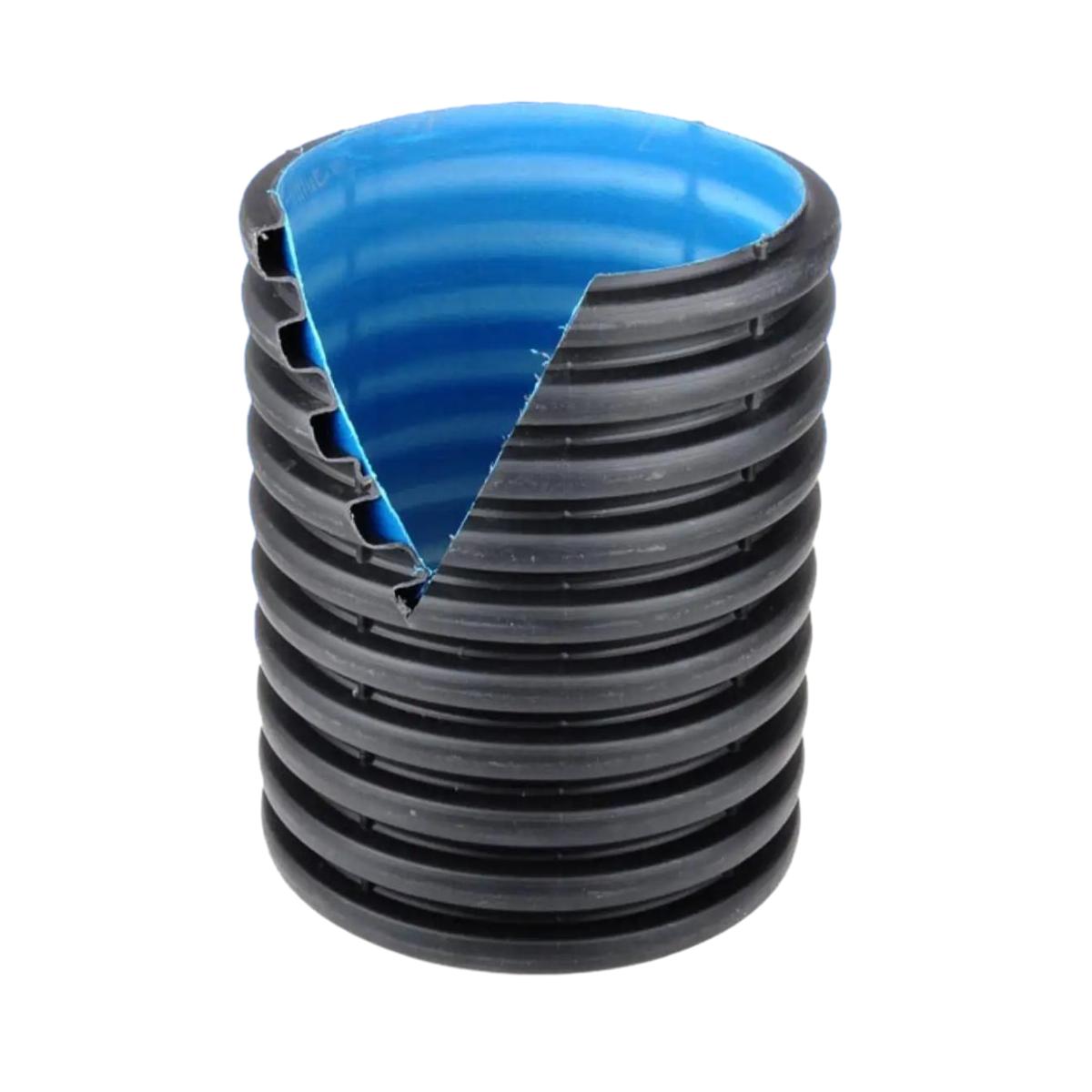
High-Density Polyethylene (HDPE) pipe, specifically in 12-inch diameter service, represents a critical component in a wide range of infrastructure applications, including water distribution, gas transmission, irrigation, and industrial process piping. Its position within the industry chain is as a finished or semi-finished product, fabricated from polyethylene resin through extrusion processes. This guide provides a comprehensive technical overview of 12-inch HDPE pipe service, focusing on material properties, manufacturing processes, performance characteristics, potential failure modes, and relevant industry standards. Core performance characteristics include robust chemical resistance, high flow capacity due to smooth inner walls, flexibility allowing for seismic resilience, and a long operational lifespan minimizing lifecycle costs. A key industry pain point is ensuring long-term joint integrity and preventing slow crack growth, particularly in demanding applications involving sustained pressure and harsh environmental conditions. This necessitates careful material selection, proper installation procedures, and diligent quality control throughout the pipeline's lifecycle.
Material Science & Manufacturing
12-inch HDPE pipe is primarily manufactured from high-density polyethylene resins, typically those conforming to PE3408, PE4710, or PE100 classifications. These resins are characterized by a high degree of linearity, resulting in strong intermolecular forces and superior mechanical properties compared to lower-density polyethylene. Raw material properties crucial for pipe performance include molecular weight distribution, melt flow index, and density. Manufacturing begins with the extrusion process, where polyethylene pellets are melted and forced through a circular die. Key parameters controlling extrusion quality include die temperature, screw speed, and haul-off speed. Cooling is critical to solidify the pipe’s structure and maintain dimensional accuracy. Post-extrusion, pipes undergo hydrostatic testing to verify pressure integrity. Buttweld jointing, electrofusion welding, and mechanical fittings are common methods of joining HDPE pipes. Buttweld welding requires precise temperature control and alignment to ensure a homogenous weld bead, minimizing stress concentrations. Electrofusion welding utilizes resistive heating to melt the pipe and fitting materials, creating a fusion joint. The quality of the weld is dependent on the voltage, current, and heating time applied. Chemical compatibility of the HDPE with transported fluids is also a vital consideration; while HDPE offers excellent resistance to many chemicals, prolonged exposure to oxidizing agents or certain hydrocarbons can lead to degradation. The presence of UV radiation degrades the polymer chains in the HDPE, requiring UV stabilization additives in the material formulation or protective coatings.
Performance & Engineering
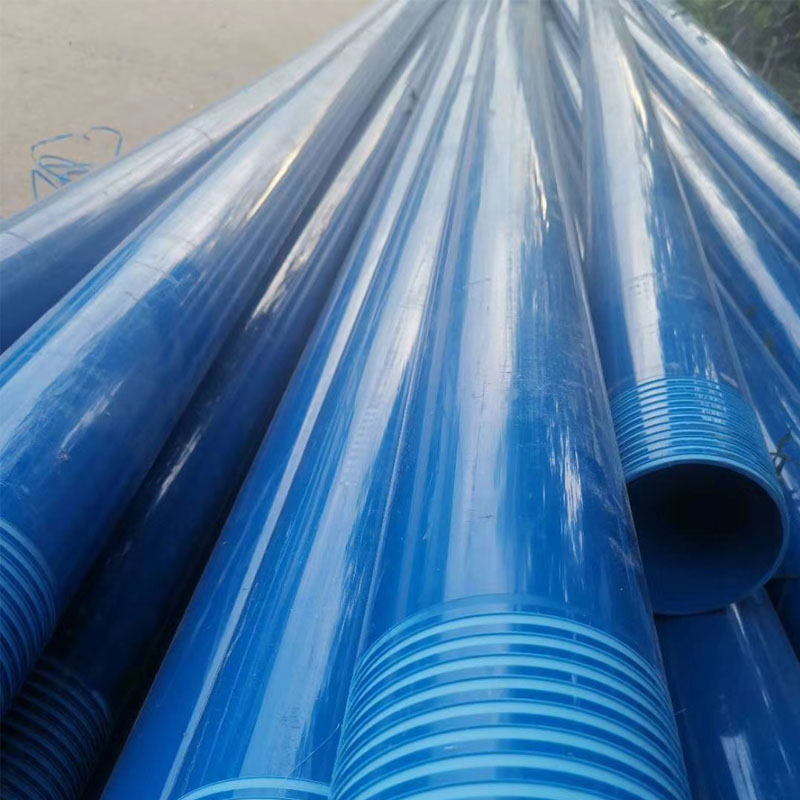
The performance of 12-inch HDPE pipe is governed by several engineering principles. Hydrostatic design stress (HDS) is a primary consideration, determined by factors such as pipe diameter, wall thickness, material’s minimum yield strength, and a design factor. Sustained pressure, surge pressures, and external loads (soil cover, traffic) impose stresses on the pipe wall. Finite Element Analysis (FEA) is commonly employed to model these stresses and optimize pipe design for specific applications. The flexibility of HDPE allows it to accommodate ground movement and seismic activity, reducing the risk of catastrophic failure. However, excessive bending radii can induce stress concentrations. Environmental resistance is critical, particularly in corrosive soils or marine environments. HDPE’s chemical inertness provides excellent protection against corrosion, but permeation of gases or liquids through the pipe wall must be considered, especially in gas transmission applications. Compliance requirements vary depending on the application and jurisdiction. Drinking water pipelines must meet NSF/ANSI 61 standards for leaching of contaminants. Gas transmission pipelines must comply with DOT regulations (in the US) and equivalent standards elsewhere. Installation procedures, including proper bedding and backfill compaction, significantly impact long-term performance. Insufficient support can lead to ovalation and stress cracking. The long-term creep resistance of HDPE is another critical factor, as the material can exhibit time-dependent deformation under sustained load. A full understanding of these engineering principles is essential for ensuring the reliable and safe operation of 12-inch HDPE pipe systems.
Technical Specifications
| Parameter | Unit | PE3408 | PE4710 |
|---|---|---|---|
| Nominal Pipe Size | inches | 12 | 12 |
| Standard Dimension Ratio (SDR) | - | 17 | 11 |
| Minimum Yield Strength | psi | 4000 | 4700 |
| Hydrostatic Design Stress (HDS) | psi | 1600 | 2000 |
| Density | g/cm³ | 0.941 - 0.965 | 0.953 - 0.965 |
| Melt Flow Index (MFI) | g/10min | 0.3 - 0.7 | 0.1-0.3 |
Failure Mode & Maintenance
12-inch HDPE pipe can experience several failure modes during its service life. Slow Crack Growth (SCG) is a significant concern, particularly in areas of stress concentration around fittings or defects. This occurs due to the combined effects of sustained stress, chemical exposure, and environmental factors. Rapid Crack Propagation (RCP) can result from SCG reaching a critical size, leading to catastrophic failure. Fatigue cracking can occur under cyclic loading, such as from traffic or pressure fluctuations. Joint failures are common, often resulting from improper welding procedures or material incompatibility. Oxidation and UV degradation can embrittle the pipe material, reducing its impact resistance and increasing the risk of cracking. Ground movement and settlement can induce bending stresses exceeding the pipe’s yield strength, causing deformation or rupture. Maintenance strategies include regular visual inspections for cracks, leaks, or deformation. Pressure testing can identify leaks and assess the integrity of the pipeline. Cathodic protection may be required in corrosive soil environments to prevent external corrosion of metallic components. Proper joint fusion procedures and quality control are essential during installation. Periodic surveys using non-destructive testing methods, such as ultrasonic testing, can detect subsurface defects. Prompt repair of any identified defects is crucial to prevent further degradation and potential failure. Implementing a robust data management system tracking installation details, inspection results, and repair history is highly recommended.
Industry FAQ
Q: What is the impact of soil corrosivity on the long-term performance of 12-inch HDPE pipe?
A: Soil corrosivity, particularly the presence of sulfates and chlorides, can accelerate degradation of surrounding metallic components (if any) and potentially impact the HDPE pipe itself through stress cracking if the pipe is under sustained tension. While HDPE is inherently corrosion-resistant, the surrounding soil environment can influence the pipe’s performance. Implementing appropriate corrosion protection measures, such as cathodic protection for any metallic components, and ensuring proper bedding material are crucial. A thorough soil analysis prior to installation is highly recommended.
Q: What are the critical considerations for butt fusion welding of 12-inch HDPE pipe to ensure joint integrity?
A: Critical considerations include precise alignment of the pipe ends, proper surface preparation (cleaning and removal of contaminants), accurate temperature control of the welding faces, and the application of adequate fusion pressure. Maintaining consistent welding parameters according to manufacturer recommendations is essential. Non-destructive testing (NDT), such as visual inspection and pull tests, should be performed to verify weld quality. Operator training and certification are paramount.
Q: How does temperature affect the performance of HDPE pipe, particularly during installation in cold climates?
A: HDPE becomes more brittle at lower temperatures, increasing the risk of cracking during installation. Pre-heating the pipe and fittings to a minimum temperature as specified by the manufacturer is crucial to ensure adequate weldability and impact resistance. Avoiding installation during extremely cold weather is recommended. Impact testing of the material at anticipated operating temperatures is also advisable.
Q: What is the recommended minimum burial depth for 12-inch HDPE pipe, and how does it relate to traffic loads?
A: Recommended minimum burial depth varies based on local regulations and anticipated traffic loads. Generally, a minimum of 36 inches of cover is recommended for areas subject to light traffic, while 48 inches or more is required for heavy traffic. Adequate bedding and backfill compaction are essential to distribute the load evenly and prevent stress concentrations on the pipe. Consideration should also be given to frost depth in colder climates.
Q: What are the implications of exceeding the hydrostatic design stress (HDS) during pressure testing or operation?
A: Exceeding the HDS can lead to immediate failure or accelerate long-term degradation through creep and crack initiation. Pressure testing should be conducted at a pressure not exceeding 1.5 times the HDS for a short duration. Operational pressures must always remain within the HDS limits. Any indication of leakage or deformation during pressure testing warrants immediate investigation and repair.
Conclusion
12-inch HDPE pipe service offers a robust and cost-effective solution for a diverse range of infrastructure applications, owing to its exceptional chemical resistance, durability, and flexibility. Understanding the fundamental material science, manufacturing processes, and engineering principles governing its performance is critical for ensuring long-term reliability. Careful consideration of factors such as hydrostatic design stress, soil corrosivity, welding procedures, and environmental conditions is essential throughout the pipeline’s lifecycle.
Continuous monitoring, preventative maintenance, and adherence to relevant industry standards are paramount for mitigating potential failure modes and maximizing the operational lifespan of 12-inch HDPE pipe systems. Future advancements in HDPE resin formulations and welding technologies are expected to further enhance the performance and sustainability of these critical infrastructure components.
-
DN25 HDPE Compression Fitting-HORON INTERNATIONAL|Reliable Irrigation Solutions
NewsFeb.11,2026
-
hdpe coupling joint product Manufacturing Analysis
News2026-11-18
-
ppr pipe heating time products Performance Analysis
News2026-11-16
-
hdpe pipe sizes factory Performance Analysis
News2026-11-09
-
HDPE Pipe Sizes Service Performance Analysis
News2026-10-26
-
wholesale 15mm ppr pipe Material Science and Performance Analysis
News2026-10-20
-
wholesale pvc pipe price per foot Technical Analysis
News2026-09-21
-
wholesale long pvc pipe Technical Analysis and Manufacturing Specifications
News2026-09-15
-
wholesale plumbing kitchen sink water lines Material Performance
News2026-09-15
-
wholesale hdpe drip irrigation Material Science
News2026-09-15
-
wholesale hot water ppr pipe Performance Analysis
News2026-09-15
-
wholesale ppr plumbing Performance Analysis
News2026-09-15
-
wholesale ppr pipe supplier Performance Analysis
News2026-09-13
-
wholesale 50mm ppr pipe Performance Analysis
News2026-09-13
-
wholesale hdpe drip pipe Performance Analysis
News2026-09-13
-
wholesale hdpe pipe 63mm price Manufacturing Specification and Performance Analysis
News2026-09-13