

Feb . 11, 2026 00:01 Back to list
12 hdpe pipe products Performance Analysis
Introduction
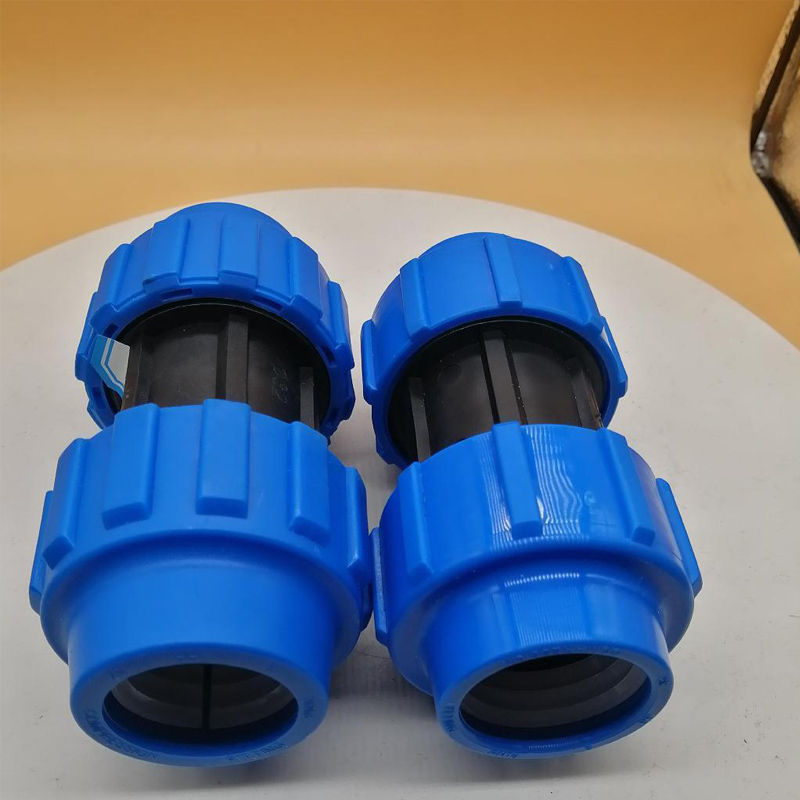
High-Density Polyethylene (HDPE) pipe, specifically in diameters up to 12 inches, represents a critical component in fluid and gas transmission across diverse industries including municipal water distribution, irrigation, oil and gas, and industrial processing. Positioned as a direct alternative to traditional materials like ductile iron, steel, and PVC, 12" HDPE pipe offers a unique combination of corrosion resistance, flexibility, and cost-effectiveness. This guide provides an in-depth technical overview of 12" HDPE pipe, encompassing material science, manufacturing processes, performance characteristics, potential failure modes, and relevant industry standards. Core performance attributes include its pressure-bearing capacity, resistance to chemical degradation, and ease of installation via methods such as butt fusion and electrofusion. Understanding these characteristics is paramount to selecting the appropriate pipe for specific applications and ensuring long-term operational reliability. A key pain point in the industry surrounds the correct selection of HDPE resin grade based on application stress and the long-term creep resistance required for maintaining structural integrity.
Material Science & Manufacturing
The foundation of 12” HDPE pipe lies in the properties of High-Density Polyethylene resin. Typically, resins such as HDPE PE3408, PE3608, or PE4710 are utilized, differing in their molecular weight distribution and density, directly impacting mechanical properties. Higher density equates to increased tensile strength and stiffness but may reduce impact resistance. Raw material quality control is crucial, verifying resin properties like melt flow index (MFI) and density to ensure conformity with ASTM D1248 and ISO 1133 standards. Manufacturing involves extrusion processes. HDPE granules are fed into a single or twin-screw extruder, melted, and forced through a circular die to form the pipe. Critical parameters include die temperature, screw speed, and haul-off speed which directly influence pipe dimensions and wall thickness uniformity. Cooling is achieved through water baths, maintaining consistent temperature to prevent warping. Subsequent hydrostatic testing, as per ASTM F2261, verifies pressure-bearing capabilities and identifies potential defects. Butt fusion and electrofusion are common joining techniques, requiring precise control of temperature and pressure to create homogenous, leak-proof joints. Proper surface preparation and adherence to welding parameters, detailed in DVS 2208, are essential for joint integrity. The crystallinity of the HDPE polymer impacts its long-term performance, with higher crystallinity generally providing increased resistance to creep and environmental stress cracking.

Performance & Engineering
The performance of 12” HDPE pipe is dictated by several key engineering considerations. Hoop stress, resulting from internal pressure, is a primary design factor, calculated using Barlow's formula modified for polyethylene's time-dependent behavior. Long-term creep resistance is a crucial aspect, requiring consideration of hydrostatic design basis (HDB) values as specified in ASTM D2837. These values account for the reduction in strength over time under sustained pressure. Burial depth and soil loading also impose external stresses on the pipe. Finite Element Analysis (FEA) is frequently employed to model stress distributions and optimize pipe wall thickness for specific installation scenarios. Environmental factors, including temperature fluctuations and UV exposure, impact material properties. While HDPE exhibits good UV resistance, prolonged exposure necessitates the use of carbon black additives or protective coatings. Chemical resistance is excellent for many substances, but compatibility must be verified for aggressive chemicals, referencing ASTM D6984. Sag and buckling are potential concerns in gravity-flow applications. Proper pipe support and bedding are essential to prevent deformation. The flexibility of HDPE allows for movement with ground settling or seismic activity, reducing the risk of joint failure. Compliance with relevant codes, such as AWWA standards for water distribution, is mandatory. Force analysis must account for surge pressures during pump start-up and shut-down, utilizing water hammer calculations to ensure pipe integrity.
Technical Specifications
| Parameter | Unit | PE3408 | PE3608 |
|---|---|---|---|
| Nominal Pipe Size | inches | 12 | 12 |
| Pressure Rating (PN) | psi | 100 | 160 |
| Standard Dimension Ratio (SDR) | - | 17 | 11 |
| Minimum Burst Pressure | psi | 2100 | 3200 |
| Density | g/cm³ | 0.941 | 0.953 |
| Melt Flow Index (MFI) | g/10 min | 0.5 | 0.3 |
Failure Mode & Maintenance
Several failure modes can affect 12” HDPE pipe. Slow Crack Growth (SCG), also known as Environmental Stress Cracking (ESC), occurs due to sustained tensile stress and exposure to aggressive chemicals. This is often initiated by surface imperfections or scratches. Long-term creep, as previously mentioned, leads to gradual deformation and potential loss of pressure-bearing capacity. Fatigue cracking can occur from cyclic loading, particularly in applications with frequent pressure fluctuations. Joint failures are common, often resulting from improper fusion techniques, inadequate surface preparation, or contamination during welding. Oxidation can degrade the polymer over time, particularly at elevated temperatures. Third-party damage during excavation is a significant concern. Maintenance strategies include regular visual inspections for cracks, deformities, and leaks. Cathodic protection is rarely required due to HDPE’s non-conductive nature, but should be considered if dissimilar metal fittings are used. Leak detection surveys using acoustic methods can identify hidden leaks. For repairs, saddle fusion or mechanical couplings are commonly employed. Preventative measures include proper bedding, backfill compaction, and adherence to safe excavation practices. Conducting hydrostatic testing periodically can verify the continued integrity of the pipeline. Proper storage of the pipe, shielding it from direct sunlight and extreme temperatures, is crucial to prevent premature degradation.
Industry FAQ
Q: What is the impact of long-term hydrostatic pressure on the operational lifespan of 12" HDPE pipe?
A: Long-term hydrostatic pressure induces creep in HDPE, leading to a gradual reduction in burst pressure over time. The Hydrostatic Design Basis (HDB) values, as defined in ASTM D2837, quantify this reduction. Selecting a pipe with a sufficient HDB value for the intended service life and operating pressure is critical. Higher PE grades (e.g., PE4710) exhibit superior creep resistance compared to lower grades (e.g., PE3408).
Q: How does temperature affect the performance of HDPE pipe, and what mitigation strategies are available?
A: Elevated temperatures decrease the tensile strength and increase the creep rate of HDPE. Conversely, low temperatures can increase brittleness. For high-temperature applications, using higher-density HDPE resins and de-rating the pressure rating is recommended. For low-temperature installations, impact modifiers can be incorporated into the resin. UV exposure can also lead to degradation; therefore, carbon black additives or protective coatings are necessary for exposed pipe sections.
Q: What are the critical considerations for joining 12" HDPE pipe using butt fusion?
A: Proper surface preparation is paramount, ensuring clean and dry pipe ends free from contamination. Adherence to strict welding parameters (temperature, pressure, and dwell time) as outlined in DVS 2208 is essential. Using properly calibrated fusion equipment and trained personnel is crucial. Post-weld inspection, including visual examination and pressure testing, must be conducted to verify joint integrity.
Q: What are the common causes of Slow Crack Growth (SCG) in HDPE pipe, and how can it be prevented?
A: SCG is initiated by sustained tensile stress in the presence of aggressive chemicals. Common causes include internal pressure, external loads, and exposure to certain cleaning agents or solvents. Prevention involves selecting HDPE resins with high Environmental Stress Crack Resistance (ESCR), minimizing stress concentrations, avoiding contact with incompatible chemicals, and providing adequate support to prevent pipe bending.
Q: What are the best practices for bedding and backfill to ensure the long-term performance of buried 12" HDPE pipe?
A: Proper bedding and backfill provide support and protection against external loads. A granular bedding material, such as sand or gravel, should be used to conform to the pipe's shape and distribute loads evenly. Backfill material should be non-aggressive and free from sharp objects. Compaction should be performed in layers to avoid overstressing the pipe. Minimum cover depth requirements should be adhered to, based on soil conditions and anticipated traffic loads.
Conclusion
12” HDPE pipe represents a durable and versatile solution for various fluid and gas transmission applications. Its inherent corrosion resistance, flexibility, and relative ease of installation offer significant advantages over traditional materials. However, successful implementation hinges on a thorough understanding of the material's properties, manufacturing processes, and potential failure modes. Careful consideration of hydrostatic design basis, environmental factors, and proper joining techniques are critical to ensuring long-term operational reliability.
Future developments in HDPE technology may include the introduction of new resin formulations with enhanced creep resistance and improved mechanical properties. Further research into non-destructive testing methods for detecting SCG and other defects will also enhance the integrity of HDPE pipeline systems. Ongoing adherence to industry standards and best practices remains paramount for maximizing the lifespan and performance of 12” HDPE pipe installations.
-
DN25 HDPE Compression Fitting-HORON INTERNATIONAL|Reliable Irrigation Solutions
NewsFeb.11,2026
-
hdpe coupling joint product Manufacturing Analysis
News2026-11-18
-
ppr pipe heating time products Performance Analysis
News2026-11-16
-
hdpe pipe sizes factory Performance Analysis
News2026-11-09
-
HDPE Pipe Sizes Service Performance Analysis
News2026-10-26
-
wholesale 15mm ppr pipe Material Science and Performance Analysis
News2026-10-20
-
wholesale pvc pipe price per foot Technical Analysis
News2026-09-21
-
wholesale long pvc pipe Technical Analysis and Manufacturing Specifications
News2026-09-15
-
wholesale plumbing kitchen sink water lines Material Performance
News2026-09-15
-
wholesale hdpe drip irrigation Material Science
News2026-09-15
-
wholesale hot water ppr pipe Performance Analysis
News2026-09-15
-
wholesale ppr plumbing Performance Analysis
News2026-09-15
-
wholesale ppr pipe supplier Performance Analysis
News2026-09-13
-
wholesale 50mm ppr pipe Performance Analysis
News2026-09-13
-
wholesale hdpe drip pipe Performance Analysis
News2026-09-13
-
wholesale hdpe pipe 63mm price Manufacturing Specification and Performance Analysis
News2026-09-13