

Feb . 11, 2026 00:01 Back to list
12 hdpe pipe factories Performance and Engineering

Introduction
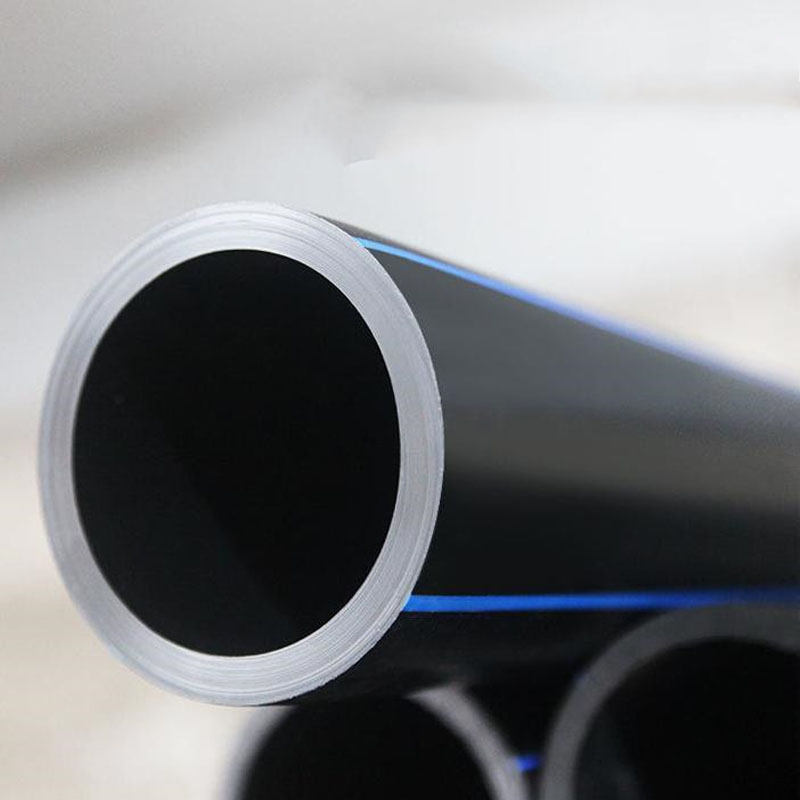
High-Density Polyethylene (HDPE) pipe represents a crucial component within modern fluid transfer infrastructure, finding extensive application across sectors including municipal water distribution, irrigation, oil and gas, and industrial processing. The prevalence of 12 HDPE pipe factories signifies a robust and competitive market driven by escalating demand for durable, corrosion-resistant, and cost-effective piping solutions. HDPE’s position in the industry chain is pivotal, serving as a direct replacement for traditional materials like ductile iron, steel, and concrete, offering superior long-term performance and reduced life-cycle costs. Core performance characteristics center around its tensile strength, flexibility allowing for seismic resilience and reduced joint failures, and chemical inertness. Understanding the intricacies of HDPE pipe manufacturing, material properties, and performance parameters is paramount for engineers, procurement managers, and operators seeking optimized system design and longevity. This guide provides an in-depth technical analysis of HDPE pipes, focusing on critical aspects relevant to the operations of 12 HDPE pipe factories and their clientele.
Material Science & Manufacturing
HDPE pipes are manufactured from polyethylene resins, typically grades specifically formulated for pressure pipe applications. The raw material’s key properties include density (typically between 0.93 and 0.97 g/cm³), molecular weight distribution, and melt flow index (MFI). Higher densities generally correlate with improved strength and stiffness. Polymerization processes, such as Ziegler-Natta or metallocene catalysis, influence the resin’s morphology and resulting pipe characteristics. Manufacturing primarily utilizes extrusion processes, categorized into mechanical and electrofusion welding methods.
Extrusion Process: HDPE resin is fed into an extruder, melted, and forced through a die to create a continuous pipe. Critical parameters include melt temperature (typically 190-210°C), die pressure, and cooling rate. Precise temperature control is vital to prevent degradation and ensure uniform pipe dimensions. The extrusion process also necessitates stringent quality control measures relating to resin homogeneity and potential contamination.
Butt Fusion Welding: Widely employed for joining HDPE pipes, butt fusion involves heating the pipe ends and the fitting simultaneously to a controlled temperature (typically 130-140°C), then pressing them together under precise pressure and cooling. Key parameters include heating time, heating temperature, fusion pressure, and cooling time. Improper welding can lead to weak joints prone to failure.
Electrofusion Welding: This method uses electrical resistance heating at the pipe-fitting interface. It is commonly used for smaller diameter pipes and complex fittings. Control of voltage, current, and heating time are critical for weld integrity. Compatibility between the pipe material and fitting must be verified.
Parameter Control: Maintaining consistent material properties and process parameters is essential for producing high-quality HDPE pipes. This involves regular testing of raw materials, in-process monitoring of extrusion parameters, and rigorous quality control of finished products, including hydrostatic pressure testing to verify burst pressure resistance.
Performance & Engineering
HDPE pipe’s performance is intrinsically linked to its mechanical and hydraulic properties. Tensile Strength and Yield Strength are crucial for withstanding internal pressure and external loads. These parameters vary with HDPE grade (PE32, PE40, PE63, PE80, PE100). PE100 offers the highest strength and is typically preferred for demanding applications. Creep Resistance, the tendency of the material to deform under sustained load, is also a critical factor, particularly in applications involving continuous pressure. Soderberg Equation and similar formulas are utilized in engineering calculations to determine allowable stress levels based on material properties, temperature, and design life.
Environmental Stress Cracking (ESC) is a significant failure mode induced by the combined effect of stress and chemical exposure. Selecting compatible materials for seals and gaskets is crucial to mitigate ESC risk. Water Hammer, the pressure surge caused by sudden changes in flow velocity, can also induce stress on the pipe. Proper surge protection devices, such as air valves and surge suppressors, must be incorporated into the system design.
Buried Pipe Design: Consideration must be given to external loads from soil, traffic, and hydrostatic pressure. HDPE’s flexibility allows for some degree of ground movement without causing pipe failure, but proper bedding and backfill procedures are essential to ensure uniform support and prevent stress concentrations. Compliance with industry standards such as AWWA M55 dictates best practices for buried pipe installation. Long-Term Hydrostatic Strength (LTHS) is a critical parameter used to estimate the pipe's ability to withstand sustained internal pressure over its design life; determined by performing hydrostatic pressure testing at elevated temperatures to accelerate aging.
Technical Specifications
| Parameter | PE63 | PE80 | PE100 | Units |
|---|---|---|---|---|
| Minimum Required Strength (MRS) | 6.3 | 8.0 | 10.0 | MPa |
| Hydrostatic Design Stress (HDS) | 4.0 | 5.0 | 6.3 | MPa |
| Density | 0.941 - 0.959 | 0.941 - 0.965 | 0.965 - 0.983 | g/cm³ |
| Tensile Strength at Yield | 28 | 35.5 | 44 | MPa |
| Elongation at Break | >300 | >300 | >350 | % |
| Operating Temperature Range | -40 to +60 | -40 to +60 | -40 to +60 | °C |
Failure Mode & Maintenance
HDPE pipe, while highly durable, is susceptible to several failure modes. Slow Crack Growth (SCG) is a prevalent issue, initiated by stress concentrations around imperfections or damage and exacerbated by exposure to aggressive chemicals. Regular visual inspections are crucial to identify potential SCG initiation points. Third-Party Damage from excavation or construction activities is a common cause of failure. Utilizing protective sleeves and proper marking of underground pipelines can mitigate this risk. Joint Failures, particularly in butt-fusion welded joints, can occur due to inadequate welding parameters or contamination during the welding process. Non-destructive testing (NDT) methods, such as ultrasonic testing, can be used to evaluate weld integrity.
Oxidation can occur over prolonged exposure to ultraviolet (UV) radiation, degrading the pipe material. Utilizing UV-stabilized HDPE compounds and/or protective coatings is essential for above-ground applications. Fatigue Cracking can occur in pipelines subjected to cyclic pressure fluctuations. Proper system design and surge protection are essential.
Maintenance Recommendations: Periodic visual inspections should be conducted to identify signs of damage or degradation. Hydrostatic testing can be performed to assess the pipe’s pressure-bearing capacity. Leak detection surveys should be implemented to identify and repair any leaks promptly. Regular cleaning of pipelines can prevent buildup of sediment or debris, which can contribute to corrosion or blockage. For 12 HDPE pipe factories, implementing stringent quality control measures throughout the manufacturing process and providing comprehensive training to installation crews are crucial for minimizing field failures.
Industry FAQ
Q: What is the impact of different HDPE resin grades (PE63, PE80, PE100) on the long-term performance of a pipeline?
A: The HDPE resin grade directly influences the pipeline’s long-term hydrostatic strength (LTHS) and creep resistance. Higher grades like PE100 offer superior strength and resistance to creep, enabling higher operating pressures and extended service life. While PE63 may suffice for low-pressure applications, PE80 and PE100 are generally recommended for demanding scenarios, especially where long-term reliability is critical.
Q: How does temperature affect the performance of HDPE pipes, and what considerations should be made during installation in extreme climates?
A: HDPE pipe’s mechanical properties, particularly its strength and flexibility, are temperature-dependent. Elevated temperatures can reduce the pipe’s stiffness and increase its susceptibility to creep. Cold temperatures can increase brittleness. During installation in extreme climates, derating factors must be applied to the allowable stress levels, and appropriate backfill materials and insulation may be required to mitigate temperature-induced stress.
Q: What are the best practices for ensuring the integrity of butt-fusion welded joints in HDPE pipelines?
A: Ensuring weld integrity requires strict adherence to established welding procedures. This includes proper surface preparation, precise temperature and pressure control, and the use of appropriate fusion equipment. Regular inspection of welded joints using non-destructive testing methods (e.g., ultrasonic testing) is essential to identify and repair any defects. Qualified and certified welding operators are crucial for achieving consistently high-quality welds.
Q: How can environmental stress cracking (ESC) be prevented in HDPE pipelines exposed to aggressive chemicals?
A: ESC can be prevented by selecting HDPE compounds that are resistant to the specific chemicals present in the environment. Avoiding stress concentrations around fittings and joints is also crucial. Using compatible gaskets and seals that do not leach chemicals that can accelerate ESC is vital. Protective coatings can also provide a barrier against chemical exposure.
Q: What role do standards like ASTM F714 and ISO 4427 play in ensuring the quality and performance of HDPE pipe systems?
A: ASTM F714 and ISO 4427 are widely recognized standards that specify the requirements for HDPE pipe materials, manufacturing processes, and performance testing. Compliance with these standards ensures that the pipe system meets minimum quality and performance criteria, providing confidence in its long-term reliability and safety. Adherence to these standards is often mandated by regulatory authorities and industry best practices.
Conclusion
The comprehensive analysis presented underscores the critical role of HDPE pipe within contemporary infrastructure. Its inherent advantages – corrosion resistance, flexibility, and cost-effectiveness – position it as a superior alternative to traditional piping materials. However, realizing these benefits requires a thorough understanding of material science, manufacturing processes, and potential failure modes. Effective design, installation, and maintenance practices, guided by relevant industry standards, are paramount to ensuring the long-term reliability and performance of HDPE pipe systems.
For the 12 HDPE pipe factories operating in this dynamic market, continuous investment in quality control, process optimization, and employee training is essential for maintaining competitiveness and delivering high-performance products. Furthermore, a proactive approach to research and development, exploring innovative HDPE compounds and welding techniques, will be critical for addressing emerging challenges and capitalizing on future opportunities within the evolving landscape of fluid transfer technology.
-
DN25 HDPE Compression Fitting-HORON INTERNATIONAL|Reliable Irrigation Solutions
NewsFeb.11,2026
-
hdpe coupling joint product Manufacturing Analysis
News2026-11-18
-
ppr pipe heating time products Performance Analysis
News2026-11-16
-
hdpe pipe sizes factory Performance Analysis
News2026-11-09
-
HDPE Pipe Sizes Service Performance Analysis
News2026-10-26
-
wholesale 15mm ppr pipe Material Science and Performance Analysis
News2026-10-20
-
wholesale pvc pipe price per foot Technical Analysis
News2026-09-21
-
wholesale long pvc pipe Technical Analysis and Manufacturing Specifications
News2026-09-15
-
wholesale plumbing kitchen sink water lines Material Performance
News2026-09-15
-
wholesale hdpe drip irrigation Material Science
News2026-09-15
-
wholesale hot water ppr pipe Performance Analysis
News2026-09-15
-
wholesale ppr plumbing Performance Analysis
News2026-09-15
-
wholesale ppr pipe supplier Performance Analysis
News2026-09-13
-
wholesale 50mm ppr pipe Performance Analysis
News2026-09-13
-
wholesale hdpe drip pipe Performance Analysis
News2026-09-13
-
wholesale hdpe pipe 63mm price Manufacturing Specification and Performance Analysis
News2026-09-13