

Feb . 11, 2026 00:01 Back to list
1 2 ppr pipe product Manufacturing Analysis

Introduction
Polypropylene Random (PPR) pipe, specifically the 1/2 inch (DN15) variant, represents a significant advancement in fluid conveyance systems. Positioned as a direct replacement for traditional metal piping in non-pressure and low-pressure applications, PPR’s prevalence stems from its inherent corrosion resistance, ease of installation, and cost-effectiveness. This technical guide provides an in-depth analysis of 1/2 PPR pipe, encompassing its material science, manufacturing processes, performance characteristics, potential failure modes, and relevant industry standards. Its core performance is centered around reliable, long-term fluid transport for potable water, industrial fluids, and heating systems, requiring minimal maintenance and offering substantial lifecycle cost savings. A key pain point addressed by PPR is the susceptibility of metallic pipes to corrosion, scaling, and subsequent contamination of transported fluids. Furthermore, the thermal expansion properties of PPR must be understood to prevent stress cracking and ensure system integrity.
Material Science & Manufacturing
The foundation of 1/2 PPR pipe lies in polypropylene random copolymer. Polypropylene homopolymer, while possessing good rigidity, exhibits insufficient impact resistance at lower temperatures. Random copolymerization introduces ethylenepropylene units along the polymer chain, disrupting the crystallinity and enhancing impact strength, particularly in colder environments. Raw material selection prioritizes grades with a Melt Flow Rate (MFR) specifically tailored for extrusion, typically ranging from 3.5 to 7.0 g/10min (measured according to ISO 1133). This parameter dictates the material’s viscosity during processing and impacts the final pipe dimensions and surface finish.
Manufacturing typically involves extrusion. Polypropylene granules are fed into a single or twin-screw extruder, heated to temperatures between 190°C and 240°C, and then forced through a circular die. Critical parameters include die temperature, screw speed, and cooling rate. Maintaining a consistent die temperature (±2°C) is paramount to ensure uniform wall thickness and prevent ovality. Cooling is typically achieved through water jackets surrounding the die, rapidly solidifying the extruded pipe. Subsequent sizing and cutting operations produce pipes to the desired length. Hydrostatic testing, conducted under pressures exceeding operational requirements (typically 1.5 times the rated pressure), verifies the pipe's structural integrity and absence of defects. The annealing process, sometimes employed, relieves internal stresses generated during cooling, further improving long-term performance. Chemical compatibility is crucial, ensuring the PPR compound doesn't leach harmful substances into the transported fluid and remains resistant to the fluid’s chemical composition.
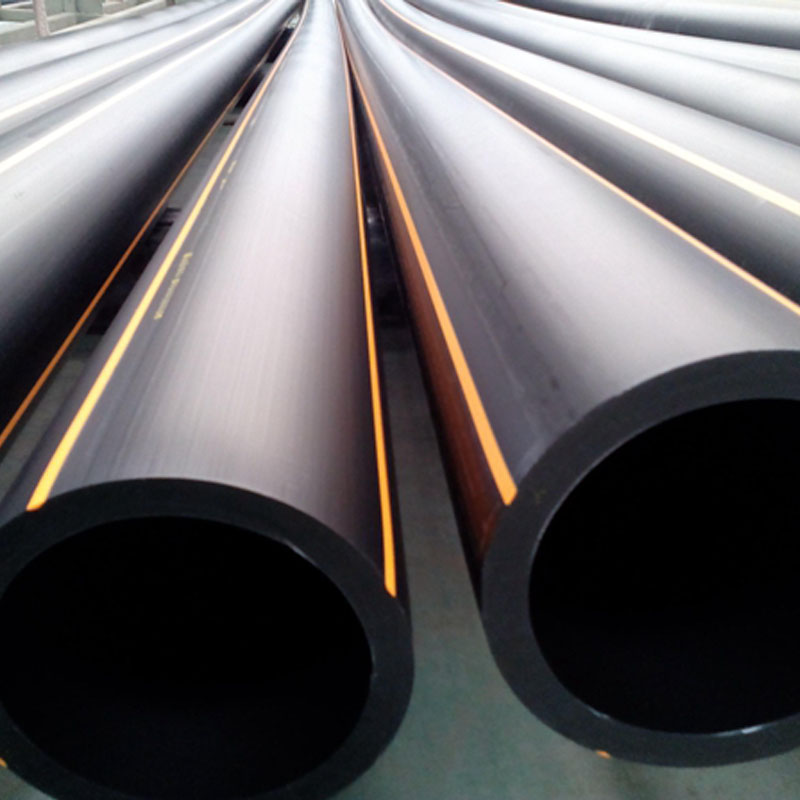
Performance & Engineering
The performance of 1/2 PPR pipe is governed by several key engineering considerations. Hydrostatic pressure resistance, typically rated at PN16 (1.6 MPa or 232 psi) and PN20 (2.0 MPa or 290 psi), dictates the maximum operating pressure. This is determined through burst pressure testing as per ISO 1167. Thermal expansion is a critical factor. PPR exhibits a significantly higher coefficient of thermal expansion (approximately 0.15 mm/m°C) than metal pipes. Failure to accommodate this expansion and contraction through expansion loops or flexible connectors can induce substantial stress on the pipe and fittings, leading to cracking or joint failure.
Force analysis reveals that bending stresses are concentrated at the pipe’s outer radius during installation and operation. Minimum bending radii, typically five times the outer diameter, are specified to prevent kinking and maintain flow characteristics. The pipe’s resistance to ground settlement and external loads must also be considered, particularly in buried applications. Chemical resistance is excellent to a broad range of common fluids, including potable water, diluted acids, and alkalis, but prolonged exposure to strong oxidizing agents should be avoided. Compliance with drinking water regulations (e.g., NSF/ANSI 61 in the US, WRAS in the UK) is mandatory for potable water applications, ensuring the absence of harmful leachates. Fatigue resistance is also an important consideration in pulsating flow applications.
Technical Specifications
| Parameter | Value (Typical) | Test Standard | Units |
|---|---|---|---|
| Nominal Diameter | 1/2 inch (DN15) | ISO 4427 | - |
| Outside Diameter | 21.5 | ISO 4427 | mm |
| Wall Thickness | 2.3 | ISO 4427 | mm |
| Pressure Rating | PN16 / PN20 | ISO 1167 | MPa |
| Burst Pressure | 48 / 60 | ISO 1167 | MPa |
| Melt Flow Rate (MFR) | 3.5 – 7.0 | ISO 1133 | g/10min |
| Coefficient of Linear Thermal Expansion | 0.15 | ASTM E228 | mm/m°C |
Failure Mode & Maintenance
Common failure modes in 1/2 PPR pipe include slow crack growth (SCG), caused by sustained tensile stress in the presence of aggressive chemicals (e.g., chlorine in treated water), particularly at elevated temperatures. This is exacerbated by improper installation, such as excessive bending radius or insufficient support. Thermal fatigue cracking can occur due to repeated expansion and contraction cycles, especially in applications without adequate expansion loops. Joint failure is often attributable to improper fusion welding – insufficient heating, inadequate pressure, or contamination during the welding process. Oxidation, though less common than with other polymers, can occur at very high temperatures (above 80°C) over extended periods, leading to embrittlement.
Preventive maintenance focuses on inspecting joints for leaks or cracks, ensuring adequate support to prevent bending stress, and verifying the absence of aggressive chemicals in the transported fluid. Regular visual inspections, particularly at joints, are crucial. Should SCG be suspected, a thorough chemical analysis of the fluid is recommended. In the event of a leak, the affected section should be replaced using proper fusion welding techniques. Avoid mechanical fasteners that can induce stress concentrations. Correct installation practices are paramount; this includes using appropriate tools, following manufacturer’s guidelines for welding parameters, and providing adequate expansion loops. Periodically check the pressure relief valves and ensure their proper functioning.
Industry FAQ
Q: What is the long-term effect of chlorine on PPR pipe intended for potable water?
A: Prolonged exposure to high concentrations of chlorine can induce slow crack growth (SCG) in PPR, particularly at elevated temperatures and under sustained stress. While PPR exhibits good chemical resistance, the presence of chlorine, especially in combination with UV exposure, can accelerate degradation. Using stabilized PPR formulations and maintaining chlorine levels within recommended limits (typically below 2 ppm) can mitigate this risk.
Q: How does temperature affect the pressure rating of a 1/2 PPR pipe?
A: The pressure rating of PPR pipe is temperature-dependent. As temperature increases, the pipe's tensile strength and creep resistance decrease, effectively lowering its pressure-bearing capacity. Pressure derating factors, as specified by the manufacturer (often based on ISO 1167), must be applied when operating at temperatures above 20°C. Hot water applications necessitate careful consideration of temperature and pressure to avoid exceeding the pipe’s safe operating limits.
Q: What are the recommended installation practices to minimize stress on PPR pipe joints?
A: Proper installation is critical. Ensure that pipes are adequately supported to prevent bending stress. Use appropriately sized expansion loops or flexible connectors to accommodate thermal expansion and contraction. Avoid over-tightening fittings. Employ only qualified and certified welders for fusion welding, following manufacturer's specified parameters (temperature, pressure, dwell time). Avoid sharp bends; maintain a minimum bending radius of five times the outer diameter.
Q: What is the difference between PN16 and PN20 PPR pipe, and when should each be used?
A: PN16 and PN20 denote the nominal pressure rating of the pipe in megapascals. PN20 pipe has a thicker wall thickness and can withstand higher operating pressures (2.0 MPa vs. 1.6 MPa). PN16 is typically suitable for residential potable water systems, while PN20 is preferred for industrial applications, higher-pressure hot water systems, or installations where increased safety margins are required.
Q: Can PPR pipe be used for outdoor applications, and if so, what precautions should be taken?
A: PPR pipe can be used outdoors, but it is susceptible to UV degradation. Direct sunlight exposure can cause the pipe to become brittle and lose its impact resistance. It is crucial to protect outdoor PPR pipe from UV radiation by using UV-stabilized formulations, painting the pipe with a UV-resistant coating, or burying it underground. Thermal expansion and contraction effects are also more pronounced in outdoor applications, requiring careful consideration of expansion joint placement.
Conclusion
1/2 PPR pipe offers a compelling alternative to traditional metal piping systems in a wide range of applications. Its inherent corrosion resistance, ease of installation, and cost-effectiveness make it a preferred choice for potable water, heating, and industrial fluid transport. However, understanding its material properties, particularly its thermal expansion characteristics and susceptibility to SCG, is critical for ensuring long-term system reliability. Adherence to proper installation practices, coupled with appropriate maintenance procedures, maximizes the lifespan and performance of PPR piping systems.
Future advancements in PPR technology are likely to focus on enhancing UV resistance, developing new copolymer formulations with improved chemical resistance, and incorporating smart sensing capabilities for leak detection and predictive maintenance. The ongoing standardization efforts, particularly regarding chlorine resistance testing, will further enhance the confidence and adoption of PPR pipe in demanding applications. Ultimately, a technically informed approach to material selection, installation, and operation is paramount to unlocking the full potential of this versatile piping material.
-
DN25 HDPE Compression Fitting-HORON INTERNATIONAL|Reliable Irrigation Solutions
NewsFeb.11,2026
-
hdpe coupling joint product Manufacturing Analysis
News2026-11-18
-
ppr pipe heating time products Performance Analysis
News2026-11-16
-
hdpe pipe sizes factory Performance Analysis
News2026-11-09
-
HDPE Pipe Sizes Service Performance Analysis
News2026-10-26
-
wholesale 15mm ppr pipe Material Science and Performance Analysis
News2026-10-20
-
wholesale pvc pipe price per foot Technical Analysis
News2026-09-21
-
wholesale long pvc pipe Technical Analysis and Manufacturing Specifications
News2026-09-15
-
wholesale plumbing kitchen sink water lines Material Performance
News2026-09-15
-
wholesale hdpe drip irrigation Material Science
News2026-09-15
-
wholesale hot water ppr pipe Performance Analysis
News2026-09-15
-
wholesale ppr plumbing Performance Analysis
News2026-09-15
-
wholesale ppr pipe supplier Performance Analysis
News2026-09-13
-
wholesale 50mm ppr pipe Performance Analysis
News2026-09-13
-
wholesale hdpe drip pipe Performance Analysis
News2026-09-13
-
wholesale hdpe pipe 63mm price Manufacturing Specification and Performance Analysis
News2026-09-13