

Feb . 11, 2026 00:01 Back to list
1 2 ppr pipe manufacturers Performance Analysis
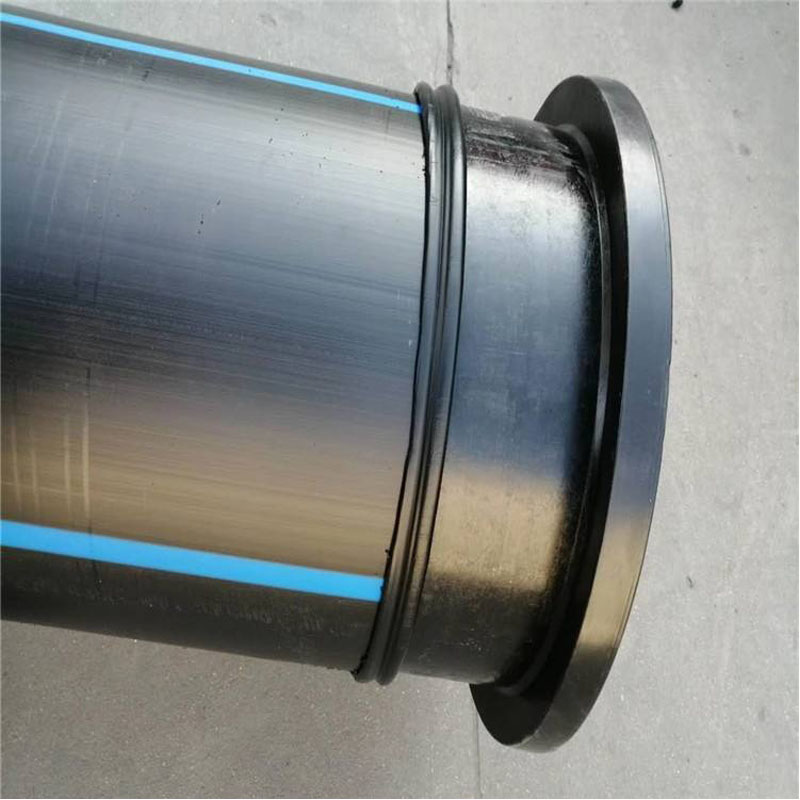
Introduction
Polypropylene Random Copolymer (PPR) pipe, specifically those manufactured to dimensions of 1/2 inch (12mm), represent a significant advancement in fluid conveyance systems. These pipes occupy a critical position within the broader building materials industry, serving primarily in potable water supply, heating systems (including underfloor heating), and industrial applications requiring chemical resistance. Their increasing adoption is driven by factors such as corrosion resistance, thermal stability, ease of installation via heat fusion welding, and competitive cost. PPR pipe systems offer a durable, long-lasting alternative to traditional metallic piping, particularly in environments prone to corrosion. Key performance characteristics include pressure rating (PN), operating temperature range, and adherence to stringent quality control standards. The industry faces challenges related to consistent material quality, installation competency impacting long-term joint integrity, and the potential for degradation under prolonged UV exposure. This guide provides an in-depth technical analysis of 1/2 PPR pipe manufacturing, properties, performance, and lifecycle management.
Material Science & Manufacturing
PPR pipes are fabricated from polypropylene random copolymer, a thermoplastic polymer produced through the polymerization of propylene monomer. The 'random' designation indicates a non-stereospecific polymerization process resulting in a material with amorphous regions, contributing to enhanced impact resistance and flexibility. The raw material typically comprises homopolymer polypropylene and a comonomer, usually ethylene, in varying proportions to tailor the material's properties. Manufacturing typically involves extrusion. Granules of PPR resin are fed into an extruder, where they are heated and melted. The molten polymer is then forced through a die, forming a continuous pipe. Key parameters during extrusion include melt temperature (typically 200-260°C), extrusion speed, and die geometry. Precise control of these parameters is crucial for maintaining consistent wall thickness, diameter, and surface quality. Subsequent cooling is typically achieved via water baths, followed by dimensional stabilization and cutting to specified lengths. Heat fusion welding – socket fusion, butt fusion, and electrofusion – are common joining methods. Quality control encompasses rigorous testing of raw materials (melt flow index, density, purity), and finished products (hydrostatic pressure testing, impact resistance testing, and dimensional accuracy). The molecular weight distribution of the polypropylene resin significantly influences the pipe's long-term creep resistance and mechanical strength.
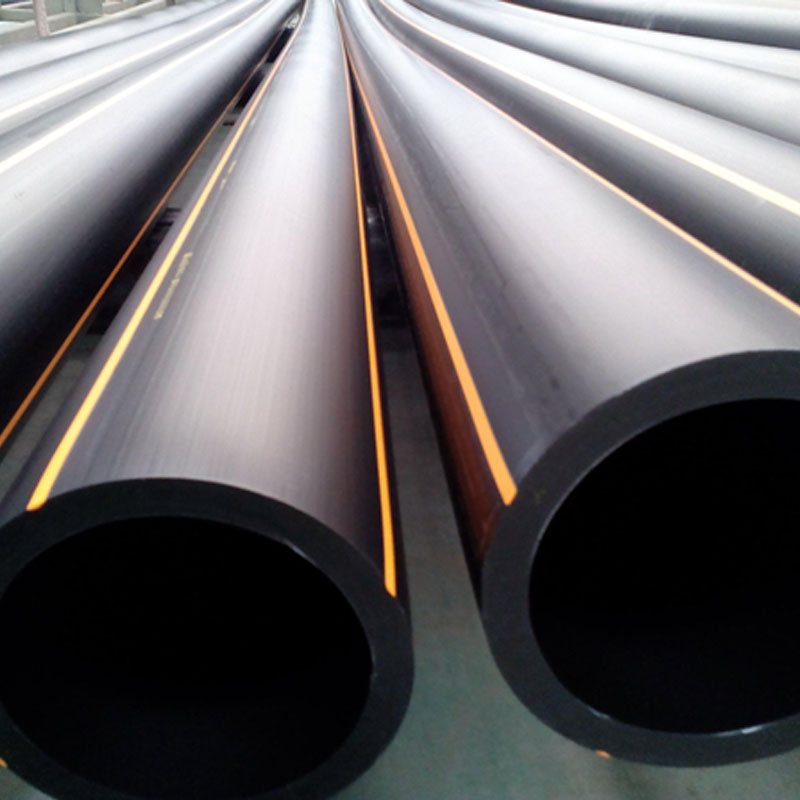
Performance & Engineering
The performance of 1/2 PPR pipe is governed by several engineering principles. Hydrostatic pressure rating (PN10, PN16, PN20, PN25 – representing maximum operating pressure in bars) is a critical design consideration. This rating is determined through rigorous testing according to international standards (see section 7). Stress analysis, particularly hoop stress, is essential to ensure the pipe can withstand internal pressure without failure. Thermal expansion and contraction are significant factors in system design. PPR has a relatively high coefficient of thermal expansion (approximately 0.15 mm/m°C), necessitating the incorporation of expansion loops or flexible connections to accommodate temperature fluctuations. Creep, the time-dependent deformation under sustained load, is another crucial consideration, especially for hot water applications. Long-term creep can lead to dimensional changes and potential joint failures. Chemical resistance is a major advantage of PPR, exhibiting good resistance to a wide range of chemicals, including acids, bases, and salts, but susceptible to attack by strong oxidizing agents and certain organic solvents. UV degradation is a concern for exposed applications; the addition of UV stabilizers to the PPR compound is critical for outdoor use. Furthermore, the impact resistance, measured via Charpy or Izod impact tests, must meet required industry standards to withstand handling and potential external forces during installation and operation.
Technical Specifications
| Parameter | PN10 (Typical Value) | PN16 (Typical Value) | PN20 (Typical Value) | Material Standard |
|---|---|---|---|---|
| Nominal Diameter (mm) | 12 | 12 | 12 | ISO 15876 |
| Wall Thickness (mm) | 2.3 | 2.8 | 3.2 | DIN 8077/8078 |
| Hydrostatic Pressure (bar) | 1.0 MPa | 1.6 MPa | 2.0 MPa | ASTM D2837 |
| Operating Temperature (°C) | -20 to +95 | -20 to +95 | -20 to +95 | EN ISO 15876-1 |
| Melt Flow Index (g/10min) | 1.0 - 2.5 | 1.0 - 2.5 | 1.0 - 2.5 | ISO 1133 |
| Tensile Strength (MPa) | 20 - 25 | 22 - 27 | 24 - 29 | ISO 527-2 |
Failure Mode & Maintenance
Common failure modes in 1/2 PPR pipe systems include joint failures due to improper heat fusion welding (insufficient heating, incorrect pressure, or contamination), cracking due to excessive stress or thermal shock, and long-term creep leading to dimensional instability. Oxidation of the PPR material can occur at elevated temperatures over extended periods, reducing its mechanical properties. UV degradation causes embrittlement and surface cracking in exposed pipes. Water hammer, sudden pressure surges in the system, can also induce stress cracks, especially at joints. Scale buildup within the pipe can reduce flow capacity and contribute to corrosion, although PPR itself is corrosion resistant. Maintenance involves periodic visual inspections for leaks, cracks, or signs of UV degradation. Proper installation is paramount to prevent joint failures. Flushing the system regularly can minimize scale buildup. For outdoor applications, using UV-stabilized PPR pipes or providing physical shielding is essential. If cracking is detected, the affected section of pipe should be replaced immediately. The use of appropriate heat fusion welding equipment and adherence to manufacturer's instructions are crucial for maintaining system integrity. Preventative maintenance programs should include pressure testing and inspection of welds.
Industry FAQ
Q: What is the impact of water quality on the lifespan of a PPR pipe system?
A: Water quality significantly impacts lifespan. Highly acidic or alkaline water can accelerate degradation, particularly at joints. The presence of chlorine or other oxidizing agents can also contribute to material breakdown over time. Utilizing water filtration or conditioning systems can mitigate these effects and extend the pipe’s service life.
Q: How does the choice of heat fusion welding method affect joint strength?
A: The welding method (socket fusion, butt fusion, electrofusion) impacts joint strength. Electrofusion generally produces the strongest, most reliable joints due to precise control of heating and pressure. Socket and butt fusion require skilled operators and adherence to strict procedures to achieve comparable results. Improper welding can lead to weak joints prone to failure.
Q: What are the considerations for installing PPR pipe in seismic zones?
A: In seismic zones, flexible connections and anchoring systems are critical to accommodate ground movement. PPR's inherent flexibility provides some resistance, but additional measures are needed to prevent stress cracking and joint failures. Properly designed expansion loops and restraints are essential.
Q: Can PPR pipe be used for compressed air systems?
A: Generally, PPR pipe is not recommended for compressed air systems exceeding low pressures. The material's permeability to air and potential for permeation can result in air loss, and the impact resistance may be insufficient for certain applications. Specialized compressed air piping materials are more suitable.
Q: What is the best practice for protecting PPR pipe during installation to prevent damage?
A: Protect PPR pipe from direct sunlight, physical impact, and contamination during installation. Store pipes in a shaded, dry area. Avoid dragging pipes across abrasive surfaces. Ensure proper end preparation before welding, and use clean, compatible welding tools.
Conclusion
1/2 PPR pipe represents a viable and increasingly popular solution for fluid conveyance systems, offering advantages in corrosion resistance, ease of installation, and cost-effectiveness. However, achieving optimal performance and longevity requires a thorough understanding of the material's properties, manufacturing processes, and potential failure modes. Careful attention to installation procedures, particularly heat fusion welding techniques, is paramount.
Furthermore, proper system design, incorporating considerations for thermal expansion, creep, and UV degradation, is crucial for long-term reliability. Continued advancements in PPR compound formulations, including enhanced UV stabilizers and improved impact modifiers, will further enhance the durability and broaden the application range of these versatile piping systems.
-
DN25 HDPE Compression Fitting-HORON INTERNATIONAL|Reliable Irrigation Solutions
NewsFeb.11,2026
-
hdpe coupling joint product Manufacturing Analysis
News2026-11-18
-
ppr pipe heating time products Performance Analysis
News2026-11-16
-
hdpe pipe sizes factory Performance Analysis
News2026-11-09
-
HDPE Pipe Sizes Service Performance Analysis
News2026-10-26
-
wholesale 15mm ppr pipe Material Science and Performance Analysis
News2026-10-20
-
wholesale pvc pipe price per foot Technical Analysis
News2026-09-21
-
wholesale long pvc pipe Technical Analysis and Manufacturing Specifications
News2026-09-15
-
wholesale plumbing kitchen sink water lines Material Performance
News2026-09-15
-
wholesale hdpe drip irrigation Material Science
News2026-09-15
-
wholesale hot water ppr pipe Performance Analysis
News2026-09-15
-
wholesale ppr plumbing Performance Analysis
News2026-09-15
-
wholesale ppr pipe supplier Performance Analysis
News2026-09-13
-
wholesale 50mm ppr pipe Performance Analysis
News2026-09-13
-
wholesale hdpe drip pipe Performance Analysis
News2026-09-13
-
wholesale hdpe pipe 63mm price Manufacturing Specification and Performance Analysis
News2026-09-13